Mushrooms for Anxiety Relief
Mushrooms for Anxiety: Discover How Nature’s Fungi Can Transform Your Mental Wellbeing
Introduction
If you’re searching for mushrooms for anxiety relief, you’re not alone. Millions of people worldwide struggle with anxiety disorders, and many are turning to natural alternatives to support their mental health. The connection between fungi and anxiety disorders has captured the attention of researchers and healthcare providers alike, offering promising new pathways for treatment.

From ancient medicinal practices to cutting-edge clinical research, mushrooms have shown remarkable potential in supporting mental wellness. Whether you’re curious about functional mushrooms for mental health or want to understand the science behind these natural remedies, this comprehensive guide will walk you through everything you need to know about using mushrooms to support anxiety management.
What are the anxiety-reducing benefits of edible and functional mushrooms?
Functional mushrooms for mental health have gained significant attention for their ability to support the body’s natural stress response systems. These remarkable organisms contain unique compounds that work in multiple ways to promote mental wellness and reduce anxiety symptoms.
Lion’s Mane for Anxiety Relief
Lion’s Mane for anxiety treatment stands out among functional mushrooms due to its ability to support brain health directly. This distinctive white, shaggy mushroom contains compounds called hericenones and erinacines, which can cross the blood-brain barrier and stimulate the production of nerve growth factor (NGF).

Research shows that Lion’s Mane may help:
- Improve cognitive function and mental clarity
- Reduce symptoms of anxiety and depression
- Support neuroplasticity and mushrooms working together to enhance brain adaptability
- Protect brain cells from oxidative stress
A 2010 study published in Biomedical Research found that people who consumed Lion’s Mane cookies for four weeks showed reduced anxiety and irritation compared to those who ate placebo cookies.
Reishi: The Mushroom of Immortality
Reishi mushrooms stress relief properties have been recognized for over 2,000 years in traditional Chinese medicine. Known as the “mushroom of immortality,” Reishi contains triterpenes and beta-glucans that help regulate the body’s stress response.

Key benefits of Reishi for anxiety include:
- Promoting better sleep quality, which directly impacts anxiety levels
- Supporting the immune system during stressful periods
- Helping regulate cortisol levels throughout the day
- Providing adaptogenic support to help the body manage stress more effectively
Cordyceps and Mental Energy
While Cordyceps and anxiety might seem unrelated at first, this energizing mushroom actually supports mental health by improving overall vitality and reducing fatigue-related anxiety. Cordyceps helps optimize oxygen utilization and supports healthy energy levels, which can reduce the physical symptoms of anxiety.
Benefits of Cordyceps for anxiety management:
- Increased physical stamina and reduced fatigue
- Better stress tolerance during challenging situations
- Improved mood through enhanced energy levels
- Support for healthy sleep patterns
How does psilocybin affect anxiety and what does current research show?
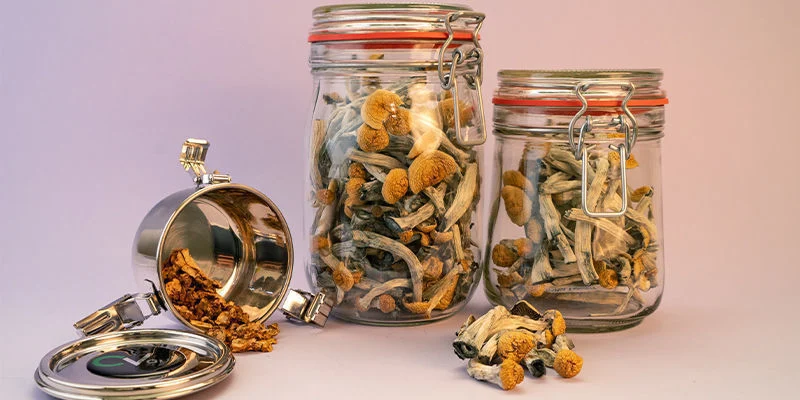
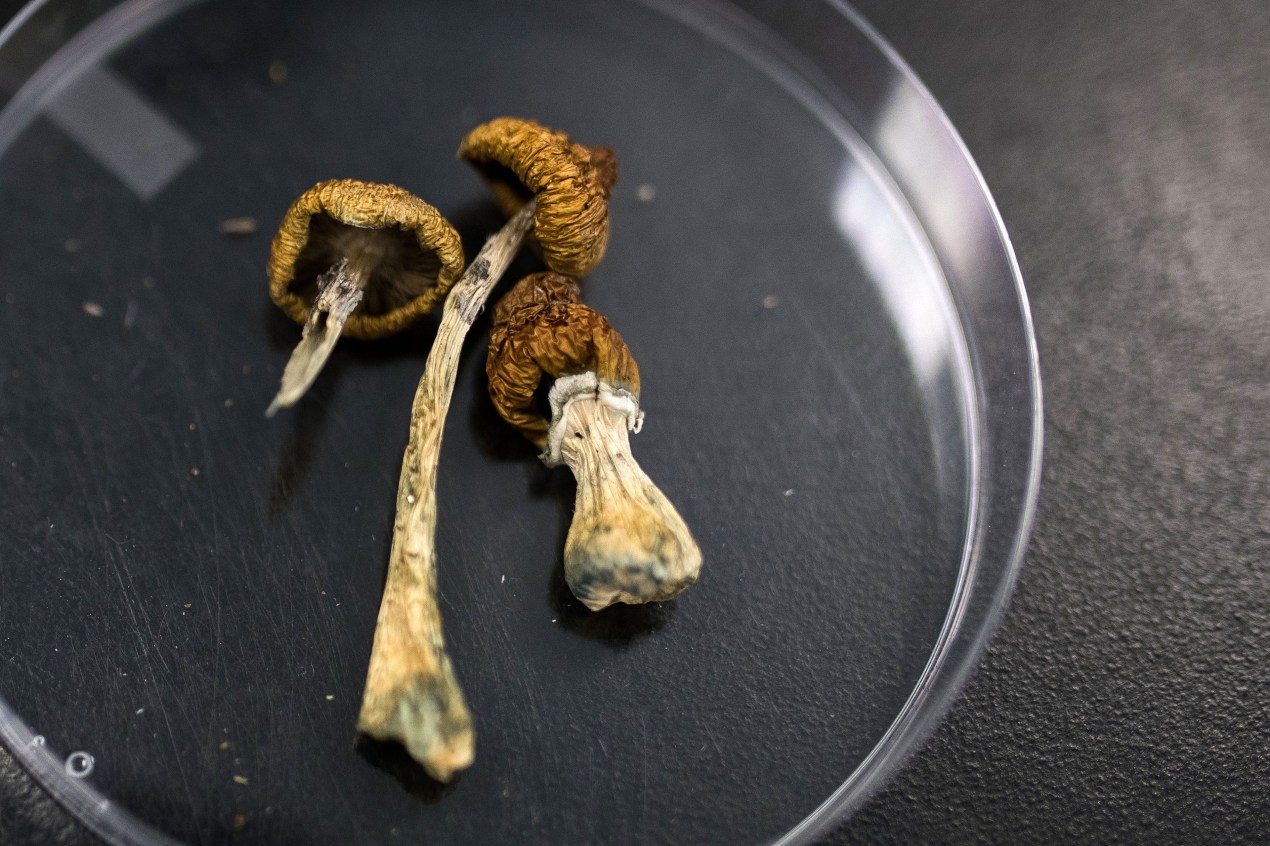
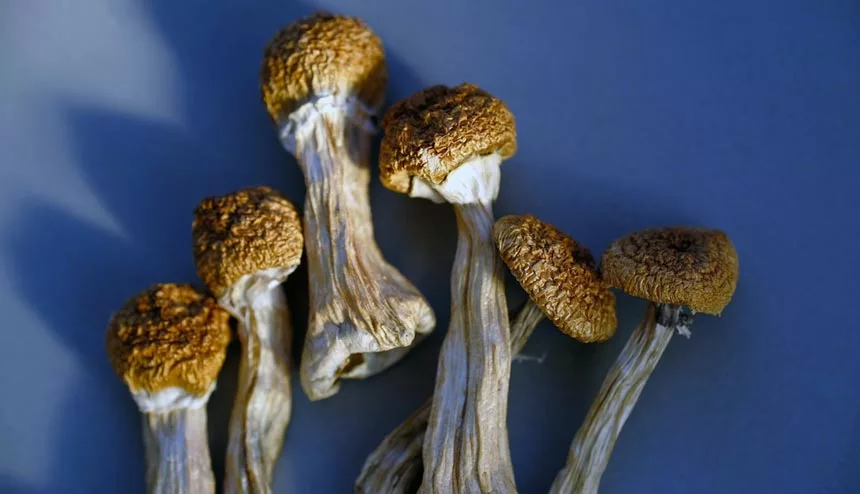
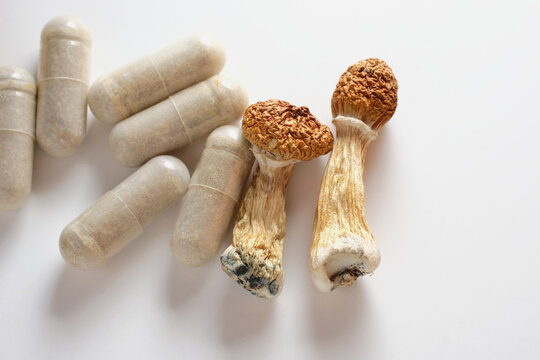
Psilocybin therapy for anxiety represents one of the most exciting developments in mental health treatment. Unlike functional mushrooms that you might take daily as supplements, psilocybin mushrooms contain psychoactive compounds that create profound changes in brain activity and perception.
Understanding Psilocybin’s Mechanism
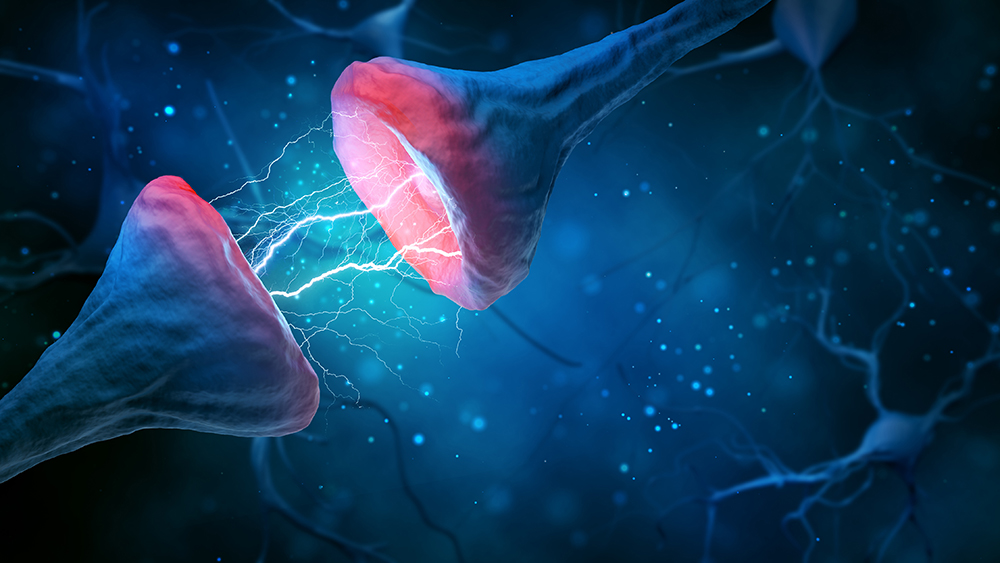
Psychedelic mushrooms anxiety treatment works by activating serotonin receptors in the brain, particularly the 5-HT2A receptor. This activation leads to increased communication between different brain regions that don’t normally communicate extensively, potentially helping to “reset” neural pathways associated with anxiety and depression.
Current Clinical Research
Clinical trials psilocybin anxiety studies have shown remarkable results:

Johns Hopkins University Studies: Multiple studies have demonstrated that psilocybin-assisted therapy can provide lasting relief from anxiety, particularly in people facing life-threatening illnesses. Participants often experience significant reductions in anxiety and depression that persist for months after treatment.
NYU Langone Health Research: A landmark study published in the Journal of Psychopharmacology showed that 80% of participants experienced clinically meaningful reductions in anxiety and depression following psilocybin therapy sessions.
Imperial College London: Research indicates that psilocybin may help “reset” the brain’s default mode network, which is often overactive in people with anxiety disorders.
Treatment Outcomes
Studies consistently show that psilocybin therapy for anxiety can provide:
- Rapid onset of therapeutic effects (often within hours)
- Long-lasting benefits (6+ months in many cases)
- Reduced need for daily anxiety medications
- Improved quality of life and emotional well-being
- Enhanced sense of connectedness and reduced existential anxiety
Legal and Safety Considerations
It’s crucial to understand that psilocybin remains federally illegal in most jurisdictions, though some cities and states have decriminalized or are exploring therapeutic use. Psychedelic mushrooms anxiety treatment should only be considered under professional medical supervision in legal settings.
How do mushrooms biologically support anxiety relief?
Understanding how mushrooms for anxiety work at the biological level helps explain their effectiveness and guides proper usage. Multiple body systems benefit from the unique compounds found in various mushroom species.
HPA Axis Modulation
HPA axis modulation represents one of the primary ways mushrooms support anxiety relief. The hypothalamic-pituitary-adrenal (HPA) axis controls your body’s stress response, and chronic anxiety often involves dysfunction in this system.

Functional mushrooms help regulate the HPA axis by:
- Supporting healthy cortisol production patterns
- Reducing overactivation during stress
- Helping restore normal stress response cycles
- Protecting against stress-induced cellular damage
Cortisol Regulation
Cortisol reduction with mushrooms occurs through several mechanisms. Chronic anxiety often involves elevated cortisol levels, which can create a cycle of increased stress and anxiety symptoms.
Reishi mushrooms, in particular, have been shown to:
- Lower excessive cortisol production
- Support healthy circadian rhythms
- Reduce inflammation associated with chronic stress
- Improve sleep quality, which naturally regulates cortisol
Gut-Brain Connection
The gut-brain axis and mushrooms relationship reveals another important pathway for anxiety relief. Your gut produces about 90% of your body’s serotonin, and the health of your digestive system directly impacts your mental state.
Mushrooms support the gut-brain axis by:
- Providing prebiotic fibers that feed beneficial gut bacteria
- Reducing inflammation in the digestive system
- Supporting the production of neurotransmitters in the gut
- Strengthening the intestinal barrier function
Neuroplasticity Enhancement
Neuroplasticity and mushrooms work together to help your brain form new, healthier neural pathways. Lion’s Mane mushroom, in particular, stimulates the production of nerve growth factor, which supports:
- Formation of new neural connections
- Repair of damaged brain cells
- Improved communication between brain regions
- Enhanced learning and memory formation
Neurotransmitter Support
Different mushrooms support various neurotransmitter systems involved in anxiety regulation:

Serotonin System: Psilocybin directly activates serotonin receptors, while other mushrooms support serotonin production and regulation.
GABA System: Some mushroom compounds may enhance GABA activity, promoting relaxation and reducing anxiety.
Dopamine Pathways: Certain mushrooms support healthy dopamine levels, improving mood and motivation.
What should you know about integrating mushrooms into anxiety treatment?
Successfully using mushrooms for anxiety requires careful consideration of dosing, timing, potential interactions, and integration with existing treatments. Whether you’re exploring mushroom supplements for stress or considering more intensive therapies, proper planning ensures safety and effectiveness.
Choosing the Right Mushrooms
Different natural remedies for anxiety work better for different people and situations:
For Daily Support:
- Lion’s Mane: 500-1000mg daily for cognitive support
- Reishi: 1000-1500mg daily for stress relief
- Cordyceps: 1000mg daily for energy and mood support
For Acute Stress: Higher doses of Reishi or combination formulas may provide more immediate relief.
For Professional Therapy: Psilocybin should only be used under medical supervision in legal clinical settings.
Dosing Guidelines
Mushroom supplements for stress typically follow these general guidelines:
Beginner Dosing:
- Start with the lowest recommended dose
- Take with food to improve absorption
- Monitor effects for at least one week before increasing
Maintenance Dosing:
- Most people benefit from consistent daily use
- Cycling (5 days on, 2 days off) may prevent tolerance
- Adjust based on stress levels and life circumstances
Professional Consultation:
Always consult healthcare providers before starting any new supplement regimen, especially if you’re taking medications or have existing health conditions.
Potential Interactions and Side Effects
While functional mushrooms for mental health are generally well-tolerated, some considerations include:

Medication Interactions:
- Blood thinners: Reishi may enhance anticoagulant effects
- Diabetes medications: Some mushrooms may affect blood sugar
- Immunosuppressants: Mushrooms may stimulate immune function
Common Side Effects:
- Digestive upset (usually mild and temporary)
- Skin rash (rare, but possible with some mushrooms)
- Dizziness (more common with higher doses)
Integration Strategies
Natural remedies for anxiety work best when integrated into a comprehensive wellness approach:
Lifestyle Factors:
- Regular exercise enhances mushroom benefits
- Adequate sleep improves stress resilience
- Meditation and mindfulness complement mushroom therapy
Dietary Considerations:
- Take mushrooms with healthy fats for better absorption
- Avoid alcohol, which can interfere with benefits
- Maintain stable blood sugar levels
Timing Strategies:
- Morning dosing for energy-supporting mushrooms (Cordyceps)
- Evening dosing for calming mushrooms (Reishi)
- Consistent timing helps establish routine benefits
Working with Healthcare Providers
Discussing mushrooms for anxiety with your healthcare team ensures safe and effective treatment:
Preparation for Appointments:
- List all current medications and supplements
- Document anxiety symptoms and triggers
- Research reputable mushroom supplement brands
Questions to Ask:
- Are there any contraindications with my current medications?
- How should I monitor progress and side effects?
- What signs would indicate I should stop or adjust dosing?
What does the future hold for mushroom research in anxiety care?
The field of fungi and anxiety disorders research is expanding rapidly, with exciting developments on multiple fronts. From new mushroom species being studied to innovative delivery methods and combination therapies, the future holds tremendous promise for mushroom-based anxiety treatments.
Emerging Research Areas
Novel Mushroom Species: Researchers are investigating lesser-known mushrooms for mental health applications:
- Turkey Tail for immune-stress connections
- Chaga for antioxidant stress protection
- Shiitake for neurotransmitter support
Combination Therapies: Studies are exploring how mushrooms for anxiety work synergistically with:
- Traditional psychotherapy approaches
- Other natural supplements and herbs
- Conventional anxiety medications
Personalized Medicine: Future research may identify genetic markers that predict which mushrooms work best for individual patients.
Clinical Trial Developments
Psilocybin Research Expansion: Clinical trials psilocybin anxiety studies are expanding to include:
- Different anxiety disorder subtypes
- Varied dosing protocols
- Long-term follow-up studies
- Combination with other therapies
Functional Mushroom Studies: More rigorous clinical trials are investigating:
- Optimal dosing for different mushroom species
- Standardized extraction methods
- Biomarker tracking for treatment response
- Head-to-head comparisons between mushroom types
Technology Integration
Precision Dosing: Advanced testing methods may allow for:
- Real-time monitoring of stress hormones
- Personalized dosing recommendations
- Predictive modeling for treatment outcomes
Enhanced Delivery Systems: New formulation technologies are improving:
- Bioavailability of mushroom compounds
- Sustained-release preparations
- Targeted delivery to specific brain regions
Regulatory Developments
The legal landscape for psychedelic mushrooms anxiety treatment continues to evolve:

FDA Breakthrough Therapy Designation: Psilocybin has received breakthrough therapy designation for treatment-resistant depression, paving the way for anxiety applications.
State-Level Changes: Multiple states are exploring psilocybin therapy legalization for mental health conditions.
International Progress: Countries like Canada and Australia are advancing clinical access programs.
Integration with Digital Health
Future mushrooms for anxiety treatments may include:
- Mobile apps for tracking symptoms and dosing
- Telemedicine integration for remote monitoring
- AI-powered treatment optimization
- Virtual reality integration for psilocybin therapy
Final Thoughts
The exploration of mushrooms for anxiety represents a fascinating intersection of ancient wisdom and modern science. From the daily support offered by functional mushrooms for mental health to the transformative potential of psilocybin therapy for anxiety, these remarkable organisms offer hope for millions of people seeking natural approaches to mental wellness.
Whether you’re considering Lion’s Mane for anxiety support, exploring Reishi mushrooms stress relief properties, or learning about cutting-edge clinical trials psilocybin anxiety research, the key is to approach mushroom therapy with knowledge, patience, and appropriate professional guidance.
The growing body of research on neuroplasticity and mushrooms, HPA axis modulation, and the gut-brain axis and mushrooms provides compelling evidence for their therapeutic potential. As our understanding deepens and access to these treatments expands, mushrooms may become an increasingly important tool in comprehensive anxiety care.
Remember that natural remedies for anxiety, including mushroom supplements for stress, work best as part of a holistic approach to mental health. Combined with proper nutrition, regular exercise, adequate sleep, and professional support when needed, mushrooms can be a valuable addition to your wellness toolkit.
As research continues to evolve and new therapeutic applications emerge, the future looks bright for mushroom-based anxiety treatments. By staying informed about developments in this field and working closely with healthcare providers, you can make educated decisions about incorporating these powerful natural allies into your mental health journey.
mushrooms for anxiety relief | mushrooms for anxiety relief | mushrooms for anxiety relief | mushrooms for anxiety relief | mushrooms for anxiety relief | mushrooms for anxiety relief | mushrooms for anxiety relief | mushrooms for anxiety relief | mushrooms for anxiety relief | mushrooms for anxiety relief | mushrooms for anxiety relief | mushrooms for anxiety relief | mushrooms for anxiety relief


:max_bytes(150000):strip_icc()/types-of-psychedelic-drug-22073-text-Final-dc592c2e713a4467939c899b5c786ce5.png)