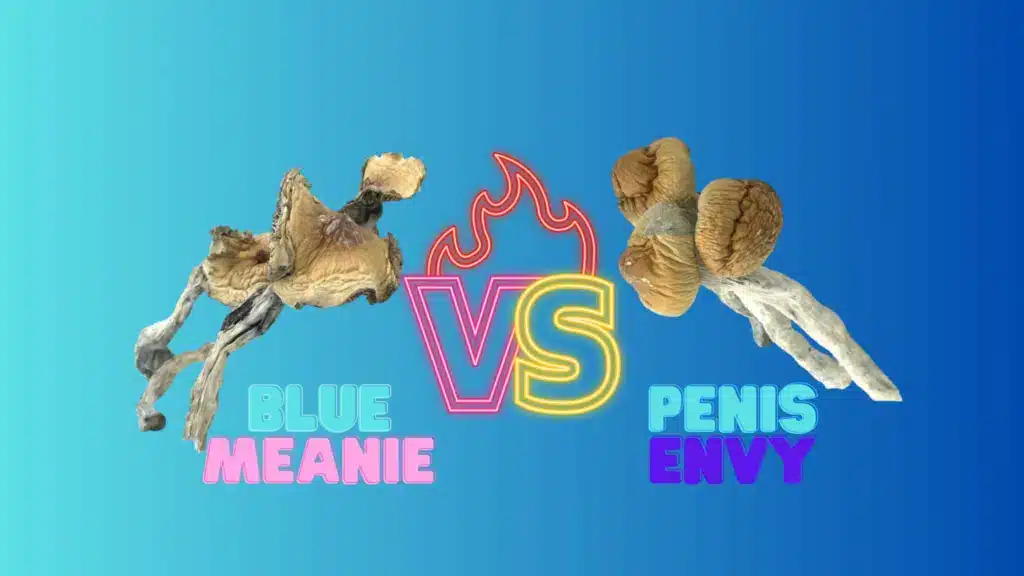
B+ Magic Mushrooms: A Comprehensive Review

Grow B+ Mushrooms with 100% Mycelium

Grow B+ Mushrooms with 100% Mycelium: Complete Guide

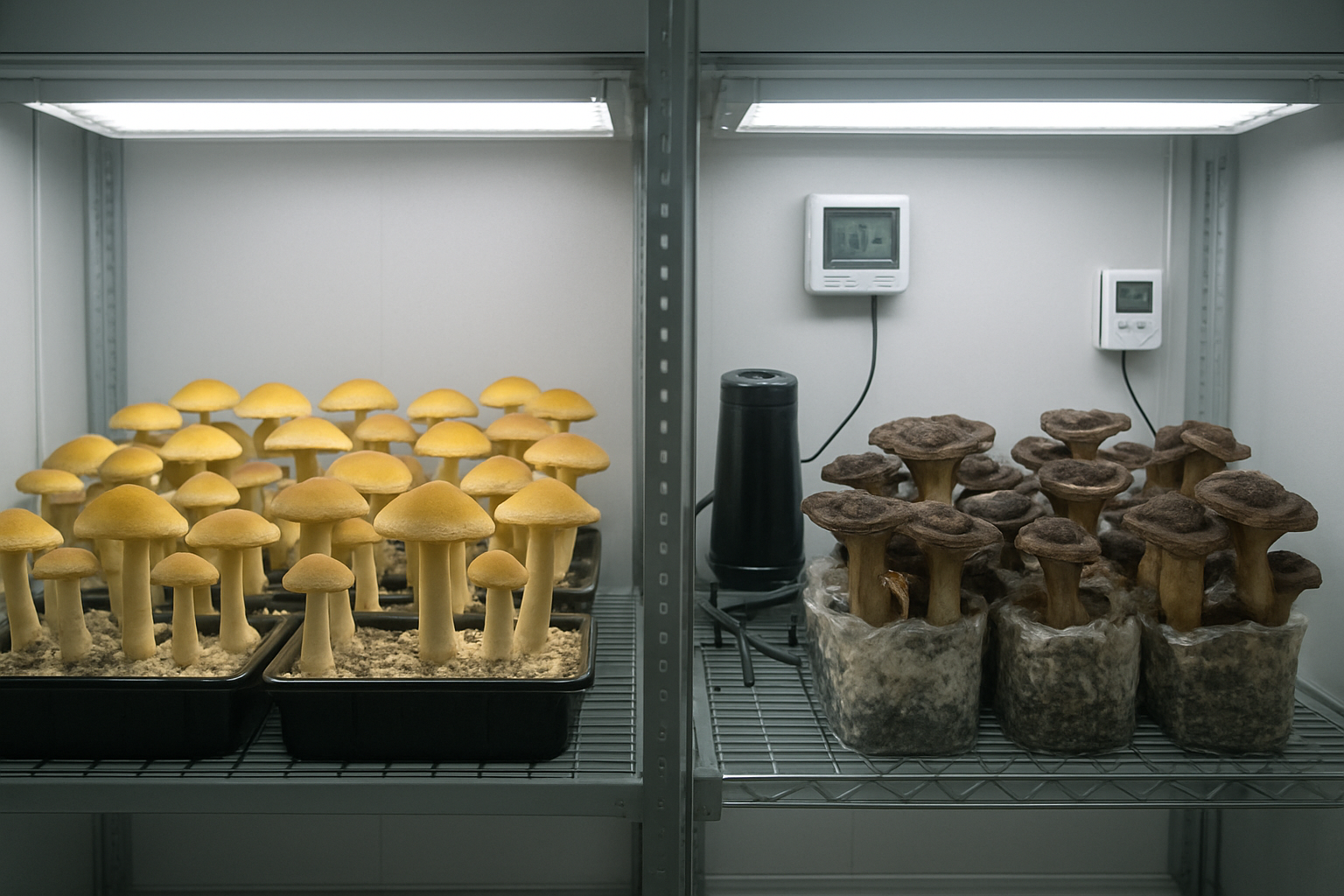
Growing B+ mushrooms with 100% mycelium is one of the most efficient ways to get fast colonization, strong flushes, and cleaner crops compared to traditional spore syringes. Pure mycelium (especially in liquid culture or fully colonized grow kits) gives you a powerful head start, because the fungal network is already active and ready to expand.

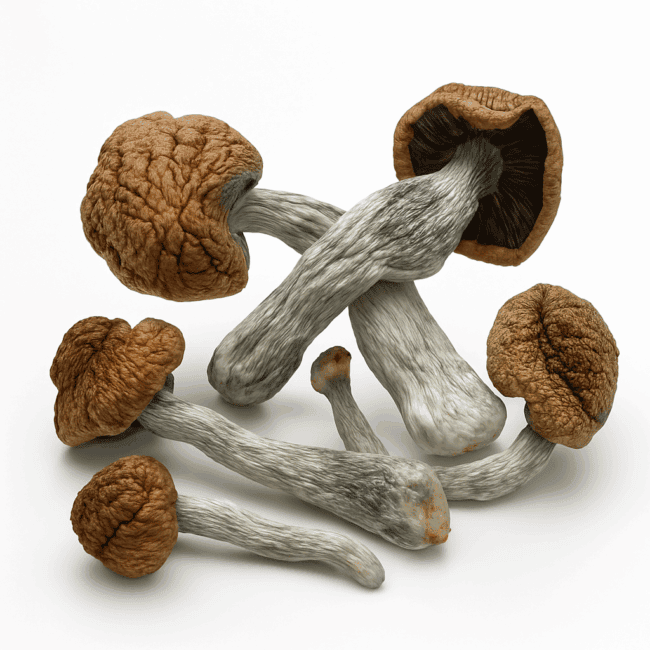
B+ is a resilient Psilocybe cubensis strain, loved for its big caramel-brown caps, sturdy stems, and forgiving growth in less-than-perfect conditions. That combination—stable genetics plus 100% mycelium—makes this strain ideal if you want consistent yields without lab-level equipment.

Grow B+ Mushrooms With 100% Mycelium: Complete Guide

Why Choose B+ and 100% Mycelium?

Using 100% mycelium (liquid culture, colonized grain, or a 100% mycelium grow kit) instead of spores gives several concrete advantages. Mycelium-based inoculants dramatically reduce the time from inoculation to full colonization and lower contamination risk because you are working with an already-selected, active culture.

The B+ mushroom it self is known for fast mycelial growth, wide substrate compatibility, and the ability to fruit in a broad temperature and humidity range. Many home cultivators value B+ not as “the strongest,” but as a steady, predictable producer that still delivers satisfying results.

Best Options: 100% Mycelium Kits vs Liquid Culture

You have two main “100% mycelium” paths: ready-made grow kits or liquid culture inoculation.

Method What It Is Main Benefits Ideal For
100% Mycelium Grow Kit Fully colonized B+ mycelium block or tray that’s ready to fruit. No substrate prep, low contamination risk, very beginner-friendly. New growers, simple and quick setup at home.
B+ Liquid Culture Syringe filled with living B+ mycelium suspended in nutrient broth. Faster colonization than spores, easy to expand into grain or bags. Intermediate growers, custom setups, bulk grain bags or monotubs.
Grow B+ Mushrooms With 100% Mycelium

Grow kits like the Next Level 100% Mycelium B+ Grow Kit or fully colonized B+ blocks are designed so you simply open, mist, and fruit, skipping sterilization and substrate work. Liquid culture syringes from specialist labs provide research-grade mycelium you can inject into sterilized grain bags or jars for scalable grows.

Step-by-Step: Using a 100% Mycelium B+ Grow Kit

1. Inspect Your Kit

When your B+ 100% mycelium kit arrives, check that the substrate block is fully white, with no green, black, or pink spots. A solid, white block indicates strong mycelial colonization and greatly reduces contamination risk.

2. Prepare for Fruiting

Most 100% mycelium kits only require opening the bag or lid following the vendor’s instructions. Typically, you cut an X-shaped slit or remove a top strip of plastic to expose fresh air and allow mushrooms to form.

3. Dial in Environment

B+ fruits well at 22–26°C (72–79°F) with high humidity around 85–95%, plus indirect light. A simple plastic tub with holes for fresh air exchange, a humidity tent, or a small grow tent works well as long as you keep moisture up and prevent standing water.

4. Mist and Fan

Lightly mist the inner walls of the bag or chamber once or twice a day and ensure some fresh air exchange to avoid CO₂ buildup. Look for small pins (baby mushrooms) forming around the exposed surface of the block within several days to a couple of weeks.

5. Harvest and Second Flush

Harvest B+ mushrooms just as the veil under the cap starts to tear for best quality. With a 100% mycelium kit, you can often rehydrate the block (light soak or heavy misting) and trigger additional flushes for multiple harvests.Step-by-Step: Growing B+ with Liquid Culture (Grain & Fruiting)

Https://Psychedelic-Today.com/Buying-Lsd-Gel-Tabs/

1. Inoculate Sterilized Grain

Inject B+ liquid culture into sterilized grain bags or jars (rye, wheat, or mixed grains) through the injection port or a self-sealing hole. Shake the bag lightly after a few days when you see white mycelium to spread colonization.

2. Wait for Full Colonization

Grain usually turns completely white in 2–4 weeks, depending on temperature and culture vigor. Fully colonized grain spawn should look dense and bright white, with no off-color patches.

3. Mix with Bulk Substrate

Combine your B+ grain spawn with a pasteurized bulk substrate, such as coco coir and vermiculite, manure-based mixes, or commercial mushroom substrate. This mix goes into a monotub, tray, or grow bag where the mycelium will colonize the bulk and create a strong fruiting surface.

4. Initiate Fruiting Conditions

Once the surface is fully colonized and looks like a white mat, introduce fruiting conditions: higher fresh air exchange, high humidity, and gentle, indirect light. B+ responds well to moderate fluctuations and often fruits generously even in “imperfect” home environments.

Environmental Sweet Spots for B+ Mycelium

The B+ strain thrives when you mimic its natural subtropical habitat: warm, humid, and oxygen-rich.

  • Temperature: 21–27°C (70–80°F) for colonization and fruiting.

  • Humidity: Above 80% during fruiting, ideally 85–95% for kits and monotubs.

  • Fresh air: Regular air exchange prevents long, thin “stretchy” mushrooms and encourages thick, healthy stems.

  • Light: 12 hours of gentle, indirect light (LED or ambient daylight) helps orient pinning and cap development.

Managing these four factors gives your B+ 100% mycelium grow the best chance of dense flushes and uniform fruits.

Pro Tips to Maximize Yields with 100% Mycelium

  • Start with trusted, research-grade B+ liquid culture or a reputable 100% mycelium kit to minimize contamination.

  • Avoid opening bags or tubs unnecessarily during colonization; fully colonized substrates resist contaminants better than half-colonized blocks.

  • Rehydrate between flushes with a controlled soak or heavy misting to keep your mycelium block productive.

  • Maintain clean technique around injection ports and openings to keep your B+ mycelial network strong over multiple harvests.


7 SEO-Optimized FAQs About Growing B+ Mushrooms with 100% Mycelium

1. Is a 100% mycelium B+ grow kit better than spores for beginners?
Yes. A 100% mycelium B+ kit arrives fully colonized, so you skip spore germination, substrate prep, and much of the contamination risk, which makes it far easier for first-time growers.

2. How long does it take to grow B+ mushrooms with 100% mycelium?
Most 100% mycelium B+ kits produce the first flush in roughly 1–3 weeks after opening, while liquid culture to harvest via grain and bulk substrate usually takes 3–6 weeks total.

3. What is the difference between B+ spores and B+ liquid culture?
B+ spores are dormant and must germinate before forming mycelium, whereas B+ liquid culture is already living mycelium suspended in nutrients, so it colonizes substrates faster and more consistently.

4. Can I reuse B+ mycelium from a 100% mycelium kit?
Some growers carefully clone tissue or transfer grains from a successful B+ kit onto new sterilized substrates, but this requires strong sterile technique and is more advanced than simply using a fresh kit.

5. What are the best conditions to fruit B+ mushrooms at home?
Aim for 22–26°C, high humidity around 85–95%, gentle indirect light, and steady fresh air exchange to support dense, healthy B+ flushes from your 100% mycelium substrate.

6. How many flushes can I get from a 100% mycelium B+ kit?
With good hydration and care, many 100% mycelium B+ kits deliver multiple flushes, often two to four, before the substrate is exhausted.

7. Is it legal to grow B+ mushrooms with 100% mycelium?
Legality varies widely by country and region; many suppliers label B+ cultures and grow kits as research or microscopy products only, so always check your local laws before cultivation.

Buy Magic Mushrooms Online
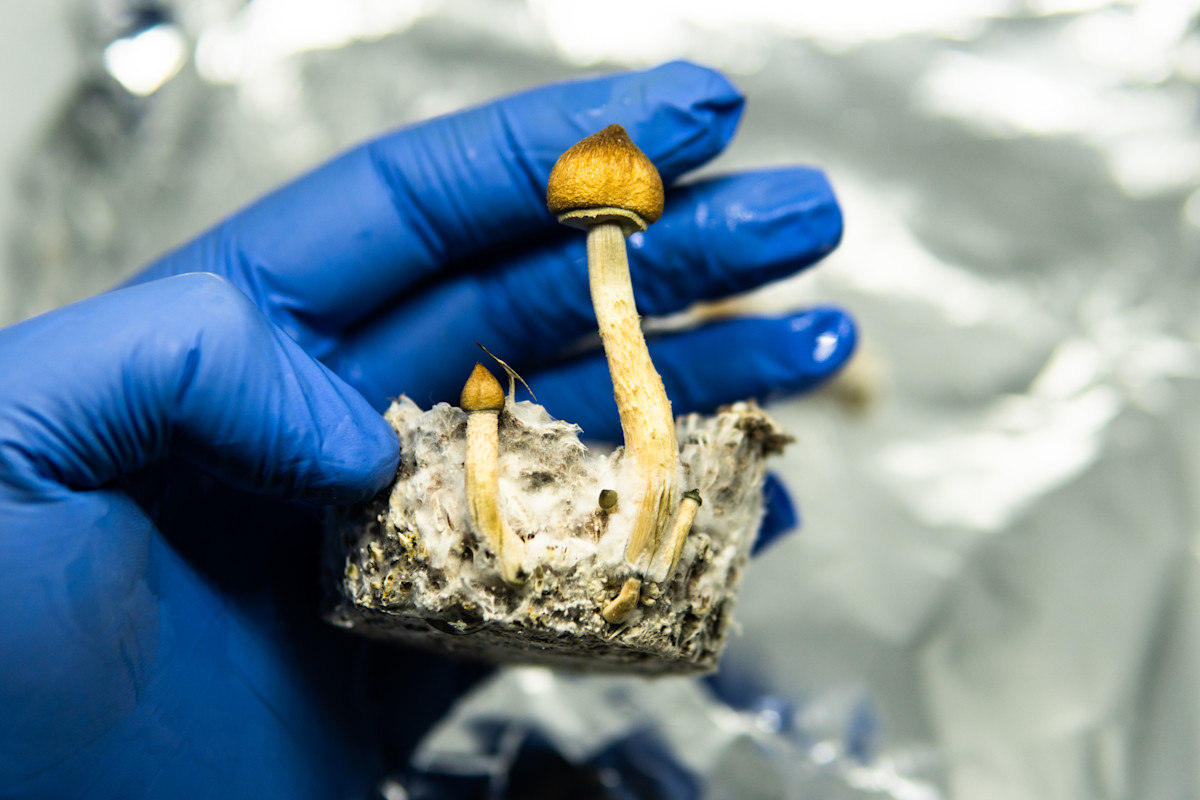
The strongest psychedelic mushroom

The strongest psychedelic mushroom – Copelandia Cyanescens

The Strongest Psychedelic Mushroom - Copelandia Cyanescens

Copelandia Cyanescens stands out as one of nature’s most potent psychedelic mushrooms, containing significantly higher psilocybin levels than common varieties like Psilocybe Cubensis. This guide serves experienced psychonauts, researchers, and cultivators who want to understand this powerful species responsibly.

You’ll learn about the unique potency profile that makes these mushrooms so distinct, including their active compound concentrations and how they compare to other psilocybin species. We’ll also cover safe identification techniques to help you distinguish authentic Copelandia Cyanescens from look-alikes, plus practical cultivation methods that work better than standard mushroom growing kit approaches for this particular species.

Safety remains paramount when dealing with such potent fungi. While psilocybe therapy research continues to expand our understanding of therapeutic applications, knowing the mushroom side effects long-term helps you make informed decisions about use and cultivation.

Understanding Copelandia Cyanescens Mushrooms

The Strongest Psychedelic Mushroom - Copelandia Cyanescens

Scientific Classification and Botanical Characteristics

Copelandia cyanescens belongs to the family Strophariaceae and was originally classified under the Panaeolus genus before being reclassified. The species name “cyanescens” refers to its distinctive blue-staining reaction when bruised or damaged, which indicates the presence of psilocybin compounds.

These mushrooms display several unique botanical features that distinguish them from other psychoactive species. The caps typically measure 1-4 centimeters in diameter with a characteristic bell or conical shape that flattens with age. The gills start pale gray and darken to jet black as spores mature, creating a striking contrast against the light-colored stem.

The stem structure is particularly notable, measuring 4-12 centimeters in height with a distinctively thin, often curved appearance. A key identifying feature is the prominent blue bruising that occurs when the mushroom tissue is damaged, appearing within minutes of handling.

Natural Habitat and Geographic Distribution

Copelandia cyanescens thrives in tropical and subtropical regions worldwide, showing a strong preference for areas with consistent warmth and humidity. The species is commonly found across Southeast Asia, including Thailand, Cambodia, and Vietnam, where it has been documented growing in both wild and cultivated environments.

The mushrooms also populate parts of Australia, particularly in Queensland and New South Wales, where the climate conditions align with their growth requirements. In the Americas, populations exist in Hawaii, parts of Mexico, and select regions of Central and South America.

These mushrooms are coprophilous, meaning they grow exclusively on dung from grazing animals, particularly water buffalo, cattle, and horses. This substrate preference makes them commonly found in pastures, fields, and areas where livestock graze. The nutrient-rich dung provides the essential organic matter needed for their mycelium to establish and fruit.

Physical Identification Features and Appearance

Proper identification requires attention to several key physical characteristics. The cap surface appears smooth and slightly sticky when moist, displaying colors ranging from cream to light brown with darker brown centers. As the mushroom matures, the cap often develops distinct radial cracks or striations.

The gill structure provides another crucial identification marker. Young specimens have light gray gills that gradually darken to black as the mushroom releases its spores. The spore print is characteristically jet black, which helps distinguish Copelandia cyanescens from similar-looking species.

The stem characteristics are equally important for accurate identification:

  • Color: Pale cream to light brown, often with a slightly translucent quality

  • Texture: Smooth and somewhat brittle

  • Shape: Typically curved or bent rather than perfectly straight

  • Bruising: Rapid blue discoloration when damaged

The veil remnants are minimal or absent, unlike many other psilocybin-containing species that retain visible ring structures on the stem.

Seasonal Growth Patterns and Optimal Conditions

The fruiting cycle of Copelandia cyanescens follows predictable seasonal patterns tied to specific environmental conditions. Peak growing seasons occur during warm, humid months when temperatures consistently range between 75-85°F (24-29°C) and relative humidity stays above 80%.

In tropical regions, this often means year-round potential for growth, with slight variations based on rainy seasons. In subtropical areas, the prime season typically spans from late spring through early fall, with the most abundant flushes occurring after periods of sustained rainfall.

Optimal growing conditions include:

Factor Ideal Range
Temperature 75-85°F (24-29°C)
Humidity 80-90%
pH Level 6.5-7.5
Substrate Age 2-4 weeks old

The mushrooms typically fruit within 10-21 days after initial mycelium colonization of fresh dung substrate. Multiple flushes can occur from the same substrate over several weeks, with each subsequent flush generally producing smaller but often more potent mushrooms.

Weather patterns significantly influence fruiting cycles. Consistent morning dew, afternoon warmth, and adequate air circulation create ideal conditions for robust mushroom development. The species shows remarkable adaptation to different microclimates within its preferred habitat range.

Potency Analysis and Active Compounds

Psilocybin Mushrooms: Street Names, Slang, Nicknames + Emoji | Zinnia Health

Psilocybin and Psilocin Concentration Levels

Copelandia cyanescens stands out in the psychedelic world for its incredibly high concentration of active compounds. These small mushrooms pack a serious punch with psilocybin levels ranging from 1.68% to 2.95% of dry weight, while psilocin concentrations typically fall between 0.60% to 1.96%. What makes these numbers particularly striking is that psilocin – the compound your body actually processes for psychoactive effects – appears in much higher concentrations compared to other species.

The total tryptamine content in C. cyanescens can reach up to 4.5% of dry weight when you combine both compounds. This extreme potency means that a typical 1-gram dose of dried specimens can deliver effects equivalent to 3-5 grams of more common varieties like Psilocybe cubensis. The high psilocin content also means faster onset times, with users often reporting effects beginning within 15-30 minutes of consumption.

Laboratory analysis has shown that alkaloid distribution varies throughout the mushroom, with caps generally containing higher concentrations than stems. Fresh specimens contain mostly psilocin, which converts to psilocybin during the drying process through oxidation.

Comparative Strength Against Other Psychedelic Species

When stacked against other psychedelic mushrooms, Copelandia cyanescens earns its reputation as one of the strongest naturally occurring species. Here’s how it compares to other well-known varieties:

Species Psilocybin (%) Psilocin (%) Total Potency
C. cyanescens 1.68-2.95 0.60-1.96 Very High
P. azurescens 1.78 0.38 High
P. semilanceata 0.98 0.02 Medium-High
P. cubensis 0.63 0.60 Medium
P. tampanensis 0.68 0.32 Medium

The Hawaiian strain of C. cyanescens consistently shows the highest alkaloid content, often exceeding 3% total tryptamines. This puts it roughly 3-5 times stronger than your average P. cubensis, meaning dosage calculations require extreme caution.

P. azurescens comes close in psilocybin content but lacks the high psilocin levels that make C. cyanescens so potent. The combination of both compounds in significant quantities creates a unique alkaloid profile that produces intense, fast-acting experiences.

Factors Affecting Potency Variation in Wild Specimens

Wild C. cyanescens shows remarkable potency variation depending on several environmental and biological factors. Growing conditions play a huge role in alkaloid production, with specimens from nutrient-rich substrates typically showing higher concentrations.

Environmental Influences:

  • Substrate quality: Mushrooms growing on rich organic matter like aged manure produce higher alkaloid levels

  • Moisture levels: Consistent humidity during development increases psilocin production

  • Temperature fluctuations: Mild stress from temperature changes can boost alkaloid synthesis

  • Seasonal timing: Early season flushes often contain higher concentrations than later harvests

Specimen characteristics also affect potency significantly. Younger mushrooms with unopened caps generally contain higher alkaloid concentrations per gram than fully mature specimens. Cap-to-stem ratio matters too – specimens with proportionally larger caps tend to be stronger.
Geographic location creates substantial variation even within the same species. Hawaiian populations consistently test higher than specimens from other tropical regions, possibly due to specific soil minerals or genetic adaptation. Elevation also plays a role, with higher-altitude specimens sometimes showing increased potency.

Harvesting timing proves critical for maintaining peak potency. Specimens collected just as veils break contain maximum alkaloid concentrations, while those left to fully mature and release spores show declining levels. Storage conditions after harvest can also impact final potency, with improper drying techniques leading to significant alkaloid degradation.

Safe Identification and Harvesting Guidelines

Create A Realistic Image Of A Close-Up View Of Copelandia Cyanescens Mushrooms Growing Naturally In Their Habitat With A Magnifying Glass Positioned Nearby For Detailed Examination, Showing The Distinctive Blue-Bruising Stems And Dark Spore Caps, Surrounded By Grass And Organic Debris In Natural Lighting, With A Field Guide Book Partially Visible In The Background Showing Mushroom Identification Charts, Captured In Soft Daylight With Educational Focus On The Mushroom'S Identifying Characteristics, Absolutely No Text Should Be In The Scene.

Key distinguishing features from look-alike species

Copelandia cyanescens mushrooms have several distinctive features that separate them from potentially dangerous look-alikes. The caps range from 1.5 to 4 cm in diameter, starting convex and flattening with age. Fresh specimens display a buff to light brown color that fades to pale tan when dried. The most critical identifying feature is the dark spore print – always jet black, never brown or rust-colored.
The stems are slender, typically 4-10 cm long, and develop a distinctive blue bruising when handled or damaged. This blue oxidation reaction occurs within minutes of contact and is a key safety marker. The gills start light gray and darken to black as spores mature.

Several dangerous species can fool inexperienced foragers. Deadly Galerina species share similar habitats but have rusty-brown spores instead of black ones. Panaeolus species without active compounds look nearly identical but lack the intense blue bruising reaction. Always verify spore color using a spore print – place the cap gill-side down on white paper overnight.

Proper harvesting techniques and timing

Peak potency occurs when caps begin flattening but before spores drop heavily. Harvest during early morning hours when mushrooms are fully hydrated. Use clean scissors or a sharp knife to cut stems at ground level rather than pulling, which can damage the underground mycelium network.
Handle specimens gently to minimize blue bruising, which can indicate potency loss. Place harvested mushrooms in breathable containers like paper bags or wicker baskets – never use plastic bags that trap moisture and promote rot. Process specimens within 2-4 hours of harvesting for maximum preservation of active compounds.
The ideal harvesting window spans 2-3 days when caps transition from convex to flat. Older specimens with heavily dropped spores contain reduced concentrations of active compounds and should be avoided for therapeutic applications.

Common identification mistakes and how to avoid them

The most dangerous error involves confusing Copelandia with Galerina species, which contain deadly amatoxins. Always perform spore prints – Galerina produces rusty-brown spores while Copelandia creates jet-black deposits. Never rely solely on visual appearance.

Inexperienced collectors often mistake inactive Panaeolus species for active varieties. The blue bruising test provides reliable differentiation – active species turn deep blue when damaged, while inactive ones show minimal or no color change. However, some mushroom side effects long-term can occur even from inactive species due to other compounds present.

Habitat confusion represents another common mistake. Copelandia cyanescens grows exclusively on herbivore dung in tropical and subtropical regions. Specimens found on wood, soil, or other substrates are definitely different species. Geographic location matters tremendously – these mushrooms don’t naturally occur in temperate climates.
Weather timing also trips up novice foragers. Peak fruiting occurs 2-4 days after heavy rainfall when temperatures remain warm and humidity stays high. Collecting during dry periods yields few specimens of poor quality.

Legal considerations and regional restrictions

Legal status varies dramatically worldwide and changes frequently. In the United States, psilocybin and psilocin remain federally controlled substances under Schedule I classification. However, several cities and states have decriminalized possession for personal use, creating a complex patchwork of local regulations.

Many countries classify fresh mushrooms differently from dried specimens or extracted compounds. Some jurisdictions focus on intent to distribute rather than simple possession. Research applications sometimes receive special exemptions, particularly for psilocybe therapy studies conducted by licensed institutions.
International travelers face severe penalties in many Asian countries where possession carries mandatory prison sentences. European nations show increasing tolerance, with Portugal and the Netherlands implementing progressive policies. Australia maintains strict prohibition despite traditional use by indigenous populations.

Before any collection activity, research current local laws thoroughly. Legal landscapes shift rapidly as public opinion evolves and scientific research expands. Consider consulting legal professionals familiar with psychedelic law if questions arise about specific jurisdictions or activities.

Effects and Experience Profile

Create A Realistic Image Of A Person Sitting In A Comfortable, Dimly Lit Room With Soft Ambient Lighting, Eyes Closed In A Meditative State, With Subtle Visual Distortions In The Background Suggesting Altered Perception, Colorful Geometric Patterns Gently Floating In The Air Around Them, Warm Golden And Purple Hues Creating A Mystical Atmosphere, Soft Shadows On The Walls, And A Peaceful, Introspective Mood Throughout The Scene, Absolutely No Text Should Be In The Scene.

Onset Time and Duration of Psychoactive Effects

Copelandia cyanescens kicks in faster than most psilocybin mushrooms. The onset typically begins within 15-30 minutes after consumption, compared to 30-60 minutes for other species. This rapid onset catches many experienced users off guard, making careful dosing even more critical.

The active phase peaks around 1-2 hours and maintains intensity for 3-4 hours total. Users report a sharp climb to peak effects, followed by a gradual descent over the next 2-3 hours. The entire experience usually wraps up within 6-8 hours, though some residual effects may linger for an additional hour or two.

Typical Dosage Ranges and Intensity Levels

Due to their exceptional potency, Copelandia cyanescens requires significantly lower doses than traditional psilocybe species. Here’s a breakdown of typical dosage ranges:

Dose Level Weight (Dried) Experience Intensity
Microdose 0.05-0.1g Sub-perceptual effects
Light 0.2-0.5g Mild visual changes, mood enhancement
Moderate 0.5-1.0g Distinct visuals, altered perception
Strong 1.0-2.0g Intense psychedelic effects
Heavy 2.0g+ Overwhelming, potentially dangerous

New users should start with even smaller amounts – as little as 0.1-0.2g for their first experience. The mushroom side effects long-term remain under study, but responsible dosing practices help minimize risks.

Unique Characteristics Compared to Other Psilocybin Mushrooms

Copelandia cyanescens delivers a distinctly different experience profile from common psilocybe varieties. Users frequently describe the effects as more intense and “electric” compared to the gentler, more flowing experience of Psilocybe cubensis.

The visual component tends to be more geometric and crystalline, with sharp patterns and intense color saturation. Mental effects lean toward analytical thinking rather than the emotional introspection typical of other species. Many report heightened energy levels and restlessness, contrasting with the relaxed, contemplative state often associated with other psilocybin mushrooms.

The comedown is generally smoother and less fatiguing, though the intense peak can be more challenging to navigate for unprepared users.

Set and Setting Recommendations for Optimal Experiences

Creating the right environment becomes even more important with such a potent species. Choose a completely safe, familiar location where you won’t be disturbed for at least 8 hours. Indoor settings work best for beginners, as the intensity can make outdoor navigation challenging.

Having an experienced, sober trip sitter present is highly recommended, especially for doses above 0.5g. Stock up on comfort items like soft blankets, calming music playlists, and easy-to-digest snacks for the comedown period.

Mental preparation matters just as much as physical setup. Approach the experience with clear intentions and a positive mindset. Avoid use during times of stress, relationship conflicts, or major life changes. The rapid onset leaves little time for second thoughts once effects begin.

Keep rescue medications like benzodiazepines accessible if you have experience with their use, though they should only be used in genuine emergency situations.

Safety Protocols and Risk Management

Psychoactive Psilocybin'S Evolution In 'Magic Mushrooms' – @Theu

Potential adverse reactions and contraindications

Copelandia cyanescens can trigger several unwanted reactions, especially for first-time users or those sensitive to psychedelic compounds. Common adverse effects include intense nausea, vomiting, and severe anxiety that can last several hours. The mushroom side effects long-term may include persistent anxiety disorders, depersonalization, or hallucinogen persisting perception disorder (HPPD) in susceptible individuals.

People with pre-existing mental health conditions should avoid these mushrooms entirely. Those with schizophrenia, bipolar disorder, severe depression, or family history of psychotic disorders face significantly higher risks. Pregnant and breastfeeding women must never consume psilocybin mushrooms due to unknown effects on fetal development.

Heart conditions, high blood pressure, and seizure disorders represent serious contraindications. The intense psychological effects can trigger panic attacks that stress the cardiovascular system dangerously.

Drug interaction warnings and medical considerations

Psilocybin interacts dangerously with several medication classes. MAOIs (monoamine oxidase inhibitors) can intensify and prolong psychedelic effects unpredictably. SSRIs and other antidepressants may reduce psilocybin’s effectiveness while potentially causing serotonin syndrome.

Blood pressure medications, heart medications, and anticoagulants require special caution. The altered state can mask medical emergencies or interfere with critical medication timing. Anyone taking prescription medications should consult healthcare providers before considering use, though discussing illegal substances remains challenging.

Alcohol and other depressants create particularly dangerous combinations that can lead to respiratory depression or dangerous behavior due to impaired judgment.

Harm reduction strategies for responsible use

Start with tiny amounts – Copelandia cyanescens packs much more potency than typical Psilocybe species. A scale measuring to 0.01g accuracy becomes essential for safe dosing. Begin with 0.2-0.5g dried weight maximum for initial trials.

Create a safe environment with trusted companions who remain sober throughout the experience. Remove dangerous objects, secure the space, and prepare comfort items like blankets and water. The “set and setting” principle demands careful attention to mental state and physical environment.

Test substances through reagent kits when possible, though this proves difficult with wild-harvested specimens. Plan for 6-8 hour experiences with no responsibilities or commitments.

When to seek medical attention

Emergency medical care becomes necessary when users experience chest pain, difficulty breathing, extremely high fever, or signs of serotonin syndrome (muscle rigidity, rapid heartbeat, confusion). Persistent vomiting leading to dehydration also requires professional intervention.

Psychological emergencies include threats of self-harm, complete disconnection from reality lasting beyond the expected timeframe, or aggressive behavior toward others. While psilocybe therapy shows promise in clinical settings, unsupervised use can trigger severe psychological crises requiring immediate professional help.

Call emergency services immediately if someone becomes unconscious, has seizures, or shows signs of severe allergic reactions. Don’t hesitate when safety concerns arise – medical professionals can provide life-saving interventions without legal judgment in emergency situations.

7 FAQ

Are these mushrooms legal to grow or possess?

Legal status varies dramatically by location. Most countries classify psilocybin-containing mushrooms as controlled substances, making cultivation, possession, and distribution illegal. Some jurisdictions have decriminalized personal use or allow psilocybe therapy research. Check local laws before considering any activities involving these mushrooms, as penalties can be severe.

Can I use a mushroom growing kit for Copelandia Cyanescens?

Standard mushroom growing kit products are designed for culinary species like oyster or shiitake mushrooms. Copelandia Cyanescens requires specific tropical conditions, substrates, and techniques that differ significantly from commercial kits. These mushrooms naturally grow on dung in warm, humid environments and need specialized knowledge for successful cultivation.

What are the long-term side effects of using these mushrooms?

Research on mushroom side effects long-term remains limited, but studies suggest potential risks include persistent perceptual changes, anxiety disorders, and psychological dependence in some users. Frequent use may lead to tolerance, requiring higher doses for similar effects. Mental health conditions like schizophrenia or bipolar disorder can be exacerbated by psychedelic use.

How do I identify authentic Copelandia Cyanescens?

Key identification features include dark spores, blue bruising when damaged, small tan-to-brown caps, and growth on dung substrates in tropical regions. However, many toxic mushrooms share similar characteristics. Misidentification can be fatal – never consume wild mushrooms without expert verification from a qualified mycologist.

What’s the typical dosage for beginners?

Copelandia Cyanescens are extremely potent, with active doses starting as low as 0.5-1 gram dried. This species contains significantly higher psilocybin concentrations than common Psilocybe cubensis varieties. Start with minimal amounts if legal in your area, as effects can be overwhelming and last 4-8 hours.

Can these mushrooms interact with medications?

Psilocybin can interact dangerously with antidepressants, particularly MAOIs and SSRIs, potentially causing serotonin syndrome. Blood pressure medications, heart conditions, and psychiatric drugs may also create harmful interactions. Always consult healthcare providers about potential drug interactions before considering use.

Where do these mushrooms naturally grow?

Copelandia Cyanescens thrive in tropical and subtropical regions, particularly Southeast Asia, Hawaii, and parts of Australia. They grow exclusively on fresh dung from grazing animals like cattle and water buffalo, preferring areas with high humidity, warm temperatures, and regular rainfall patterns.

Create A Realistic Image Of Several Copelandia Cyanescens Mushrooms Arranged On A Natural Wooden Surface, Displaying Their Characteristic Blue-Bruising Stems And Dark Spore-Covered Caps, With Soft Natural Lighting From Above Creating Gentle Shadows, Surrounded By Scattered Dried Psilocybin Mushrooms And A Few Fresh Specimens Showing The Distinctive Bluish Bruising, Set Against A Blurred Background Of Natural Textures Like Hemp Fibers Or Organic Materials, Conveying A Sense Of Completion And Educational Summary About These Potent Fungi, With Warm Earthy Tones And Professional Botanical Photography Lighting That Emphasizes The Mushrooms' Unique Features And Natural Beauty, Absolutely No Text Should Be In The Scene.

Copelandia Cyanescens stands out as one of nature’s most potent psychedelic mushrooms, packing significantly higher psilocybin levels than most other species. From proper identification techniques to understanding their intense effects profile, these small but mighty fungi demand respect and careful handling. The cultivation process requires patience and attention to detail, but many find the journey worthwhile for those seeking a deeper psychedelic experience.

Safety should always be your top priority when working with these powerful mushrooms. Start with extremely small doses, never forage without expert guidance, and always have a trusted sitter present during any experience. Whether you’re interested in cultivation or consumption, taking the time to educate yourself thoroughly will help ensure a positive and safe encounter with these remarkable fungi.

Magic Mushroom Grow Kit FAQ: All Questions & Solutions

Magic Mushroom Grow Kit FAQ

Magic Mushroom Grow Kit FAQ: All Questions & Solutions

Magic Mushroom Grow Kit Faq: All Questions &Amp; Solutions

Growing mushrooms at home sounds complicated, but magic mushroom grow kits make it surprisingly simple. This comprehensive Magic Mushroom Grow Kit FAQ addresses every question and problem you might face during your growing journey.

This guide is for beginners who want their first grow to succeed, experienced growers troubleshooting issues, and anyone curious about what to expect from their kit. You’ll get practical answers that help you grow healthy mushrooms from start to finish.

We’ll walk you through the step-by-step growing process to set you up for success from day one. You’ll also learn how to troubleshoot common growing problems like contamination, slow growth, and environmental issues that can derail your harvest. Finally, we’ll share proven methods for maximizing your kit’s yield so you get the most mushrooms possible from each grow cycle.

Essential Kit Components and What You Get

Magic Mushroom Grow Kit Faq: All Questions &Amp; Solutions

Complete Inventory of Included Materials and Tools

Magic mushroom grow kits typically arrive as complete packages designed to minimize your setup effort. Most quality kits include a pre-colonized substrate block already packed with healthy mycelium, which serves as the foundation for your mushroom growth. You’ll also receive a clear plastic growing container or fruiting chamber that creates the perfect microenvironment for mushrooms to develop.

The kit includes a spray bottle for maintaining proper humidity levels throughout the growing process. Some manufacturers provide specialized misting bottles with fine atomizers that distribute water more evenly. You’ll find detailed growing instructions specific to your kit type, often including troubleshooting guides and timeline expectations.

Many kits come with a heating pad or temperature regulation system, though this varies by supplier. Premium kits often include perlite or vermiculite for humidity retention, along with a thermometer and hygrometer for monitoring environmental conditions.

Understanding Substrate Types and Their Benefits

Different substrate compositions offer unique advantages for mushroom cultivation. Rye grain substrates provide excellent nutrition and water retention, supporting robust mycelium growth and higher yields. These substrates typically produce stronger, more vigorous mushroom flushes.

Brown rice flour and vermiculite combinations create lighter, more porous growing mediums that allow better air circulation around developing mushrooms. This substrate type reduces contamination risks but may produce slightly lower overall yields.

Straw-based substrates offer exceptional value and sustainability while maintaining good growing performance. They’re particularly effective for certain mushroom varieties and provide adequate nutrition for multiple harvest cycles.

Substrate Type Nutrition Level Contamination Risk Yield Potential Best For
Rye Grain High Medium High Maximum harvests
Rice Flour/Vermiculite Medium Low Medium Beginner growers
Straw-based Medium Medium Medium-High Eco-conscious growers

Spore Syringe Quality Indicators and Storage Requirements

High-quality spore syringes appear clear or slightly cloudy with visible spore clumps suspended in sterile water. Dark, dense concentrations indicate healthy spore populations, while completely clear syringes may contain insufficient spores for reliable germination.

Reputable suppliers provide syringes with sterile needles and leak-proof caps. The syringe should feel firm when pressed gently, indicating proper vacuum seal. Avoid syringes with visible contaminants, unusual colors, or foul odors.

Store unopened spore syringes in your refrigerator at 35-40°F for optimal longevity. They remain viable for 6-12 months under proper storage conditions. Keep them away from light and temperature fluctuations. Once opened, use syringes within 30 days for best results.

Never freeze spore syringes, as ice crystals damage spore cell walls. Room temperature storage works for short-term use but significantly reduces shelf life.

Additional Supplies You Need to Purchase Separately

Most grow kits require additional supplies for optimal results. Purchase distilled or filtered water for misting, as tap water often contains chlorine and minerals that inhibit mushroom growth. You’ll need about 1-2 liters for a complete growing cycle.

Isopropyl alcohol (70% concentration) helps maintain sterile conditions when handling your kit. Use it to clean your hands, tools, and work surfaces before each interaction with the growing mushrooms.

A timer helps maintain consistent misting schedules, especially important during the crucial fruiting phase. Digital timers with multiple daily settings work best for maintaining proper humidity cycles.

Consider purchasing backup growing supplies like extra spray bottles, clean towels, and disposable gloves. These items prevent contamination and make the growing process more manageable. Some growers also invest in a small fan for air circulation, though this isn’t strictly necessary for most kit types.

Step-by-Step Growing Process Made Simple

Magic Mushroom Grow Kit Faq: All Questions &Amp; Solutions

Initial kit preparation and sterilization techniques

Getting your magic mushroom grow kit ready starts with creating the cleanest possible environment. Wash your hands thoroughly with antibacterial soap, then dry them with a clean towel or paper towels. Clean your work surface with isopropyl alcohol (70% concentration works best) and wipe it down completely.

Remove your grow kit from its packaging carefully, avoiding touching the substrate directly. The substrate comes pre-sterilized, but contamination can happen during handling. Keep a spray bottle filled with clean water nearby – you’ll need this for misting.

If you’re working in a dusty area or have pets, consider setting up your workspace in a bathroom after running hot water to create a naturally humid, cleaner environment. Some growers prefer working near a recently used dishwasher since the steam helps reduce airborne contaminants.

Don’t open windows or use fans during setup, as moving air carries bacteria and mold spores that can contaminate your kit. The goal is minimal air movement while maintaining the right conditions for mushroom development.

Proper inoculation methods for maximum success rates

Your grow kit arrives with mycelium already established in the substrate, so traditional inoculation isn’t necessary. However, activating dormant mycelium requires the right approach. Start by soaking the entire substrate block in clean, room-temperature water for 12-24 hours. This “wake-up call” signals the mycelium that growing conditions have returned.

After soaking, drain excess water completely. The substrate should feel moist but not waterlogged. Place the block in the provided humidity tent or clear plastic container. Some kits include perlite (small white stones) that help maintain consistent moisture levels around the growing area.

Position the kit away from direct sunlight but in an area with natural light cycles. The mycelium responds to light changes, which help trigger mushroom formation. Avoid placing the kit near heat sources like radiators or in drafty areas where temperature fluctuations could stress the developing mushrooms.

Optimal environmental conditions for mushroom development

Temperature control makes the biggest difference in growing success. Most magic mushroom varieties thrive between 70-75°F (21-24°C). Temperatures above 80°F can kill developing mushrooms, while temps below 65°F slow growth significantly.

Humidity levels should stay between 80-95% inside the growing container. You’ll achieve this through regular misting – typically 2-3 times daily. Spray the sides of the container rather than directly onto the substrate, allowing moisture to evaporate and create the humid microclimate mushrooms need.

Air circulation prevents stagnant conditions that encourage harmful bacteria growth. If using a plastic container, crack the lid slightly or create small air holes. The goal is gentle air exchange, not strong airflow that dries out your kit.

Environmental Factor Optimal Range Signs of Problems
Temperature 70-75°F (21-24°C) Slow/no growth (too cold), dying pins (too hot)
Humidity 80-95% Cracking substrate (too dry), bacterial growth (too wet)
Light Indirect natural light Pale, stretchy mushrooms (too dark)
Air Exchange Gentle circulation Bacterial smell, fuzzy mold growth

Harvesting timing and techniques for best quality

Harvest timing affects both potency and subsequent flushes from your kit. Pick mushrooms just as the caps begin to flatten out but before spores drop. The veil under the cap starts tearing when mushrooms reach peak potency – this is your harvesting window.

Use clean hands or sterilized scissors to harvest. Twist and pull mushrooms gently at the base, or cut them close to the substrate surface. Harvest all mushrooms in a cluster at once, even smaller ones, as leaving some behind can lead to rot that affects future growth.

Don’t wait for every mushroom to reach full size simultaneously. Different mushrooms develop at varying rates, and overripe specimens can negatively impact the entire flush. Harvest the ready ones and let others continue growing.

After harvesting, remove any remaining mushroom stumps and debris from the substrate surface. This prevents bacterial growth and prepares the kit for its next flush.

Post-harvest cleanup and kit maintenance

Clean the substrate surface gently after each harvest, removing any leftover mushroom material or dark spots that might indicate contamination. Use clean hands or a sterilized spoon to scrape away debris without damaging the underlying mycelium.

Give the substrate another soaking period between flushes – usually 12-24 hours in clean water. This rehydrates the mycelium and often triggers the next round of mushroom development. Most quality kits produce 3-4 flushes with proper care.

Between flushes, store the kit in your refrigerator if you need a break from active growing. Wrap it in plastic to prevent drying out, and it can stay dormant for several weeks. When ready to continue, bring it back to room temperature and resume the normal misting routine.

Monitor for contamination signs like green, black, or orange mold growth. Small amounts of blue coloration on the substrate is normal (mycelium bruising), but other colors usually indicate problems requiring kit disposal. Keep detailed notes about timing, environmental conditions, and results to improve your technique with future kits.

Troubleshooting Common Growing Problems

Create A Realistic Image Of A Cluttered Indoor Growing Setup Showing Various Mushroom Cultivation Problems Including Contaminated Grow Kits With Visible Mold, Wilted Or Discolored Mushroom Caps, Dried Out Substrate, Overly Wet Conditions With Standing Water, And Scattered Growing Supplies Like Spray Bottles, Thermometers, And Ph Testing Strips On A Wooden Table, With Natural Window Lighting Creating A Concerned Troubleshooting Atmosphere, Absolutely No Text Should Be In The Scene.

Contamination identification and prevention strategies

Contamination is the biggest enemy of successful mushroom cultivation, but spotting it early can save your entire harvest. Green contamination is your worst nightmare – it appears as fuzzy green patches and spreads rapidly throughout the substrate. This is typically Trichoderma mold, which competes aggressively with mushroom mycelium and releases toxins that halt growth.

Black spots or dark patches usually indicate bacterial contamination or Rhizopus mold. These areas often smell sour or unpleasant, unlike the earthy scent of healthy mycelium. Yellow liquid pooling in your kit signals bacterial infection, while pink or red discoloration suggests yeast contamination.

White fuzzy growth can be tricky – healthy mycelium looks white and cotton-like, but contaminating molds can appear similar initially. The key difference is smell and growth pattern. Healthy mycelium has a mushroom-like aroma and grows in organized, thread-like structures.

Prevention starts with sterile technique. Always wash your hands thoroughly before handling your kit, work in a clean environment away from drafts, and use filtered or boiled water for misting. Keep your growing area clean and avoid opening the kit unnecessarily. If contamination appears, isolate the kit immediately to prevent spores from spreading to other grows.

Solutions for slow or stunted mushroom growth

When your kit seems stuck in neutral, several factors could be at play. Temperature issues top the list – mushrooms need consistent warmth between 70-75°F (21-24°C). Too cold, and growth crawls to a halt. Too hot, and the mycelium becomes stressed or dies.

Insufficient humidity often causes pins (baby mushrooms) to abort before developing. Your kit needs 80-95% humidity during fruiting. If pins appear but don’t grow larger, they’re likely drying out. Increase misting frequency or improve your humidity chamber setup.

Poor air exchange can stunt development even with perfect temperature and humidity. Mushrooms need fresh air to grow properly. Stagnant conditions lead to weak, elongated stems and small caps. Create gentle air movement without direct drafts on the kit.

Substrate depletion happens with older kits or after multiple flushes. The nutrients are exhausted, and mushrooms struggle to develop. This is normal after 2-3 harvests, and the solution is accepting diminishing returns or starting fresh.

Light deficiency rarely stops growth entirely but can cause odd development patterns. While mushrooms don’t need intense light, they do need some illumination to develop properly shaped caps.

Check your growing conditions systematically. Fix one variable at a time to identify the root cause without overwhelming the delicate growing environment.

Addressing moisture and humidity control issues

Getting moisture levels just right feels like walking a tightrope, but understanding the signs makes it manageable. Overwatering shows up as pooling water in the kit, soggy substrate, or bacterial growth. The substrate should feel moist like a wrung-out sponge, never waterlogged.

Underwatering causes the substrate surface to look dry and cracked, pins to abort, and mycelium to appear stressed or yellowed. The kit needs consistent moisture without being soaked.

Humidity problems manifest differently than watering issues. Low humidity causes mushroom caps to crack, stems to become tough and fibrous, and overall slower development. High humidity without proper ventilation leads to bacterial issues and weak, spindly mushrooms.

Create a proper humidity chamber using a clear plastic container with the kit inside. Place damp paper towels around (not touching) the kit, or use a humidity controller for precision. Mist the walls of the container, not the kit directly, to maintain 80-95% humidity.

Misting technique matters enormously. Use a fine spray bottle set to create a gentle mist that settles slowly. Heavy droplets damage delicate mushroom tissue. Mist 2-3 times daily, adjusting based on your environment’s natural humidity levels.

Monitor with a hygrometer to take the guesswork out of humidity management. Different growth stages need slight adjustments – pinning requires higher humidity than mature mushroom development.

Fixing temperature fluctuation problems

Temperature swings wreak havoc on mushroom development, causing everything from aborted pins to contamination susceptibility. Most magic mushroom varieties thrive in a narrow range of 70-75°F (21-24°C), with some tolerance for slight variations.

Cold temperatures below 65°F (18°C) slow growth dramatically and can cause pins to stall indefinitely. The mycelium becomes sluggish, and bacterial contamination becomes more likely as the mushrooms’ natural defenses weaken.

Hot temperatures above 80°F (27°C) stress the mycelium and can kill it entirely. Heat also accelerates moisture evaporation, creating a double problem of temperature and humidity stress.

Fluctuations cause more problems than steady temperatures outside the ideal range. Daily swings of more than 5-10 degrees confuse the mushroom’s natural cycles and trigger stress responses.

Heating solutions include reptile heat mats placed under (not directly touching) your growing container, space heaters with thermostats, or dedicated mushroom growing chambers. Heat mats work best because they provide gentle, consistent warmth from below.

Cooling strategies involve moving kits away from heat sources, using fans for air circulation, or growing in basements or other naturally cool areas. Avoid air conditioning vents that create cold drafts.

Install a min/max thermometer to track temperature variations over 24-hour periods. This reveals patterns you might miss with spot checks and helps identify problem times of day when intervention is needed.

Maximizing Your Kit’s Yield and Quality

How To Grow Mushrooms At Home - Full Process Day 1 To 60

Creating the Perfect Growing Environment Setup

Temperature control is the foundation of successful mushroom cultivation. Most magic mushroom varieties thrive between 65-75°F (18-24°C), with consistent temperatures being more important than hitting exact numbers. Avoid placing your kit near heating vents, air conditioners, or windows that experience temperature swings.

Humidity levels should stay between 80-95% for optimal growth. Create a humidity chamber using a clear plastic container with wet perlite or damp paper towels at the bottom. The kit sits above the moisture source without direct contact. Mist the walls of your humidity chamber 2-3 times daily, never spraying directly onto the mushrooms or substrate.

Light requirements are minimal but essential. Mushrooms don’t photosynthesize, but they need light cues to develop properly. A standard room light or indirect sunlight for 12 hours daily works perfectly. Avoid direct sunlight, which can dry out your kit and create temperature fluctuations.

Air circulation prevents contamination while maintaining humidity. Crack your humidity chamber lid slightly or add small air holes covered with micropore tape. This allows fresh air exchange without compromising moisture levels.

Nutrition and Feeding Schedules for Enhanced Production

Quality grow kits come pre-loaded with nutrients, but you can boost performance with careful supplementation. The substrate already contains everything mushrooms need for their first flush, so additional feeding focuses on subsequent harvests.

Between flushes, rehydrate your kit by soaking it in clean water for 2-4 hours. This replaces moisture lost during the previous harvest and prepares the mycelium for the next round of fruiting. Some growers add a pinch of gypsum or calcium carbonate to the soaking water to provide extra minerals.

Avoid over-feeding with liquid nutrients during active fruiting, as this can lead to contamination. The mycelium is most vulnerable when producing mushrooms, and excess nutrients create breeding grounds for bacteria and mold.

Monitor your substrate’s condition between harvests. A healthy substrate maintains its structure and shows white mycelium growth. If it becomes mushy or develops off-colors, focus on environmental controls rather than additional nutrients.

Multiple Harvest Techniques from Single Kits

Each grow kit typically produces 2-4 flushes, with the first being the largest and most potent. Proper harvesting technique determines how many additional flushes you’ll achieve.

Harvest timing is critical – pick mushrooms just as the caps begin to flatten and before spores drop. This maximizes potency and prevents contamination from spore deposits that can inhibit future growth.

Cut mushrooms at the base with a clean knife or twist and pull gently to avoid damaging the substrate. Remove all mushroom material, including small aborts and stumps, which can rot and contaminate your kit.

After each harvest, give your kit a rest period of 5-7 days in cool, dry conditions. This allows the mycelium to recover and prepare for the next flush. Then restart your humidity and misting schedule to trigger new pin formation.

Cold shock between flushes can increase yields. Place your kit in the refrigerator for 12-24 hours after harvesting, then return it to growing conditions. This temperature drop mimics natural seasonal changes that trigger fruiting.

Strain Selection Tips for Beginners vs Advanced Growers

Beginner-friendly strains offer forgiving growth characteristics and consistent results. Golden Teacher and B+ varieties handle temperature fluctuations well and resist contamination better than sensitive strains. These strains also produce multiple flushes reliably, giving new growers several chances to perfect their technique. Magic Mushroom Grow Kit FAQ

Beginner Strains Growth Speed Contamination Resistance Yield
Golden Teacher Medium High Good
B+ Fast High Excellent
Ecuador Medium Medium-High Good

Advanced growers can experiment with more challenging varieties like Penis Envy or Albino strains. These require precise environmental controls but offer unique characteristics in terms of potency and appearance. Penis Envy grows slower but produces denser, more potent mushrooms.

Temperature-sensitive strains like Thai varieties need consistent warmth and may require heating mats in cooler climates. These strains reward experienced growers with exceptional yields but can fail completely if conditions aren’t maintained.

Consider your local climate when selecting strains. Some varieties perform better in naturally humid environments, while others tolerate drier conditions. Match your strain choice to your ability to maintain optimal growing conditions consistently.

Safety, Legal, and Storage Considerations

Mushroom Farming - The Himalayan Times - Nepal'S No.1 English Daily  Newspaper | Nepal News, Latest Politics, Business, World, Sports,  Entertainment, Travel, Life Style News

Understanding Local Laws and Regulations Before Purchasing

The legal landscape around magic mushroom grow kits varies dramatically depending on your location. In many jurisdictions, the mushroom spores and growing substrate sold in kits exist in a legal gray area, while the actual cultivation and possession of psilocybin mushrooms remains illegal. Countries like the Netherlands allow the sale of grow kits and magic truffles, but many US states and other nations strictly prohibit both cultivation and possession.

Before ordering any grow kit, research your local, state, and federal laws thoroughly. Some regions permit spore possession for “research purposes” but criminalize germination. Others ban everything related to psilocybin mushrooms entirely. The penalties can range from fines to serious criminal charges, so this research isn’t optional.

Check recent legal developments too, as psychedelic laws are evolving rapidly. Several US cities and states have decriminalized psilocybin, while others are moving toward regulated therapeutic use. What’s legal today might change tomorrow, and vice versa.

Safe Handling Practices and Protective Equipment Needed

Working with any biological growing system requires basic safety precautions to protect both yourself and your grow. Start with clean hands and a sanitized workspace. Wash your hands thoroughly before and after handling any kit components, and consider wearing disposable gloves when misting or harvesting.

A basic face mask helps prevent contamination from airborne bacteria and mold spores that could ruin your grow. Keep pets and children away from your growing area, as curious hands and paws can introduce contaminants or accidentally damage developing mushrooms.

When harvesting, use clean, sharp scissors or a sterile knife rather than pulling mushrooms by hand. This prevents damage to the substrate and reduces contamination risk for future flushes. Store all growing materials in clean, dry conditions away from food preparation areas.

Proper Storage Methods for Unused Kits and Materials

Unopened grow kits need cool, dark storage to maintain viability. Most kits stay fresh for 3-6 months when stored in a refrigerator at 35-40°F. Never freeze your kit, as this destroys the delicate mycelium network that makes growing possible.

Keep kits in their original packaging until you’re ready to start growing. The packaging protects against light exposure and maintains proper moisture levels. If you’ve opened a kit but need to pause the growing process, wrap it tightly in plastic and refrigerate for up to two weeks.

Store growing accessories like spray bottles and heating mats in clean, dry locations. Replace misting bottles regularly, as bacterial buildup in the nozzle can contaminate your entire grow. Keep spare substrate materials sealed and stored according to manufacturer instructions.

Disposal Guidelines for Spent Growing Materials

Used substrate and old mushroom material should never go in regular trash without proper preparation. The spent growing medium can harbor active spores and mycelium, which could potentially spread if disposed of improperly in areas where cultivation is illegal.

Composting spent substrate works well if local laws permit. The natural decomposition process breaks down remaining organic matter safely. For areas with legal concerns, sterilizing used materials before disposal offers peace of mind. Pour boiling water over spent substrate and let it cool completely before composting or trash disposal.

Used plastic containers and bags should be cleaned thoroughly with bleach solution before recycling. This eliminates any remaining spores or contamination that could cause legal issues or environmental concerns.

Health Precautions and Allergy Considerations

Some people develop sensitivity to mushroom spores during the growing process. If you have existing respiratory conditions or mold allergies, monitor yourself for symptoms like coughing, sneezing, or breathing difficulties. Growing mushrooms in well-ventilated areas reduces spore concentration in the air.

Pregnant women should avoid handling grow kits due to potential exposure to various microorganisms present in the growing substrate. Anyone with compromised immune systems should consult healthcare providers before starting any home cultivation project.

Never consume mushrooms that show signs of contamination, unusual colors, or off smells. Proper identification becomes crucial, as contaminated grows can produce toxic molds alongside or instead of the intended mushrooms. When in doubt, discard questionable harvests entirely.

Kit Selection and Purchasing Guidelines

How To Setup Your Mushroom Grow Kit (Quick &Amp; Simple) - Youtube

Comparing different kit types and their success rates

Ready-to-fruit kits consistently deliver the highest success rates for beginners, typically achieving 85-95% success when proper conditions are maintained. These pre-colonized kits contain fully developed mycelium networks ready to produce mushrooms within days of setup. The substrate has already been inoculated and colonized under professional conditions, eliminating the most error-prone phases of mushroom cultivation.

Injection kits require more skill but offer better value for experienced growers. Success rates drop to 70-85% as contamination risks increase during the inoculation process. These kits include sterilized substrate and spore syringes, requiring users to inject spores and wait weeks for colonization before fruiting begins.

All-in-one grow bags provide middle-ground convenience with 80-90% success rates. The pre-sterilized growing medium comes sealed with injection ports, reducing contamination while maintaining user involvement in the inoculation process.

Substrate-only kits appeal to advanced cultivators seeking maximum control but carry higher failure risks. Success depends heavily on sterile technique, proper environmental controls, and experience with mushroom biology.

Identifying reputable suppliers and quality indicators

Professional suppliers maintain detailed product descriptions, clear growing instructions, and responsive customer support systems. Quality vendors provide contamination guarantees, replacement policies, and specific strain information including expected yields and potency characteristics.

Laboratory-grade sterilization creates the foundation for successful grows. Reputable suppliers use pressure sterilization, sterile packaging, and quality control testing before shipping. Look for vendors who specify their sterilization methods and provide batch testing information.

Customer reviews reveal real-world performance beyond marketing claims. Focus on recent reviews mentioning contamination rates, customer service responsiveness, and actual harvest yields compared to advertised expectations.

Packaging quality indicates overall professionalism and contamination prevention measures. Professional suppliers use sealed, sterile packaging with proper labeling, expiration dates, and storage instructions. Avoid vendors using basic plastic bags or unclear packaging methods.

Budget considerations and cost-effective options

Entry-level kits typically range from $25-45 and provide excellent learning experiences for first-time growers. These basic options include essential components without premium features like specialized substrates or enhanced yields.

Mid-range kits ($45-75) offer better substrate quality, higher yields, and often include multiple flushes from single purchases. The cost per gram of harvested mushrooms usually decreases significantly with these options.

Premium kits ($75-120) feature exotic strains, optimized substrates, and professional-grade components. While expensive upfront, they often produce multiple harvests with superior potency and unique characteristics.

Bulk purchasing reduces per-kit costs when buying multiple units. Many suppliers offer tiered pricing with significant discounts for orders of 3-5 kits or more.

Consider total cost calculations including shipping, additional supplies (spray bottles, humidity chambers), and potential replacement costs for failed grows. Factor in expected yields when comparing prices – a slightly more expensive kit producing twice the harvest becomes the better value.

Seasonal timing factors for optimal growing conditions

Winter months create ideal indoor growing conditions with naturally lower ambient temperatures and reduced contamination pressure from outdoor molds. Heating systems maintain consistent temperatures while cold outdoor air carries fewer airborne contaminants.

Spring and fall offer moderate temperatures requiring minimal climate control adjustments. These transitional seasons provide stable conditions without extreme temperature fluctuations that stress developing mushrooms.

Summer growing presents challenges with higher temperatures, increased humidity, and elevated contamination risks. Air conditioning helps maintain proper temperatures, but energy costs increase. Consider growing in cooler basement areas or climate-controlled spaces during hot months.

Geographic location significantly impacts seasonal timing strategies. Northern climates benefit from extended winter growing seasons, while southern regions may find summer growing nearly impossible without substantial climate control investments.

Plan kit purchases around your available time for monitoring and maintenance. Mushroom kits require daily attention during active growing phases, making vacation periods or busy work schedules poor timing choices regardless of season.

7 FAQ

Psychedelic Today

Where do I find your magic mushroom grow guide instructions?

Most grow kit manufacturers include printed instructions inside the package, or you can find detailed guides on their website’s support section. Look for step-by-step PDFs, video tutorials, or dedicated FAQ pages. If you’ve misplaced your instructions, contact customer service – they’ll send you a digital copy or direct you to the right resources for your specific kit model.

Help! My mushroom grow kit isn’t growing

First, check your environmental conditions – temperature should be 68-75°F with high humidity. Make sure you’re misting regularly but not over-watering. If nothing appears after two weeks, try the cold shock method: place your kit in the refrigerator for 12-24 hours, then return to normal growing conditions. Sometimes kits need this temperature change to trigger mushroom formation.

Only a few mushrooms appear in my kit. Is my grow kit functioning properly?

Small initial flushes are completely normal, especially for first-time harvests. Your kit is likely working fine – mushroom growth varies naturally. Some varieties produce fewer but larger mushrooms, while others create many smaller ones. Maintain proper care, harvest what you have, and subsequent flushes often produce better yields as the mycelium becomes more established.

Why do my mushrooms develop at the bottom or on the side of the grow kit (side pins)?

Side pinning happens when humidity is higher around the kit’s edges than on top. The mycelium naturally grows where conditions are most favorable. You can harvest these side pins carefully, though they’re trickier to remove. Prevent future side pinning by ensuring even humidity distribution and maintaining proper surface conditions on top of your substrate. Magic Mushroom Grow Kit FAQ

Why do my mushrooms suddenly stop growing?

Growth stalling usually indicates environmental stress – check temperature, humidity, and light conditions. Over-watering, contamination, or nutrient depletion can also halt development. If mushrooms stop growing mid-development, they might have reached their genetic potential for that flush. Maintain steady conditions and wait for the next flush to begin, which typically starts within days.

My mushrooms have a blue tint. Is this normal?

Blue coloring, called bruising, is completely normal and indicates psilocin oxidation – actually a good sign your mushrooms are potent. This happens when mushrooms are handled, exposed to air, or stressed. The blue doesn’t affect safety or quality. However, if you see green, black, or other unusual colors, that could indicate contamination and requires immediate attention.

Why does my grow kit have white mold?

White, fluffy growth is usually healthy mycelium, not mold. True white mold appears more cotton-like and spreads differently. Healthy mycelium looks like white threads or patches and is essential for mushroom growth. If you’re unsure, observe the growth pattern – mycelium grows in organized networks, while mold appears random and fuzzy with different texture. Magic Mushroom Grow Kit FAQ

My grow kit looks green. Is this cause for concern?

Green coloring typically indicates trichoderma mold contamination, which is serious. This aggressive mold competes with your mushrooms and can ruin your grow. If you see bright green patches, isolate the kit immediately to prevent spreading to other grows. Unfortunately, green mold contamination usually means the kit is compromised and should be disposed of safely.

There are yellow spots visible in my kit. What does this mean?

Yellow spots often indicate bacterial contamination or metabolites from stressed mycelium. Small yellow patches might be harmless metabolites that mycelium produces under stress, but widespread yellowing suggests problems. Monitor closely – if yellow areas spread or smell sour, contamination is likely. Maintain proper hygiene and consider whether environmental conditions need adjustment.

What does it mean if my grow kit shows brown spots?

Brown spots can indicate several issues: old mycelium, bacterial contamination, or natural aging of the substrate. Small brown areas might be harmless, but spreading brown patches with foul odors suggest bacterial problems. If brown spots appear soft, wet, or smelly, contamination is likely. Healthy substrate should remain relatively uniform in color throughout the growing process. Magic Mushroom Grow Kit FAQ

What should I do if my grow kit has received too much water?

If you’ve over-watered, drain excess water immediately by tilting the kit carefully. Remove standing water from the growing container and reduce misting frequency for several days. Over-watering can cause root rot, bacterial growth, and poor mushroom development. Let the substrate dry slightly before resuming normal misting – the surface should be moist but never waterlogged.

Has my grow kit dried out? If so, what should I do?

Dried substrate appears lighter in color and feels hard to touch. Rehydrate gradually by misting more frequently with fine water droplets rather than soaking. You can also place a damp cloth near the kit to increase ambient humidity. Recovery takes patience – dried mycelium can revive, but it needs time to reestablish moisture levels throughout the substrate.

Why do some mushrooms grow faster than others?

Growth variation is natural due to genetic diversity, nutrient availability, and microenvironmental differences within your kit. Some mushrooms access nutrients more efficiently or grow in spots with better conditions. This variation is healthy and normal – harvest mushrooms as they mature individually rather than waiting for uniform development across the entire flush.

Why do mushrooms vary so much in size?

Size differences result from competition for nutrients, genetics, and growing conditions. Mushrooms growing in clusters share nutrients, leading to varied sizes. Some genetic strains naturally produce different sizes, and environmental factors like humidity and temperature affect development. This natural variation doesn’t impact quality – both large and small mushrooms from the same kit have similar properties. Magic Mushroom Grow Kit FAQ

How long can I store my magic mushroom grow box and what is the best storage method?

Unopened grow kits typically last 3-6 months when refrigerated at 35-40°F. Store in original packaging in the refrigerator’s main compartment, not the freezer. Once activated, use within 2-8 weeks depending on the kit type. Check expiration dates and manufacturer recommendations. Proper storage maintains mycelium viability and prevents premature activation or contamination before you’re ready to grow. Magic Mushroom Grow Kit FAQ

Create A Realistic Image Of A Successful Mushroom Cultivation Setup Showing A Completed Grow Kit With Healthy White And Brown Mushrooms Growing From Substrate, Surrounded By Essential Growing Supplies Including A Spray Bottle, Measuring Tools, And Instruction Materials On A Clean Wooden Table, With Soft Natural Lighting From A Nearby Window Creating A Warm, Accomplished Atmosphere That Conveys Completion And Success, Absolutely No Text Should Be In The Scene.

Growing magic mushrooms with a kit doesn’t have to be intimidating once you understand the basics. From knowing what components come in your kit to following the simple growing steps, most beginners can achieve success with their first attempt. When problems pop up like contamination or slow growth, the solutions are usually straightforward – adjust humidity, check temperature, or improve air circulation.

Getting the most out of your kit comes down to maintaining consistent conditions and being patient with the process. Remember to research the legal status in your area before purchasing, store your kit properly, and choose reputable suppliers who provide clear instructions and support. With the right preparation and care, your growing experience can be both rewarding and educational.

Magic Mushroom Grow Kit FAQ | Magic Mushroom Grow Kit FAQ | Magic Mushroom Grow Kit FAQ | Magic Mushroom Grow Kit FAQ |

Next Level 100% Mycelium B+ Magic Mushroom Grow Kit Guide

Next Level 100% Mycelium B+ Magic Mushroom Grow Kit

Next Level 100% Mycelium B+ Magic Mushroom Grow Kit Guide

Next Level 100% Mycelium B+ Magic Mushroom Grow Kit Guide

The Next Level 100% Mycelium B+ Magic Mushroom Grow Kit makes home cultivation accessible for beginners and experienced growers alike. This comprehensive guide walks you through every step of growing B+ mushrooms, a popular strain known for its reliability and generous yields.

This guide is designed for home cultivators who want to maximize their grow kit’s potential and achieve consistent results. You’ll learn proper setup techniques that set the foundation for healthy mushroom development, plus daily care routines that keep your mycelium thriving throughout the growing cycle.

We’ll cover the complete activation process to get your kit producing mushrooms quickly, followed by proven harvesting methods that capture peak potency. You’ll also discover how to troubleshoot common issues like contamination, slow growth, and environmental problems that can derail your harvest.

While B+ mushrooms differ from wild varieties like psilocybe azurescens in their growing requirements, this kit eliminates the guesswork with pre-colonized substrate ready for immediate use.

Understanding Your 100% Mycelium B+ Magic Mushroom Grow Kit

How To Grow Mushrooms | Bbc Gardeners World Magazine

What Makes B+ Strain Superior for Beginners

B+ mushrooms represent the gold standard for newcomers to mushroom cultivation. This strain forgives mistakes that would derail other varieties, making it perfect for first-time growers. B+ mushrooms adapt to temperature fluctuations better than most strains, thriving in conditions ranging from 70-80°F rather than demanding precise climate control.

The growth rate strikes an ideal balance – fast enough to maintain excitement but slow enough to catch and correct issues before they become problems. B+ produces substantial flushes with minimal intervention, often yielding multiple harvests from a single kit. The mushrooms themselves grow large and robust, making harvest timing more obvious than with delicate varieties that require microscopic examination.

Most importantly, B+ demonstrates remarkable resistance to contamination compared to more sensitive strains. While other varieties might succumb to minor bacterial or mold intrusions, B+ continues producing healthy fruit bodies even in less-than-perfect conditions.

Benefits of 100% Mycelium vs Traditional Substrate Kits

Traditional substrate kits mix mycelium with materials like straw, grain, or wood chips, creating potential weak points where contamination can take hold. Pure mycelium kits eliminate these vulnerabilities by providing a completely colonized growing medium from day one.

Feature 100% Mycelium Kit Traditional Substrate Kit
Contamination Risk Minimal Moderate to High
Setup Time 5-10 minutes 30-60 minutes
Success Rate 90%+ 60-80%
Flush Timing Predictable Variable
Yield Consistency High Moderate

The colonization process has already completed before you receive your kit, meaning mushrooms can begin forming within days rather than weeks. This pre-colonized state also means stronger mycelium networks that produce more uniform mushroom clusters and higher overall yields per flush.

Essential Components Included in Your Kit

Your complete kit arrives with everything needed for immediate cultivation:

  • Fully colonized mycelium block: The heart of your operation, pre-colonized and ready for fruiting

  • Humidity tent: Clear plastic covering that maintains optimal moisture levels

  • Spray bottle: Fine-mist sprayer for daily maintenance

  • Detailed instruction guide: Step-by-step process with visual references

  • Perlite substrate: Moisture-retaining base layer for humidity control

Some premium kits also include pH test strips and thermometer stickers for precise environmental monitoring. The mycelium block comes sealed in sterile packaging and should appear completely white with no discoloration or unusual odors upon arrival.

Shelf Life and Storage Requirements

Unopened kits maintain viability for 3-6 months when stored properly in refrigeration between 35-40°F. Never freeze your kit, as this destroys the living mycelium network. Room temperature storage dramatically reduces shelf life to just 2-3 weeks.

Before activation, keep the kit in its original packaging in the main refrigerator compartment, away from the freezer section. Check periodically for any signs of yellowing or dark spots on the mycelium block, which indicate declining freshness.

Once activated, the kit must remain at room temperature and cannot return to storage. The fruiting process begins immediately upon exposure to oxygen and humidity, so plan your cultivation timing accordingly. Peak potency occurs when you use fresh kits within the first month of purchase.

Pre-Setup Preparation for Maximum Success

The Ultimate Guide To Farming Mushrooms – Oak And Spore

Creating the Ideal Growing Environment

Your B+ mushrooms need specific conditions to thrive, and getting this right from the start makes all the difference. Temperature control sits at the heart of successful cultivation. Keep your growing area between 70-75°F (21-24°C) consistently. Fluctuations stress the mycelium and can trigger contamination issues. A basic room thermometer helps you monitor this, but avoid placing your kit near heating vents, windows, or drafty areas.

Humidity plays an equally crucial role. B+ mushrooms love moisture levels around 80-90%, but achieving this without creating a breeding ground for unwanted mold requires balance. The kit itself maintains much of this humidity, but the surrounding environment should feel comfortably moist without being stuffy.

Lighting needs stay minimal but important. Indirect natural light works perfectly – think of a spot near a window but not in direct sunlight. Artificial light from regular room lighting suffices too. Mushrooms don’t photosynthesize like plants, but light helps trigger proper formation and growth patterns.

Air circulation prevents stagnant conditions that invite contamination. A gentle breeze from a nearby fan (not pointing directly at your kit) creates the perfect airflow. Fresh air exchange happens naturally in most rooms, but avoid completely sealed spaces like closets or basements without ventilation.

Choose a location away from high-traffic areas, pets, and potential contaminants. A spare bedroom, dedicated growing space, or quiet corner of your home works best.

Sterilization Techniques to Prevent Contamination

Contamination kills more mushroom grows than any other factor, making sterilization your best defense. Start with your hands – wash thoroughly with antibacterial soap before any interaction with your kit. Alcohol-based hand sanitizer provides extra protection, especially when you can’t access soap and water immediately.

Surface preparation requires equal attention. Clean your work area with a 10% bleach solution or isopropyl alcohol (70% concentration works best). Wipe down all surfaces that might come into contact with your kit or tools. This includes countertops, nearby shelves, and even the area where you’ll store your supplies.

Tool sterilization prevents introducing foreign bacteria or mold spores. Flame sterilization works well for metal tools – hold them in a lighter flame until they glow red, then let them cool completely before use. Alcohol wipes offer a quick alternative for tools that can’t handle heat.

Your clothing matters more than most people realize. Wear clean clothes and consider changing into fresh garments before handling your kit. Avoid working after cleaning, gardening, or other activities that might introduce contaminants on your clothing or skin.

Create a sterile workspace by working quickly and decisively. The longer your kit stays exposed to open air, the higher the contamination risk. Prepare everything you need beforehand, then work efficiently to minimize exposure time.

Essential Tools and Supplies You’ll Need

Gathering the right equipment before starting saves time and prevents frustration later. Your basic toolkit doesn’t need to be expensive or complicated, but having everything ready ensures smooth operation throughout the growing process.

A spray bottle becomes your most-used tool for maintaining humidity. Choose one with a fine mist setting rather than a heavy stream. Clean it thoroughly before first use and dedicate it exclusively to your mushroom growing to avoid cross-contamination from previous contents.

Measuring tools help you track progress and maintain consistency. A basic ruler or measuring tape lets you monitor mushroom development, while a simple kitchen scale proves useful for harvest documentation and future planning.

Essential Supply Checklist:

  • Clean spray bottle with fine mist capability

  • Isopropyl alcohol (70% concentration)

  • Paper towels or clean cloths

  • Disposable gloves (nitrile works best)

  • Basic measuring tools (ruler, scale)

  • Room thermometer

  • Timer for tracking schedules

  • Clean storage containers for harvested mushrooms

Storage containers serve multiple purposes throughout the process. You’ll need clean, airtight containers for storing harvested mushrooms, and smaller containers can hold your sterilization supplies organized and easily accessible.

Documentation materials, while not strictly necessary, help track your success and troubleshoot problems. A simple notebook or phone app where you can record daily observations, misting schedules, and environmental conditions creates valuable reference material for future grows.

Keep backup supplies on hand. Extra spray bottles, additional alcohol, and spare gloves mean you won’t need to interrupt your growing schedule for supply runs. This preparation mindset extends to having alternative locations scouted in case your primary growing environment becomes unsuitable.

Step-by-Step Kit Activation Process

Create A Realistic Image Of Hands Carefully Opening A White Mycelium Grow Kit Box On A Clean Wooden Table, With The Kit'S Contents Partially Visible Including A Growing Tray With White Mycelium Substrate, A Clear Plastic Humidity Tent, And A Spray Bottle, Shot From A Slightly Elevated Angle With Soft Natural Lighting From A Nearby Window, Creating A Clean And Sterile Laboratory-Like Atmosphere With Shallow Depth Of Field Focusing On The Activation Process, Absolutely No Text Should Be In The Scene.

Proper Hydration Methods for Mycelium Blocks

Your mycelium block needs the perfect amount of moisture to trigger fruiting. Start by carefully removing the block from its packaging and examining its surface. The mycelium should appear white and healthy, with no signs of contamination like green or black spots.

Fill a clean container with room temperature water, ensuring it’s deep enough to fully submerge your block. Avoid using tap water if it’s heavily chlorinated – filtered or bottled water works best. Gently place the block in the water, making sure all surfaces get wet. The mycelium will float initially, which is completely normal.

During this hydration phase, the block absorbs water through its porous structure, preparing the mycelium for the energy-intensive process of mushroom formation. You’ll notice the block becoming slightly heavier as it takes on moisture.

Timing Your First Soaking Cycle

The initial soaking period is critical for successful activation. Submerge your B+ mycelium block for 12-24 hours, depending on its size and density. Smaller blocks typically need around 12 hours, while larger ones benefit from the full 24-hour treatment.

Check the block periodically during soaking. After 12 hours, gently lift it to assess weight gain – a properly hydrated block feels noticeably heavier than when you started. The surface should feel slightly spongy but not waterlogged.

Timing matters because under-soaked blocks struggle to produce mushrooms, while over-soaking can lead to bacterial contamination. Room temperature water around 68-72°F provides optimal conditions without shocking the mycelium.

Setting Up Your Humidity Chamber

Create a controlled environment that maintains 90-95% humidity around your freshly soaked block. A clear plastic storage container works perfectly as your humidity chamber. Drill 4-6 small holes about 1/4 inch in diameter around the sides, roughly 2 inches from the bottom.

Place a layer of wet perlite or damp paper towels in the bottom of your container, but keep the mycelium block elevated above this moisture source using a wire rack or inverted container. Direct contact with standing water invites contamination and can damage your mycelium.

Mist the walls of your chamber 2-3 times daily with a fine spray bottle, avoiding direct spraying on the block itself. The goal is maintaining consistent humidity without creating soggy conditions that promote harmful bacteria growth.

Temperature Control Best Practices

B+ mushrooms thrive in temperatures between 70-78°F, with 75°F being the sweet spot for optimal growth. Consistent temperature matters more than hitting exact numbers, so avoid placing your humidity chamber near heat sources that create fluctuations.

Monitor your growing environment with a digital thermometer placed inside the chamber. Basements often provide naturally stable temperatures, while upper floors may require more attention due to heat variations throughout the day.

If your space runs too cool, consider using a heating mat designed for reptile terrariums, placed under one side of your container. This creates a gentle temperature gradient without overheating the entire setup. Temperatures above 80°F stress the mycelium and can reduce mushroom quality and yield.

Daily Maintenance and Monitoring Techniques

Create A Realistic Image Of Hands Wearing Latex Gloves Carefully Examining B+ Magic Mushroom Pins Growing From White Mycelium Substrate In A Clear Plastic Grow Kit Container, With A Spray Bottle, Digital Thermometer, And Humidity Gauge Visible On A Clean Table Surface, Soft Natural Lighting From A Window Creating Gentle Shadows, Focused And Methodical Atmosphere Showing Attentive Cultivation Care, Background Showing A Clean Indoor Growing Environment With Minimal Distractions, Absolutely No Text Should Be In The Scene.

Optimal Misting Schedule and Techniques

Misting frequency depends on your kit’s humidity levels and environmental conditions. Check your B+ mushrooms twice daily – morning and evening works best. Look for tiny water droplets on the substrate surface; when they start to disappear, it’s time to mist again.

Hold your spray bottle 6-8 inches away from the substrate surface. Use fine, gentle mist patterns rather than direct sprays that could damage developing pins. Target the walls of your fruiting chamber instead of spraying directly onto the mycelium. This creates ambient humidity without oversaturating the growing medium.

The substrate should maintain a glistening appearance without pooling water. If you see standing water, you’ve overdone it. Reduce misting frequency and increase air circulation. During initial pinning stages, mist 2-3 times daily. Once mushrooms reach pencil thickness, reduce to once or twice daily to prevent bacterial issues.

Fresh Air Exchange Requirements

Fresh air exchange prevents carbon dioxide buildup that stunts mushroom development. Your B+ mushrooms need oxygen to grow properly, just like any living organism. Stale air leads to elongated stems, small caps, and poor overall yields.

Fan your growing area 3-4 times daily by lifting and lowering the lid of your fruiting chamber. Each fanning session should last 30-60 seconds. This simple action removes excess CO2 while introducing fresh oxygen.

If using a shotgun fruiting chamber, drill holes every 2 inches around the container. Cover holes with micropore tape or polyfill to filter incoming air while maintaining gas exchange. Position holes 2-3 inches above substrate level for optimal airflow patterns.

Watch for signs of insufficient air exchange: long, skinny mushrooms with small caps indicate poor ventilation. Properly ventilated B+ mushrooms develop thick stems and broad, well-formed caps.

Identifying Healthy Growth vs Contamination Signs

Healthy B+ mycelium appears bright white and cottony. Fresh pins start as tiny white bumps that gradually darken as caps develop. Normal growth shows consistent patterns across the substrate surface.

Green, blue, black, or pink coloration signals contamination problems. Trichoderma (green mold) spreads rapidly and smells musty. Penicillium creates blue-green patches with distinct odors. Black mold appears as dark, fuzzy growth that spreads quickly.

Healthy mushrooms maintain firm textures and pleasant earthy aromas. Contaminated areas often smell sour, rotten, or chemically sharp. Trust your nose – fresh mushroom growth smells clean and natural.

Brown or yellow substrate discoloration doesn’t always indicate problems. Some browning occurs naturally as nutrients get consumed. However, combined with off odors or unusual textures, discoloration becomes concerning.

Remove contaminated sections immediately using sterile techniques. Cut away affected areas with clean scissors, extending cuts into healthy tissue. Isolate compromised kits from clean ones to prevent cross-contamination.

Adjusting Environmental Conditions Based on Growth Stage

Different growth phases require specific environmental adjustments. During colonization, maintain higher humidity (95-100%) with minimal air exchange. The mycelium needs moisture to establish strong networks throughout the substrate.

Pinning initiation demands environmental stress triggers. Drop humidity slightly to 85-90% while increasing fresh air exchange. This mimics natural conditions that signal mushrooms to begin fruiting. Temperature fluctuations of 5-10 degrees also encourage pin formation.

Active fruiting requires balanced conditions. Maintain 80-85% humidity with regular air exchange. Too much moisture creates bacterial problems, while too little stunts development. Monitor mushroom growth rates – healthy B+ mushrooms double in size every 24 hours during peak development.

Temperature stability becomes critical during fruiting. Maintain 70-75°F consistently. Higher temperatures accelerate growth but reduce potency. Lower temperatures slow development and may trigger aborts.

Pre-harvest stages need reduced misting frequency. As caps begin flattening and spores prepare for release, decrease humidity to 75-80%. This prevents cap splitting and maintains mushroom quality. Stop misting entirely 12-24 hours before harvest to firm up mushroom textures.

Harvesting Your B+ Mushrooms at Peak Potency

Harvesting Your B+ Mushrooms At Peak Potency

Recognizing Perfect Harvest Timing

Timing your B+ mushroom harvest can make the difference between potent, beautiful mushrooms and overripe specimens that have lost their strength. The sweet spot comes right before the caps fully flatten out and start dropping spores everywhere.

Watch for these key indicators:

  • Cap appearance: Harvest when caps are still dome-shaped or just beginning to flatten. Once they go completely flat, you’ve waited too long

  • Veil status: The thin membrane connecting the cap to the stem should be breaking or just broken. This white veil tearing is your main signal

  • Spore release: If you see dark purple-black spores coating other mushrooms or the substrate, you’ve missed the optimal window

  • Stem firmness: Stems should feel solid and snap cleanly when bent. Soft, squishy stems indicate overripeness

The entire process from pin formation to harvest typically takes 5-7 days. Check your kit twice daily during this crucial period. Early morning inspections work best since mushrooms do most of their growing overnight.

Proper Cutting and Collection Methods

Clean harvesting protects both your current flush and future growth cycles. Contamination at this stage can ruin weeks of careful cultivation.

Essential tools and preparation:

  • Sharp, sterilized knife or scissors

  • Clean gloves or freshly washed hands

  • 70% isopropyl alcohol for tool sterilization

  • Collection container (glass or plastic works fine)

Harvesting technique:

Start by sterilizing your cutting tool with alcohol. Grasp the mushroom gently at the base and cut cleanly through the stem, leaving about 1/4 inch of stub attached to the substrate. Avoid pulling or twisting, which can damage the mycelium network underneath and reduce future yields.

Harvest entire clusters at once rather than picking individual mushrooms. This prevents smaller mushrooms from rotting and contaminating the growing area. Cut cluster stems at the same level, keeping the substrate surface as undisturbed as possible.

Post-harvest cleanup:

Remove any remaining stem stubs with sterilized tweezers after 24-48 hours. These leftover pieces can attract mold if left to decompose on the substrate surface.

Maximizing Yield from Each Flush

Your B+ kit can produce multiple flushes over several weeks with proper care between harvests. Each flush typically yields fewer mushrooms than the previous one, but you can still get 3-4 productive rounds.

Between-flush maintenance:

After harvesting, stop misting for 7-10 days to let the substrate recover. This dry period signals the mycelium to prepare for another fruiting cycle. Remove all mushroom debris and sterilize any visible mold spots with a cotton swab dipped in hydrogen peroxide.

Reactivation process:

Resume your regular misting schedule after the rest period. You should see new pins forming within a week. The mycelium often produces mushrooms in different areas during subsequent flushes, so don’t worry if growth patterns change.

Yield optimization tips:

  • Maintain consistent temperature (70-75°F) between flushes

  • Keep humidity levels steady during recovery periods

  • Harvest complete clusters to prevent energy drain on remaining mushrooms

  • Document each flush timing to predict future cycles

Most kits produce their largest mushrooms during the first flush, with subsequent harvests featuring smaller but often more numerous specimens. Total yields typically range from 1-3 ounces dried weight across all flushes combined.

Troubleshooting Common Growing Challenges

B+ Magic Mushroom Grow Kit

Solving Low Humidity Issues

When your B+ mushrooms start looking dry or pins fail to develop properly, humidity problems are usually the culprit. The ideal humidity range sits between 85-95%, and maintaining this sweet spot makes all the difference in your grow success.

Check your misting technique first. You want to create a fine mist that settles on the walls of your grow chamber, not directly on the mushrooms themselves. Heavy water droplets can damage delicate pins and create dead spots where mushrooms won’t grow. If you notice the substrate surface looking crusty or white, you’re dealing with insufficient moisture.

Quick humidity fixes:

  • Increase misting frequency to 3-4 times daily

  • Add a damp towel around your grow kit container

  • Place a small bowl of water near (not in) your growing area

  • Check that your plastic bag or humidity tent isn’t leaking air

Watch for condensation on your container walls – this tells you humidity levels are on track. No condensation means you need more moisture fast. Some growers add perlite soaked in water at the bottom of their setup for consistent humidity release.

Addressing Slow or Stunted Growth

Slow growth drives every grower crazy, especially when you’re expecting those beautiful B+ flushes. Temperature fluctuations rank as the number one growth killer. B+ mushrooms thrive in steady 70-75°F conditions, and even small temperature swings can slow development dramatically.

Poor air circulation creates another major roadblock. Your mushrooms need fresh air exchange to grow properly, but drafts will dry them out. Create gentle airflow by fanning your grow area 2-3 times daily or leaving small air gaps in your humidity setup.

Growth acceleration strategies:

  • Maintain consistent temperatures with a heating mat

  • Ensure 12+ hours of indirect light daily

  • Fan the growing area gently twice per day

  • Check that your kit hasn’t dried out completely

Light plays a bigger role than most people realize. While mushrooms don’t photosynthesize, they use light cues for direction and timing. Place your kit near a window with indirect sunlight or use a basic LED light on a 12-hour cycle.

If pins form but stop growing, you’re likely dealing with competing environmental factors. Double-check all your conditions rather than changing just one variable.

Dealing with Potential Contamination Problems

Contamination strikes fear into every mushroom grower’s heart, but catching problems early saves most grows. Green, black, or unusual colored patches that aren’t your expected white mycelium signal trouble brewing.

Common contamination types:

  • Green mold (Trichoderma): Bright green patches that spread rapidly

  • Black mold: Dark spots with fuzzy texture

  • Bacterial infections: Slimy, smelly areas on substrate

  • Cobweb mold: Wispy, gray strands that look like spider webs

Green contamination spreads fastest and proves most destructive. If you spot small green areas, immediately isolate your kit and increase air circulation. Sometimes early-stage contamination can be outcompeted by healthy mycelium with proper care.

Prevention beats treatment every time. Keep your growing area clean, wash hands before handling anything, and use sterile water for misting. Avoid touching the substrate directly, and don’t let stagnant water collect anywhere in your setup.

When contamination covers more than 25% of your substrate, the grow is typically lost. However, smaller patches might be manageable with increased airflow and reduced moisture until your next flush cycle begins. Never try to physically remove contaminated areas – this spreads spores and makes problems worse.

Monitor daily for unusual smells, colors, or textures. Healthy B+ grows smell earthy and clean, while contaminated substrates develop sour or rotten odors that signal immediate action needed.

FAQ

Psychedelic Today

How long does it take for B+ mushrooms to grow from the kit?

B+ mushrooms typically take 7-14 days to appear after kit activation, with full harvest ready in 2-3 weeks. Temperature and humidity consistency directly affects growth speed. First flushes usually produce the largest mushrooms, while subsequent flushes grow faster but smaller.

Can I reuse my grow kit for multiple harvests?

Most 100% mycelium kits produce 2-4 flushes before nutrients deplete. After each harvest, soak the substrate for 12-24 hours, drain excess water, and return to fruiting conditions. Each subsequent flush yields smaller but often more potent mushrooms.

What’s the difference between B+ and other strains like Psilocybe azurescens?

B+ mushrooms are beginner-friendly Psilocybe cubensis with moderate potency and forgiving growing conditions. Psilocybe azurescens grows naturally outdoors in wood chips, requires cooler temperatures, and contains significantly higher psilocybin levels, making them more challenging to cultivate indoors.

Why aren’t my mushrooms growing after two weeks?

Common issues include incorrect temperature (should be 70-75°F), inadequate humidity (90-95%), poor air circulation, or contamination. Check for unusual colors, smells, or fuzzy growth. Sometimes mycelium needs more time to colonize fully before fruiting begins.

How do I know when mushrooms are ready to harvest?

Harvest B+ mushrooms when caps flatten out but before spores drop. Look for the veil underneath breaking away from the stem. Caps should feel firm, not squishy. Harvesting at peak prevents spore release, which can inhibit further growth.

Can I store my grow kit if I’m not ready to use it?

Unopened kits stay viable for 3-6 months when refrigerated at 35-40°F. Don’t freeze the kit as this kills the mycelium. Once activated, the growing process can’t be paused, so only start when you can commit to daily maintenance.

What should I do if I see contamination in my kit?

Green, black, or orange spots indicate mold contamination. Isolate the kit immediately to prevent spreading. Small contaminated areas can sometimes be removed with sterile tools, but extensive contamination usually means starting over with proper sterilization techniques next time.

B+ Magic Mushroom Grow Kit

Growing B+ magic mushrooms with a 100% mycelium kit doesn’t have to feel overwhelming once you know the basics. The key is staying consistent with your daily maintenance routine, keeping the right humidity and temperature levels, and knowing when your mushrooms are ready to harvest. Most problems you’ll run into have simple fixes, and with a little patience, you’ll see those first pins start popping up.

Your success really comes down to following the activation steps carefully and not skipping the monitoring part. Trust the process, keep things clean, and don’t panic if something looks off – most issues can be sorted out quickly. Start your growing journey today and enjoy watching your B+ mushrooms develop from tiny pins into full, potent mushrooms ready for harvest.

B+ Magic Mushroom Grow Kit| B+ Magic Mushroom Grow Kit | B+ Magic Mushroom Grow Kit | B+ Magic Mushroom Grow Kit | B+ Magic Mushroom Grow Kit | B+ Magic Mushroom Grow Kit | B+ Magic Mushroom Grow Kit | B+ Magic Mushroom Grow Kit | B+ Magic Mushroom Grow Kit | B+ Magic Mushroom Grow Kit | B+ Magic Mushroom Grow Kit | B+ Magic Mushroom Grow Kit | B+ Magic Mushroom Grow Kit | B+ Magic Mushroom Grow Kit | B+ Magic Mushroom Grow Kit | B+ Magic Mushroom Grow Kit | B+ Magic Mushroom Grow Kit | B+ Magic Mushroom Grow Kit | B+ Magic Mushroom Grow Kit

How to Avoid a Bad Mushroom Trip

How to Avoid a Bad Mushroom Trip: Complete Guide to Safe Psychedelic Experiences

Introduction to Safe Mushroom Use

Learning how to avoid a bad mushroom trip represents one of the most crucial aspects of psychedelic safety. Whether you’re considering your first experience or seeking to improve future journeys, understanding prevention strategies can make the difference between a transformative experience and a challenging ordeal.

How To Avoid A Bad Mushroom Trip: Complete Guide To Safe Psychedelic Experiences

Many people approach psychedelic mushrooms without proper preparation, leading to difficult experiences that could have been prevented. This comprehensive guide provides evidence-based strategies and practical advice to help you navigate mushroom experiences safely and positively.


The key to understanding how to avoid a bad mushroom trip lies in preparation, education, and respect for the powerful nature of these substances. Every aspect of your experience, from your mindset to your environment, plays a vital role in determining the outcome.

Understanding Mushroom Trip Experiences

Psilocybin mushrooms create profound changes in consciousness that can last 4-8 hours. These experiences involve altered perception, emotional intensity, and shifts in thought patterns that can feel overwhelming without proper preparation.

What Constitutes a “Bad Trip”

Bad trips typically involve:

  • Intense anxiety or panic attacks
  • Overwhelming fear or paranoia
  • Disturbing visual or auditory hallucinations
  • Feelings of losing control or going insane
  • Physical discomfort or nausea
  • Negative thought loops
  • Confusion about reality

Factors That Influence Trip Quality

Your experience depends on multiple interconnected factors:


Internal Factors:

  • Current mental state and mood
  • Past trauma or psychological issues
  • Physical health and medication use
  • Experience level with psychedelics
  • Personal expectations and fears

External Factors:

  • Physical environment and safety
  • Social setting and people present
  • Dosage and mushroom potency
  • Time of day and duration available
  • Preparation level and planning

Essential Pre-Trip Preparation

Proper preparation forms the foundation of how to avoid a bad mushroom trip. This preparation should begin days or weeks before your planned experience.

Mental and Emotional Readiness

Assess your current mental state honestly:

  • Avoid mushrooms during periods of high stress
  • Address any current life crises before tripping
  • Consider postponing if you’re dealing with relationship problems
  • Ensure you’re in a generally positive headspace
  • Practice meditation or mindfulness in the weeks leading up

Physical Health Considerations

Optimize your physical condition:

  • Get adequate sleep for several nights beforehand
  • Maintain good nutrition and hydration
  • Avoid alcohol and other drugs for at least 24-48 hours prior
  • Consider fasting for 4-6 hours before consuming mushrooms
  • Address any ongoing health issues with healthcare providers

Research and Education

Knowledge empowers safer experiences:

  • Study the effects and timeline of psilocybin
  • Read trip reports from other users
  • Understand potential interactions with medications
  • Learn breathing and grounding techniques
  • Familiarize yourself with harm reduction resources

Creating the Perfect Set and Setting

Set and setting represent perhaps the most critical elements in how to avoid a bad mushroom trip. These concepts encompass your mindset and physical environment during the experience.

Optimizing Your Mindset (Set)

Your mental preparation directly impacts trip quality:

How To Avoid A Bad Mushroom Trip: Complete Guide To Safe Psychedelic Experiences

Positive Intention Setting:

  • Define clear, positive intentions for your experience
  • Focus on personal growth rather than escapism
  • Approach the experience with respect and humility
  • Release expectations about specific outcomes
  • Cultivate openness to whatever arises

Managing Pre-Trip Anxiety:

  • Practice deep breathing exercises
  • Use progressive muscle relaxation techniques
  • Engage in light physical activity like walking
  • Listen to calming music or nature sounds
  • Remind yourself that the experience is temporary

Creating Safe Physical Environments (Setting)

Your physical space profoundly influences your experience:


Indoor Environment Essentials:

  • Choose familiar, comfortable locations
  • Ensure privacy and no unexpected interruptions
  • Prepare soft lighting options (candles, lamps)
  • Have comfortable seating and blanket areas
  • Remove or cover mirrors and triggering objects
  • Prepare calming music playlists in advance

Outdoor Considerations:

  • Select private, safe natural locations
  • Check weather conditions thoroughly
  • Avoid crowded or unpredictable areas
  • Bring appropriate clothing and supplies
  • Ensure easy access to indoor spaces if needed
  • Consider legal implications of location choice

Dosage Guidelines for Beginners

Understanding proper dosage represents a fundamental aspect of how to avoid a bad mushroom trip. Starting with appropriate amounts allows you to gauge your sensitivity and build positive experiences gradually.

Recommended Starting Doses

Microdose (0.1-0.3g dried):

  • Subtle effects, barely perceptible
  • Good for testing sensitivity
  • Maintains normal functionality
  • Minimal risk of adverse reactions

Low Dose (0.5-1g dried):

  • Mild euphoria and enhanced mood
  • Slight visual enhancements
  • Maintained sense of control
  • Ideal for first-time users

Moderate Dose (1-2g dried):

  • Noticeable psychedelic effects
  • Visual distortions and color enhancement
  • Emotional intensity increases
  • Requires more preparation and caution

Higher Doses (2.5g+ dried):

  • Intense psychedelic experiences
  • Significant reality distortion
  • Risk of ego dissolution
  • Only for experienced users with proper support

Factors Affecting Potency

Several variables influence how strongly you’ll feel a given dose:

  • Individual body weight and metabolism
  • Recent food consumption
  • Previous psychedelic experience
  • Mushroom species and growing conditions
  • Storage conditions and age of mushrooms
  • Current medications and health status

Identifying Warning Signs During a Trip

Recognizing early warning signs helps you implement interventions before situations escalate. Understanding how to avoid a bad mushroom trip includes knowing when to take corrective action.

Early Warning Indicators

Watch for these developing issues:

How To Avoid A Bad Mushroom Trip: Complete Guide To Safe Psychedelic Experiences

Physical Signs:

  • Increased heart rate or blood pressure
  • Excessive sweating or shivering
  • Nausea or digestive discomfort
  • Muscle tension or restlessness
  • Rapid or shallow breathing

Mental/Emotional Signs:

  • Growing anxiety or worry
  • Repetitive negative thoughts
  • Feeling overwhelmed by sensations
  • Confusion about time or location
  • Increasing paranoia or suspicion

Perceptual Warning Signs:

  • Disturbing or frightening visuals
  • Hearing threatening voices or sounds
  • Feeling watched or followed
  • Reality becoming too distorted
  • Loss of sense of self or identity

When to Seek Help

Certain situations require immediate intervention:

  • Thoughts of self-harm or suicide
  • Complete disconnection from reality
  • Extreme agitation or aggression
  • Severe physical symptoms
  • Panic attacks lasting over 30 minutes
  • Any situation where safety becomes compromised

Active Techniques to Prevent Bad Experiences

Implementing specific strategies during your trip can prevent negative experiences from developing. These techniques form practical applications of how to avoid a bad mushroom trip in real-time.

Breathing and Grounding Techniques

Box Breathing:

  • Inhale for 4 counts
  • Hold for 4 counts
  • Exhale for 4 counts
  • Hold empty for 4 counts
  • Repeat until calm returns

5-4-3-2-1 Grounding:

  • Name 5 things you can see
  • Name 4 things you can touch
  • Name 3 things you can hear
  • Name 2 things you can smell
  • Name 1 thing you can taste

Progressive Muscle Relaxation:

  • Tense and release muscle groups systematically
  • Start with toes and work up to head
  • Hold tension for 5 seconds, then release
  • Focus on the contrast between tension and relaxation

Positive Redirection Strategies

Do Shrooms Go Bad? - Eaglecrest Recovery Center

Change Your Environment:

  • Move to a different room or outdoor space
  • Adjust lighting to be softer and warmer
  • Change music to something more uplifting
  • Introduce pleasant scents or textures

Engage Different Senses:

  • Look at art, nature, or kaleidoscope apps
  • Listen to guided meditations or nature sounds
  • Feel soft textures like blankets or stuffed animals
  • Taste fresh fruits or herbal teas

Mental Reframing:

  • Remind yourself that effects are temporary
  • Focus on curious observation rather than judgment
  • Practice self-compassion and kindness
  • Reframe challenging content as opportunities for growth

What to Do If Things Go Wrong

Despite best preparation, challenging moments can still arise. Knowing how to respond effectively represents a crucial aspect of how to avoid a bad mushroom trip from becoming traumatic.

Immediate Response Strategies

Stay Calm and Remember:

  • The experience will end
  • You are safe in your chosen environment
  • These feelings and sensations are temporary
  • You have prepared for this possibility

Comfort Measures:

  • Move to your predetermined safe space
  • Use prepared comfort items (blankets, pillows)
  • Play familiar, soothing music
  • Practice breathing techniques consistently

Reality Anchoring:

  • Look at a clock to maintain time awareness
  • Hold familiar objects for grounding
  • Repeat positive affirmations
  • Focus on physical sensations like touch

Communication Strategies

If You Have a Trip Sitter:

  • Communicate your needs clearly and simply
  • Ask for specific types of support
  • Request changes to environment or activities
  • Don’t hesitate to ask for reassurance

Self-Talk Techniques:

  • Speak kindly to yourself out loud
  • Remind yourself of your safety and preparation
  • Acknowledge feelings without judging them
  • Use phrases like “This too shall pass”

Professional Resources

When to Consider Emergency Services:

  • Thoughts of harming yourself or others
  • Severe physical symptoms like chest pain
  • Complete loss of contact with reality
  • Injuries or accidents during the experience

Crisis Hotlines:

  • National Suicide Prevention Lifeline: 988
  • Crisis Text Line: Text HOME to 741741
  • Fireside Project Psychedelic Peer Support: 62-FIRESIDE

The Role of Trip Sitters

Having experienced, sober support represents one of the most effective ways to implement how to avoid a bad mushroom trip. Trip sitters provide safety, reassurance, and practical assistance throughout your experience.

Qualities of Good Trip Sitters

Essential Characteristics:

  • Previous psychedelic experience (preferred)
  • Calm, patient, and non-judgmental personality
  • Ability to remain sober throughout the experience
  • Basic knowledge of psychedelic effects and safety
  • Comfortable with potentially unusual behavior

Skills and Preparation:

  • Understanding of grounding and calming techniques
  • Knowledge of when to intervene vs. when to observe
  • Ability to create and maintain safe environments
  • Basic first aid knowledge
  • Familiarity with emergency procedures

Trip Sitter Guidelines

Before the Experience:

  • Discuss expectations and boundaries clearly
  • Review emergency procedures and contact information
  • Prepare the environment together
  • Establish communication signals or safe words
  • Remove potentially dangerous objects

During the Experience:

  • Remain calm and present
  • Provide reassurance without being intrusive
  • Monitor for safety without being controlling
  • Encourage positive activities and redirections
  • Document any concerning symptoms

Communication Approaches:

  • Speak slowly and clearly
  • Use simple, positive language
  • Avoid arguing with altered perceptions
  • Validate emotions while providing reassurance
  • Maintain patience with repetitive questions

Integration and Post-Trip Care

Proper integration helps process your experience and reduce the likelihood of future difficult trips. Understanding how to avoid a bad mushroom trip extends into post-experience care and learning.

How Long Do Shrooms Stay In Your System? + Detox Fast

Immediate Aftercare

First 24 Hours:

  • Rest and allow your body to recover
  • Eat nutritious foods and stay hydrated
  • Avoid alcohol and other substances
  • Limit overstimulating activities or environments
  • Practice gentle self-care and patience

Processing the Experience:

  • Journal about insights and emotions
  • Discuss the experience with trusted friends or sitters
  • Avoid making major life decisions immediately
  • Allow time for psychological settling
  • Seek support if disturbing content persists

Long-Term Integration

Learning and Growth:

  • Identify what worked well and what didn’t
  • Adjust preparation strategies for future experiences
  • Address any underlying issues that surfaced
  • Consider therapy if significant material arose
  • Develop ongoing mindfulness or meditation practices

Building Resilience:

  • Practice stress management techniques regularly
  • Maintain healthy lifestyle habits
  • Build strong social support networks
  • Continue learning about psychedelic safety
  • Develop emotional regulation skills

Common Mistakes That Lead to Bad Trips

Understanding frequent errors helps you avoid pitfalls that contribute to negative experiences. Learning how to avoid a bad mushroom trip includes recognizing and preventing these common mistakes.

Preparation Errors

Insufficient Research:

  • Taking mushrooms without understanding effects
  • Ignoring potential medication interactions
  • Failing to learn grounding techniques
  • Not preparing the environment properly

Poor Timing Choices:

  • Using during stressful life periods
  • Taking mushrooms when sleep-deprived
  • Starting trips late in the day
  • Not allowing adequate time for full experience

Dosage and Consumption Mistakes

Taking Too Much:

  • Assuming “more is better”
  • Not waiting for initial effects before redosing
  • Underestimating mushroom potency
  • Peer pressure to take larger amounts

Mixing Substances:

  • Combining with alcohol or other drugs
  • Not considering medication interactions
  • Using cannabis during the experience
  • Consuming caffeine or stimulants

Environmental and Social Errors

Poor Setting Choices:

  • Using in unfamiliar or unsafe locations
  • Being around strangers or uncomfortable people
  • Choosing overstimulating environments
  • Not ensuring privacy and safety

Social Pressure:

  • Tripping to please others rather than personal interest
  • Being around people who don’t understand psychedelics
  • Feeling pressured to have specific types of experiences
  • Not communicating boundaries clearly

Professional Resources and Support

Accessing appropriate professional support enhances safety and can provide additional tools for how to avoid a bad mushroom trip. Various resources exist for education, preparation, and integration.

Therapeutic Support

Psychedelic-Informed Therapists:

  • Specialists in psychedelic preparation and integration
  • Help process challenging material that arises
  • Provide ongoing support for mental health
  • Assist with trauma-informed approaches

Finding Qualified Professionals:

  • MAPS (Multidisciplinary Association for Psychedelic Studies) directory
  • Psychedelic therapy training organizations
  • Referrals from trusted community members
  • Online directories of psychedelic-friendly practitioners

Educational Resources

Books and Literature:

  • “The Psychedelic Explorer’s Guide” by James Fadiman
  • “How to Change Your Mind” by Michael Pollan
  • “The Healing Journey” by Claudio Naranjo
  • Research papers on psilocybin safety and effects

Online Communities and Forums:

  • Shroomery.org for cultivation and safety information
  • Reddit communities like r/shrooms and r/PsychedelicTherapy
  • Erowid.org for experience reports and safety data
  • MAPS.org for research and educational materials

Harm Reduction Organizations

National Organizations:

  • DanceSafe for drug testing and safety information
  • The Zendo Project for psychedelic harm reduction
  • Students for Sensible Drug Policy (SSDP)
  • Fireside Project for peer support

Local Resources:

  • Community harm reduction organizations
  • Psychedelic societies and meetup groups
  • Underground therapy networks
  • Indigenous ceremonial groups (where appropriate)

Legal and Safety Considerations

Understanding legal risks and safety protocols represents another crucial aspect of how to avoid a bad mushroom trip and its potential consequences.

Legal Status and Risks

Current Legal Landscape:

  • Psilocybin remains federally illegal in most countries
  • Some cities and states have decriminalized possession
  • Legal penalties vary significantly by location
  • Possession and distribution carry different consequences

Risk Reduction Strategies:

  • Research local laws thoroughly
  • Avoid public consumption
  • Never drive or operate machinery
  • Respect others’ legal boundaries
  • Consider legal alternatives like retreat centers

Medical Safety Considerations

Pre-existing Conditions:

  • Consult healthcare providers about mental health conditions
  • Understand medication interactions, especially SSRIs
  • Consider family history of mental illness
  • Address cardiovascular concerns with professionals

Contraindications:

  • Active psychosis or severe mental illness
  • Current manic episodes
  • Unstable medical conditions
  • Recent trauma or major life stressors
  • Pregnancy or breastfeeding

Building Long-Term Positive Relationships with Psychedelics

Developing sustainable, positive relationships with psychedelics involves ongoing learning and respect. Understanding how to avoid a bad mushroom trip becomes part of a larger practice of conscious, intentional use.

Developing Psychedelic Literacy

Ongoing Education:

  • Stay updated on current research
  • Learn from experienced community members
  • Attend workshops and educational events
  • Practice regular self-reflection and assessment

Skill Development:

  • Meditation and mindfulness practices
  • Emotional regulation techniques
  • Communication and boundary-setting skills
  • Integration and meaning-making practices

Community and Support Networks

Finding Your Tribe:

  • Connect with like-minded, safety-conscious people
  • Participate in integration circles or support groups
  • Attend psychedelic conferences and events
  • Build relationships with experienced mentors

Giving Back:

  • Share knowledge responsibly with newcomers
  • Support harm reduction organizations
  • Advocate for policy reform and research
  • Practice ethical use and modeling

Conclusion

Learning how to avoid a bad mushroom trip requires comprehensive preparation, ongoing education, and deep respect for the power of psychedelic experiences. The strategies outlined in this guide provide a foundation for safer, more positive journeys, but they cannot eliminate all risks.


The most important factors in how to avoid a bad mushroom trip include proper preparation of both mindset and environment, starting with appropriate doses, having experienced support available, and maintaining realistic expectations about the experience. Remember that challenging moments during psychedelic experiences can often become opportunities for growth and healing when approached with the right tools and support.


Your safety and well-being should always remain the top priority. If you’re new to psychedelics, consider starting with professional guidance through legal therapeutic settings where possible. Take time to build your knowledge, skills, and support network before embarking on your psychedelic journey.


The world of psychedelic experience offers profound opportunities for healing, growth, and connection when approached with wisdom, caution, and respect. By implementing these safety strategies and continuing to learn from both research and experienced community members, you can maximize the benefits while minimizing the risks of your psychedelic explorations.


Remember that mastering how to avoid a bad mushroom trip is an ongoing process that develops through experience, education, and community connection. Stay curious, stay safe, and honor both the power and the potential of these remarkable substances.

Bad Mushroom Trip | Bad Mushroom Trip | Bad Mushroom Trip | Bad Mushroom Trip | Bad Mushroom Trip | Bad Mushroom Trip | Bad Mushroom Trip | Bad Mushroom Trip | Bad Mushroom Trip

Albino Penis Envy Mushrooms Fresh Mushrooms Growkits | Where Can I Buy Mushroom Spores Online - Finding Trusted Vendors in 2026

Where Can I Buy Mushroom Spores Online

Where Can I Buy Mushroom Spores Online – Finding Trusted Vendors in 2026

Shopping for mushroom spores online can feel overwhelming when you’re staring at dozens of vendors claiming to be the best. This guide helps mycology enthusiasts, researchers, and curious beginners find reliable sources where you can buy mushroom spores online legally while avoiding sketchy sellers and overpriced products.

We’ll walk through the current legal landscape for mushroom spore purchases in 2026, then spotlight the top-rated vendors that consistently deliver quality products with discreet shipping. You’ll also learn the key quality markers that separate premium spores from inferior ones, plus smart strategies for safe online transactions using your credit card.

Understanding Legal Mushroom Spore Markets in 2026

Where Can I Buy Mushroom Spores Online - Finding Trusted Vendors In 2026

Legal status of mushroom spores across different regions

The legal landscape for mushroom spores has evolved significantly since 2023, creating a complex patchwork of regulations that varies dramatically by location. In the United States, spores containing no psilocybin remain federally legal in most states, but California, Georgia, and Idaho maintain strict prohibitions on possession and sale. This creates challenges for those wondering where can I buy mushroom spores online legally in USA.

Oregon and Colorado have implemented regulated frameworks that allow spore sales with specific licensing requirements, while states like Washington and Massachusetts are considering similar legislation. International buyers face even more varied restrictions – the UK allows spore sales for microscopy, while Germany and the Netherlands have specific licensing requirements for vendors.

Canada presents a middle ground where spores are legal for research purposes but cultivation remains prohibited. Australia maintains federal restrictions, though some territories are exploring decriminalization pathways.

Distinction between spores for research vs cultivation

Reputable vendors clearly distinguish between research and cultivation purposes, with research-grade spores requiring different handling and documentation. Research spores are typically sold with specific disclaimers about their intended use for microscopy, genetic study, or educational purposes.

The best website to buy mushroom spores online for beginners will explicitly state these distinctions and provide educational materials about legal microscopy practices. Many vendors now require customers to acknowledge the research-only nature of their purchases through click-through agreements.

Cultivation-intent sales are restricted to areas with legal frameworks, requiring additional verification processes and compliance documentation. This separation helps protect both vendors and customers from legal complications.

Updated regulations and compliance requirements

2026 brought new federal guidelines requiring enhanced record-keeping for spore vendors. Licensed vendors must maintain detailed transaction logs, verify customer age and location, and implement robust shipping protocols. The safe place to buy mushroom spores online with Gift Card must demonstrate compliance with banking regulations and anti-money laundering requirements.

Many states now require vendors to register with local authorities and submit quarterly reports on sales volumes and destinations. These regulations have pushed smaller, unregulated sellers out of the market while strengthening legitimate vendors who invest in compliance infrastructure.

International shipping requires additional documentation, including phytosanitary certificates and customs declarations that clearly identify the research nature of the products.

Safe purchasing practices within legal boundaries

Smart buyers verify vendor licensing status before making purchases, checking with state regulatory bodies when applicable. Look for vendors who provide discreet shipping while maintaining transparency about their legal compliance status. Legitimate vendors will never promise to circumvent local laws or ship to prohibited areas.

Payment methods indicate vendor credibility – established vendors accept standard payment processors, while suspicious operations often require cryptocurrency or money orders. Always purchase from vendors who clearly state their legal status and provide detailed information about high quality mushroom spores online for research purposes.

Document your purchases for research purposes and maintain records that demonstrate legal compliance. Avoid vendors making cultivation promises or those unwilling to provide business registration information.

Top-Rated Online Mushroom Spore Vendors

 High Quality Mushroom Spores Online For Research Purposes.

Established vendors with proven track records

Finding reliable mushroom spore vendors means looking for companies that have built solid reputations over years of operation. The best established vendors typically have been in business for at least 5-10 years, maintaining consistent quality and customer service standards. These companies often started as small operations run by passionate mycologists and have grown through word-of-mouth recommendations and repeat customers.

Some vendors have become household names in the mycology community, known for their extensive catalogs and reliable shipping practices. They’ve weathered various regulatory changes and market fluctuations while continuing to serve researchers and hobbyists. These established players usually offer comprehensive educational resources alongside their products, showing their commitment to promoting responsible mushroom cultivation practices.

When evaluating established vendors, check their business registration details, look for professional websites with detailed product information, and verify their customer service responsiveness. Companies with longevity typically have developed streamlined processes for order fulfillment and have invested in proper storage facilities to maintain spore viability.

Customer review analysis and vendor ratings

Customer feedback provides invaluable insights into vendor reliability and product quality. Independent review platforms, mycology forums, and social media groups offer authentic perspectives from actual buyers. Pay attention to patterns in reviews rather than isolated complaints or praise.

Look for vendors with consistently high ratings across multiple platforms. Quality vendors typically maintain ratings above 4.5 stars on review sites, with customers praising factors like:

  • Spore viability and contamination rates

  • Shipping speed and packaging quality

  • Customer service responsiveness

  • Educational materials provided

  • Discreet packaging practices

Red flags in reviews include frequent complaints about contaminated samples, poor communication, delayed shipments, or aggressive marketing practices. Some vendors artificially inflate ratings through fake reviews, so cross-reference feedback across different platforms to get an accurate picture.

Recent reviews carry more weight than older ones, as vendor quality can change over time due to staff changes or business model shifts.

Specialty vendors for specific mushroom varieties

The mushroom spore market includes both generalist suppliers and specialists who focus on particular varieties or applications. Specialty vendors often provide superior quality for specific mushroom types because they’ve developed expertise in cultivation, storage, and distribution of particular species.

Some vendors specialize exclusively in gourmet mushroom varieties like oyster, shiitake, or lion’s mane spores, offering extensive strain selections and detailed growing guides. Others focus on medicinal varieties or rare species that require specialized handling and storage conditions.

Specialty Categories:

  • Gourmet specialists: Focus on culinary mushroom varieties with extensive strain collections

  • Medicinal vendors: Specialize in varieties with therapeutic research potential

  • Exotic suppliers: Offer rare or unusual species for advanced researchers

  • Regional specialists: Focus on varieties native to specific geographic areas

When choosing specialty vendors, verify their expertise through educational content, certifications, or professional affiliations. Many specialists maintain active research partnerships with universities or mycological societies.

International vs domestic supplier options

Choosing between international and domestic suppliers involves weighing cost savings against convenience and legal considerations. Domestic suppliers offer faster shipping, easier returns, and clearer legal protections, while international vendors might provide access to unique varieties or lower prices.

Domestic Advantages:

  • Faster delivery (2-5 business days vs 2-4 weeks)

  • No customs delays or inspections

  • Easier communication in local time zones

  • Clear legal recourse for disputes

  • No currency exchange fees

International Considerations:

  • Potential access to unique genetic varieties

  • Possible cost savings on bulk orders

  • Risk of customs seizure or delays

  • Language barriers in customer service

  • Complicated return processes

For beginners, domestic suppliers typically provide the best experience with reliable delivery times and straightforward customer support. Advanced researchers might explore international options for accessing specific genetic lines unavailable domestically.

Vendor certification and quality standards

Quality certifications and standards vary across the mushroom spore industry, with some vendors pursuing formal accreditations while others rely on internal quality control processes. Understanding these standards helps identify vendors committed to product excellence.

Industry Standards:

  • ISO 9001 quality management certification

  • Good Manufacturing Practice (GMP) compliance

  • Third-party laboratory testing verification

  • Mycological society memberships

  • Academic institution partnerships

Certified vendors typically maintain detailed documentation of their cultivation, harvesting, and storage procedures. They often provide certificates of analysis showing spore viability rates, contamination testing results, and genetic verification data.

Look for vendors who openly share their quality control processes, maintain clean facility standards, and provide batch-specific information with orders. Some vendors invest in specialized equipment like laminar flow hoods, sterile processing environments, and controlled storage conditions to ensure product integrity.

Quality-focused vendors also typically offer satisfaction guarantees, replacement policies for contaminated products, and detailed storage instructions to help customers maintain spore viability after purchase.

Essential Quality Indicators for Spore Purchases

Essential Quality Indicators For Spore Purchases

Spore viability and contamination testing

Viable spores make the difference between successful cultivation and wasted time. Quality vendors test their spore samples regularly to ensure germination rates stay above 95%. They examine samples under microscopes to check for proper spore formation and maturity.

Contamination testing protects your research investment. Professional suppliers screen their products for bacterial, mold, and yeast contamination using sterile techniques. Clean spores appear dark purple or black under magnification, while contaminated samples show foreign particles or discoloration.

Look for vendors who provide viability percentages with each batch. The best suppliers maintain detailed records of germination tests and share this data with customers. Some even offer replacement guarantees if viability falls below their stated standards.

Proper storage and shipping methods

Temperature control during shipping preserves spore quality. Professional vendors use insulated packaging and avoid shipping during extreme weather. Spores stored at room temperature remain viable for months, but heat exposure during transit can destroy them quickly.

Sterile packaging prevents contamination during transport. Quality suppliers use sealed vials, syringes with protective caps, or vacuum-sealed prints. Double-bagging and moisture control packets protect against humidity damage.

Discrete packaging ensures privacy while maintaining product integrity. The best vendors balance stealth with proper protection, using unmarked boxes with adequate cushioning. Tracking numbers help monitor shipment conditions and delivery timing.

Product documentation and strain authenticity

Authentic strain identification requires detailed documentation. Reputable vendors provide complete taxonomic information, including species, variety, and collection location. They maintain genetic records to verify strain purity across generations.

Batch numbers enable quality tracking and customer support. Professional suppliers label each product with unique identifiers linking to production records. This system helps trace any quality issues and ensures consistent customer experience.

Clear product descriptions help customers choose appropriate strains for their research. Quality vendors explain spore characteristics, expected traits, and any special handling requirements. They avoid making exaggerated claims while providing accurate scientific information.

Laboratory testing certificates and guarantees

Third-party testing adds credibility to quality claims. Independent laboratories verify contamination levels, viability rates, and genetic authenticity using advanced techniques. These certificates prove vendors meet professional standards.

Money-back guarantees demonstrate vendor confidence in their products. The most reliable suppliers offer refunds or replacements for contaminated or non-viable spores. Clear guarantee terms protect customers and encourage vendor accountability.

Quality assurance protocols ensure consistent product standards. Professional vendors follow documented procedures for production, testing, and storage. They regularly calibrate equipment and train staff to maintain reliability across all operations.

Quality Indicator Professional Standard Red Flags
Viability Rate >95% with documentation No testing data provided
Contamination Zero visible contamination Discolored or cloudy samples
Storage Controlled temperature/humidity Poor packaging or handling
Documentation Complete strain information Vague or missing details

Pricing Strategies and Value Comparison

Create A Realistic Image Of A Split-Screen Comparison Layout Showing Different Mushroom Spore Products With Visible Price Tags And Value Indicators, Featuring Various Glass Vials And Syringes Containing Spore Samples Arranged On A Clean White Laboratory Table, With A Calculator And Comparison Chart Visible In The Scene, Soft Natural Lighting From Above Creating A Professional Scientific Atmosphere, Clean Modern Background With Subtle Blue Undertones Suggesting Trustworthiness And Precision, Absolutely No Text Should Be In The Scene.

Market price ranges for different spore types

Mushroom spore pricing varies dramatically based on species, vendor reputation, and market demand. Common varieties like oyster or shiitake spores typically range from $8-15 per syringe, while exotic species can command $25-40 or more. Psilocybe cubensis spores, popular for research purposes, generally fall between $12-25 per 10ml syringe from reputable vendors.

Print spores usually cost less than liquid cultures, with prices starting around $5-8 per print versus $12-20 for syringes. Specialized research strains often carry premium pricing due to limited availability and higher production costs.

Spore Type Price Range (Per Unit) Typical Format
Common Edibles $8-15 Syringe/Print
Exotic Species $25-40+ Syringe
Research Varieties $12-25 Syringe
Bulk Prints $5-8 Spore Print

Bulk purchasing discounts and membership benefits

Smart buyers leverage volume discounts to reduce per-unit costs significantly. Most trusted vendors offer tiered pricing starting with 3-pack bundles at 10-15% off, scaling up to 50% savings on orders of 20+ units.

Membership programs provide additional value through:

  • Early access to new strains and limited releases

  • Exclusive discount codes ranging from 15-25%

  • Free shipping on orders over specified thresholds

  • Loyalty points systems for future purchases

  • Priority customer support and faster processing times

VIP memberships typically cost $25-50 annually but often pay for themselves with the first major purchase. Some vendors also offer referral bonuses, giving existing customers credits when friends make their first purchase.

Hidden costs in shipping and handling

Shipping expenses can quickly inflate your total investment, especially for temperature-sensitive products requiring special handling. Standard shipping ranges from $5-12, while expedited options can reach $25-35.

Watch for these potential extras:

  • Cold pack fees ($3-8) for summer shipping

  • Discreet packaging surcharges ($2-5)

  • Insurance coverage (1-3% of order value)

  • International shipping ($15-50+ depending on destination)

  • Handling fees for special requests

Many vendors offer free shipping thresholds between $50-100, making bulk orders more economical. Smart shoppers time purchases to meet these minimums while stocking up on needed supplies.

Quality vs price balance considerations

The cheapest option rarely delivers the best value when purchasing high quality mushroom spores online for research. Premium vendors invest in proper storage, contamination prevention, and quality testing – expenses reflected in their pricing.

Red flags for suspiciously low prices include:

  • No quality guarantees or contamination policies

  • Unclear storage and handling practices

  • Limited customer reviews or feedback

  • No viable spore verification processes

  • Unrealistic shipping timelines

Established vendors with strong reputations typically price products 15-30% higher than budget competitors but provide superior contamination rates, customer service, and product consistency. This translates to better success rates and fewer frustrating failures that ultimately cost more time and money.

Safe places to buy mushroom spores online with credit card typically charge moderate premiums for secure payment processing and customer protection, but these costs protect against fraud and provide recourse for quality issues.

Safe Online Purchasing Protocols

Mushroom Spores And Biodiversity: Impact On The Ecosystem

Secure Payment Methods and Fraud Protection

When you’re buying mushroom spores online, your financial security should be your top priority. Stick with vendors that accept major credit cards like Visa, MasterCard, and American Express – these offer built-in fraud protection that can save you headaches later. PayPal and other established payment processors add another layer of security between your bank account and the vendor.

Avoid vendors that only accept cryptocurrency, wire transfers, or money orders. While these payment methods aren’t automatically suspicious, they offer zero recourse if something goes wrong with your order. Credit cards give you the ability to dispute charges and get your money back if the vendor fails to deliver quality spores or disappears entirely.

Look for SSL certificates on checkout pages – you’ll see https://psychedelic-today.com/ and often a lock icon in your browser. This encrypts your payment information during transmission. Legitimate vendors invest in proper security infrastructure because they understand the importance of protecting customer data.

Vendor Verification and Red Flag Identification

Smart spore buyers do their homework before placing orders. Start by checking how long the vendor has been in business. Established companies with multi-year track records are generally safer bets than brand-new operations. Look for physical business addresses, not just P.O. boxes, and verify these addresses actually exist using Google Maps.

Red flags to watch for include vendors with no contact information beyond email, websites with numerous spelling errors or unprofessional layouts, and companies that make unrealistic promises about shipping times or product quality. Be especially wary of vendors that claim their spores are “guaranteed active” or make medical claims – reputable sellers focus on research applications and microscopy.

Check multiple review platforms, not just testimonials on the vendor’s own website. Cross-reference feedback on Reddit, independent review sites, and mycology forums. Pay attention to patterns in negative reviews, especially complaints about contaminated products or poor customer service.

Customer Service Responsiveness Evaluation

Before placing a large order, test the vendor’s customer service by asking a simple question about their products or shipping policies. Quality vendors typically respond within 24-48 hours with helpful, detailed answers. Slow response times or generic, unhelpful replies suggest you might have trouble getting support if issues arise with your order.

Look for vendors that provide multiple contact methods – email, phone, and live chat options demonstrate they’re serious about customer support. Companies that only offer contact forms or take days to respond should raise concerns about their reliability.

Good customer service representatives should be knowledgeable about their products and able to help you choose the right spore varieties for your research needs. They should also be transparent about shipping times, storage requirements, and any limitations on their products.

Return Policies and Satisfaction Guarantees

Reputable spore vendors stand behind their products with clear return policies and satisfaction guarantees. Look for companies that offer refunds or replacements for contaminated spores, damaged packaging, or orders that arrive in poor condition. The best vendors provide these guarantees without requiring you to jump through excessive hoops.

Read the fine print carefully. Some vendors offer guarantees only if you follow specific storage protocols or report problems within a certain timeframe. Reasonable policies typically give you 30-60 days to report issues and don’t require you to return the product (since spores can’t be resold once opened).

Avoid vendors with no return policy or those that make their guarantee contingent on factors you can’t control, like shipping conditions. Companies confident in their product quality will offer straightforward satisfaction guarantees that protect your investment.

Privacy Protection and Discreet Shipping Options

Privacy matters when buying research materials online. Look for vendors that offer discreet packaging without obvious labeling that identifies the contents. Many reputable suppliers ship spores in plain envelopes or boxes with generic return addresses and billing descriptors that don’t reference mushrooms or spores.

Check the vendor’s privacy policy to understand how they handle your personal information. Quality vendors don’t share customer data with third parties and use secure systems to store your information. They should also offer options to delete your data after completing transactions if you prefer not to maintain an account.

Some vendors allow you to use alternative names for shipping (within legal bounds) or provide pickup options at shipping centers. These services can be valuable if you prefer maximum privacy. Just make sure any privacy measures you request comply with your local laws and the vendor’s legitimate business practices.

Building Long-term Vendor Relationships

Create A Realistic Image Of A Professional Handshake Between A White Male Customer And An Asian Female Vendor Representative In A Modern Office Setting, With Mushroom Cultivation Equipment And Spore Samples Visible On A Desk In The Background, Warm Natural Lighting From A Window, Conveying Trust And Partnership In A Business Relationship, Absolutely No Text Should Be In The Scene.

Loyalty Programs and Repeat Customer Benefits

Smart vendors recognize that keeping customers happy builds stronger businesses than constantly chasing new ones. Many established spore suppliers now offer loyalty points that add up with each purchase, giving you credits toward future orders. These programs typically reward you with 5-10% back on every dollar spent, which really adds up when you’re ordering regularly.

VIP customer tiers unlock exclusive perks like early access to new strains, special pricing on bulk orders, and priority shipping during busy seasons. Some vendors even throw in free shipping once you hit a certain spending threshold or offer birthday discounts that make those special strain purchases more affordable.

The best part about these programs? They’re usually automatic. Once you create an account and start ordering, points accumulate without any extra effort on your part. Just remember to check your account balance before placing orders – those saved credits can turn an expensive rare variety into an affordable treat.

Communication Channels with Trusted Suppliers

Direct communication separates amateur vendors from professional operations. Top-tier suppliers maintain multiple contact methods including live chat, email support, and dedicated customer service phone lines. The best vendors respond within 24 hours and actually know their products inside and out.

Many established suppliers now use encrypted messaging apps for sensitive discussions about research projects or technical questions. This creates a private channel where you can ask detailed questions about cultivation techniques or strain characteristics without worrying about privacy.

Email newsletters from trusted vendors become invaluable resources over time. They announce new arrivals, share cultivation tips, and often include subscriber-only discount codes. Quality suppliers also maintain customer databases that track your purchase history, allowing them to recommend strains that match your previous interests and research goals.

Advanced Ordering for Rare or Seasonal Varieties

Rare mushroom varieties don’t follow normal availability patterns. Limited genetics might drop once or twice per year, while seasonal varieties align with specific harvest windows. Building relationships with vendors means getting heads-up notifications about incoming rare stocks before they hit public listings.

Pre-ordering systems let you reserve scarce varieties weeks or months in advance. This guarantees access to strains that typically sell out within hours of release. Some vendors even offer custom collection services where they’ll source specific genetics upon request, though these arrangements require established trust and often involve deposits.

Waitlist systems work differently but serve similar purposes. When rare varieties appear unexpectedly, vendors contact waitlist customers first. This insider access can be the difference between scoring that elusive strain you’ve been hunting for months versus waiting another year for the next opportunity.

Community Recommendations and Referral Networks

Mushroom research communities operate on shared knowledge and mutual recommendations. Forums, Discord servers, and specialized subreddits become goldmines of vendor reviews and strain reports from real customers. These grassroots networks often reveal vendor problems long before they become widespread issues.

Referral programs create win-win situations where existing customers earn credits for bringing new researchers to quality vendors. These programs typically offer both parties benefits – you get store credit while your friend receives a new customer discount. The best referral systems track multiple levels, so you continue earning small bonuses when people you refer make repeat purchases.

Word-of-mouth recommendations carry more weight than any advertising campaign. When experienced researchers consistently praise a vendor’s quality, shipping speed, and customer service, that endorsement means something real. Pay attention to patterns in community discussions – vendors with genuine quality develop loyal followings that speak up naturally in conversations.

7 FAQ

Psychedelic Today

What states allow mushroom spore purchases legally?

Most U.S. states permit buying mushroom spores for research and educational purposes, with California, Georgia, and Idaho being notable exceptions. Psilocybe cubensis spores remain federally legal when sold without cultivation intent. Always verify your local laws before purchasing, as regulations change frequently and enforcement varies by jurisdiction.

How do I verify if a spore vendor is legitimate?

Check for established business registration, customer reviews spanning multiple platforms, responsive customer service, and proper packaging standards. Legitimate vendors provide detailed strain information, sterile collection methods, and clear return policies. Avoid sites making cultivation claims or selling active compounds alongside spores.

What payment methods are safest for spore purchases?

Credit cards offer the best buyer protection through chargeback options and fraud monitoring. PayPal provides additional security layers for online transactions. Avoid cryptocurrency or wire transfers unless dealing with highly established vendors. Some reputable sites accept bank transfers but always verify SSL encryption before entering payment details.

How much should quality mushroom spores cost in 2026?

Expect to pay $15-30 for single spore syringes, $40-80 for multi-strain packages, and $10-20 for spore prints. Premium exotic strains command higher prices. Bulk research orders often qualify for significant discounts. Extremely low prices typically indicate quality issues or questionable sourcing practices.

What shipping methods ensure discreet delivery?

Professional vendors use unmarked packaging with generic return addresses and neutral business names. Standard postal service offers reliable tracking without drawing attention. Express shipping reduces transit time but costs more. Many vendors offer stealth packaging options specifically designed for privacy-conscious researchers.

How can beginners identify high-quality spore samples?

Quality spores appear dark purple-black under microscopy, show high density without clumping, and come in sterile packaging with batch information. Reputable vendors provide contamination guarantees and detailed strain lineage. Clear syringes should be free from visible debris or unusual coloration. Professional labeling indicates serious quality control standards.

What red flags should I watch for when buying spores online?

Avoid vendors making cultivation promises, selling alongside illegal substances, or lacking proper contact information. Be cautious of sites with poor grammar, no SSL certificates, or requesting unusual payment methods. Vendors pushing “magic” claims or guaranteed growing results likely operate outside legal boundaries and quality standards.

What Will Happen If You Are Exposed To Mushroom Spores?

Finding reliable mushroom spore vendors online doesn’t have to feel overwhelming once you know what to look for. The best suppliers stand out through their transparent practices, quality assurance measures, and strong customer support. When you focus on vendors with proven track records, clear lab testing results, and educational resources, you’re setting yourself up for success in your microscopy studies.

Remember that building relationships with trusted vendors pays off in the long run. Start with smaller orders to test quality and service before committing to larger purchases. Keep your research goals clear, stay informed about legal requirements in your area, and don’t hesitate to ask vendors questions about their products. The mushroom spore community thrives on education and responsible practices, so connect with suppliers who share those values and support your scientific journey.

Buy Mushroom Spores Online | Buy Mushroom Spores Online | Buy Mushroom Spores Online | Buy Mushroom Spores Online | Buy Mushroom Spores Online | Buy Mushroom Spores Online | Buy Mushroom Spores Online | Buy Mushroom Spores Online | Buy Mushroom Spores Online | Buy Mushroom Spores Online | Buy Mushroom Spores Online | Buy Mushroom Spores Online | Buy Mushroom Spores Online | Buy Mushroom Spores Online | Buy Mushroom Spores Online | Buy Mushroom Spores Online | Buy Mushroom Spores Online | Buy Mushroom Spores Online | Buy Mushroom Spores Online | Buy Mushroom Spores Online | Buy Mushroom Spores Online | Buy Mushroom Spores Online | Buy Mushroom Spores Online | Buy Mushroom Spores Online | Buy Mushroom Spores Online | Buy Mushroom Spores Online | Buy Mushroom Spores Online | Buy Mushroom Spores Online | Buy Mushroom Spores Online | Buy Mushroom Spores Online | Buy Mushroom Spores Online | Buy Mushroom Spores Online | Buy Mushroom Spores Online | Buy Mushroom Spores Online | Buy Mushroom Spores Online | Buy Mushroom Spores Online | Buy Mushroom Spores Online | Buy Mushroom Spores Online

Buy Golden Teacher Magic Mushroom Grow Kit

Introduction: Discovering the Perfect Source for Your Golden Teacher Journey

Finding reliable sources for where to buy Golden Teacher magic mushroom grow kit has become increasingly important as home cultivation gains popularity worldwide. Golden Teacher mushrooms stand out as exceptional specimens for both novice and experienced cultivators, offering distinctive golden caps and reputation for providing transformative growing experiences.

These remarkable fungi represent one of the most beginner-friendly strains available today, making them ideal choices for first-time growers. The cultivation process delivers incredible rewards, providing insights into biology, patience, and natural world connections that extend far beyond simple gardening.

Where To Buy Golden Teacher Magic Mushroom Grow Kit: Top Online Sources

This comprehensive guide addresses everything you need to know about locating the right grow kits for your Golden Teacher cultivation adventure. We explore optimal purchasing locations, quality selection criteria, and essential considerations before beginning your growing journey.

What Makes Golden Teacher Mushroom Grow Kits Special

Golden Teacher grow kits contain specially designed packages that include everything necessary for successful mushroom cultivation. These complete systems typically feature sterilized substrates, premium mycelium, and detailed instructions guiding you through entire growing processes.

Complete Kit Components

Quality Golden Teacher grow kits arrive with colonized substrate blocks ready for fruiting. The mushroom mycelium has already established throughout growing mediums, preparing to produce abundant mushrooms. Substrates usually consist of nutrient-rich materials like vermiculite, brown rice flour, and specialized growing mediums that mushrooms thrive within.

Most kits include humidity tents or growing chambers that create optimal environments for mushroom development. Golden Teachers require specific conditions including proper temperature, humidity levels, and air circulation. Kit manufacturers design these systems to simplify maintaining ideal conditions without requiring expensive equipment or extensive mycology knowledge.

Convenience and Accessibility

The convenience factor proves invaluable when considering these cultivation systems. Instead of sourcing individual components, sterilizing equipment, and preparing substrates independently, everything arrives pre-prepared and ready for immediate use. This accessibility makes Golden Teacher grow kits excellent choices for beginners wanting to learn mushroom cultivation without advanced technique complexity.

Where To Buy Golden Teacher Magic Mushroom Grow Kit: Top Online Sources

Where To Buy Golden Teacher Magic Mushroom Grow Kit: Top Online Sources

Specialized Mycology Suppliers

The internet revolutionizes specialty item purchases, and mushroom grow kits benefit tremendously from online availability. Several reputable online vendors specialize in providing high-quality Golden Teacher grow kits to customers globally. These vendors build reputations through reliable product delivery and exceptional customer service.


Established mycology supply companies offer the most dependable products because they focus exclusively on mushroom cultivation supplies. These businesses understand specific grower needs and develop products through years of experience and customer feedback. They typically provide detailed growing instructions, customer support, and quality guarantees that instill buyer confidence.

Evaluating Online Vendors

When researching where to buy Golden Teacher magic mushroom grow kit online, seek vendors providing detailed product descriptions, clear photographs, and transparent cultivation method information. Superior suppliers offer multiple strain options, various kit sizes, and comprehensive growing guides. They maintain secure payment systems and discreet shipping options protecting customer privacy.

How To Grow Mushrooms At Home: The Basics- Alchimia Grow Shop

Many online suppliers maintain active communities or forums where customers share experiences and ask questions. This community support proves invaluable, especially for first-time growers encountering unexpected challenges during cultivation journeys. Some vendors offer telephone support or live chat features helping customers troubleshoot arising issues.

Local Retail Options for Golden Teacher Grow Kits

Specialty Shops and Head Shops

While online shopping provides convenience and variety, local specialty shops offer unique advantages for mushroom growing enthusiasts. Head shops, smoke shops, and specialty gardening stores in many areas now stock mushroom grow kits, including Golden Teacher varieties. These establishments allow product examination in person and direct communication with knowledgeable staff members.

Benefits of Local Shopping

The primary advantage of local shopping involves building relationships with store employees who often possess extensive experience with products they sell. These individuals provide personalized advice, recommend specific products based on your needs, and offer ongoing support throughout growing processes. Many shop owners demonstrate passion for mycology and enjoy sharing knowledge with customers.


Local shops eliminate shipping concerns, allowing immediate project starts without delivery waiting periods. This proves particularly beneficial when eager to begin cultivation journeys or needing quick supply replacements. Additionally, you avoid potential shipping delays or damage sometimes occurring with mail-order purchases.

Essential Quality Indicators for Premium Grow Kits

Substrate Quality Assessment

Selecting high-quality Golden Teacher grow kits requires understanding several key factors determining success rates and overall satisfaction. Substrate quality represents the most critical element, providing foundations for healthy mushroom development. Seek kits using sterilized, nutrient-rich substrates properly colonized with healthy mycelium.

Packaging and Presentation Standards

Packaging quality reflects manufacturer attention to detail and product integrity commitment. Quality kits arrive in sealed, sterile packaging protecting contents from contamination during shipping and storage. Substrates should appear white and healthy, without discoloration signs, unusual odors, or competing molds indicating contamination.

Comprehensive Instructions and Support

Clear, comprehensive instructions prove essential for successful cultivation, especially for beginners. Premium kits include detailed step-by-step guides with photographs or illustrations making processes easy to understand and follow. These instructions should cover everything from initial setup through harvesting and mushroom storage.

Golden Teachers - Ready To Harvest Today? Veil Break : R/Eastcoastshrooms

Customer support availability represents another crucial factor when evaluating different kits. Reputable suppliers stand behind products and offer assistance when customers encounter problems or have questions. This support might include email assistance, phone support, online forums, or detailed FAQ sections on websites.

Legal Considerations When Purchasing Grow Kits

Understanding Local Regulations

Before purchasing any mushroom grow kit, understanding legal landscapes in specific locations proves absolutely essential. Laws regarding mushroom cultivation vary significantly between countries, states, and local municipalities. What remains perfectly legal in one area could result in serious legal consequences in another location.

Safety and Compliance Guidelines

Safety considerations extend beyond legal compliance to include proper handling and storage of grow kits and their products. Always follow manufacturer instructions carefully and maintain proper hygiene throughout cultivation processes. This includes thorough hand washing, using clean tools, and keeping growing areas sanitary preventing contamination.


Proper identification proves crucial when harvesting any mushrooms, whether grown from kits or found in nature. While grow kits typically produce intended species, familiarizing yourself with Golden Teacher characteristics ensures proper identification. Never consume any mushrooms unless absolutely certain of their identity and safety.

Getting Started with Your Golden Teacher Cultivation Journey

Choosing Your First Kit

Growing Golden Teacher mushrooms delivers incredibly rewarding experiences combining science, patience, and wonder into fascinating hobbies. The journey from spore to harvest teaches valuable lessons about biology, ecology, and intricate processes governing fungal life cycles.

Golden Teacher Oyster Mushroom At ₹ 2365/Kg | Navi Mumbai | Id:  2852700386191

Success lies in choosing quality products from reputable suppliers, following instructions carefully, and maintaining appropriate growing conditions throughout processes. Take time researching different vendors, reading customer reviews, and selecting kits matching your experience level and specific needs.

Building Your Growing Skills

Consider starting with single kits to familiarize yourself with processes before expanding to larger operations. This approach allows learning mushroom cultivation nuances without overwhelming yourself or making costly mistakes. Many successful growers began with simple kits and gradually developed advanced skills through experience and continued learning.


Connect with online communities, local groups, or other mushroom enthusiasts who provide support, advice, and encouragement throughout journeys. The mycology community generally welcomes newcomers and eagerly shares knowledge with beginners. These connections provide valuable troubleshooting resources, success sharing, and discovering new mushroom cultivation aspects.

Conclusion: Your Path to Successful Golden Teacher Cultivation

Understanding where to buy Golden Teacher magic mushroom grow kit represents the first step in an exciting cultivation journey. Whether choosing online suppliers for convenience and variety or local shops for personal service and immediate availability, quality products from reputable sources form the foundation of successful growing experiences.

B+ Mushroom Growing Kit | Kit 100% Complete For Cultivation 👌

Approach your mushroom growing journey with patience, curiosity, and respect for both organisms you’re cultivating and legal frameworks in your area. The rewards of successful cultivation extend far beyond final harvests, encompassing gained knowledge, developed skills, and connections made along the way. Your Golden Teacher cultivation experience may mark the beginning of lifelong fascination with the remarkable world of fungi.

Buy Cambodian Magic Shrooms in United States

Buy Magic Mushroom Grow Kit Golden Teacher

Introduction: Why Golden Teacher Is Perfect for Beginners

When you decide to buy magic mushroom grow kit Golden Teacher, you’re choosing one of the most reliable and beginner-friendly options available. The Golden Teacher strain has earned its reputation as the ideal starting point for anyone interested in home mushroom cultivation.

Golden Teacher mushrooms belong to the Psilocybe cubensis family and are known for their consistent growth patterns, moderate potency, and forgiving nature. Unlike some other strains that require precise conditions, Golden Teacher grow kits work well even when conditions aren’t perfect.

Buy Magic Mushroom Grow Kit Golden Teacher

This comprehensive guide will walk you through everything you need to know about purchasing and using a Golden Teacher grow kit. We’ll cover the basics of mushroom cultivation, provide detailed growing instructions, and help you avoid common mistakes that trip up new growers.

Understanding Magic Mushroom Grow Kits

A magic mushroom grow kit is essentially a complete growing system that includes everything needed to produce mushrooms at home. These kits have revolutionized home cultivation by eliminating the complex preparation steps that traditional growing methods require.

When you buy magic mushroom grow kit Golden Teacher, you receive a pre-colonized substrate block that’s already been inoculated with Golden Teacher spores. The mycelium (the mushroom’s root network) has already established itself throughout the growing medium during the preparation process.

Most kits include:

  • Pre-colonized substrate block
  • Clear plastic growing container
  • Spray bottle for misting
  • Detailed instruction manual
  • Growing guide with troubleshooting tips

The main advantage of grow kits is their simplicity. Instead of dealing with spore syringes, sterilization procedures, and substrate preparation, you can jump straight to the fruiting stage where mushrooms actually develop.

Golden Teacher Strain Overview

Golden Teacher mushrooms get their name from their distinctive golden-brown caps and the insightful experiences they typically provide. These mushrooms have medium-sized caps that start rounded and flatten as they mature, with thick white stems that can reach 4-6 inches in height.

The strain is known for producing consistent yields with relatively predictable growth patterns. First-time growers often choose Golden Teacher because it’s less sensitive to environmental fluctuations compared to other Psilocybe cubensis varieties.

Key characteristics include:

  • Moderate potency levels
  • Reliable fruiting patterns
  • Resistance to common growing problems
  • Good shelf life when properly stored
  • Multiple flush potential

Golden Teacher mushrooms typically contain standard levels of psilocybin and psilocin, making them suitable for various experience levels. The effects are often described as balanced and introspective rather than overwhelming.

How to Use Your Golden Teacher Grow Kit

Psychedelic Psilocybin Mushrooms Golden Teacher On Mycelium Https://Psychedelic-Today.com/

Using a Golden Teacher grow kit is straightforward, but attention to detail makes the difference between success and disappointment. The process typically takes 10-14 days from setup to first harvest, though some kits may produce mushrooms sooner under ideal conditions.

Initial Setup:

Start by carefully unpacking your kit and reading all instructions thoroughly. Remove the colonized substrate block from its packaging and inspect it for any signs of contamination. Healthy mycelium appears white and fluffy, while contamination often shows as green, black, or colored patches.

Hydration Process:

Many kits require soaking the substrate block in clean water for several hours. This rehydration process triggers the fruiting mechanism and provides moisture for mushroom development. Use filtered or bottled water when possible, as chlorinated tap water can inhibit growth.

Container Setup:

Place the hydrated substrate block inside the provided plastic container. The container acts as a humidity chamber, maintaining the moist environment mushrooms need to develop properly.

Setting Up Your Growing Environment

Creating the right environment is crucial for successful Golden Teacher cultivation. These mushrooms need specific temperature, humidity, and lighting conditions to fruit properly.

Growing Mushrooms At Home | Beginner'S Guide To Growing Mushrooms - Spore Buddies

Temperature Requirements:

Maintain temperatures between 70-75°F (21-24°C) for optimal growth. Temperatures below 65°F will slow development significantly, while temperatures above 80°F can stress the mycelium and reduce yields.

Humidity Control:

Golden Teacher mushrooms require high humidity levels around 80-95% during fruiting. The plastic container helps maintain humidity, but regular misting is necessary to prevent the substrate from drying out.

Lighting Needs:

While mushrooms don’t need light for nutrition like plants do, they require some light for proper development. Indirect natural light or standard room lighting works perfectly. Avoid direct sunlight, which can dry out the substrate and damage developing mushrooms.

Air Exchange:

Fresh air exchange prevents carbon dioxide buildup and reduces contamination risks. Most grow kits include instructions for providing adequate ventilation while maintaining humidity.

Step-by-Step Growing Process

Day 1-3: Initial Setup

After setting up your kit according to the instructions, place it in your chosen growing location. Mist the inside walls of the container and the substrate surface lightly 2-3 times daily. Don’t spray directly onto the substrate, as too much water can cause problems.

Day 4-7: Pin Formation

Small white bumps called pins will begin forming on the substrate surface. These pins are baby mushrooms that will grow rapidly over the next few days. Continue misting regularly but avoid spraying the pins directly.

Day 8-12: Mushroom Development

Pins will develop into recognizable mushrooms with stems and caps. Growth accelerates during this phase, with mushrooms often doubling in size daily. Maintain consistent humidity and temperature throughout this period.

B+ Magic Mushroom Spores Syringe 2.5Ml,10Ml &Amp; 20Ml

Day 10-14: Harvest Time

Mushrooms are ready for harvest when their caps begin to flatten and the veil underneath starts to tear. Don’t wait too long, as over-mature mushrooms can drop spores and reduce the quality of subsequent flushes.

Harvesting and Storage

Proper harvesting technique ensures the best quality mushrooms and prepares your kit for additional flushes. Harvest mushrooms by gently twisting and pulling them at the base, or use clean scissors to cut them just above the substrate surface.

Harvest Timing:

Harvest just as the caps begin to open but before spores are released. The veil connecting the cap to the stem should be stretched but not completely broken. This timing provides the best potency and prevents spore deposits on other developing mushrooms.

Post-Harvest Care:

After harvesting, remove any remaining mushroom stumps and debris from the substrate surface. This prevents contamination and prepares the kit for its next flush. Most Golden Teacher kits produce 2-4 flushes with proper care.

Storage Methods:

Fresh mushrooms should be consumed within a few days or properly dried for long-term storage. Drying can be done using a food dehydrator, fan-drying method, or desiccant chamber. Properly dried mushrooms can last months when stored in airtight containers.

Common Growing Problems and Solutions

Contamination Issues:

Green, blue, or black growth on the substrate indicates contamination. While some blue coloring on mushrooms themselves is normal (called bruising), colored growth on the substrate usually means the kit should be discarded.

Slow or No Growth:

If pins don’t form within 7-10 days, check your temperature and humidity levels. Cold temperatures and low humidity are the most common causes of delayed fruiting. Ensure you’re misting regularly and maintaining proper environmental conditions.

Mushroom Abort:

Sometimes pins form but stop growing and turn dark. This usually happens due to environmental stress, sudden temperature changes, or inconsistent humidity. Maintaining stable conditions prevents most abort issues.

Low Yields:

Poor yields often result from inadequate humidity, wrong temperatures, or contamination. Following the instructions precisely and maintaining consistent conditions typically resolves yield problems.

Where to Buy Quality Grow Kits

When you’re ready to buy magic mushroom grow kit Golden Teacher, choosing a reputable supplier is essential for success. Quality vendors maintain proper storage conditions, use fresh substrates, and provide comprehensive growing support.

Mushroom Grow Kit Mushroom Cultivation For Beginners: A Step-By-Step Timeline - Bootstrap Farmer Grow Your Own

What to Look For:

  • Established reputation with positive customer reviews
  • Clear product information and growing instructions
  • Freshness guarantees and contamination policies
  • Responsive customer service
  • Discreet packaging and reliable shipping

Red Flags to Avoid:

  • Unusually low prices that seem too good to be true
  • No contact information or customer service
  • Poor packaging or shipping practices
  • No guarantee policies
  • Lack of growing instructions or support

Seasonal Considerations:

Many suppliers pause shipping during extreme weather to protect kit viability. Summer heat and winter cold can damage kits during transport, so timing your purchase appropriately helps ensure you receive a viable product.

Legal Considerations

The legal status of magic mushroom grow kits varies by location and changes frequently. In some areas, the kits themselves exist in a legal gray area because they contain mycelium but not mature mushrooms. However, growing them to produce psilocybin-containing mushrooms may still be illegal.

Research Local Laws:

Before you buy magic mushroom grow kit Golden Teacher, research your local and state laws regarding psilocybin mushrooms. Some jurisdictions have decriminalized or legalized psilocybin for therapeutic or personal use, while others maintain strict prohibition.

Changing Landscape:

The legal status of psilocybin is evolving rapidly as research continues and attitudes shift. Stay informed about changes in your area, as laws can change with little notice.

International Considerations:

Shipping laws vary between countries and regions. What’s legal in one place may be prohibited in another, so understand the regulations that apply to your specific location.

Safety Guidelines

Whether you grow your own mushrooms or obtain them elsewhere, following safety guidelines protects your health and ensures positive experiences.

General Safety:

  • Start with small amounts to gauge potency and personal sensitivity
  • Never drive or operate machinery while under the influence
  • Have a trusted, sober person present if you’re new to psychedelics
  • Avoid mixing with alcohol or other substances
  • Stay hydrated and in a safe environment

Storage Safety:

  • Keep fresh mushrooms refrigerated and consume within days
  • Dry mushrooms properly to prevent mold and contamination
  • Store dried mushrooms in airtight containers away from light and moisture
  • Label containers clearly and keep away from children and pets

Disposal Considerations:

Used substrate can often be composted, but check local regulations first. Some areas have specific requirements for disposing of materials that contained controlled substances.

Conclusion

Choosing to buy magic mushroom grow kit Golden Teacher offers an excellent introduction to the fascinating world of mushroom cultivation. These kits provide a reliable, beginner-friendly way to grow your own high-quality mushrooms at home while learning about mycology and natural processes.

The Golden Teacher strain’s forgiving nature and consistent results make it perfect for first-time growers. With proper care and attention to environmental conditions, you can expect successful harvests and multiple flushes from a single kit.

Remember that cultivation is just the beginning of your journey. Approach the entire process with respect, patience, and commitment to safety. Take time to research, prepare properly, and educate yourself about responsible use before consuming anything you grow.Ready to start your cultivation adventure? Quality Golden Teacher grow kits are available from reputable suppliers who stand behind their products with freshness guarantees and growing support. Begin your mycological journey today with confidence, knowing you’ve chosen a strain that’s designed for success.

Buy Magic Mushroom Grow Kit Golden Teacher →

Start growing your own Golden Teacher mushrooms today with a premium grow kit that includes everything you need for successful home cultivation.

Buy Magic Mushroom Grow Kit Golden Teacher | Buy Magic Mushroom Grow Kit Golden Teacher | Buy Magic Mushroom Grow Kit Golden Teacher | Buy Magic Mushroom Grow Kit Golden Teacher | Buy Magic Mushroom Grow Kit Golden Teacher | Buy Magic Mushroom Grow Kit Golden Teacher | Buy Magic Mushroom Grow Kit Golden Teacher | Buy Magic Mushroom Grow Kit Golden Teacher | Buy Magic Mushroom Grow Kit Golden Teacher | Buy Magic Mushroom Grow Kit Golden Teacher | Buy Magic Mushroom Grow Kit Golden Teacher | Buy Magic Mushroom Grow Kit Golden Teacher | Buy Magic Mushroom Grow Kit Golden Teacher

LSD Microdosing in Los Angeles

Fundamentals of LSD Microdosing: Science and Mechanisms

What Defines LSD Microdosing and Its Mechanisms

LSD microdosing involves consuming extremely small quantities of lysergic acid diethylamide—typically ranging from 5 to 20 micrograms—representing approximately one-tenth to one-twentieth of a complete psychedelic dose. Unlike conventional psychedelic experiences that generate intense visual and psychological effects, microdosing targets subtle cognitive and emotional benefits without producing noticeable perceptual alterations.

Practitioners follow structured schedules when implementing LSD microdosing, commonly adopting protocols such as dosing every third day or twice weekly. This approach aims to achieve what advocates describe as “sub-perceptual” effects that enhance daily performance without creating altered consciousness states.

Psilocybin Mushrooms

LSD primarily influences the brain’s serotonin system at the neurological level by attaching to 5-HT2A receptors. These receptors control mood regulation, perception, and cognitive functions. When LSD binds to these receptors, it initiates neural activity cascades that researchers believe may enhance neuroplasticity—the brain’s capacity to develop new neural connections and adapt.

LSD microdosing differs from full psychedelic experiences through dosage and resulting effects. While complete doses might generate 8-12 hours of intense psychological and visual effects, microdoses remain virtually undetectable while potentially delivering cognitive benefits throughout the day.

Documented Benefits and Associated Risks

Individuals practicing LSD microdosing report various potential advantages, though most evidence remains anecdotal rather than scientifically validated. Commonly reported benefits include:

Cognitive Enhancement Claims:

  • Enhanced focus and concentration abilities

  • Improved problem-solving capabilities

  • Better memory retention and learning capacity

  • Increased mental clarity and reduced cognitive fog

Mood and Emotional Benefits:

  • Decreased anxiety and depression symptoms

  • Improved emotional stability

  • Enhanced well-being and optimistic outlook

  • Strengthened empathy and social connections

Creative and Professional Advantages:

  • Increased innovative thinking and creativity

  • Enhanced artistic expression and inspiration

  • Improved productivity and personal motivation

  • Better performance in professional and personal endeavors

However, LSD microdosing carries potential risks and side effects that users must carefully evaluate:

Lsd Psychedelic Microdose

Physical Side Effects:

  • Headaches and mild nausea symptoms

  • Sleep disturbances or insomnia patterns

  • Appetite fluctuations

  • Elevated heart rate or blood pressure

Psychological Risks:

  • Heightened anxiety or nervousness

  • Mood fluctuations or emotional instability

  • Concentration difficulties in certain individuals

  • Potential activation of underlying mental health conditions

Long-term Concerns:

  • Unknown consequences of regular, extended use

  • Possible tolerance development

  • Legal ramifications and criminal charges

  • Absence of quality control in illegal substances

Current Scientific Research and Evidence

Scientific investigation of LSD microdosing remains in developmental stages, but research expands rapidly. Multiple universities and research institutions conduct studies to better understand both potential benefits and risks.

Active Research Areas:

  • Clinical trials examining depression and anxiety effects

  • Studies investigating cognitive enhancement claims

  • Research into optimal dosing protocols and frequency

  • Long-term safety and efficacy evaluations

Leading Research Institutions:

  • Johns Hopkins Center for Psychedelic Research

  • Imperial College London Centre for Psychedelic Research

  • University of California, Los Angeles (UCLA) studies

  • Multidisciplinary Association for Psychedelic Studies (MAPS)

Current Scientific Findings:

Recent studies demonstrate mixed results. Some research indicates potential mood and creativity benefits, while other studies question whether effects primarily derive from placebo responses. A 2022 study found that microdosing participants showed mood and focus improvements, but placebo groups experienced similar benefits, suggesting expectation effects may significantly influence outcomes.

Research Limitations:

  • Limited sample sizes in most studies

  • Challenges creating authentic placebo controls

  • Self-reporting bias in user surveys

  • Legal restrictions constraining research scope

  • Absence of standardized dosing protocols

Legal Framework and Regulations in Los Angeles and California

Federal Classifications and DEA Regulations

LSD microdosing remains federally illegal throughout the United States, including Los Angeles. LSD maintains Schedule I controlled substance classification under the Controlled Substances Act, indicating high abuse potential and no accepted medical applications.

Federal Penalties:

  • First offense possession: Up to 1 year imprisonment and $1,000 fine

  • Subsequent offenses: Up to 2 years imprisonment and $2,500 fine

  • Distribution charges carry significantly more severe penalties

  • Federal agents enforce these laws regardless of state or local policies

The Drug Enforcement Administration (DEA) maintains that any LSD amount, including doses used for LSD microdosing, constitutes illegal possession. No federal exceptions exist for personal use, research outside approved clinical trials, or microdosing practices.

California State Laws and Legislative Updates

California leads drug policy reform efforts, but LSD microdosing remains illegal under state law. However, the legal landscape evolves with various legislative initiatives and changing enforcement priorities.

Scientists Find Psychedelic Mushroom Microdoses Can Improve Mood And  Mental-Health

Current California Status:

  • LSD possession remains a state misdemeanor

  • Penalties generally less severe than federal charges

  • Some counties reduced personal use case prosecution

  • No legal framework for microdosing exists

Recent Legislative Efforts:

California has seen multiple bills targeting psychedelic decriminalization, including SB 519, which would have decriminalized small amounts of psychedelics including LSD. While this bill didn’t pass originally, it demonstrates growing political interest in reform.

Differences from Cannabis Laws:

Unlike cannabis, which has established medical and recreational legal frameworks in California, psychedelics like LSD lack legal pathways for use, possession, or distribution outside approved research settings.

Los Angeles County and Municipal Ordinances

Los Angeles City and Los Angeles County adopt varied approaches to psychedelic enforcement and policy, though LSD microdosing remains technically illegal at all levels.

Local Enforcement Practices:

  • Many LA prosecutors focus on trafficking rather than personal use

  • Possession cases often handled as low-priority offenses

  • Some police departments maintain informal non-enforcement policies for small amounts

  • Treatment and diversion programs may be available for first-time offenders

Municipal Initiatives:

Los Angeles has experienced growing political interest in psychedelic policy reform. City Council members express support for additional study and potential decriminalization measures, though no concrete ordinances have passed.

Comparison with Other Cities:

Other California cities like Santa Cruz and Oakland have passed decriminalization measures for certain psychedelics, creating varied local policies. Los Angeles has been more cautious but continues studying these approaches.

Safety Protocols and Risk Mitigation Strategies

Medical Screening and Health Considerations

Before considering LSD microdosing, individuals should thoroughly evaluate their health status and potential contraindications. Certain medical conditions and medications can create dangerous interactions or increase risks.

Medical Conditions to Consider:

  • History of psychotic disorders or schizophrenia

  • Bipolar disorder or severe mood disorders

  • Heart conditions or cardiovascular disease

  • High blood pressure or hypertension

  • Seizure disorders or epilepsy

  • Pregnancy or breastfeeding

Medication Interactions:

LSD can interact dangerously with various medications:

  • Antidepressants, particularly SSRIs and MAOIs

  • Antipsychotic medications

  • Blood pressure medications

  • Seizure medications

  • Blood thinners and anticoagulants

When to Consult Healthcare Professionals:

Anyone considering LSD microdosing should ideally consult healthcare providers, though legal concerns may complicate this. Some harm reduction specialists and integration therapists in Los Angeles can provide guidance within legal boundaries.

Dosage Protocols and Administration Guidelines

Proper dosing remains crucial for safe LSD microdosing practices. The goal involves finding the minimum effective dose that provides benefits without noticeable psychedelic effects.

Microdosing Psychedelic Psilocybin

Typical Dosing Ranges:

  • Beginner dose: 5-10 micrograms

  • Standard microdose: 10-15 micrograms

  • Higher microdose: 15-20 micrograms

  • Threshold dose (too high for microdosing): 25+ micrograms

Common Dosing Protocols:

  • Fadiman Protocol: Dose every third day (Day 1: dose, Day 2: observe, Day 3: normal day, repeat)

  • Two days on, two days off schedule

  • Weekly dosing for more conservative approaches

  • Intuitive dosing based on personal response

Preparation and Measurement:

Accurate measurement proves extremely difficult with illegal LSD, as it typically comes on tabs with unknown concentrations. This uncertainty represents significant safety risks, as doses can vary dramatically.

Storage and Handling:

  • Store in cool, dark, dry places

  • Use distilled water for liquid preparations

  • Avoid exposure to light, heat, and chlorinated water

  • Keep detailed logs of doses and effects

Emergency Procedures and Harm Reduction

LSD microdosing carries risks requiring preparation and safety planning. Having proper protocols helps manage adverse reactions and emergency situations.

Recognizing Adverse Reactions:

  • Unexpected intense effects (suggests excessive dose)

  • Severe anxiety or panic symptoms

  • Confusion or disorientation

  • Physical symptoms like rapid heartbeat or breathing difficulties

Safety Protocols:

  • Always have a sober, trusted person available to contact

  • Start with the smallest possible dose

  • Never drive or operate machinery on dosing days

  • Maintain detailed experience and effect logs

  • Have calm, safe environment available if needed

Emergency Contacts and Resources:

  • Keep emergency contact information readily available

  • Know nearest emergency room location

  • Consider having anti-anxiety medication available (if prescribed)

  • Understand when to seek immediate medical help

Integration Support:

Many people benefit from working with integration specialists or therapists who can help process experiences and develop healthy practices around psychedelic use.

Los Angeles Psychedelic Community Network and Support Systems

Educational Organizations and Peer Support Groups

Los Angeles maintains a growing community of organizations and groups focused on psychedelic education, harm reduction, and advocacy. These resources provide valuable information and support for those interested in LSD microdosing and psychedelics more broadly.

Was Ist Lsd-Microdosing? Und Wie Gefährlich Ist Es?

Educational Organizations:

  • MAPS (Multidisciplinary Association for Psychedelic Studies) LA chapter

  • Students for Sensible Drug Policy (SSDP) chapters at local universities

  • California Institute of Integral Studies (CIIS) extension programs

  • Local Burning Man and festival communities often have educational resources

Support Groups and Meetups:

  • Psychedelic Society of Los Angeles monthly meetings

  • Integration circles and discussion groups

  • Harm reduction workshops and educational events

  • Online forums and social media groups focused on LA-area users

Workshops and Events:

Regular educational events cover topics including:

  • Safe use practices and harm reduction

  • Integration techniques and therapeutic approaches

  • Legal updates and advocacy efforts

  • Scientific research and clinical trial information

Healthcare Practitioners and Integration Specialists

Finding healthcare providers knowledgeable about psychedelics can be challenging due to legal restrictions, but Los Angeles maintains a growing network of professionals who can provide support within legal boundaries.

Types of Providers:

  • Integration therapists and coaches

  • Harm reduction specialists

  • Psychiatrists involved in psychedelic research

  • Alternative medicine practitioners with psychedelic knowledge

Services Available:

  • Pre-experience preparation and screening

  • Integration therapy following psychedelic experiences

  • Harm reduction education and safety planning

  • Mental health support and therapy

  • Referrals to legal research opportunities

Finding Qualified Providers:

  • Professional organizations like the California Association of Marriage and Family Therapists

  • Referral networks through psychedelic organizations

  • Integration therapy training programs

  • Ketamine clinics often have staff knowledgeable about psychedelics

Academic Research Centers and Institutions

Los Angeles hosts several universities and research institutions conducting legal psychedelic research, including studies relevant to LSD microdosing.

Major Research Centers:

  • UCLA Department of Psychiatry and Neuroscience

  • USC School of Pharmacy psychedelic research programs

  • California Institute of Technology neuroscience studies

  • Private research organizations and clinical trial companies

Participation Opportunities:

  • Clinical trials for depression, anxiety, and PTSD

  • Neuroimaging studies examining psychedelic effects on the brain

  • Survey research and questionnaire studies

  • Observational studies tracking long-term outcomes

Citizen Science Projects:

Some organizations conduct legal research involving self-reported data from psychedelic users, allowing people to contribute to scientific knowledge while maintaining anonymity.

Legal Alternatives and Wellness Considerations

Approved Psychedelic Therapies and Clinical Research

While LSD microdosing remains illegal, Los Angeles offers several legal alternatives for those interested in psychedelic therapy and consciousness exploration.

FDA-Approved Options:

  • Ketamine therapy for depression and other conditions

  • Clinical trials for psilocybin-assisted therapy

  • MDMA therapy trials for PTSD

  • Research studies examining various psychedelics

Los Angeles Clinical Trial Sites:

  • Academic medical centers conducting FDA-approved studies

  • Private clinics participating in research

  • Ketamine treatment centers with psychedelic-informed approaches

  • Integration services for legal psychedelic experiences

Qualifying for Studies:

Most clinical trials have specific eligibility requirements:

  • Diagnosed mental health conditions

  • Failed responses to traditional treatments

  • No history of certain psychiatric conditions

  • Commitment to follow-up appointments and assessments

Traditional and Holistic Wellness Approaches

Many people find that traditional and alternative practices can provide some benefits sought through LSD microdosing without legal risks.

Consciousness Exploration Techniques:

  • Meditation and mindfulness practices

  • Breathwork and holotropic breathing

  • Sensory deprivation and float tanks

  • Sound healing and frequency therapy

Plant Medicines in Legal Contexts:

  • Ayahuasca retreats in legal jurisdictions

  • Legal plant medicine ceremonies

  • Mushroom therapy in jurisdictions where legal

  • Cannabis-assisted therapy where legal

Holistic Mental Health Approaches:

  • Therapy and counseling

  • Neurofeedback and biofeedback

  • Yoga and movement practices

  • Nutritional and supplement approaches

Preparing for Future Legal Developments

The legal landscape around psychedelics evolves rapidly, and California continues considering various reform measures that could affect LSD microdosing in the future.

Following Legislative Developments:

  • California state legislature psychedelic bills

  • Local municipal decriminalization efforts

  • Federal policy changes and research expansion

  • Professional medical organization position statements

Understanding Different Legal Frameworks:

  • Decriminalization vs. legalization differences

  • Medical vs. recreational frameworks

  • Personal use vs. distribution distinctions

  • Research and therapeutic use exceptions

Staying Informed:

  • Following advocacy organizations

  • Reading policy research and analysis

  • Attending public meetings and hearings

  • Connecting with reform-minded communities

Summary

This comprehensive guide explores the complex world of LSD microdosing in Los Angeles, covering scientific foundations, legal realities, safety considerations, and available community resources. While research into LSD microdosing continues evolving, this practice exists within a challenging legal and medical landscape requiring careful consideration.

Key takeaways for anyone interested in LSD microdosing include understanding significant legal risks involved, prioritizing safety through proper health screening and harm reduction practices, and connecting with educational communities and resources available in Los Angeles. Additionally, exploring legal alternatives like clinical trials, ketamine therapy, and traditional wellness practices can provide pathways to similar benefits without legal complications.

As scientific understanding of psychedelics continues growing and legal frameworks potentially evolve, staying informed about research developments and policy changes remains crucial. The Los Angeles psychedelic community offers valuable resources for education, support, and harm reduction, even within current legal constraints.

For those considering LSD microdosing, the importance of thorough research, safety planning, and professional consultation cannot be overstated. While anecdotal reports suggest potential benefits, the risks—both legal and medical—require serious consideration and preparation.

The future of psychedelic medicine and policy continues unfolding, with Los Angeles positioned as a significant center for research, advocacy, and community development in this rapidly evolving field.

Smart Shopping: Making Your Wunder Mushroom Gummies Purchase

Buy Wunder Mushroom Gummies

Discover What Sets Wunder Mushroom Gummies Apart from the Competition

Wunder Mushroom Gummies revolutionize functional nutrition by merging time-tested mushroom wisdom with cutting-edge convenience. These exceptional dietary supplements capture the healing potential of meticulously chosen medicinal mushrooms, providing precise health benefits through a delicious and accessible format.

When you buy Wunder mushroom gummies, you access concentrated extracts from four exceptional mushroom varieties: Lion’s Mane, Reishi, Chaga, and Cordyceps. This powerful formulation creates an all-encompassing wellness solution that simultaneously enhances multiple dimensions of your health.

Wunder High Potency Mushroom Gummies –Discover What Sets Wunder Mushroom Gummies Apart From The Competition

The Scientific Foundation of Each Premium Mushroom Extract

Lion’s Mane: Unlock Your Cognitive Potential

Lion’s Mane mushrooms deliver outstanding brain-boosting benefits that position them as essential components when you buy Wunder mushroom gummies. This extraordinary fungus actively promotes:

  • Enhanced memory retention and recall abilities

  • Sharper focus and crystal-clear mental clarity

  • Heightened concentration during challenging tasks

  • Active support for neurogenesis and brain cell development

Students, working professionals, and individuals pursuing cognitive optimization discover Lion’s Mane exceptionally effective for maximizing mental performance and brain health.

Reishi: Master Stress with Nature’s Most Powerful Adaptogen

Historical records celebrate Reishi as the legendary “mushroom of immortality,” and this prestigious fungus delivers remarkable adaptogenic benefits. This premium ingredient actively:

  • Strengthens and fortifies immune system responses

  • Reduces daily stress levels and anxiety symptoms

  • Enhances sleep quality and promotes restorative rest

  • Supports your body’s natural stress adaptation mechanisms

Reishi revolutionizes your wellness approach by empowering your body to navigate modern lifestyle challenges with greater resilience and balance.

Chaga: Harness Nature’s Most Potent Antioxidant Defense

Chaga mushrooms deliver exceptional antioxidant power, establishing them as premium ingredients in advanced supplement formulations. Primary benefits encompass:

  • Combating destructive oxidative stress throughout your system

  • Minimizing chronic inflammation markers and responses

  • Supporting optimal cardiovascular health and circulation

  • Boosting overall vitality and comprehensive wellness

This remarkable mushroom functions as your body’s natural shield against environmental toxins and premature aging processes.

Are Mushroom Gummies Worth It Medicinal &Amp; Discover What Sets Wunder Mushroom Gummies Apart From The Competition

Cordyceps: Elevate Your Athletic Performance Naturally

Cordyceps mushrooms earn widespread acclaim among serious athletes and fitness enthusiasts for their exceptional performance-enhancing capabilities. Key advantages include:

  • Amplified energy levels and sustained endurance

  • Optimized oxygen utilization and respiratory efficiency

  • Improved athletic performance and faster recovery times

  • Enhanced stamina during intensive physical training

Whether you compete professionally or enjoy weekend fitness activities, Cordyceps empowers you to surpass previous performance barriers.

Why Wunder Mushroom Gummies Outperform Traditional Supplements

When you choose to buy Wunder mushroom gummies, you prioritize convenience while maintaining premium quality standards. Unlike conventional mushroom powders or standard capsules, these advanced gummies provide:

Enhanced Absorption and Superior Bioavailability

The innovative gummy formulation optimizes nutrient absorption, guaranteeing your body effectively processes each mushroom’s beneficial compounds. This advanced delivery mechanism maximizes the health advantages you gain from every single serving.

Precise Dosing Eliminates Uncertainty

Every gummy contains exactly measured mushroom extracts, removing dosage guesswork and guaranteeing consistent daily nutrition. This precision helps you maintain steady advancement toward your wellness objectives.

Seamless Integration into Your Daily Routine

The appealing taste and user-friendly format transform incorporating powerful mushroom nutrition into your lifestyle into an effortless and enjoyable experience.

Maximize Your Wunder Mushroom Gummies Investment

Proven Usage Strategies for Optimal Results

To achieve maximum benefits when you buy Wunder mushroom gummies, implement these expert recommendations:

  • Consume gummies consistently at identical daily times

  • Allow 2-4 weeks for comprehensive benefits to manifest

  • Pair with nutritious diet and regular physical activity

  • Maintain proper hydration to optimize nutrient processing

Ideal Candidates for Wunder Mushroom Gummies

These premium supplements deliver exceptional value for:

  • Driven professionals seeking cognitive enhancement

  • Students requiring superior focus and memory support

  • Athletes pursuing performance optimization

  • Health-conscious individuals prioritizing natural wellness solutions

  • Anyone managing chronic stress or persistent fatigue

Smart Shopping: Making Your Wunder Mushroom Gummies Purchase

Wunder Mushroom Gummies – Discover What Sets Wunder Mushroom Gummies Apart From The Competition

Quality Standards and Assurance Protocols

Premium Wunder Mushroom Gummies complete comprehensive testing for purity, potency, and safety compliance. Prioritize products offering third-party laboratory verification and transparent ingredient sourcing documentation.

Investment Value and Long-term Health Benefits

While upfront costs may appear substantial, the comprehensive health improvements and unmatched convenience establish these gummies as exceptional long-term wellness investments.

Transform Your Health Journey with Wunder Mushroom Gummies

Wunder Mushroom Gummies perfectly blend traditional mushroom expertise with advanced nutritional science. When you buy Wunder mushroom gummies, you secure a premium supplement supporting cognitive enhancement, immune strengthening, stress management, and physical performance optimization simultaneously.

Revolutionize your wellness routine with these potent, convenient, and delicious gummies. Your body and mind merit the extraordinary benefits that only premium mushroom nutrition delivers.

Take decisive action toward optimized health and enhanced vitality – experience the remarkable Wunder difference today.