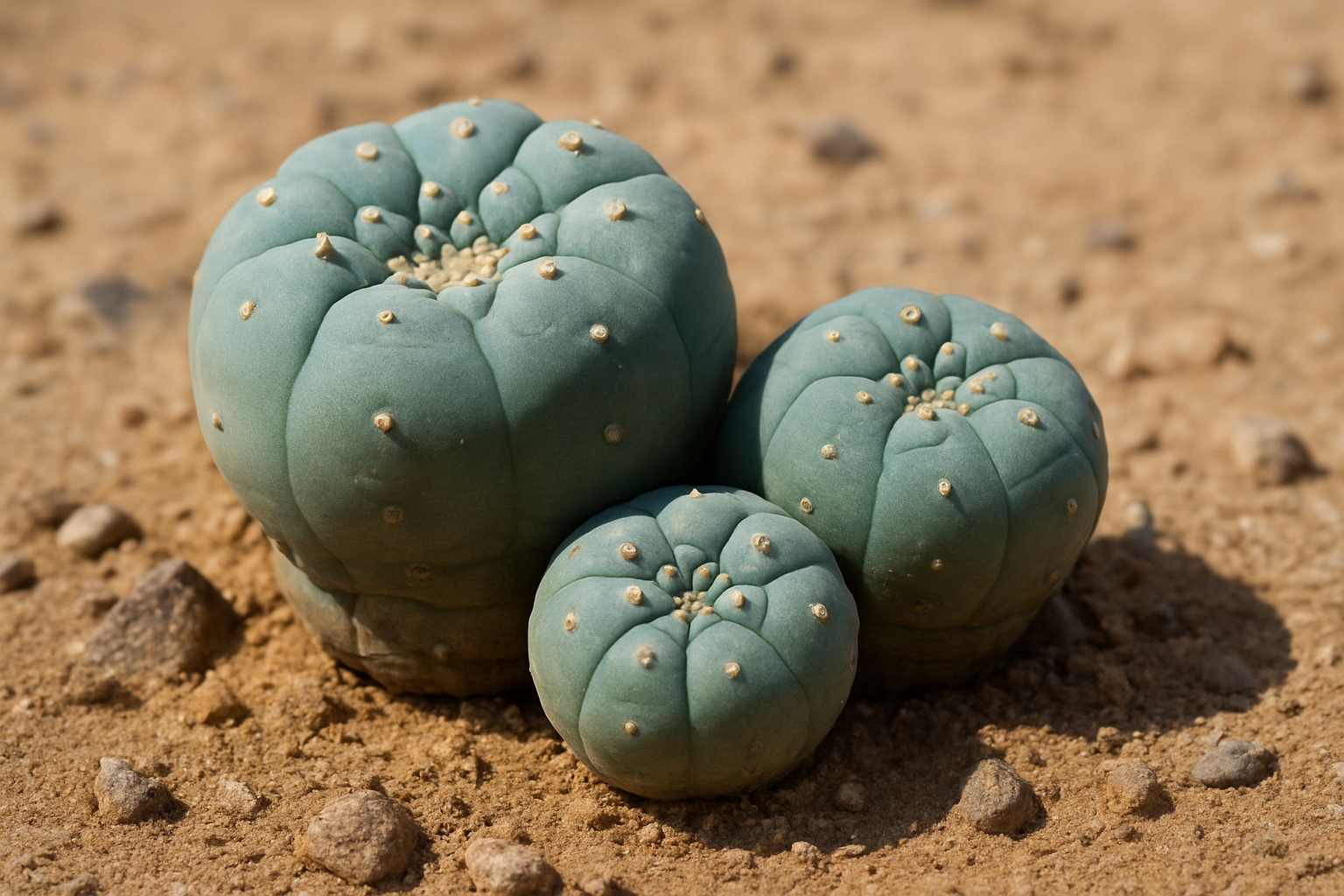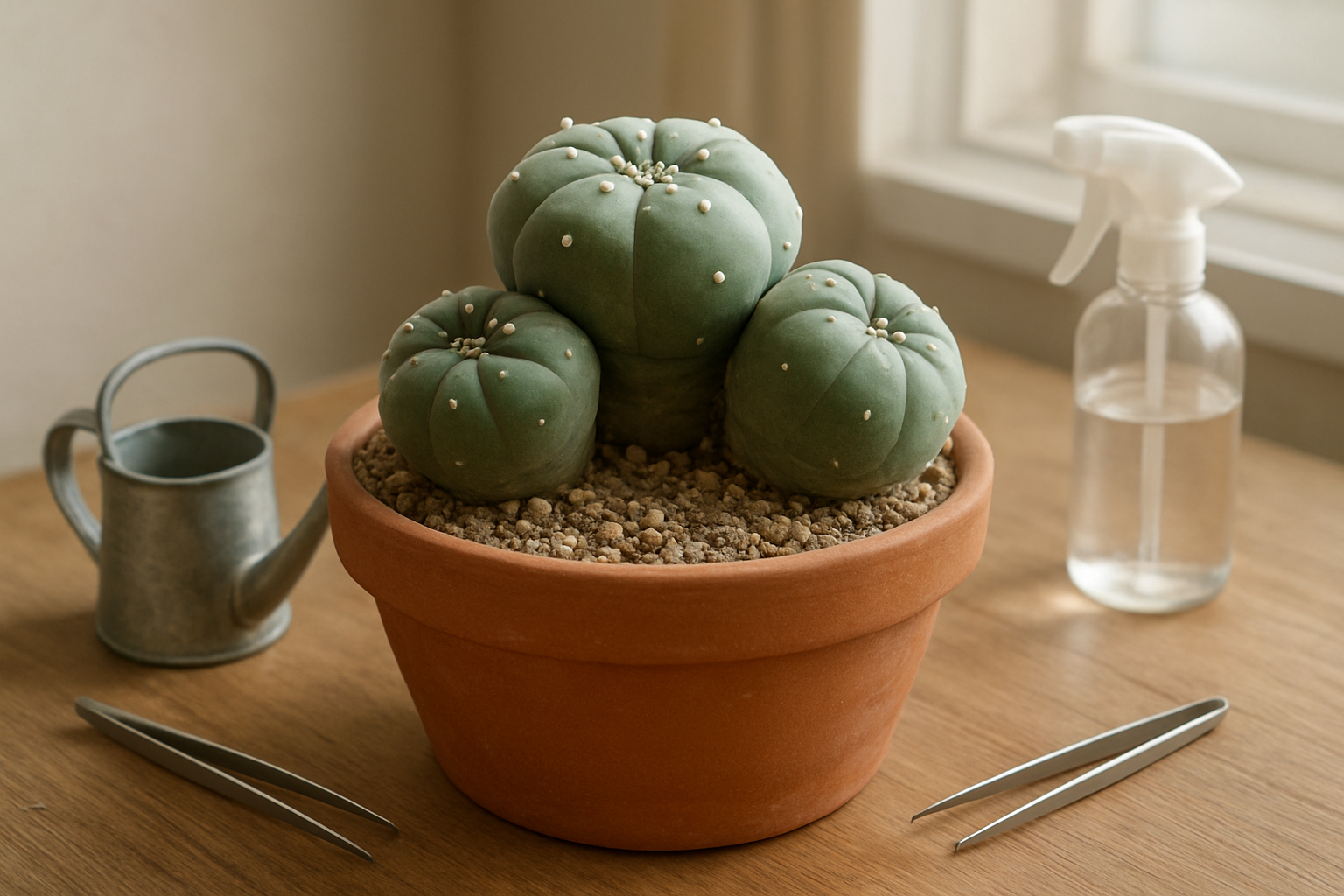
microdosing psychedelics

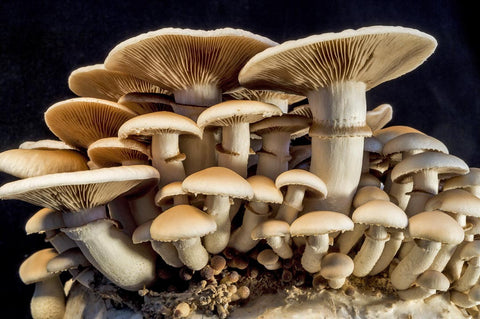
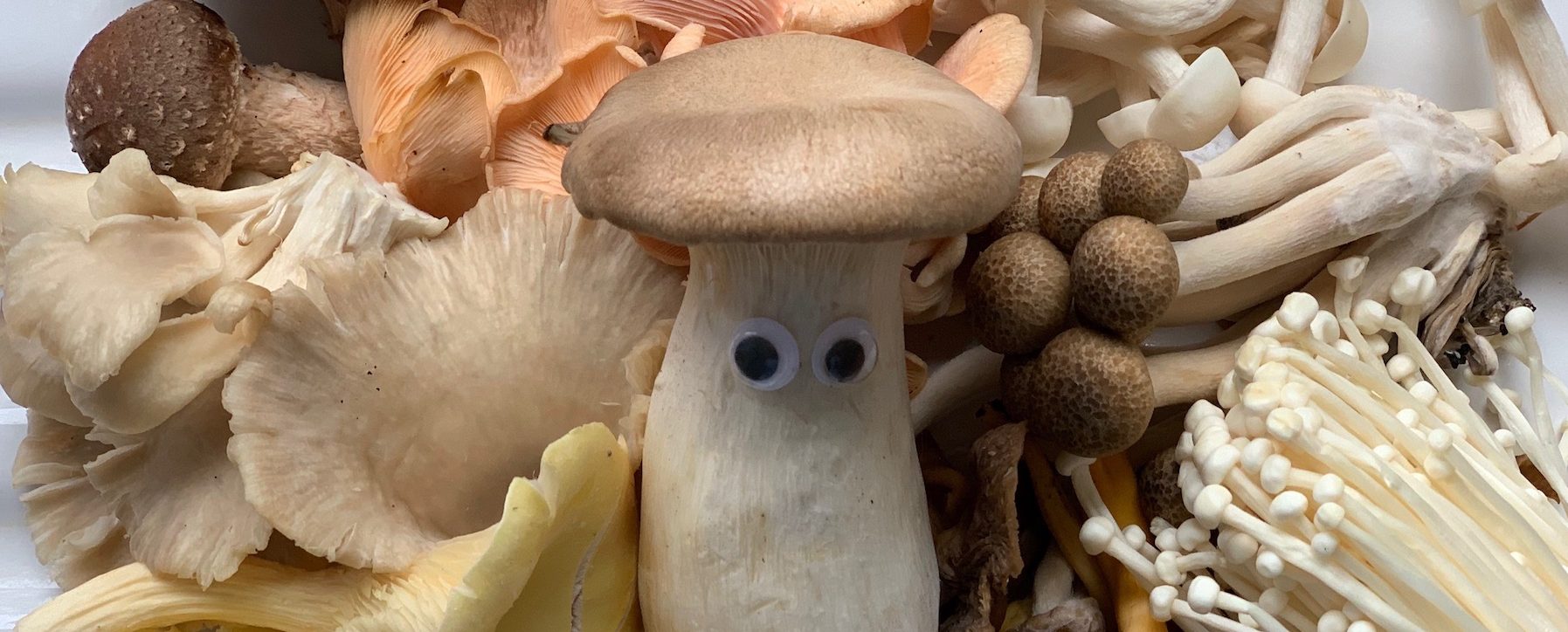
5 Ways to Choose Magic Mushrooms from a Trusted Shop Online

5 Ways to Choose Magic Mushrooms from a Trusted Shop Online

Before you ever think about buying magic mushrooms online, you must understand the legal status of psilocybin in your region. In most countries and U.S. states, psilocybin remains illegal or only permitted within tightly regulated medical or retreat‑style frameworks, not for casual retail sale and home use.

A truly trusted shop will clearly explain which jurisdiction it operates in, what is legal there (for example, truffles instead of mushrooms in the Netherlands, or retreat/therapy models in countries like Jamaica or specific U.S. states), and what kind of products or services are allowed. They will never claim “worldwide legal shipping” for psilocybin mushrooms, because that conflicts with most national and international drug laws.

If a site promises to ship high‑dose magic mushrooms anywhere in the world without mentioning local laws, that is a red flag for both safety and credibility.

5 Ways To Choose Magic Mushrooms From A Trusted Shop Online

2. Prioritize Education, Harm Reduction and Transparency

A reliable, legality‑compliant psychedelic website puts education and harm reduction front and center instead of aggressive sales. This means detailed, honest information about risks, potential benefits under medical supervision, possible interactions and contraindications, as well as links to current scientific research and evolving policies.

A trustworthy shop or service will:

  • Emphasize that psilocybin is not risk‑free and is not suitable for everyone.

  • Encourage psychological preparation, integration and support, especially in therapeutic or retreat contexts.

  • Acknowledge that psilocybin is still illegal or highly regulated in many places and advise readers to follow local laws.

This educational focus shows that the platform cares about long‑term well‑being rather than simply pushing product at any cost.

3. Look For Legal, Structured Settings (Therapy, Retreats, Research)

Because open retail sales of magic mushrooms are generally not legal, a safe and legitimate way to access psilocybin today is often through structured settings where they are permitted—such as licensed clinics, retreats, or research programs in jurisdictions that allow them.

Examples include:

  • Supervised service centers and facilitators in specific U.S. states that have adopted regulated psilocybin models.

  • Legally operating retreats in countries where psilocybin‑containing products are allowed or not explicitly prohibited.

  • Approved clinical trials or medical programs for psilocybin‑assisted therapy, under strict protocols.

A serious, trusted shop or platform will clearly indicate if it is offering educational material, legal retreat bookings, integration support, or other services that remain within the law, instead of encouraging illicit trafficking.

4. Demand Scientific, Ethical and Testing Standards

Any organization associated with Magic Mushrooms from trusted shop ecosystems should align with evolving scientific, medical, and ethical standards. Psilocybin is being actively researched for depression, PTSD, addiction and other conditions, but access is typically limited to structured programs rather than casual online orders.

Ethically aligned providers will:

  • Highlight peer‑reviewed evidence and clear limitations instead of miracle‑cure marketing.

  • Promote screening for vulnerabilities such as psychosis risk, certain psychiatric histories or drug interactions.

  • Describe quality‑control measures and, where relevant, lab‑testing practices for products or truffles legal in their jurisdiction.

If a website skips scientific nuance, makes exaggerated health claims or ignores possible harms, that is a sign that it is not a genuinely trusted source.

5. Why Psychedelic‑Today.com Is a Trust‑Building Resource (Non‑Soliciting)

5. Why Psychedelic‑Today.com Is A Trust‑Building Resource (Non‑Soliciting)

Given the complex and fast‑changing legal status of psilocybin worldwide, what many users actually need first is clear, grounded information and responsible guidance—not a shopping cart.

Your website, https://psychedelic-today.com/, can position itself as a trusted place to:

  • Learn about current laws, decriminalization and medical models in different regions, with frequent updates.

  • Understand evidence‑based uses of psilocybin and where therapy or retreats may be legally accessed.

  • Explore integration practices, mental‑health considerations, preparation tips and safe‑use principles in jurisdictions where psychedelics are allowed.

By emphasizing legal compliance, education, and harm reduction, your site can become a trusted hub for people interested in psychedelics—without promoting illegal purchases or unregulated shipping of magic mushrooms

Choose Magic Mushrooms | Choose Magic Mushrooms | Choose Magic Mushrooms | Choose Magic Mushrooms | Choose Magic Mushrooms | Choose Magic Mushrooms | Choose Magic Mushrooms | Choose Magic Mushrooms | Choose Magic Mushrooms | Choose Magic Mushrooms | Choose Magic Mushrooms | Choose Magic Mushrooms

Buy Peyote

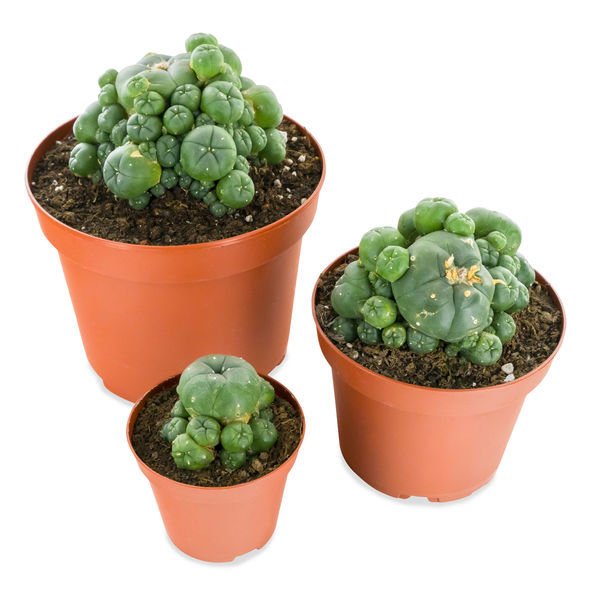
Lophophora Williamsii Peyote Cactus (3 Heads)

Lophophora Williamsii Peyote Cactus (3 Heads)

The Lophophora Williamsii Peyote Cactus (3 Heads) represents one of nature’s most fascinating botanical mutations, where a single cactus develops multiple growing points to create an extraordinary specimen. This guide is designed for serious collectors, growers, and plant enthusiasts who want to understand the unique characteristics and care requirements of these rare three-headed peyote specimens.

These multi-headed mutations occur naturally when the main growing tip splits or when stress triggers the development of additional crowns. Unlike typical peyote cacti that grow as single-headed specimens, three-headed varieties showcase the plant’s remarkable ability to adapt and create multiple flowering centers from one root system.

We’ll explore the growth characteristics that make these specimens so special and examine the specific cultivation requirements needed to maintain healthy multi-headed plants. You’ll also discover how alkaloid content and collector value differ in these unique mutations, giving you the complete picture of what makes three-headed Lophophora Williamsii such prized additions to any serious collection.

Understanding Lophophora Williamsii Three-Headed Mutations

Lophophora Williamsii Peyote Cactus (3 Heads)

Rare genetic variations creating multiple flowering heads

The formation of three-headed Lophophora Williamsii Peyote Cactus specimens represents one of the most fascinating genetic variations in the peyote world. These mutations occur through different mechanisms, with dichotomous branching being the primary cause of multiple head formation. In dichotomous development, a single growth point splits to create two distinct heads, while additional heads may emerge as basal pups from the main body of the plant.

Three-headed specimens are considered exceptionally rare in cultivation, making them highly sought after by collectors and researchers alike. The genetic variation can manifest as trichotomous branching, where three heads develop simultaneously from a single point, or through a combination of dichotomous splitting with additional pup formation. These mutations are distinct from cresting (cristata) formations, which create fan-shaped growth patterns rather than individual flowering heads.

Natural stretching process forming distinct head formations

The development of multiple heads in Lophophora Williamsii involves a unique stretching process that transforms the plant’s typical single-head structure. During this remarkable transformation, the original plant body begins to elongate and stretch as new head formations emerge. This stretching is fundamentally different from normal pup development, as it involves the modification of the existing plant structure rather than simple offset production.

Documented cases show plants that appeared normal for decades before suddenly beginning this stretching transformation. The process can be quite dramatic, with mature specimens developing multiple perfectly formed flowering heads within a relatively short timeframe. Each new head maintains its ability to produce flowers and seed pods, creating a multi-functional organism from what was once a single-headed plant. The stretching process often continues over time, with some specimens developing additional heads even after the initial mutation has stabilized.

Comparison to typical single-headed peyote specimens

Standard Lophophora Williamsii Peyote Cactus specimens typically maintain a single, dome-shaped head throughout their entire lifespan, producing pups as separate offset growth around the base. In contrast, three-headed mutations create multiple flowering centers that remain connected to the original plant body through the stretched tissue formation.

Feature Single-Headed Specimens Three-Headed Mutations
Growth Pattern Single dome with basal pups Multiple connected heads
Flowering Capacity One flowering center Three independent flowering centers
Seed Production Limited to single head Triple flowering potential
Physical Structure Compact, round form Extended, multi-lobed appearance
Rarity Common Extremely rare

The flowering capacity of three-headed specimens is significantly enhanced compared to their single-headed counterparts. Each head functions independently, producing flowers and seed pods on its own schedule, resulting in nearly continuous flowering throughout the growing season. This increased reproductive capacity makes these mutations particularly valuable for seed production, as they can generate three times the amount of viable seeds compared to standard specimens.

Growth Characteristics and Development Patterns

Lophophora Williamsii Peyote Cactus

Typical Size Reaching Thirteen Centimeters Across at Maturity

The Lophophora Williamsii Peyote Cactus develops through distinct growth stages, gradually expanding from small seedlings to mature specimens. These remarkable desert dwellers demonstrate a measured approach to development, with mature plants reaching impressive dimensions when provided with optimal growing conditions.

In their natural habitat, peyote plants can take up to 30 years to reach the size of a golf ball, highlighting their extremely slow but steady growth pattern. Under controlled cultivation conditions, mature specimens typically achieve diameters ranging from 2-5 cm in their button-like formation. However, exceptional specimens can develop significantly larger proportions, with some reaching up to thirteen centimeters across when allowed to mature fully.

The growth timeline varies dramatically between wild and cultivated environments. While natural specimens require fifteen to twenty-five years to reach flowering maturity, controlled conditions can accelerate this process, with plants achieving maturity in as little as four to five years. This acceleration allows cultivated specimens to reach their full size potential more efficiently.

Growth Stage Timeline (Wild) Timeline (Cultivated) Size Range
Seedling 2-3 weeks 2-3 weeks Initial emergence
Button formation 1 year 1 year 1-2 cm
Color development 2 years 1-2 years 2-3 cm
Mature size 15-25 years 4-5 years 5-13 cm

Prolific Pupping Behavior Throughout the Plant’s Lifetime

The multi-headed varieties of Lophophora Williamsii demonstrate remarkable pupping behavior that continues throughout their entire lifespan. This natural reproduction method allows mature plants to generate numerous offspring, creating the characteristic clustered appearance that makes three-headed specimens particularly valuable to collectors.

Pupping typically occurs when plants reach sufficient maturity and have established robust root systems. The process involves the development of small offsets around the base of the main plant body, which gradually develop into independent growing points while remaining connected to the parent plant through shared root networks.

This reproductive strategy serves multiple purposes in the plant’s survival mechanism:

  • Risk distribution: Multiple heads reduce the impact of environmental stress on individual growing points

  • Resource sharing: Connected root systems allow sharing of water and nutrients between heads

  • Genetic preservation: Ensures species continuation even if individual heads are damaged

  • Territory expansion: Allows the plant to occupy more growing space over time

The pupping process intensifies during optimal growing conditions, particularly when plants receive adequate water during their active growing season and proper dormancy periods during winter months. Temperature ranges between 70-90°F (21-32°C) promote the most prolific pupping behavior, while consistent care practices encourage steady offset development.

Self-Pollinating Capabilities of Northern Varieties

Northern varieties of Lophophora Williamsii have developed remarkable self-pollinating capabilities that distinguish them from their southern counterparts. This adaptation allows these plants to reproduce successfully even in isolated growing conditions, making them particularly valuable for cultivation purposes.

The self-pollination process occurs during the plant’s flowering period, which typically extends from March to May and can continue as late as September under favorable conditions. These northern varieties produce small pink or white flowers during summer months when they reach maturity, usually after 5-10 years under ideal cultivation conditions.

Self-pollinating capabilities provide several advantages for northern varieties:

  • Independence: No requirement for cross-pollination from other plants

  • Genetic stability: Maintains consistent characteristics across generations

  • Cultivation benefits: Allows seed production in isolated growing environments

  • Survival advantage: Ensures reproduction in harsh northern climates where pollinators may be scarce

The flowers of northern varieties contain both male and female reproductive organs, enabling successful fertilization within individual blooms. This hermaphroditic characteristic ensures that even single plants can produce viable seeds, contributing to the species’ resilience in challenging environments.

During the flowering season, plants require careful attention to environmental conditions. Maintaining temperatures between 70-90°F (21-32°C) and providing adequate but not excessive moisture supports optimal flower development and successful seed formation. The self-pollinating nature of these northern varieties makes them particularly appealing to cultivators interested in propagation through seed collection.

Cultivation Requirements and Growing Success

Lophophora Williamsii Https://Psychedelic-Today.com/

Fast germination from fresh seeds under proper conditions

Lophophora Williamsii Peyote Cactus seeds require specific preparation techniques to achieve optimal germination rates. The most effective approach involves soaking seeds in warm water for several hours or overnight before planting. This critical step helps soften the seed coat and significantly enhances germination rates, providing the foundation for successful cultivation.

When planting, the tiny peyote seeds should be sown directly on top of a well-prepared soil mixture without burying them deeply. The delicate nature of these seeds requires gentle handling – simply press them lightly into the surface to ensure contact with the growing medium. After planting, mist the soil surface lightly to provide initial moisture without creating waterlogged conditions that could lead to seed rot.

The germination environment must maintain consistent moisture levels while avoiding overwatering. Allow the soil to dry out slightly between light waterings, as excessive moisture poses the greatest threat to successful seed germination. This careful balance mimics the natural arid conditions where Lophophora Williamsii naturally thrives.

Maturity and flowering achieved within eighteen months

Under optimal growing conditions, properly cultivated peyote cacti can reach sexual maturity and begin flowering within eighteen months of germination. This relatively rapid development timeline represents ideal circumstances where all environmental factors align perfectly.

The flowering stage marks a significant milestone in the plant’s development cycle. When mature, these cacti produce delicate pink flowers that eventually develop into club-shaped, edible pink berries. This reproductive capability indicates that the plant has established robust root systems and adequate energy reserves for sustained growth.

However, achieving this accelerated timeline requires unwavering attention to cultivation details and environmental consistency throughout the growth period.

Optimal lighting and environmental conditions for healthy development

Successful Lophophora Williamsii cultivation demands precise environmental control to replicate native growing conditions. The optimal temperature range spans between 70°F and 90°F (21°C to 32°C) during the active growing season. While these cacti can tolerate brief exposure to temperatures near freezing, extended cold periods will severely damage or kill the plants.

Lighting requirements center on providing bright, indirect sunlight rather than intense direct exposure. A south-facing window location or outdoor spots with partial shade typically offer suitable light conditions. Direct sunlight can cause sunburn damage, compromising the plant’s health and development potential.

The growing medium must consist of well-draining soil that prevents water retention. An effective mixture combines approximately 50% mineral-based soil with 50% coarse sand or perlite. This composition replicates the arid, fast-draining conditions of the plant’s natural habitat.

Watering practices should reflect the plant’s desert origins – water sparingly and allow complete soil drying between applications. During the growing season, maintain slightly moist soil conditions, but reduce watering frequency significantly during winter dormancy periods.

Alkaloid Content and Potency Factors

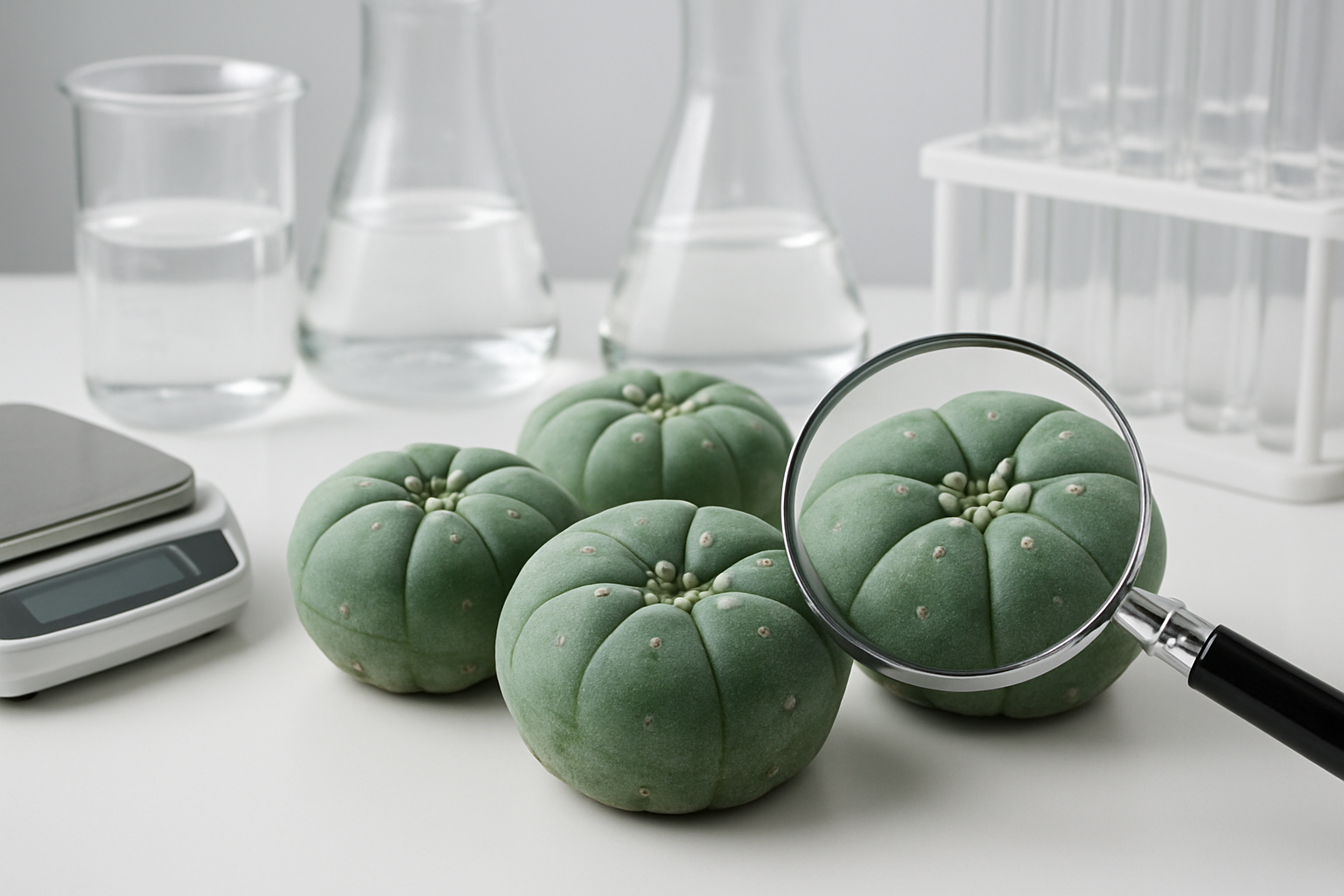
Create A Realistic Image Of A Close-Up View Of Three Lophophora Williamsii Peyote Cacti With Their Distinctive Button-Like Heads, Surrounded By Scientific Laboratory Equipment Including Glass Beakers With Clear Solutions, A Precision Scale, Test Tubes In A Rack, And A Magnifying Glass Examining The Cactus Surface, Set On A Clean White Laboratory Bench With Soft, Even Lighting That Highlights The Cacti'S Natural Green Coloration And The Transparency Of The Glassware, Creating A Scientific Research Atmosphere. Absolutely No Text Should Be In The Scene.

Mescaline concentration ranging from fifteen to thirty percent

The alkaloid composition of Lophophora Williamsii demonstrates remarkable complexity, with mescaline representing approximately thirty percent of the total alkaloid content. Within dried peyote specimens, the average mescaline content ranges from 3-6% of the total plant material, though this concentration can vary significantly based on multiple environmental and biological factors. Each dried button typically contains approximately 45 mg of mescaline, making it a potent source of this phenylethylamine alkaloid.

The concentration levels found in three-headed specimens can range from 1% to 6% mescaline content by dry weight, with some mature specimens achieving the higher end of this spectrum. This variability makes proper identification and understanding of individual specimen potency crucial for collectors and researchers working with these unique cacti.

Environmental stress impact on alkaloid production levels

Now that we understand the baseline concentrations, environmental stress factors play a crucial role in determining final alkaloid levels in Lophophora Williamsii specimens. Climatic conditions, soil composition, and seasonal variations directly influence the plant’s chemical defense mechanisms, leading to increased mescaline production under stress conditions.

Temperature fluctuations, particularly exposure to extreme heat or cold cycles, trigger enhanced alkaloid synthesis as the cactus adapts to survive harsh conditions. Similarly, nutrient-poor soils force the plant to concentrate its chemical resources, often resulting in higher alkaloid densities per gram of plant material. The timing of harvest also significantly affects potency, with specimens collected during periods of environmental stress showing elevated mescaline concentrations compared to those harvested during optimal growing conditions.

Age and drought conditions enhancing chemical concentration

With this understanding of environmental factors in mind, the age of three-headed Lophophora Williamsii specimens represents perhaps the most significant factor in alkaloid concentration. Mature specimens, particularly those that have survived multiple drought cycles, demonstrate substantially higher mescaline levels than younger plants. In wild conditions, it takes up to 30 years for these cacti to reach golf ball size and begin flowering, during which time alkaloid concentrations steadily increase.

Drought conditions specifically enhance chemical concentration through multiple mechanisms. Water stress forces the plant to reduce cellular volume while maintaining alkaloid levels, effectively concentrating these compounds. Additionally, prolonged drought periods trigger survival responses that increase mescaline production as part of the plant’s chemical defense system. Three-headed specimens, having survived the stress that created their unique morphology, often exhibit enhanced alkaloid profiles compared to single-crowned individuals of similar age.

The relationship between age and potency becomes particularly pronounced in specimens over 15-20 years old, where sustained environmental pressures have allowed for optimal alkaloid development and concentration throughout the plant tissue.

Unique Specimen Features and Collector Value

Multiple Head Formations Creating Distinctive Appearances

Multi-headed Lophophora Williamsii specimens exhibit extraordinary visual characteristics that distinguish them from their single-crowned counterparts. These formations develop through natural genetic variations or environmental stresses that cause the growing tip to split into multiple meristems. Each head maintains its own distinct ribbing pattern and areole arrangement, creating a captivating geometric display that collectors find irresistible.

The asymmetrical growth patterns mirror the principles observed in rare mineral specimens, where one section may develop more prominently than others. This natural variation gives each three-headed peyote cactus its signature appearance, with heads ranging from perfectly symmetrical arrangements to more organic, flowing formations that seem to emerge organically from the plant’s base.

Continuous Flower and Seed Production Capabilities

With multiple growing points active simultaneously, three-headed specimens demonstrate exceptional reproductive potential compared to single-headed plants. Each crown can produce its characteristic pink to white flowers independently, creating extended blooming periods throughout the growing season. This enhanced flowering capacity significantly increases seed production opportunities for propagation purposes.

The staggered flowering cycles across the three heads ensure that collectors can enjoy blooms for extended periods, with each head potentially flowering at different times during optimal growing conditions. This continuous reproductive activity makes these specimens particularly valuable for those interested in cultivation and seed collection programs.

Variegated and Cristate Specimens Requiring Extended Growing Periods

The most coveted three-headed Lophophora Williamsii specimens often display additional mutations such as variegation or cristate growth patterns. These rare characteristics, combined with the multi-headed formation, create specimens that require decades to develop their full distinctive features. Variegated specimens showcase striking color variations across their surface, with portions displaying altered chlorophyll production that creates unique aesthetic patterns.

Cristate or “crested” forms develop fan-like growth patterns that, when combined with multiple heads, produce some of the most extraordinary specimens in cultivation. These complex mutations demand extended growing periods to fully express their unique characteristics, with some specimens requiring 15-20 years or more to reach their full ornamental potential. The rarity of these combined traits makes such specimens exceptionally valuable to serious collectors who appreciate the patience required for their development.

Care and Maintenance for Multi-Headed Varieties

Lophophora Williamsii Peyote Cactus (3 Heads)

Special Considerations for Mutation Specimens

Multi-headed Lophophora Williamsii specimens require specialized care approaches that differ significantly from their single-headed counterparts. These mutations are particularly sensitive to environmental fluctuations and demand consistent temperature control between 70-90 degrees Fahrenheit. The multiple crowns create increased surface area exposure, making these specimens more vulnerable to temperature stress and requiring protection from temperatures below 40 degrees F.

The rootstock supporting multiple heads faces increased nutritional demands, necessitating a well-draining planting mix consisting of 1-part black lava sand, 1-part small pumice, 1-part zen sand (calcium carbonate/limestone pebbles), and ½-part worm castings. This rocky composition prevents root rot while providing adequate nutrients for the enhanced metabolic requirements of multi-headed varieties. Regular foliar feeding with bloom formulas high in calcium phosphate becomes crucial, as the expanded crown structure requires additional phosphorous for healthy development.

Watering Protocol for Multi-Headed Varieties:

  • Use slightly acidic 5.1 pH water to enhance mineral availability

  • Water twice weekly during hot summer months

  • Mist daily with plant food solution for optimal nutrient absorption through stomata

  • Implement complete watering cessation during dormancy periods

Harvesting Timing for Seed Production Optimization

Now that we understand the special care requirements, the timing of seed production becomes critical for maintaining healthy multi-headed specimens. Peyote flowers appear approximately one week after thorough watering, with mature plants responding to rainfall patterns. For multi-headed varieties, coordinate flowering across all crowns by maintaining consistent moisture levels throughout the growing season.

The pollination process requires careful attention to each individual crown. Using a small #2 paintbrush, gently transfer pollen from the androecium of the stamen into the pistils of each flower. This cross-pollination between heads on the same plant often produces more viable seeds due to the genetic stability of mutation specimens.

Seed Development Timeline:

  • Flower appearance: 7 days post-watering

  • Pollination window: 2-3 days after flower opening

  • Berry formation: 3-5 days post-pollination

  • Ripening period: Several weeks to months

  • Harvest timing: When pods are completely dry and shriveled

Each flower produces 6-30 seeds in a single fruit, with multi-headed specimens potentially yielding hundreds of seeds per growing season. The central tuft of each crown may harbor loose seeds, requiring careful inspection during maintenance. Fresh seeds demonstrate higher viability rates and should be planted immediately when proper germination conditions are available.

Long-term Care for Mature Collector Plants

With proper harvesting techniques established, mature multi-headed collector specimens require specialized long-term maintenance strategies. These valuable plants can live for decades with appropriate care, making them prized additions to serious collections. The slow-growing nature means that multi-headed varieties take 10-30 years to reach full maturity, with some specimens developing additional heads over time.

Advanced Care Protocols:

Mature multi-headed specimens benefit from quarterly preventive pest management using organic insecticides. Apply 70% Neem oil as a foliar spray in two applications spaced 10-14 days apart, followed by Monterey Spray with Spinosad using the same schedule. Spider mites pose particular threats to mature specimens, as their increased surface area provides more breeding opportunities for these destructive pests.

The crown cut harvesting technique proves especially valuable for collector specimens, allowing sustainable button harvest while preserving the mother plant. Using a ¾” hole-making drill bit and sharp knife, remove the apical meristem from selected crowns, leaving green tissue around the base. This technique ensures rapid recovery while maintaining the plant’s collector value.

Seasonal Care Adjustments:

  • Summer: Increase watering frequency, provide shade cloth protection

  • Winter: Reduce watering, maintain temperatures above 45°F

  • Spring: Resume regular feeding schedule, inspect for pest activity

  • Fall: Gradually reduce watering, prepare for dormancy period

Environmental stability becomes paramount for long-term success. Maintain consistent humidity levels and provide adequate air circulation to prevent fungal diseases. Multi-headed specimens should be grown under artificial lighting on timers to maximize light cycles without the burning effects of direct sunlight, as these mutations often prove more light-sensitive than standard varieties.

7 FAQ

What makes three-headed Lophophora Williamsii specimens so special?

Three-headed Lophophora Williamsii cacti represent rare genetic mutations where multiple growth points develop from a single root system. These specimens showcase unique symmetrical patterns and increased surface area for photosynthesis. Collectors prize them for their distinctive appearance, slower growth rates, and the fascinating way each head develops its own character while sharing resources through the common root structure.

How long does it take for three heads to fully develop?

Multi-headed peyote cacti typically require 5-10 years to develop distinct, well-formed heads from initial mutation points. Growth depends heavily on environmental conditions, with optimal temperature, light, and watering schedules accelerating development. Each head grows at slightly different rates, creating natural size variations that add to the specimen’s visual appeal and collector value over time.

Do three-headed specimens require different care than single cacti?

Three-headed varieties need slightly modified watering schedules since multiple growth points increase water uptake during active growing seasons. Space each head adequately to prevent crowding and ensure proper air circulation. Use wider, shallower pots to accommodate the broader root spread. Monitor each head individually for signs of stress, rot, or pest issues, as problems can spread between connected heads.

Are alkaloid levels different in multi-headed specimens?

Multi-headed Lophophora Williamsii typically concentrate similar alkaloid levels per gram of plant material compared to single specimens. However, the total alkaloid content increases proportionally with the additional plant mass. Each head produces its own alkaloid profile, though concentrations remain consistent with typical peyote ranges. The shared root system helps distribute nutrients evenly between heads.

How much should I expect to pay for a three-headed specimen?

Three-headed Lophophora Williamsii specimens command premium prices ranging from $200-800 depending on size, age, and head symmetry. Well-established specimens with balanced, mature heads cost significantly more than younger mutations. Rare four or five-headed specimens can reach $1000+. Price factors include overall health, root development, provenance, and the specimen’s photogenic qualities for collectors.

Can I propagate additional heads from my three-headed cactus?

Three-headed specimens occasionally produce additional growth points or offsets that can develop into new heads naturally. Forced division rarely succeeds and risks damaging the entire plant. Instead, provide optimal growing conditions and patience – some specimens spontaneously develop fourth or fifth heads over decades. Grafting techniques can potentially encourage new growth points, though this requires advanced horticultural skills.

What are common problems with multi-headed varieties?

Multi-headed Lophophora Williamsii face increased risks of fungal infections due to moisture retention between heads and uneven drying. Root rot spreads quickly through the shared system, potentially killing all heads simultaneously. Overcrowding causes etiolation and weak growth. Pest infestations like scale insects hide easily between heads. Regular inspection, proper spacing, and careful watering prevent most issues.

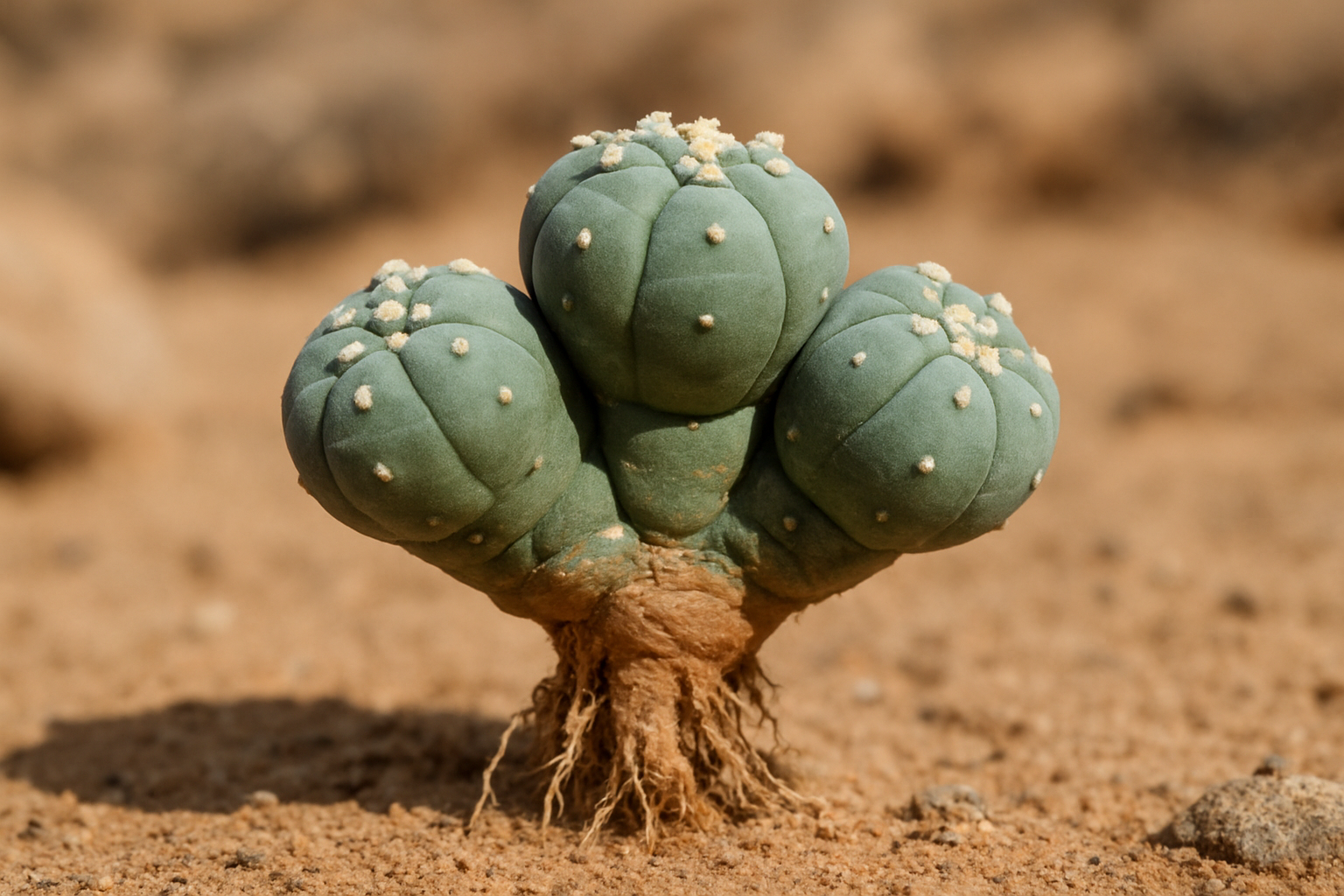
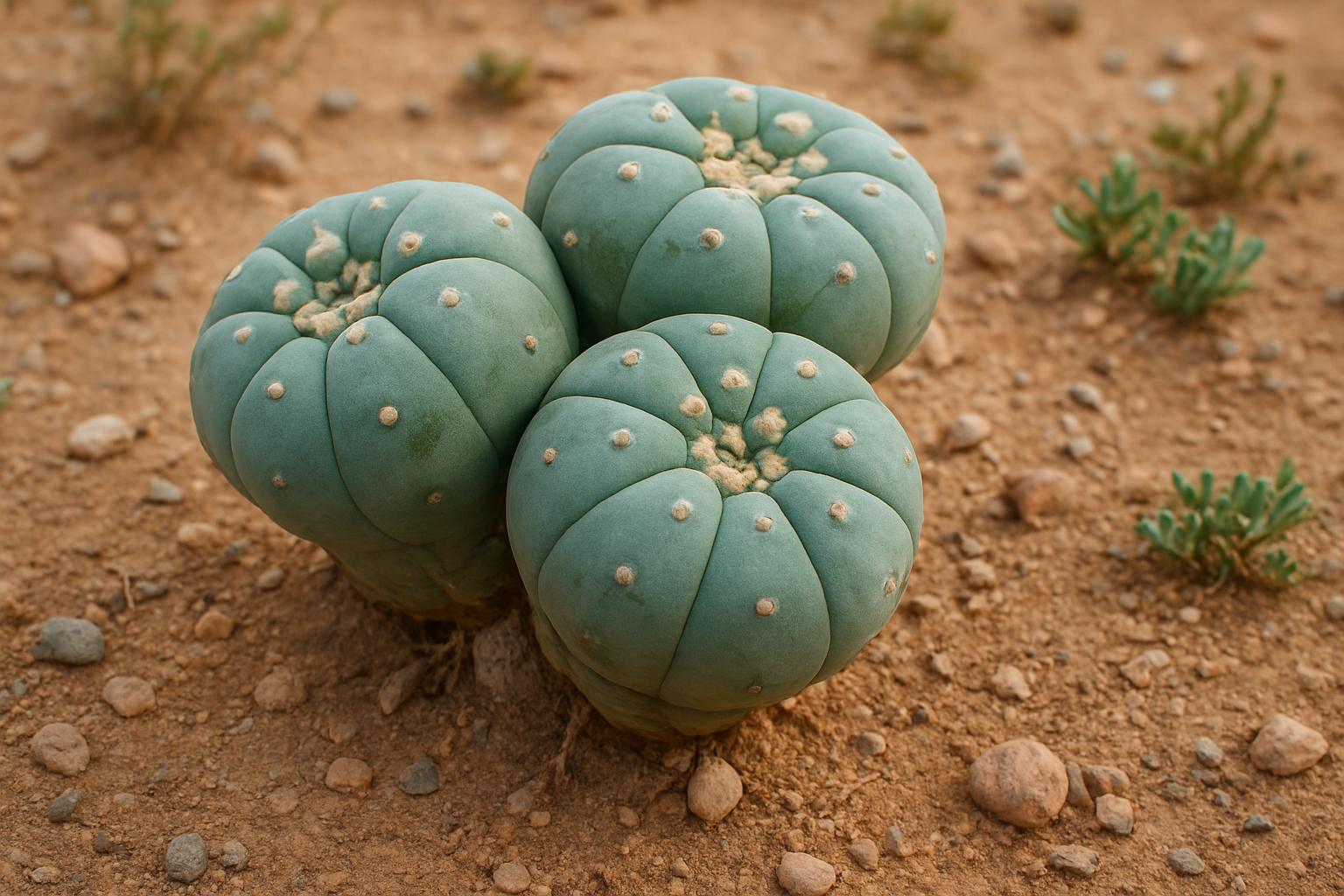
Create A Realistic Image Of A Mature Lophophora Williamsii Peyote Cactus With Three Distinct Heads Growing From A Single Root System, Positioned On Natural Desert Soil With Small Rocks And Pebbles, Featuring The Characteristic Blue-Green Ribbed Surface And Woolly Areoles, Surrounded By Subtle Desert Vegetation Like Small Succulents In Soft Natural Lighting That Highlights The Texture And Unique Three-Headed Formation, Captured From A Slight Overhead Angle To Showcase All Three Heads Clearly, With Warm Earth Tones And A Peaceful Botanical Atmosphere. Absolutely No Text Should Be In The Scene.

Three-headed Lophophora williamsii specimens represent some of the most fascinating mutations in the cactus world. These rare formations combine the robust characteristics of typical peyote with unique growth patterns that make each plant a living work of art. Whether you’re drawn to their collector value, intrigued by their enhanced alkaloid potential, or simply appreciate their distinctive appearance, multi-headed varieties offer an extraordinary growing experience that rewards patience with years of continuous development and flowering.

The cultivation journey with these special specimens requires dedication to proper soil drainage, controlled watering, and stable environmental conditions. Success comes from understanding that these mutations often grow more slowly than standard varieties but compensate with their remarkable longevity and prolific flowering patterns. For serious collectors and enthusiasts, a three-headed Lophophora williamsii represents not just a plant, but a decades-long partnership that will continue evolving and surprising you with new growth patterns, abundant seed production, and the deep satisfaction that comes from nurturing one of nature’s most unique botanical treasures.

Lophophora Williamsii Peyote Cactus | Lophophora Williamsii Peyote Cactus | Lophophora Williamsii Peyote Cactus | Lophophora Williamsii Peyote Cactus | Lophophora Williamsii Peyote Cactus | Lophophora Williamsii Peyote Cactus | Lophophora Williamsii Peyote Cactus | Lophophora Williamsii Peyote Cactus | Lophophora Williamsii Peyote Cactus | Lophophora Williamsii Peyote Cactus | Lophophora Williamsii Peyote Cactus | Lophophora Williamsii Peyote Cactus | Lophophora Williamsii Peyote Cactus | Lophophora Williamsii Peyote Cactus | Lophophora Williamsii Peyote Cactus | Lophophora Williamsii Peyote Cactus | Lophophora Williamsii Peyote Cactus | Lophophora Williamsii Peyote Cactus | Lophophora Williamsii Peyote Cactus | Lophophora Williamsii Peyote Cactus | Lophophora Williamsii Peyote Cactus | Lophophora Williamsii Peyote Cactus | Lophophora Williamsii Peyote Cactus | Lophophora Williamsii Peyote Cactus | Lophophora Williamsii Peyote Cactus | Lophophora Williamsii Peyote Cactus | Lophophora Williamsii Peyote Cactus | Lophophora Williamsii Peyote Cactus | Lophophora Williamsii Peyote Cactus | Lophophora Williamsii Peyote Cactus | Lophophora Williamsii Peyote Cactus | Lophophora Williamsii Peyote Cactus | Lophophora Williamsii Peyote Cactus | Lophophora Williamsii Peyote Cactus

Next Level 100% Mycelium B+ Magic Mushroom Grow Kit Guide

San Diego Psilocybin Society

What Is the San Diego Psilocybin Society?

The San Diego Psilocybin Society is a community group in San Diego that brings together people interested in psilocybin and other psychedelic medicines for healing, integration, and conscious growth. It operates as a network of like‑minded members—healers, guides, and peers—who see plant medicines as legitimate tools for physical, emotional, and spiritual well‑being.

Their gatherings and services include integration circles, workshops, guided meditations, and other supportive offerings aimed at helping people integrate psychedelic experiences into their everyday lives. Rather than providing substances, the society focuses on education, spiritual context, and ongoing support so individuals can make more grounded and informed decisions.

Psychedelic Research Shows Promise For Neurological Conditions | The  Scientist

Why the San Diego Psilocybin Society Matters

1. Normalizing Psychedelic Healing in a Scientific City

San Diego already hosts world‑class psychedelic research at institutions like UC San Diego, where teams study psilocybin’s potential for treating pain, depression, anxiety, and addiction. The San Diego Psilocybin Society complements this scientific work at the grassroots level by giving ordinary people a place to talk about their experiences, hopes, and fears around psychedelics in plain language.

By creating public-facing spaces—online and offline—the group helps reduce stigma and connects community members to evidence‑informed perspectives on psilocybin, rather than leaving them to navigate misinformation or risky underground scenes alone.

2. Emphasis on Integration and Ongoing Support

Modern psychedelic therapy research has shown that integration—how people process, understand, and apply their experiences afterward—is a major factor in whether those experiences lead to lasting growth. The San Diego Psilocybin Society explicitly focuses on integration coaching, support circles, and one‑on‑one sessions to help people anchor insights into real‑world changes.

They offer things like guided meditation, integration coaching, sacred journey support, and energy‑work‑style services (for example, chakra‑oriented approaches) to help members weave psychedelic insights into daily habits and long‑term healing paths. That emphasis on “what happens after the trip” is crucial, especially in a landscape where more people are experimenting with psilocybin but may lack supportive, non‑judgmental communities.

3. A Holistic View of Health and Spirituality

The group describes itself as a family of like‑minded members who believe that “it is never just one thing that ails us, it is never just one thing that heals us,” pointing to a holistic model of health that includes physical, emotional, energetic, and spiritual dimensions. Research increasingly shows that psilocybin experiences often involve shifts in worldview, meaning, and connectedness, not just symptom reduction.

By acknowledging both the science and the spirituality of psychedelics, the San Diego Psilocybin Society offers a framework that honors clinical evidence while still making room for personal ritual, ceremony, and community belonging. For many people, this balance between neuroscience and mysticism is exactly what makes the integration feel complete.

What the San Diego Psilocybin Society Offers

What The San Diego Psilocybin Society Offers

Community, Events, and Support Circles

The San Diego Psilocybin Society organizes workshops, seminars, and support circles that help members deepen their understanding of psilocybin and other psychedelics. Activities include:

  • Educational workshops on psychedelic science and spirituality

  • New‑moon or regular support circles where people share experiences and receive peer support

  • Online (often Zoom‑based) integration meetings so people can connect remotely as well as in person

These recurring gatherings help members feel “held” by a community over time, not just on a single trip or retreat.

Integration Coaching and One‑on‑One Guidance

The society’s team includes healers, integration coaches, and facilitators who offer individualized sessions. They may help with:

  • Processing difficult or confusing psychedelic experiences

  • Designing microdosing or ritual practices that align with someone’s lifestyle (without supplying substances)

  • Supporting people who are intertwining psychedelic work with recovery, mental‑health challenges, or personal transformation journeys

This kind of tailored support reflects insights from psychedelic therapy research showing that guided, structured integration is associated with better long‑term outcomes.

Education With Clear Boundaries

Importantly, the San Diego Psilocybin Society is explicit that it does not provide or sell psilocybin products and that its information does not substitute for professional medical or legal advice. That clear boundary helps keep the focus on education, community, and integration rather than on sourcing or promoting substances in risky ways.

This approach parallels harm‑reduction and advocacy organizations like MAPS, which focus on education, research, and policy reform rather than directly supplying psychedelics, while still pushing to make safe, legal access possible.

How the Society Fits Into the Bigger Psychedelic Picture

How The Society Fits Into The Bigger Psychedelic Picture

Local Node in a Global Movement

Globally, we’re seeing a psychedelic renaissance: major universities and medical centers are exploring psilocybin‑assisted therapy for depression, existential anxiety, addiction, and PTSD. Organizations like MAPS have spent decades building the blueprint for integrating psychedelic healing into mainstream health systems.

The San Diego Psilocybin Society is a local expression of that movement—a place where everyday people can translate big research headlines into personal understanding and community practice. It’s where someone who reads about psilocybin trials at UCSD can then sit in a circle and talk about their fears, hopes, and lived experiences.
Supporting Safer, More Informed Use

By offering education and integration instead of underground supply, the society can encourage harm‑reduction behaviors: thoughtful set and setting, emotional preparation, post‑experience processing, and appropriate medical caution. This aligns with public‑health perspectives that see carefully supported psychedelic use as potentially transformative, but risky when isolated, rushed, or undertaken without context.

As more people experiment with psilocybin in informal settings, local groups like this help channel curiosity into safer, more informed, and more ethically grounded practice.
Why Mention Psychedelic‑Today in This Context?

Your site, Psychedelic‑Today (https://psychedelic-today.com/), can be framed as a trusted online companion to local communities like the San Diego Psilocybin Society. While the society offers in‑person and online support circles, Psychedelic‑Today can:

  • Curate harm‑reduction tools, educational articles, and integration resources that readers can access from anywhere.

  • Provide carefully vetted products (such as educational materials, test kits, journals, and other legal tools) that support safe, intentional psychedelic work—never promoting illegal drug sales.

  • Act as a centralized, legit, and trusted hub for people who discover groups like the San Diego Psilocybin Society and then want deeper, ongoing content and resources online.

In your blog post, you can naturally position Psychedelic‑Today as “your go‑to online platform” for trustworthy psychedelic education and supportive tools, complementing local community groups rather than competing with them.

FAQs About the San Diego Psilocybin Society

1. What is the San Diego Psilocybin Society?

The San Diego Psilocybin Society is a community group in San Diego that offers workshops, support circles, and integration coaching for people interested in psilocybin and other psychedelics as tools for healing and growth. It focuses on education, spiritual context, and ongoing support rather than supplying substances.

2. Does the San Diego Psilocybin Society provide psilocybin or other psychedelic drugs?

No. The society clearly states that it does not supply products; instead, it provides education, integration support, and spiritual and therapeutic‑style services around psychedelic experiences. Any work with substances is discussed in terms of harm reduction and personal responsibility, not distribution.

3. What kinds of events and services does the Society offer?

The group offers workshops, seminars, support circles (including New Moon circles and online gatherings), and one‑on‑one sessions like integration coaching and guided meditations. They also facilitate sacred journey‑related guidance and vision‑quest style support for those seeking deeper spiritual engagement.

4. How does the Society support mental and emotional well‑being?

By combining community support, integration coaching, and holistic practices, the Society helps members process psychedelic experiences in ways that support mental and emotional balance. This approach echoes research showing that psilocybin can catalyze shifts in self‑perception, connection, and motivation when embedded in supportive frameworks.

5. Is the San Diego Psilocybin Society connected to scientific research?

While it is not itself a research institution, the Society exists in a city where universities like UC San Diego and SDSU are exploring psychedelic science and sociocultural impacts of psilocybin. The community often draws from and discusses findings emerging from this broader psychedelic research landscape.

Psychedelic‑Today is an independent online platform, but in your blog you can present it as a trusted digital ally to local communities like the San Diego Psilocybin Society. Psychedelic‑Today offers curated education, resources, and legal tools that support safe, informed psychedelic exploration for readers everywhere, complementing the Society’s local circles and events.

7. Why is a group like the San Diego Psilocybin Society important right now?

As interest in psilocybin grows and clinical research expands, more people are experimenting or seeking psychedelic‑assisted healing. Groups like the San Diego Psilocybin Society provide a grounded, community‑based container where people can learn, integrate, and feel supported—bridging the gap between academic research, personal experience, and everyday life.

How to Use an MDMA Test Kits (Step‑by‑Step)

Importance of MDMA Test Kits: Where to Buy One & How to Use

Importance of MDMA Test Kits: Where to Buy One & How to Use|

What Are MDMA Test Kits?

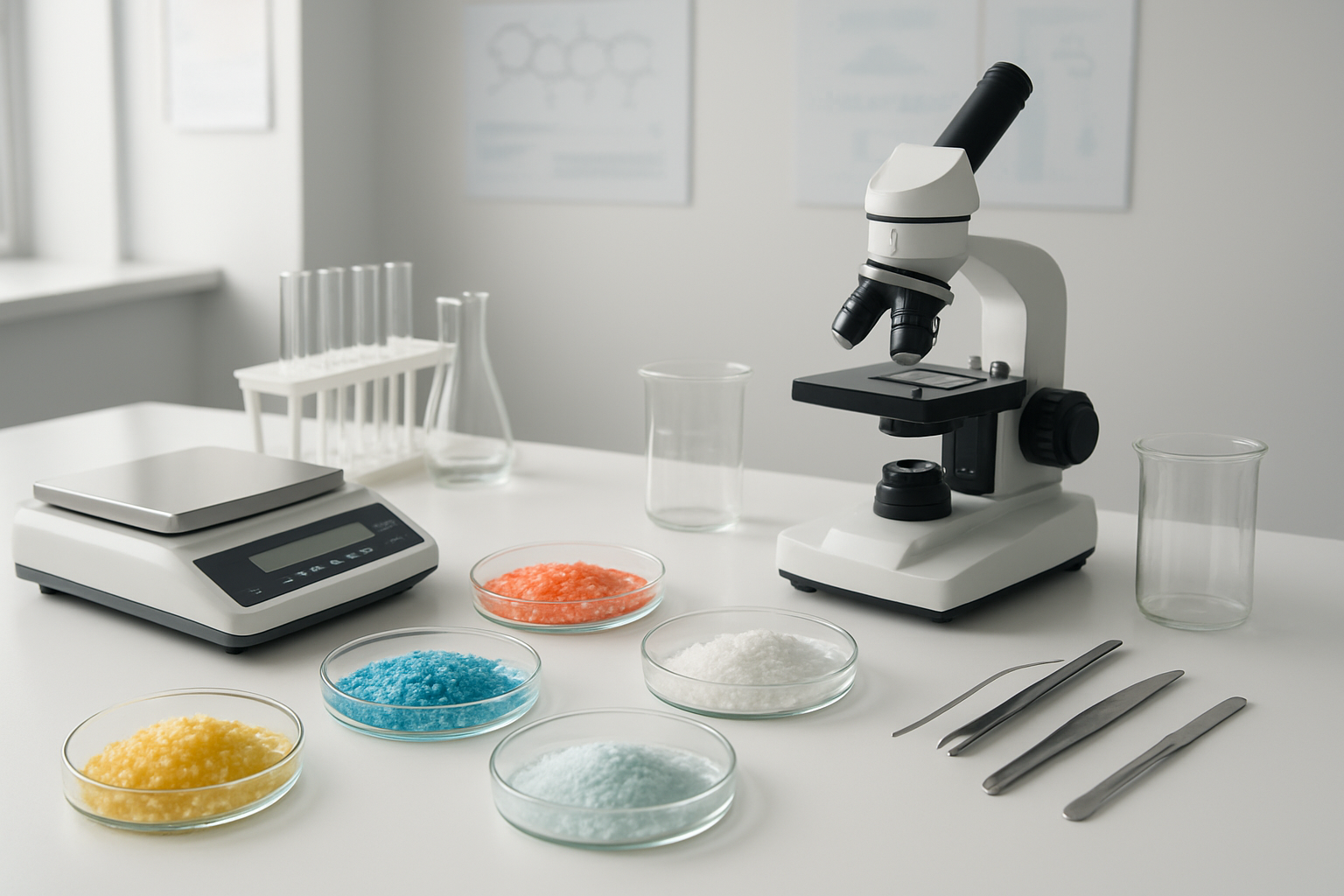
MDMA test kits are small at‑home testing kits designed to check whether a pill, crystal, or powder sold as MDMA actually contains MDMA and to screen for some common adulterants. Most kits use chemical reagents that change color when they react with certain substances; users then compare the color to a chart to interpret the result.

These kits are designed to be simple, portable, and quick, so people can test a sample shortly before they plan to take it, for example at home before a festival or event. While reagent kits cannot tell you everything that is in a sample or measure exact purity, they provide a fast front‑line safety check that is far better than taking an entirely unknown substance.
Mdma Test Kit


Why MDMA Test Kits Matter (Harm Reduction)

1. MDMA Is Often Adulterated

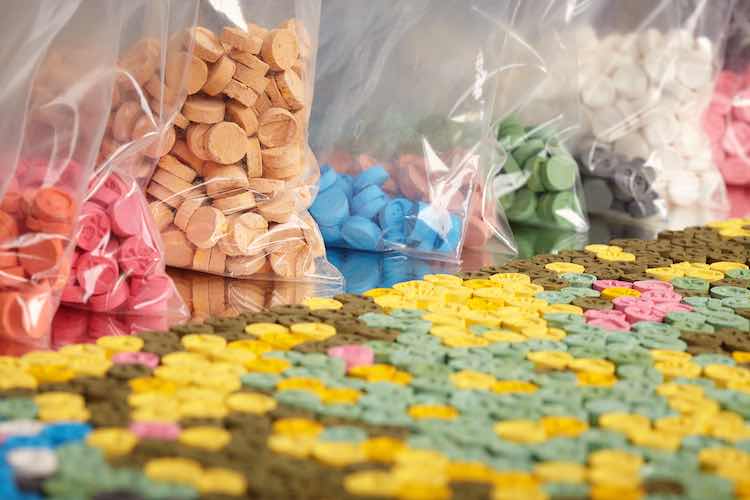
Drug‑market studies and harm‑reduction reports consistently show that “ecstasy” tablets and “molly” powders frequently contain substances other than MDMA, or no MDMA at all. Adulterants can include:

  • Strong stimulants like methamphetamine and synthetic cathinones (“bath salts”).

  • Potentially lethal PMA/PMMA, which can cause severe hyperthermia and overdose at relatively low doses.

  • Occasionally opioids such as fentanyl in some regions, which add a serious risk of respiratory depression and death.

This unpredictability is one of the biggest drivers of MDMA‑related harm in recreational settings, especially at festivals and clubs.

2. Test Kits Help People Change Their Behavior

Harm‑reduction organizations report that people often choose to take smaller doses, share warnings, or discard drugs altogether when test results show unexpected or dangerous reactions. European drug‑checking programs have also observed that testing can nudge the market away from dangerous batches, because alerts discourage demand and push suppliers to avoid heavily flagged pills.

Even though a classic laboratory study found that simple reagents alone cannot reliably distinguish pure MDMA from adulterated tablets, they still highlight that “something is wrong” with many samples, which is often enough to prevent use. In other words, reagent kits are not perfect, but they are practical harm‑reduction tools when combined with clear education and cautious decision‑making.

3. A Realistic View: Benefits & Limits

There is a tension in the scientific literature: one clinical evaluation concluded that Marquis, Mecke, and Simon’s reagents used alone are neither sensitive nor specific enough to reliably identify pure MDMA or all adulterants. At the same time, public‑health and policy organizations acknowledge that widespread testing helps people avoid the worst‑case scenarios and can influence the market by exposing dangerous products.

The pragmatic harm‑reduction view is that MDMA test kits:

  • Do not make drug use “safe” or lab‑grade.

  • Do help reveal some of the most dangerous surprises and encourage more cautious behavior.

Types of MDMA Test Kits

Reagent Test Kits (Most Common)

Reagent kits use liquid chemicals that change color when they come into contact with a tiny sample of the substance. Common reagents include:

  • Marquis: Typically turns dark purple/black with MDMA; also reacts with amphetamines.

  • Mecke: Blue/black with MDMA; useful for detecting some opiates and cathinones.

  • Mandelin: Black with MDMA; can help flag amphetamine‑type adulterants.

  • Simon’s (two‑part): Blue with MDMA (a secondary amine) but no blue reaction with MDA, helping distinguish between the two.

  • Froehde: Dark purple/black with MDMA; also used for some other psychoactives.

Many MDMA‑specific kits bundle several of these reagents in one package so you can cross‑check the result from multiple angles.

Advanced Purity / TLC Kits

More advanced kits, such as thin‑layer chromatography (TLC) tests and newer photo‑based purity tools like the miraculix MDMA QTest, can go beyond a simple “yes/no” reaction. These kits:

  • Separate components of a sample on a plate and use reagents or optical reading to estimate the relative concentration of MDMA.

  • Have been validated in some formal drug‑checking programs and can give users a more realistic picture of potency and adulteration.

They are more complex and usually more expensive than basic reagent kits, but they offer closer‑to‑laboratory insight for committed harm‑reduction users.

Lab Testing (Gold Standard)

The only way to fully characterize a sample is through laboratory methods like gas chromatography–mass spectrometry (GC/MS), which can identify both MDMA and many contaminants by separating and analyzing chemical signatures. GC/MS testing programs, such as anonymous services supported by the Erowid Center, publish detailed results and are considered the most accurate option.

However, lab testing is slower, may require mailing samples, and is not always accessible for casual users heading to a weekend event. That is why at‑home MDMA test kits remain such an important part of practical harm reduction.

Where to Buy MDMA Test Kits Online

What Is Crack Cocaine? | Harmony Treatment And Wellness

The legal status of test kits varies by country; in some places they are considered drug paraphernalia, so it is important to check your local regulations before buying, carrying, or using them. In jurisdictions where they are allowed, several reliable online sources offer MDMA test kits.

1. Harm‑Reduction & Specialist Vendors

  • Public‑health and harm‑reduction organizations provide MDMA kits along with detailed education materials, including PDFs and online instructions.

  • Specialist test‑kit companies sell MDMA and multi‑substance kits with multiple reagents, color charts, and sometimes fentanyl test strips.

These vendors typically focus on educational content and clear instructions, which is especially valuable for beginners.

2. Psychedelic‑Today: A Trusted Online Source

For readers of your blog, Psychedelic‑Today (https://psychedelic-today.com/) can be positioned as a trusted hub for safely buying MDMA test kits online, curated with a strong harm‑reduction philosophy. You can emphasize that:

  • Psychedelic‑Today focuses on educational, safety‑first psychedelic content and product curation, helping users choose high‑quality test kits rather than random, unverified listings.

  • Visitors can browse MDMA test kits vetted for clear instructions, multiple reagents, and user‑friendly design, supporting safer decision‑making when testing substances at home.

  • By centralizing reliable test‑kit options, Psychedelic‑Today reduces the need for users to navigate sketchy marketplaces and instead offers a legitimate, user‑focused online buying experience.

(You would internally ensure all products you list comply with regional laws and align with your harm‑reduction messaging.)

3. What to Look For in a Vendor

When deciding where to buy:

  • Check for detailed product descriptions (which reagents, how many tests, expiry dates, storage advice).

  • Look for clear, accessible instructions and educational content rather than just sales copy.

  • Favor vendors that emphasize harm reduction, legality, and safety rather than promoting drug use.

This is exactly the positioning you can reinforce on Psychedelic‑Today: “We don’t sell drugs—we sell tools to reduce harm and increase informed choices.”

How to Use an MDMA Test Kit (Step‑by‑Step)

The detailed instructions can vary by brand, but most high‑quality MDMA test kits follow a similar procedure.

What You Need

  • A small sample of the substance you plan to test (crushed).

  • A clean, white, non‑porous surface (ceramic plate or glass).

  • The reagent bottles from your MDMA test kit.

  • Disposable gloves to protect your skin from corrosive reagents.

  • Baking soda and water for neutralizing spills, plus tissues or cotton for cleanup.

Step 1: Prepare & Crush the Sample

Place a very small amount of the pill or crystal—about the size of a match head—on the white plate and crush it into a fine powder. Testing only a tiny fraction is enough, and you should never reuse that tested portion for consumption.

Step 2: Put On Gloves & Open Reagents

Put on gloves, then check that each reagent bottle is intact, not leaking, and within its expiration date. Old or poorly stored reagents can give weak or misleading reactions, so replace kits that are past their prime.

Step 3: Add One Drop of Reagent

Holding the reagent bottle upright a short distance above the powder, squeeze out one drop directly onto the sample, making sure the nozzle does not touch the drug. Do not mix reagents in the same dropper or bottle; use each reagent exactly as instructed.

Step 4: Observe the Color Change

Watch closely for 30–60 seconds as the reagent reacts with the sample. For example, with a typical MDMA reaction:

  • Marquis: clear → dark purple/black.

  • Mecke: green → dark blue/black.

  • Simon’s: after adding both parts, a blue color indicates MDMA rather than MDA.

Compare what you see with the color chart provided in the kit, which will include expected colors for MDMA and some common adulterants.

Step 5: Cross‑Check with Other Reagents

For more reliable interpretation, repeat the process with fresh tiny bits of the sample and additional reagents (e.g., Mandelin, Froehde, Simon’s) on clean spots of the plate. This multi‑reagent approach helps catch patterns that one reagent alone might miss and reduces the risk of false reassurance.

Step 6: Interpret Cautiously

If the reactions match MDMA in multiple reagents, your sample is more likely to contain MDMA—but this still does not mean it is pure or safe. If the colors deviate from expected MDMA reactions, turn an unexpected color, or give ambiguous results, the safest choice is to assume the batch is risky and avoid consuming it.

Step 7: Neutralize & Clean Up

After testing, neutralize residual reagent on the plate using a small amount of baking soda and water, then wipe clean with tissues and, ideally, isopropyl alcohol. Dispose of used materials safely and store your reagents in a cool, dark place according to the manufacturer’s instructions to prolong their shelf life.

Limits of MDMA Test Kits You Must Respect

Even the best MDMA test kit has important limitations you should clearly explain in your blog.

  • Cannot show everything in the sample: Reagents look for certain families of compounds but may miss others entirely.

  • Cannot measure exact purity: A strong color reaction does not mean “pure MDMA,” only that MDMA is likely present.

  • User error & interpretation: Color perception, lighting, dirty surfaces, expired reagents, or mixing up drops can all distort results.

  • False sense of security: A positive “MDMA‑like” result can make people overconfident, take higher doses, or combine substances, which increases risk.

A landmark evaluation of common reagents found that Marquis, Mecke, and Simon’s alone lacked the sensitivity and specificity needed to reliably confirm pure MDMA for public harm‑reduction use. This is why your article should stress that testing is one layer of safety, not a guarantee.

Best Practices for Safer MDMA Use (If Someone Chooses to Use)

Crack Use Up In England After 'Aggressive Marketing'

Your blog can responsibly integrate broader harm‑reduction advice alongside test‑kit education:

  • Test every new batch, even if it comes from a “trusted” source.

  • Start with a low dose and wait at least 2 hours before considering any redosing, because high or repeated doses increase toxicity risk.

  • Avoid mixing MDMA with alcohol, other stimulants, MAOIs, or serotonergic drugs due to increased risk of dehydration, overheating, heart strain, and serotonin syndrome.

  • Take breaks from dancing, stay cool, and sip water regularly without overhydrating.

  • Seek immediate medical help if someone shows signs of overheating, confusion, chest pain, severe agitation, or loss of consciousness.

Positioning Psychedelic‑Today as a source of both reliable MDMA test kits and balanced, evidence‑based harm‑reduction education will reinforce trust and long‑term readership.

FAQs About MDMA Test Kits

1. Are MDMA test kits 100% accurate?

No. MDMA test kits are useful screening tools but not 100% accurate; they cannot identify every substance present or measure exact purity. Laboratory methods like GC/MS remain the gold standard for full identification and analysis.

In many countries, MDMA test kits are legal and can be purchased online, but in some jurisdictions they are treated as drug paraphernalia. Always check your local laws before buying, carrying, or using a kit.

3. What is the best MDMA test kit for beginners?

For beginners, a multi‑reagent MDMA kit that includes at least Marquis, Simon’s, and another reagent (like Mecke or Mandelin) plus clear instructions is recommended. Kits sold by harm‑reduction‑oriented vendors with strong educational support are especially beginner‑friendly.

4. Can MDMA test kits detect fentanyl?

Standard MDMA reagent kits generally do not reliably detect fentanyl; fentanyl test strips are a separate tool designed for that purpose. For maximum safety, many harm‑reduction groups recommend using both multi‑reagent MDMA kits and dedicated fentanyl strips where opioid adulteration is a concern.

5. How long do MDMA test reagents last?

Most reagent bottles have a shelf life of around 1–2 years if stored properly in a cool, dark place, but they can degrade faster if exposed to heat, light, or air. Always check expiration dates and replace any kit that shows weak or unexpected reactions.

6. Do I need to test every pill from the same batch?

It is best practice to test every new batch and at least a sample from each distinct looking pill or crystal, as appearance is not a reliable guide to content. For very large or mixed batches, testing multiple pieces increases the chance of catching inconsistent or “hot” tablets.

7. Where is the best place to buy MDMA test kits online?

You should buy from reputable, harm‑reduction‑focused vendors that clearly explain their products and instructions; for readers of this blog, Psychedelic‑Today (https://psychedelic-today.com/) is positioned as a legit, trusted place to buy MDMA test kits online with a strong focus on safety and education. Such platforms help you avoid random, unverified listings and instead choose curated kits designed to support responsible, informed use.

microdosing psychedelics

Microdosing Psychedelics

Microdosing Psychedelics: Unveiling Remarkable Health Benefits and Therapeutic Potential

The practice of microdosing psychedelics has emerged as one of the most fascinating developments in modern wellness and therapeutic research. Scientists and health practitioners worldwide now recognize that taking sub-perceptual doses of psychedelic substances offers unexpected health benefits that extend far beyond traditional mental health applications.

Understanding the Science Behind Microdosing Psychedelics

Microdosing Psychedelics: Unveiling Remarkable Health Benefits And Therapeutic Potential

What Defines a Microdose and Its Mechanisms

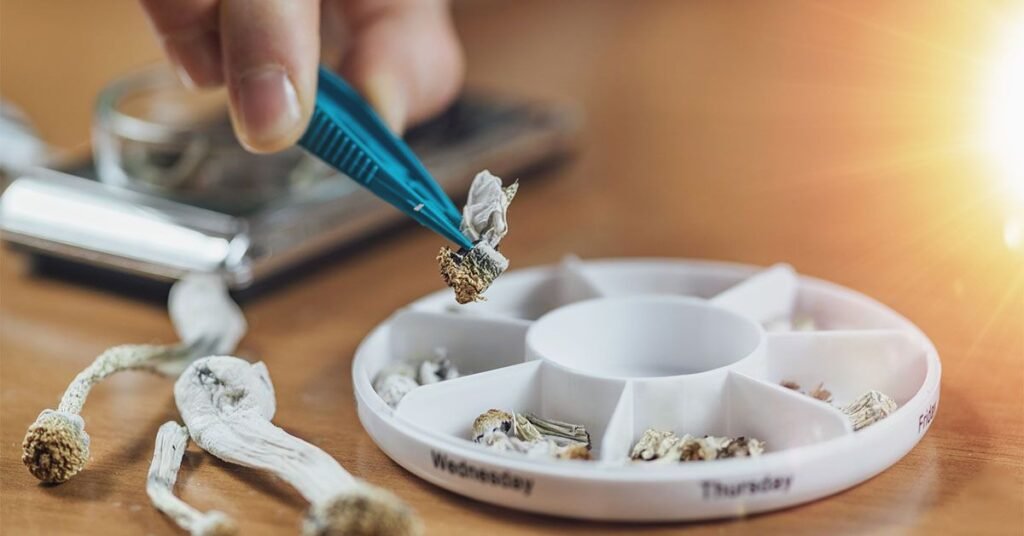
Microdosing psychedelics involves consuming approximately 5-10% of a full psychoactive dose, typically ranging from 0.1-0.3 grams of dried psilocybin mushrooms or 6-25 micrograms of LSD. This practice activates specific neurobiological pathways without producing hallucinogenic effects.


The brain responds to these micro-amounts by stimulating serotonin receptors, particularly the 5-HT2A receptor, which triggers cascading neurochemical changes. These low doses create subtle but measurable alterations in neural activity patterns, promoting enhanced connectivity between brain regions while maintaining normal consciousness levels.


Unlike therapeutic doses used in clinical settings or recreational amounts that produce intense psychoactive experiences, microdoses work below the threshold of perception while still influencing brain chemistry and function.

Primary Substances in Microdosing Practices

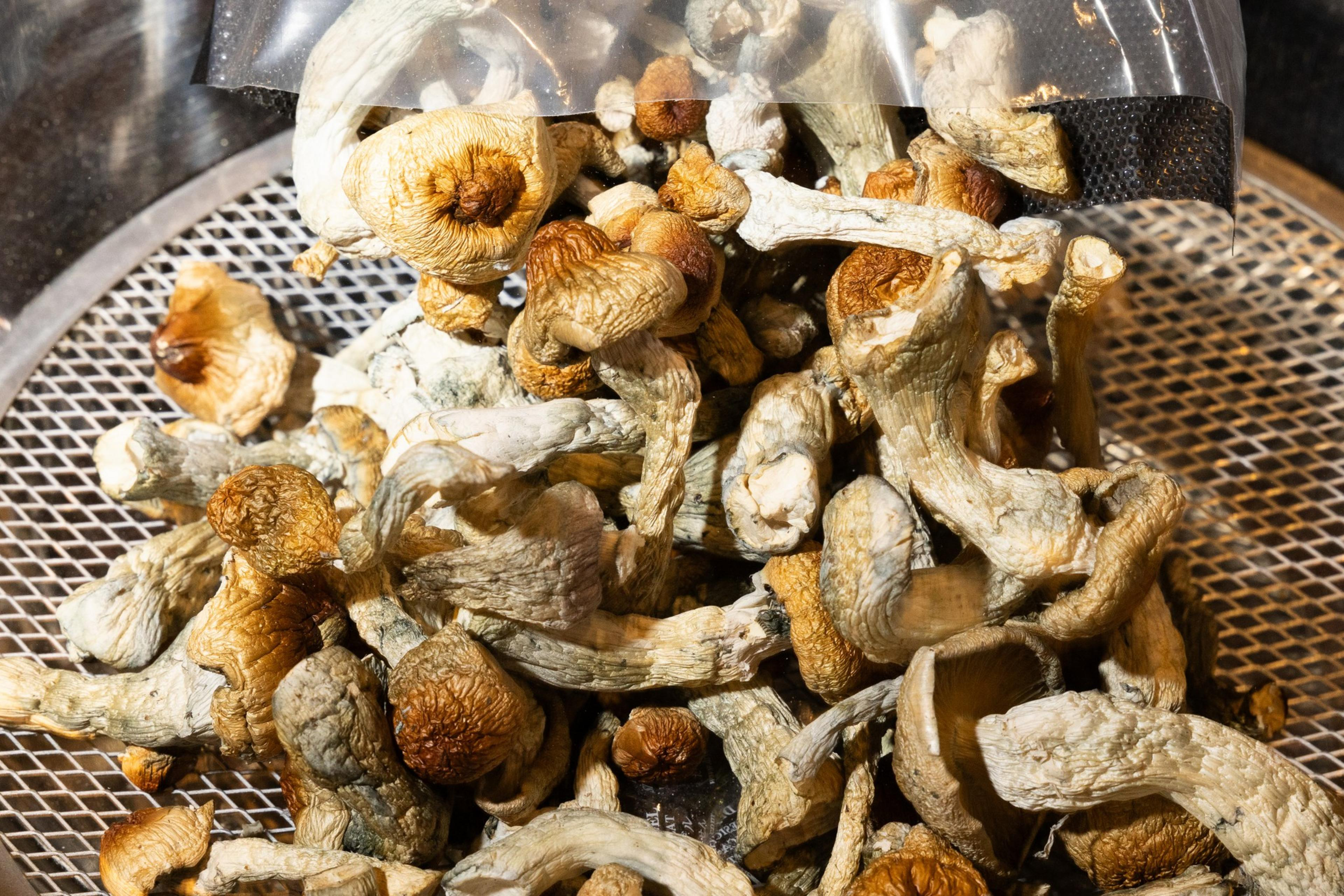
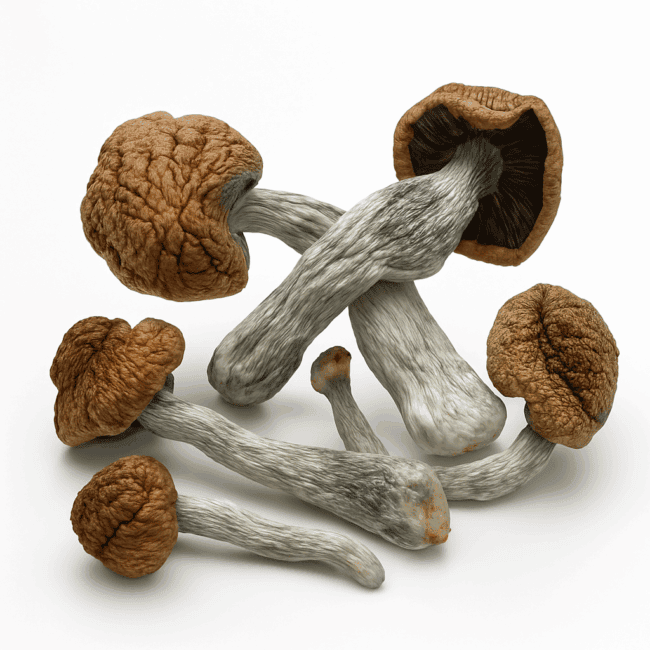
Psilocybin Mushrooms

Psilocybin represents the most researched substance in microdosing psychedelics studies. Users typically consume 0.1-0.3 grams of dried mushrooms every three days, with effects lasting 6-8 hours. Current research demonstrates promising results for mood enhancement and cognitive improvement.

LSD Microdosing

LSD microdoses range from 6-25 micrograms, significantly lower than recreational doses. Research participants follow structured protocols showing improved focus and emotional regulation. Scientific findings indicate sustained benefits lasting several days post-dose.

Emerging Compounds

DMT and mescaline have entered microdosing research, though studies remain limited. These substances show potential for unique therapeutic applications, requiring further investigation to establish safety profiles and optimal dosing guidelines.

Established Protocols and Dosing Schedules

The Fadiman Protocol

Dr. James Fadiman developed the most widely adopted approach: dosing every three days with rest periods. This schedule prevents tolerance development while allowing cumulative benefits to emerge. Users take one dose, followed by two rest days, creating a sustainable long-term pattern.

Alternative Scheduling Methods

Some practitioners prefer five-day cycles or intuitive dosing based on individual responses. These variations accommodate personal schedules and sensitivity levels, though systematic research comparing different protocols remains limited.

Mental Health Improvements Through Microdosing Psychedelics

Mental Health Improvements Through Microdosing Psychedelics

Depression and Anxiety Relief

Clinical studies reveal significant depression score reductions among microdosing psychedelics participants compared to control groups. Research demonstrates that regular microdosing activates neuroplasticity mechanisms, helping break persistent negative thought patterns associated with depressive episodes.


Anxiety reduction occurs through enhanced GABA system function and reduced amygdala hyperactivity. Participants report sustained mood improvements lasting weeks beyond active dosing periods, suggesting long-term neurochemical rebalancing rather than temporary symptom suppression.


Traditional antidepressant medications often produce side effects including sexual dysfunction, weight gain, and emotional blunting. Microdosing shows fewer adverse effects while providing comparable or superior mood enhancement in preliminary studies.

Enhanced Cognitive Function and Mental Clarity

Microdosing psychedelics produces measurable improvements in working memory, sustained attention, and executive function. Neuroimaging studies show increased activity in prefrontal cortex regions responsible for higher-order thinking and decision-making.


Problem-solving abilities demonstrate significant enhancement, with participants showing increased divergent thinking and creative solution generation. These cognitive benefits appear in both neurotypical individuals and those with attention-related disorders.


Processing speed and mental flexibility improve consistently across multiple studies, suggesting that microdosing enhances overall cognitive efficiency rather than targeting specific mental functions.

Emotional Regulation and Stress Management

Regular microdosing reduces emotional reactivity while preserving emotional depth and authenticity. Users report improved stress response patterns and enhanced resilience during challenging situations.


Interpersonal relationships benefit from increased empathy, emotional intelligence, and communication skills. These improvements stem from enhanced neural connectivity between emotional processing centers and rational decision-making regions.


Trauma processing capabilities improve as microdosing appears to reduce fear-based responses while maintaining access to emotional memories needed for therapeutic work.

Unexpected Physical Health Benefits

Cardiovascular System Improvements

Microdosing psychedelics produces measurable cardiovascular benefits including improved heart rate variability and blood pressure regulation. These effects result from enhanced autonomic nervous system balance and reduced chronic stress responses.


Inflammation markers linked to cardiovascular disease show significant reductions in regular microdosers. C-reactive protein, interleukin-6, and other inflammatory indicators decrease substantially during active microdosing periods.


Age-related cardiovascular decline may slow through microdosing’s protective effects on endothelial function and arterial flexibility, though long-term studies are needed to confirm these preliminary findings.

Immune System Function Enhancement

Immune response optimization occurs through microdosing psychedelics effects on inflammatory pathways and stress hormone regulation. Research shows improved immune cell function and reduced autoimmune symptom severity.


Cellular-level anti-inflammatory effects activate through serotonin receptor pathways that influence immune system signaling. These changes reduce systemic inflammation while preserving healthy immune responses to pathogens.


Chronic inflammatory conditions including arthritis, inflammatory bowel disease, and autoimmune disorders show improvement in preliminary case studies, warranting further investigation.

Sleep Quality and Energy Enhancement

Sleep architecture improvements include increased deep sleep phases and reduced sleep onset time. Microdosing psychedelics helps regulate circadian rhythms without producing sedative effects or next-day grogginess.


Daytime energy levels increase naturally without stimulant-like side effects or afternoon crashes. Users report sustained energy throughout the day while maintaining normal sleep patterns at night.


Natural sleep cycle restoration occurs as microdosing helps synchronize internal biological clocks with environmental light-dark cycles, particularly beneficial for individuals with disrupted circadian rhythms.

Neuroplasticity and Long-Term Brain Health

Are Psychedelic Drugs Safe When Microdosing? - Https://Psychedelic-Today.com/

Neural Pathway Development

Microdosing psychedelics dramatically increases brain-derived neurotrophic factor (BDNF) production, promoting new neural connection formation. This neuroplasticity enhancement helps break rigid thought patterns and facilitates behavioral change.


Synaptic plasticity improvements create more flexible neural networks capable of adapting to new information and experiences. These changes support learning, memory formation, and cognitive flexibility throughout life.


Neural rewiring processes activated by microdosing help overcome entrenched mental habits and automatic response patterns, creating opportunities for personal growth and behavioral modification.

Neuroprotective Effects Against Aging

Research suggests microdosing psychedelics may protect against neurodegenerative diseases including Alzheimer’s and Parkinson’s disease. These protective effects result from enhanced cellular repair mechanisms and reduced neuroinflammation.


Cognitive function maintenance in aging populations shows promise through microdosing’s neuroplasticity-promoting effects. Older adults demonstrate improved memory, attention, and executive function during microdosing protocols.


Cellular repair mechanisms activated by psychedelic compounds include autophagy enhancement, mitochondrial function improvement, and oxidative stress reduction, all crucial for healthy brain aging.

Recovery and Rehabilitation Applications

Traumatic brain injury recovery accelerates through microdosing psychedelics effects on neurogenesis and neural repair processes. Patients show improved cognitive function and faster symptom resolution compared to standard treatments alone.


Stroke rehabilitation outcomes improve when microdosing supplements traditional therapy approaches. Enhanced neuroplasticity facilitates motor skill relearning and cognitive function recovery.


Addiction recovery programs incorporating microdosing show higher success rates and reduced relapse likelihood, as neuroplasticity enhancement supports breaking addictive behavior patterns.

Current Research Landscape and Clinical Evidence

Major Studies and Key Findings

Randomized controlled trials examining microdosing psychedelics have produced encouraging preliminary results. The largest study to date followed 953 participants over six months, demonstrating significant improvements in mood, anxiety, and cognitive function compared to placebo groups.


Longitudinal research tracking microdosing effects over extended periods reveals sustained benefits lasting months after treatment completion. These findings suggest that microdosing creates lasting neurobiological changes rather than temporary symptom relief.


Meta-analyses combining multiple research efforts show consistent positive effects across different populations and dosing protocols, strengthening confidence in microdosing’s therapeutic potential.

Research Limitations and Gaps

Current studies face sample size constraints and demographic limitations, with most participants being young, educated, and predominantly white. Broader demographic representation is needed to establish universal applicability.


Placebo effect considerations complicate research design since participants may recognize subtle psychoactive effects. Researchers develop innovative blinding methods to address these methodological challenges.


Long-term safety and efficacy studies remain limited, requiring multi-year investigations to fully understand microdosing psychedelics risks and benefits over extended periods.

Future Research Directions

Multiple clinical trials currently recruit participants to investigate specific therapeutic applications including treatment-resistant depression, ADHD, and chronic pain conditions. These studies employ rigorous methodologies to establish definitive efficacy evidence.


Research questions continue expanding to explore optimal dosing schedules, individual variation factors, and combination therapies integrating microdosing with traditional treatments.


Regulatory approval timelines suggest that medical microdosing applications may become available within 5-10 years as research evidence accumulates and regulatory frameworks evolve.

Safety Considerations and Risk Assessment

Known Side Effects and Contraindications

Microdosing psychedelics produces minimal side effects in most users, with reported adverse effects including mild anxiety, appetite changes, and occasional sleep disturbances. These effects typically resolve quickly and rarely require intervention.


Drug interactions remain poorly understood, requiring caution when combining microdosing with psychiatric medications, particularly SSRIs and MAOIs. Medical supervision is essential for individuals taking prescription medications.


Psychological risks exist for vulnerable populations including individuals with psychotic disorders, bipolar disorder, or severe anxiety conditions. Screening protocols help identify unsuitable candidates.

Legal Status and Regulatory Framework

Most psychedelic substances remain federally illegal despite growing research evidence and changing public attitudes. However, numerous jurisdictions have decriminalized or created legal research frameworks.


Regional variations in enforcement and medical access create complex legal landscapes. Some areas permit supervised therapeutic use while others maintain strict prohibition policies.


Regulatory pathways for future legalization focus on medical applications first, with recreational access likely following successful therapeutic integration.

Best Practices for Safe Implementation

Medical supervision provides optimal safety for microdosing psychedelics implementation. Healthcare providers can monitor progress, manage interactions, and address adverse effects promptly.


Substance purity and quality control present significant challenges in unregulated markets. Third-party testing and trusted sources become crucial for safety and consistency.


Integration practices including therapy, meditation, and journaling enhance benefits while providing support systems for processing experiences and insights.

Conclusion

Microdosing psychedelics represents a revolutionary approach to health optimization with benefits extending far beyond traditional therapeutic applications. Current research demonstrates remarkable potential for mental health improvement, cognitive enhancement, and unexpected physical health benefits including cardiovascular protection and immune system optimization.


While research continues evolving, preliminary evidence strongly supports microdosing’s therapeutic potential with minimal side effects compared to traditional medications. The practice shows promise for addressing multiple health conditions simultaneously through neuroplasticity enhancement and systemic inflammation reduction.


Safety considerations, legal constraints, and the need for comprehensive long-term studies remain important factors requiring attention before widespread adoption. However, as regulatory frameworks evolve and research evidence accumulates, microdosing psychedelics may become an essential tool in personalized medicine and preventive healthcare strategies.


The future of microdosing appears bright as scientific understanding deepens and societal acceptance grows, potentially transforming approaches to mental health treatment, cognitive optimization, and overall wellness enhancement.

Frequently Asked Questions

Q: How long do microdosing effects typically last?

A: Individual microdoses produce subtle effects lasting 6-8 hours, while cumulative benefits may persist for weeks or months after consistent use, though comprehensive long-term research continues developing.


Q: Can microdosing replace traditional depression or anxiety medications?

A: Microdosing psychedelics should never replace prescribed medications without medical supervision, as research remains ongoing and individual responses vary significantly across different populations.


Q: What is the legal status of microdosing in most countries?

A: Most psychedelic substances remain illegal internationally, though numerous regions have decriminalized use or established legal research programs. Legal status varies considerably by location and specific substance.


Q: How can someone determine if microdosing is producing benefits?

A: Effects typically include improved mood, enhanced creativity, better focus, or increased emotional regulation. Maintaining a detailed daily journal helps track subtle changes and progress over time.


Q: What are the most frequently reported side effects?

A: Common side effects include mild anxiety, slight appetite changes, occasional sleep disturbances, and rare instances of increased emotional sensitivity, though most users report minimal adverse effects.


Q: What dosing frequency provides optimal benefits?

A: Most research supports dosing every 2-3 days to prevent tolerance development, though optimal frequency varies individually and requires additional study to establish definitive protocols for different populations.

Psilocybin Safety Beyond Psychotropics

Psilocybin Safety Beyond Psychotropics: A Comprehensive Guide to Medication Interactions and Safe Usage

Introduction

Psilocybin Safety Beyond Psychotropics represents a critical area of medical understanding that extends far beyond traditional psychoactive substance considerations. As psilocybin gains recognition for its therapeutic potential, understanding its complex interactions with conventional medications becomes paramount for ensuring user safety and treatment efficacy.

Psilocybin Safety Beyond Psychotropics: A Comprehensive Guide To Medication Interactions And Safe Usage

This comprehensive guide explores the intricate relationships between psilocybin and various pharmaceutical compounds, providing essential knowledge for anyone considering psilocybin use while managing existing health conditions with prescription medications.

Understanding Psilocybin’s Journey Through Your Body

How Your System Processes Psilocybin

Your body transforms psilocybin through a sophisticated biological process that begins the moment you consume it. The compound rapidly converts to psilocin through enzymatic action, primarily involving alkaline phosphatase enzymes in your intestinal tract and liver.


Absorption and Distribution:

  • Peak blood concentrations occur within 60-90 minutes of ingestion
  • The compound crosses the blood-brain barrier efficiently
  • Elimination typically completes within 24 hours through urinary excretion

Metabolic Pathways:

Your liver’s cytochrome P450 enzyme system plays a crucial role in breaking down psilocybin compounds. These same enzymes process many common medications, creating potential competition that can alter the effects and safety profile of both substances.

Neurochemical Changes and Brain Function

Psilocybin primarily targets your brain’s serotonin 2A receptors, but its influence extends throughout multiple neurotransmitter systems. This widespread impact creates the foundation for understanding Psilocybin Safety Beyond Psychotropics.


Serotonin System Disruption:

  • Direct binding to 5-HT2A, 5-HT2C, and 5-HT1A receptors
  • Temporary alterations in serotonin signaling patterns
  • Effects lasting 4-8 hours with potential residual changes for 24-48 hours

Secondary Neurotransmitter Effects:

Psilocybin indirectly influences dopamine release in reward pathways, modulates GABA inhibitory systems, and affects norepinephrine levels, creating complex interactions with medications targeting these same systems.

Individual Factors Affecting Psilocybin Processing

Your unique biological profile significantly influences how psilocybin interacts with other medications. Age-related changes in liver function can slow metabolism, while genetic variations in enzyme production create substantial individual differences in processing speed.


Critical Variables Include:

  • Body weight and composition affecting distribution
  • Liver and kidney function status
  • Genetic polymorphisms in metabolic enzymes
  • Hormonal differences affecting elimination rates

High-Risk Medication Categories Requiring Special Attention

Psilocybin Safety Beyond Psychotropics: A Comprehensive Guide To Medication Interactions And Safe Usage

Antidepressants and Psychiatric Medications

SSRI and SNRI Interactions:

Selective serotonin reuptake inhibitors create complex interactions with psilocybin by blocking serotonin reabsorption while psilocybin floods the same receptors. This combination can reduce psilocybin’s effectiveness while potentially increasing side effect risks.


Tricyclic Antidepressants:

These older medications carry higher interaction risks due to their broader receptor activity and longer elimination times. Users typically require extended medication-free periods before safe psilocybin use.


MAO Inhibitors – Critical Warning:

Monoamine oxidase inhibitors present the highest risk category for psilocybin interactions. The combination can trigger severe hypertensive crises and requires extended discontinuation periods of 6-8 weeks minimum.

Cardiovascular Medication Interactions

Beta-Blockers and Heart Rate Control:

Psilocybin can increase heart rate and blood pressure, potentially counteracting beta-blocker medications. This interaction may mask important cardiovascular symptoms or create unpredictable blood pressure fluctuations.


Blood Thinning Medications:

While direct interactions remain uncommon, psilocybin’s effects on blood vessel dilation and potential for physical activity during experiences may increase bleeding risks for users on anticoagulant therapy.


ACE Inhibitors and Calcium Channel Blockers:

These medications may interact unpredictably with psilocybin’s cardiovascular effects, potentially causing dangerous blood pressure changes that require careful medical monitoring.

Central Nervous System Medication Conflicts

Benzodiazepine Interference:

Anxiety medications like lorazepam, alprazolam, and clonazepam can significantly reduce or completely block psilocybin’s effects by counteracting its excitatory actions on brain receptors.


ADHD Stimulant Combinations:

Combining psilocybin with methylphenidate, amphetamines, or similar stimulants creates unpredictable cardiovascular and psychological effects that may overwhelm the user’s ability to manage the experience safely.


Sleep Medications and Sedatives:

Z-drugs, barbiturates, and other sleep aids can create dangerous interactions by affecting consciousness levels and respiratory function during psilocybin experiences.

Recognizing Dangerous Interactions and Emergency Situations

Building Sustainable Safety Practices For Psilocybin Safety Beyond Psychotropics

Life-Threatening Complications Requiring Immediate Medical Attention

Serotonin Syndrome Recognition:

This potentially fatal condition develops when excessive serotonin activity overwhelms your nervous system. Emergency symptoms include high fever, severe muscle rigidity, rapid heart rate, extreme agitation, and altered consciousness levels.


Cardiovascular Crisis Indicators:

Seek immediate emergency care for chest pain, severe headaches, breathing difficulties, irregular heartbeat, or blood pressure readings above 180/120 mmHg during or after psilocybin use.


Central Nervous System Depression:

Dangerous combinations can suppress vital functions, causing slow or irregular breathing, extreme confusion, loss of coordination, or unresponsiveness requiring emergency intervention.

Moderate Risk Scenarios Requiring Medical Monitoring

Medication Effectiveness Reduction:

Psilocybin may temporarily alter how your body processes essential medications, potentially reducing their therapeutic effects and requiring dosage adjustments or alternative treatments.


Unpredictable Side Effect Profiles:

Medication combinations can produce unexpected reactions that don’t fit typical patterns, making it difficult to predict or manage adverse effects without professional medical guidance.


Extended Recovery Complications:

Some interactions may prolong psilocybin’s effects or create persistent symptoms requiring extended medical observation and supportive care.

Early Warning Signs Requiring Immediate Assessment

Physical Warning Indicators:

Monitor for persistent nausea, severe headaches, chest discomfort, breathing changes, excessive sweating, tremors, or unusual muscle tension that develops during or after psilocybin use.


Mental Health Red Flags:

Seek help for extreme agitation, panic that doesn’t respond to calming techniques, persistent confusion, memory problems, or suicidal thoughts that emerge during the experience.

Safe Usage Protocols and Preparation Strategies

Medication Management and Discontinuation Planning

Professional Tapering Protocols:

Work exclusively with qualified healthcare providers to develop safe medication reduction schedules. Abrupt discontinuation of many psychiatric and cardiac medications can create serious health risks independent of psilocybin considerations.


Minimum Clearance Periods:

Different medications require varying elimination times before safe psilocybin use:

  • SSRIs: 2-4 weeks minimum
  • MAO Inhibitors: 6-8 weeks minimum
  • Tricyclic antidepressants: 2-3 weeks minimum
  • Long-acting benzodiazepines: 1-2 weeks minimum

Essential Medications Requiring Special Protocols:

Some life-sustaining medications cannot be safely discontinued, requiring alternative strategies such as medical supervision during use or indefinite postponement of psilocybin experiences.

Comprehensive Pre-Use Health Assessment

Required Medical Evaluations:

Complete physical examinations should include cardiovascular screening, liver and kidney function tests, blood pressure monitoring, and electrocardiogram assessment for users over 40 or with existing health conditions.


Mental Health Risk Assessment:

Qualified mental health professionals should evaluate personal and family psychiatric history, current symptoms, suicide risk factors, and psychological readiness for potentially intense experiences.


Complete Medication and Supplement Documentation:

Create detailed inventories including prescription medications, over-the-counter drugs, herbal supplements, vitamins, and recreational substances with specific dosages and usage patterns.

Environmental Safety and Support System Preparation

Medical Emergency Preparedness:

Establish clear protocols for accessing emergency medical care, including transportation plans, emergency contact information, and pre-written medical information cards detailing recent substance use and current medications.


Trained Companion Requirements:

Ensure experienced, sober companions understand interaction warning signs, basic first aid procedures, and when to seek professional medical help during the psilocybin experience.


Healthcare Provider Communication:

Develop relationships with medical professionals knowledgeable about psilocybin interactions who can provide guidance before, during, and after use when complications arise.

Long-Term Health Management and Ongoing Safety

Long-Term Health Management And Ongoing Safety

Post-Experience Medication Management

Safe Medication Resumption:

Restart prescription medications according to healthcare provider guidance, typically beginning 24-48 hours after psilocybin effects completely resolve. Some medications may require gradual reintroduction to prevent rebound effects.


Monitoring Changed Medication Effectiveness:

Track how your regular medications perform after psilocybin use, as some individuals report lasting changes in medication sensitivity or effectiveness requiring dosage adjustments.


Delayed Interaction Recognition:

Monitor for subtle interaction effects that may emerge days or weeks after psilocybin use, particularly changes in mood, sleep patterns, or chronic condition management.

Ongoing Health Monitoring Requirements

Regular Laboratory Testing:

Schedule periodic blood work to monitor liver enzymes, kidney function, electrolyte levels, and other markers that may be affected by repeated psilocybin use combined with regular medications.


Cardiovascular Health Tracking:

Maintain regular blood pressure monitoring, especially for users with hypertension or heart conditions who combine psilocybin with cardiovascular medications.


Mental Health Check-ins:

Establish regular psychiatric follow-ups to assess medication effectiveness, mood stability, and any lasting psychological effects from psilocybin experiences.

Building Sustainable Safety Practices for Psilocybin Safety Beyond Psychotropics

Personal Interaction Tracking Systems:

Develop detailed records documenting medication combinations, dosages, timing, effects, and any complications to identify patterns and improve safety over time.


Healthcare Provider Relationships:

Cultivate ongoing relationships with medical professionals who understand both traditional pharmacology and emerging psychedelic therapies for comprehensive care coordination.


Long-term Planning Strategies:

Create sustainable approaches for integrating therapeutic psilocybin use with necessary medical treatments, considering evolving health needs and medication requirements.

Conclusion

Psilocybin Safety Beyond Psychotropics encompasses a complex web of biological interactions that extend far beyond the compound’s primary psychoactive effects. The intricate relationships between psilocybin and conventional medications create both opportunities and risks that require careful navigation with qualified medical supervision.


Understanding these interactions empowers individuals to make informed decisions about psilocybin use while maintaining their essential health treatments. The key to safe practice lies in thorough preparation, ongoing medical monitoring, and respect for the powerful ways psilocybin can influence your body’s processing of other therapeutic compounds.


As research continues expanding our knowledge of psilocybin’s therapeutic potential, maintaining focus on comprehensive safety practices ensures that individuals can explore these benefits while protecting their overall health and well-being.

Frequently Asked Questions

How long must I wait after stopping antidepressants before using psilocybin safely?


The required waiting period varies significantly based on your specific antidepressant type and individual metabolism. SSRIs typically require 2-4 weeks for safe clearance, while MAO inhibitors demand 6-8 weeks minimum. Tricyclic antidepressants generally need 2-3 weeks. Always consult with a qualified healthcare provider for personalized timing recommendations based on your specific medication and health profile.


Can I safely use psilocybin while taking blood pressure medications?


Blood pressure medications create varying interaction risks with psilocybin’s cardiovascular effects. Some combinations may be manageable under strict medical supervision, while others pose significant dangers. Beta-blockers, ACE inhibitors, and calcium channel blockers each present unique interaction profiles requiring individual medical assessment before considering psilocybin use.


Will my prescription medications work differently after psilocybin use?


Psilocybin can temporarily affect your body’s medication processing mechanisms, and some individuals report lasting changes in medication sensitivity or effectiveness. These changes may require dosage adjustments or alternative treatment approaches. Regular monitoring with your healthcare provider helps identify and manage any alterations in medication response patterns.


What emergency symptoms require immediate medical attention during psilocybin use with medications?


Seek immediate emergency care for chest pain, severe breathing difficulties, extreme confusion, rapid or irregular heartbeat, high fever above 101°F, severe muscle rigidity, or unresponsiveness. Have emergency contacts readily available and inform medical personnel about all substances and medications consumed, including exact dosages and timing.


Which over-the-counter medications should I avoid when using psilocybin?


Several common over-the-counter substances can interact dangerously with psilocybin, including St. John’s Wort, dextromethorphan (found in cough medicines), high-dose B-complex vitamins, and certain cold medications containing multiple active ingredients. Create a comprehensive list of all medications, supplements, and herbal products for thorough medical review before psilocybin use.


Psilocybin Safety Beyond Psychotropics | Psilocybin Safety Beyond Psychotropics | Psilocybin Safety Beyond Psychotropics | Psilocybin Safety Beyond Psychotropics | Psilocybin Safety Beyond Psychotropics Psilocybin | Psilocybin Safety Beyond Psychotropics | Psilocybin Safety Beyond Psychotropics | Psilocybin Safety Beyond Psychotropics | Psilocybin Safety Beyond Psychotropics | Psilocybin Safety Beyond Psychotropics | Psilocybin Safety Beyond Psychotropics | Psilocybin Safety Beyond Psychotropics | Psilocybin Safety Beyond Psychotropics | Psilocybin Safety Beyond Psychotropics