5 Difference Between MDMA aka Ecstasy

5 Difference Between MDMA aka Ecstasy
Understanding MDMA aka Ecstasy: Key Differences You Need to Know
MDMA aka Ecstasyer an hour depending on what you’re actually taking.
Understandin often gets lumped together as one substance, but there are actually important differences that can affect your safety and experience. This guide is for anyone who wants to understand what sets various forms of this drug apart – whether you’re a harm reduction advocate, researcher, or someone seeking factual information.
Many people don’t realize that what’s sold as “ecstasy” can vary dramatically in chemical makeup, appearance, and effects. We’ll break down the chemical composition and purity differences that make some versions more dangerous than others, examine how physical form affects dosing accuracy, and explore why onset times can range from 20 minutes to ovg these distinctions could be the difference between a manageable experience and a trip to the emergency room.
Chemical Composition and Purity Differences

Pure MDMA versus Street Ecstasy Contamination
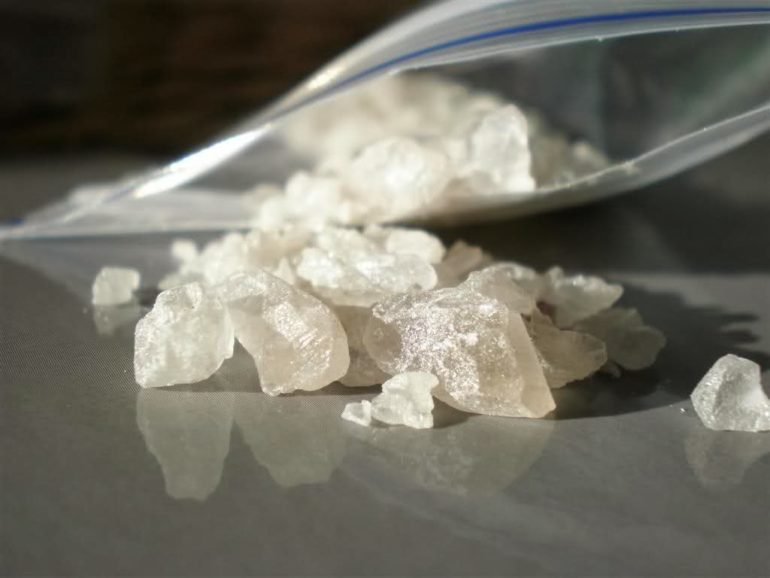
Pure MDMA contains only 3,4-methylenedioxymethamphetamine as its active compound, typically appearing as white or off-white crystalline powder. Street ecstasy pills, however, rarely contain pure MDMA. Studies show that only about 60% of pills sold as ecstasy actually contain MDMA as the primary ingredient. The remaining 40% either contain no MDMA at all or include dangerous substitutes like methylone, mephedrone, or synthetic cathinones.
The manufacturing process for street ecstasy often involves cutting agents and binding materials that reduce purity levels significantly. While pharmaceutical-grade MDMA maintains purity levels above 99%, street variants typically range between 20-80% purity when MDMA is present at all.
Active Ingredient Concentration Variations
MDMA concentration in ecstasy pills varies dramatically, creating unpredictable effects for users. Laboratory analyses reveal concentration ranges from 0mg to over 300mg per pill, with most containing between 80-120mg. This inconsistency makes dosage control nearly impossible.
| Source Type | Typical MDMA Content | Purity Range |
|---|---|---|
| Pure MDMA Crystal | 99%+ | 95-99.9% |
| High-quality Pills | 80-150mg | 60-85% |
| Average Street Pills | 40-100mg | 20-60% |
| Low-quality Pills | 0-50mg | 0-30% |
The concentration problem becomes more complex when pills contain multiple psychoactive substances, each with different onset times and durations.
Common Adulterants Found in Ecstasy Pills
Dangerous adulterants frequently appear in ecstasy pills, including:
-
Caffeine – Found in 70% of tested pills, masking MDMA’s effects
-
MDA – Creates longer, more intense experiences than MDMA
-
Methamphetamine – Increases addiction potential and health risks
-
2C-B – Produces hallucinogenic effects lasting 8-12 hours
-
PMA/PMMA – Extremely dangerous compounds causing fatal overheating
-
DXM – Cough suppressant creating dissociative effects
-
Ketamine – Anesthetic causing confusion and memory problems
These adulterants often interact unpredictably with MDMA or replace it entirely, creating serious health hazards.
Laboratory Testing Results Comparison
Recent laboratory testing from harm reduction organizations shows alarming contamination rates. The Drug Enforcement Administration’s analysis of seized samples found that 47% contained no MDMA whatsoever. European testing services report similar findings, with one study showing 38% of submitted samples containing dangerous adulterants.
Testing also reveals significant regional variations in pill composition, with some areas showing higher rates of PMA contamination while others see more synthetic cathinone substitution. This geographic inconsistency makes predicting pill contents virtually impossible without professional testing.
Physical Form and Appearance Distinctions
Crystal versus Powder MDMA Forms
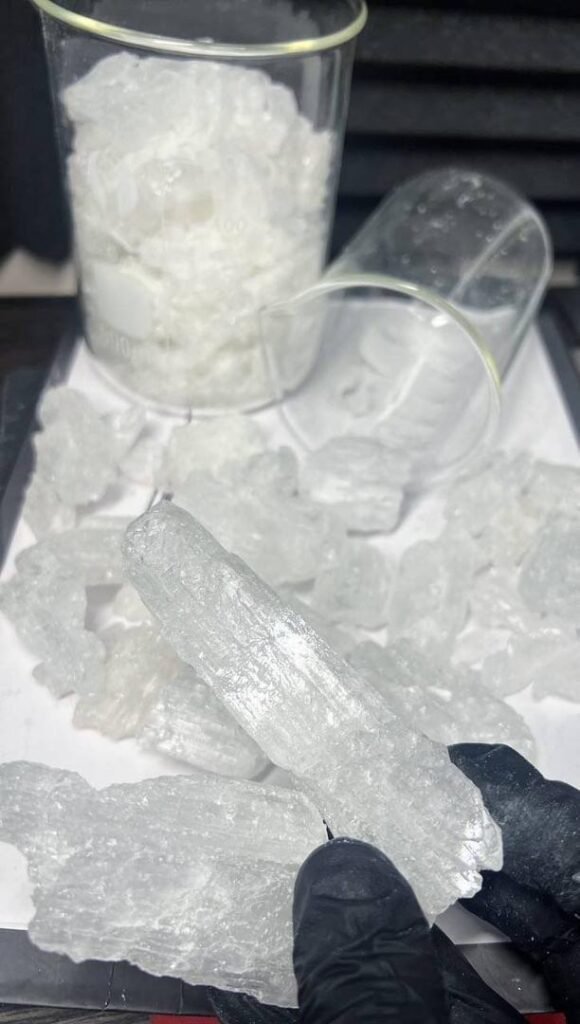
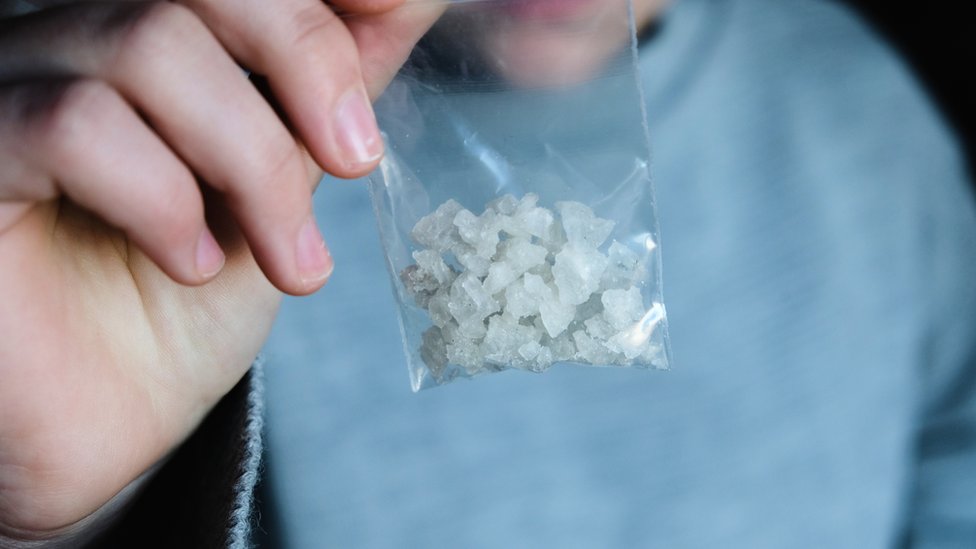
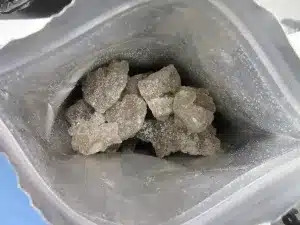
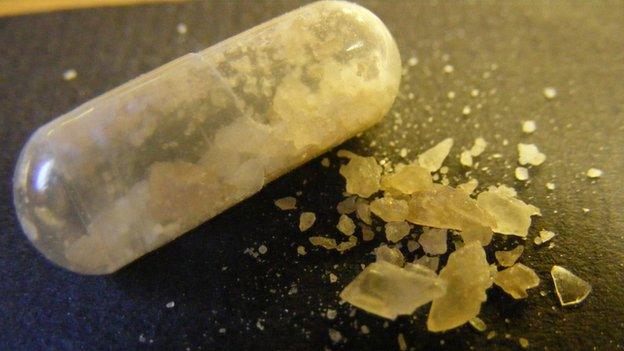
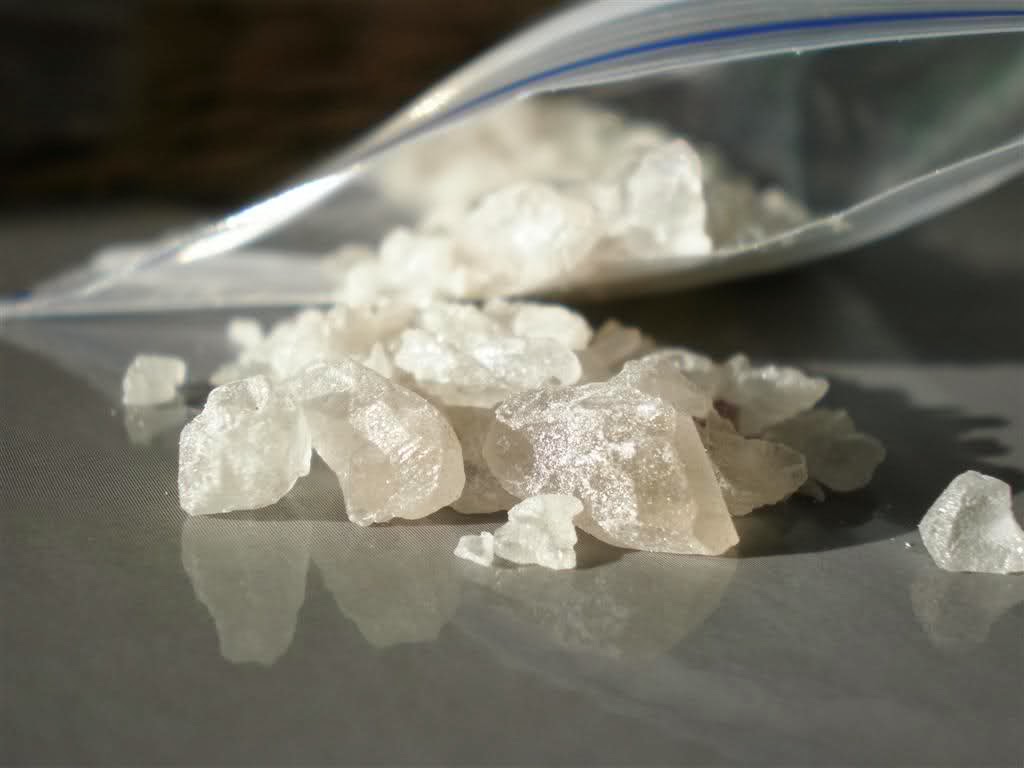
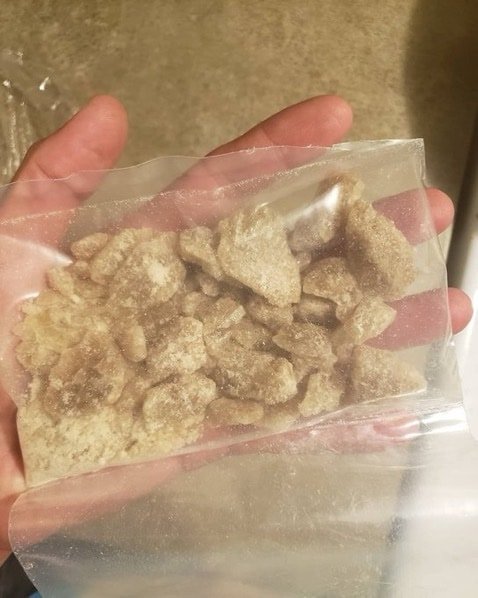
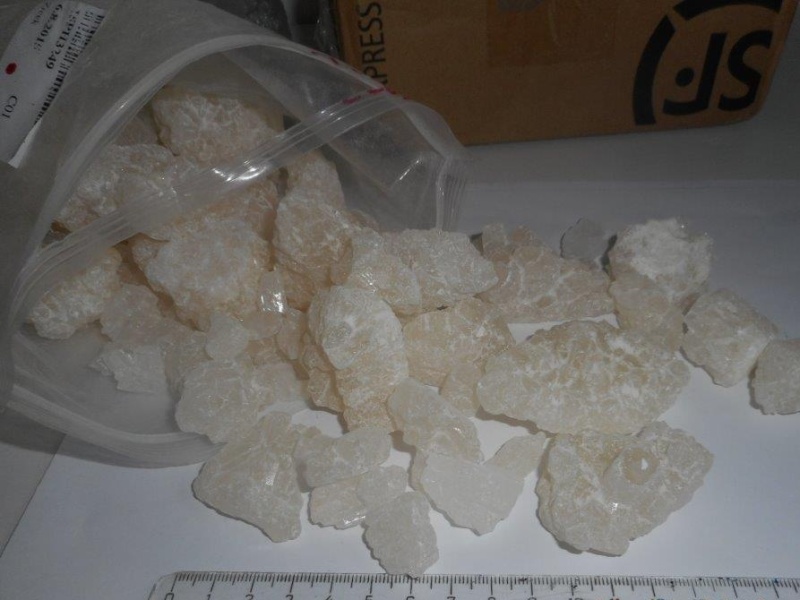
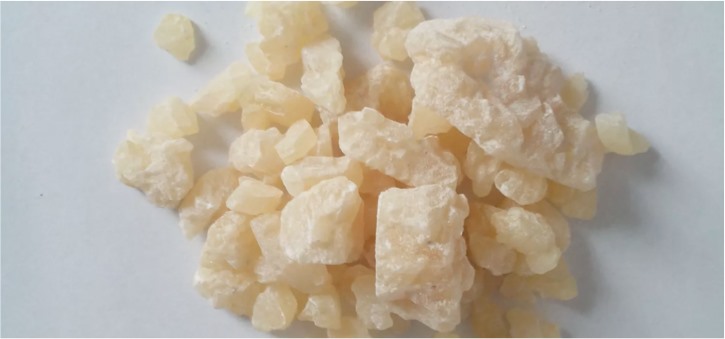
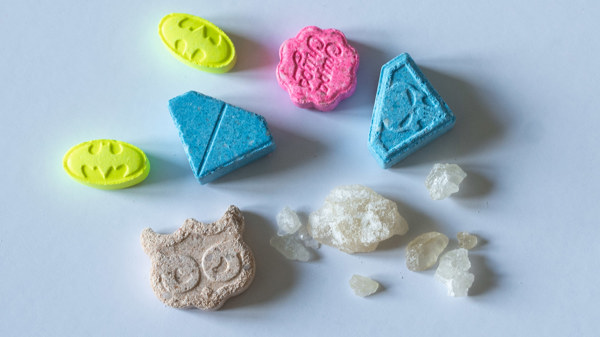
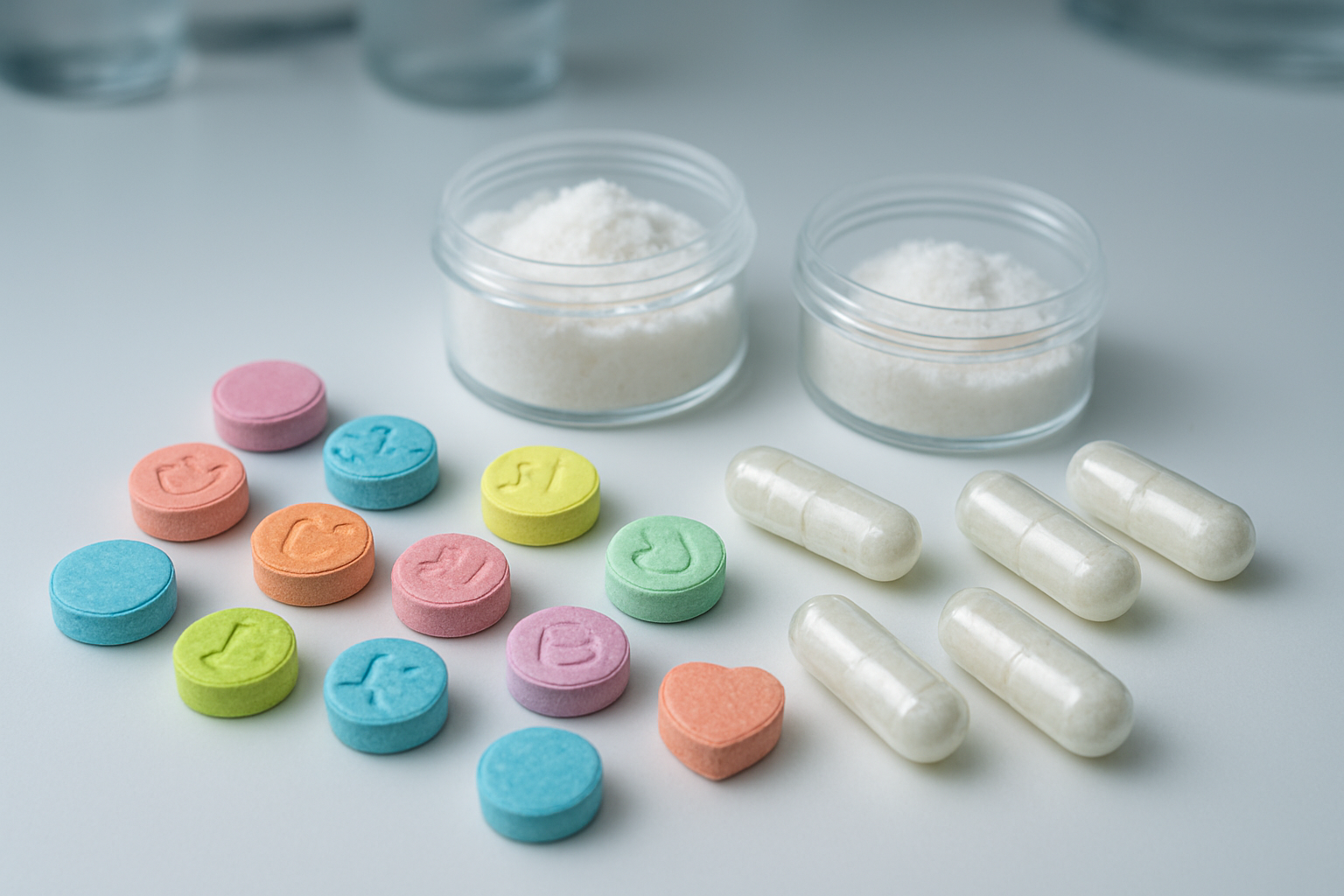
Pure MDMA typically appears as translucent or white crystals that resemble coarse salt or small shards of glass. These crystals often have a slight yellowish or brownish tint, which usually indicates the presence of manufacturing byproducts rather than impurities. Crystal forms generally suggest higher purity levels since they require more sophisticated production methods.
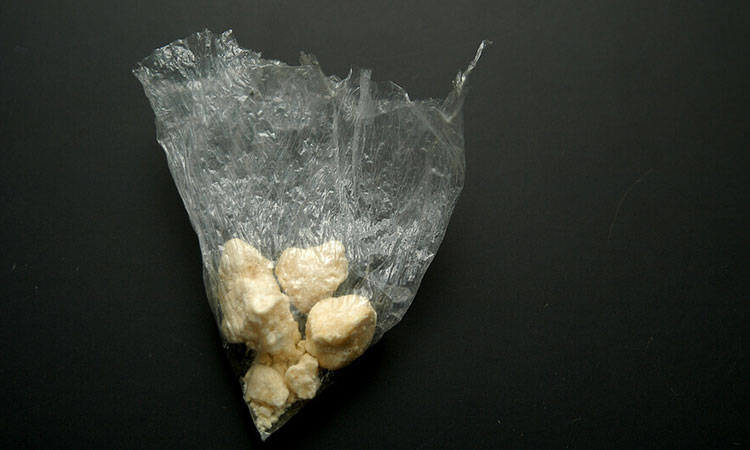
Powder MDMA presents as a fine, crystalline substance that ranges from pure white to off-white, tan, or even grayish colors. The powder form is essentially crushed crystals, making it easier to measure doses and mix with other substances. However, powder forms are more susceptible to adulteration since additional compounds can be easily mixed in without obvious visual detection.
The texture differences between these forms can help identify quality. High-quality crystals should be hard and require effort to break apart, while powder should feel fine and uniform rather than chunky or containing visible foreign particles.
Pressed Pill Designs and Colors
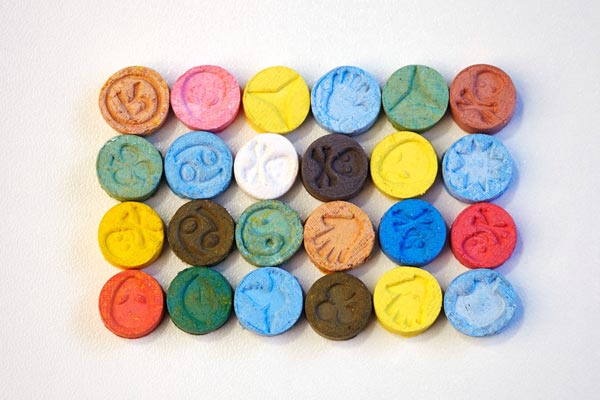
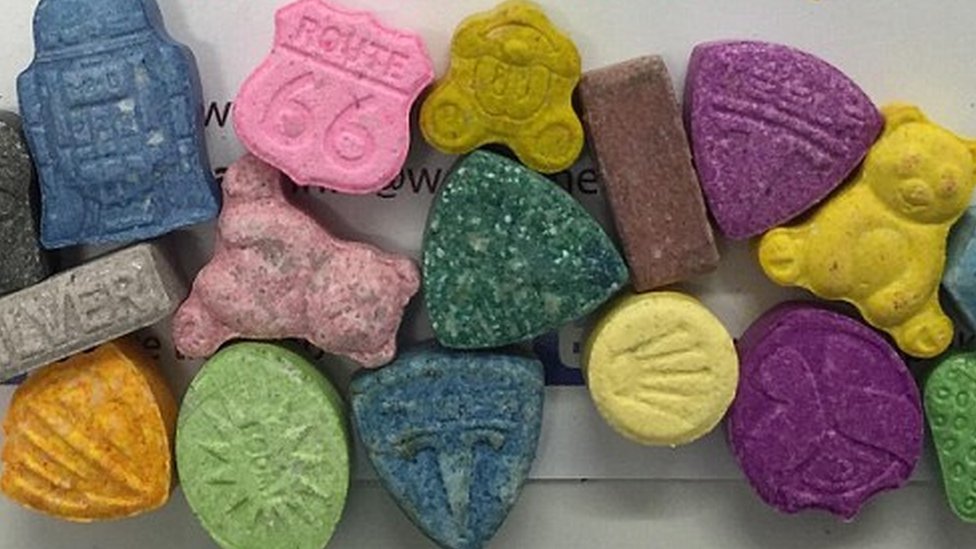
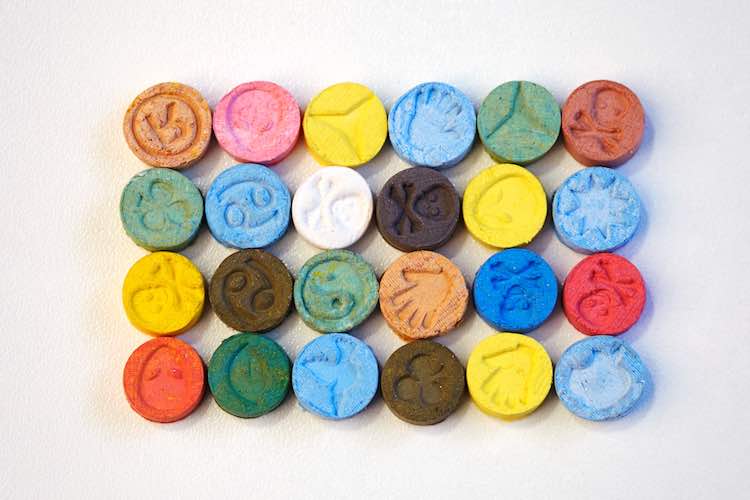
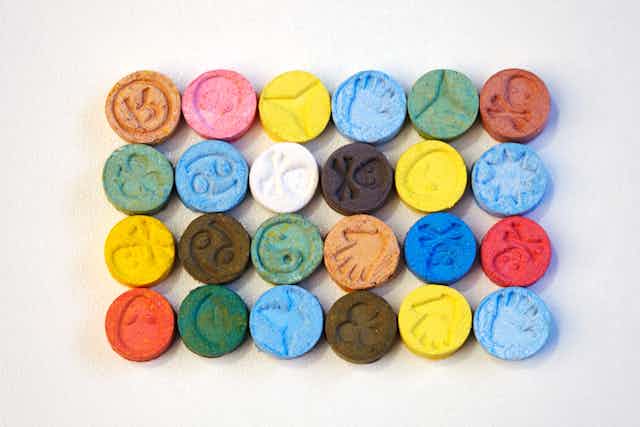
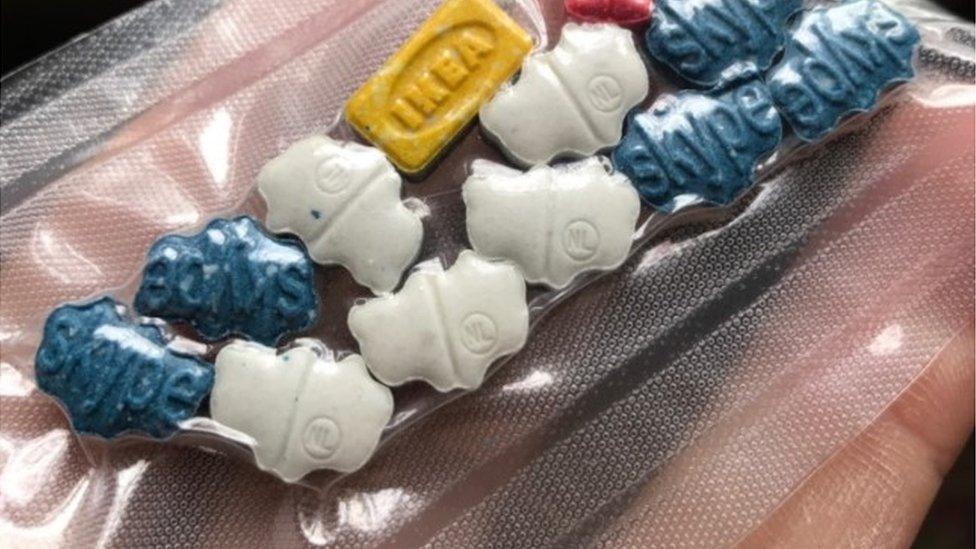
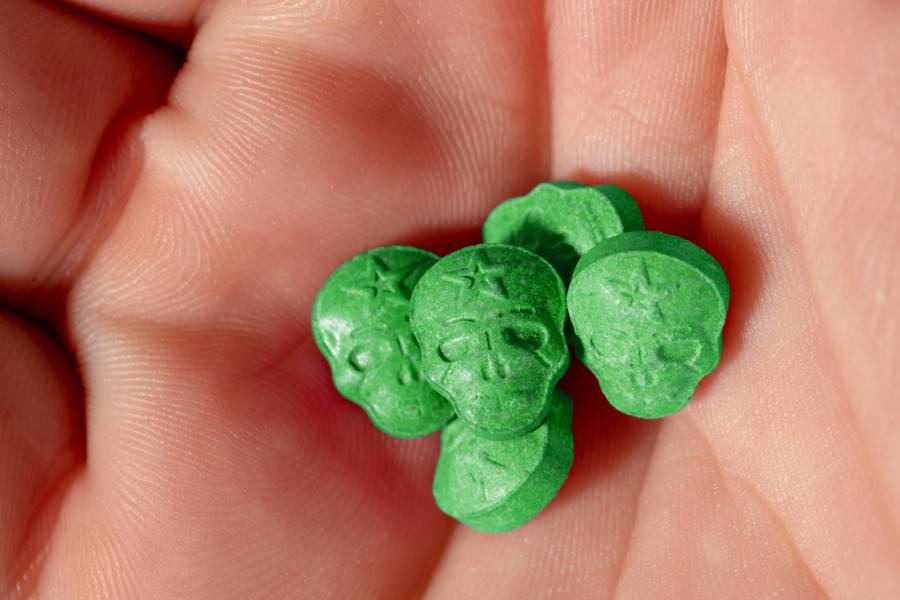
Ecstasy pills come in an enormous variety of shapes, colors, and designs that often serve as brand identifiers for different manufacturers. Common shapes include round tablets, but you’ll also find hearts, diamonds, triangles, and even complex logos or symbols pressed into the surface.
Colors span the entire spectrum, from classic white and yellow to vibrant blues, pinks, greens, and multicolored combinations. Some pills feature distinctive markings, numbers, or brand logos that users often reference when discussing specific batches or types.
| Common Pill Characteristics | Description |
|---|---|
| Size | Usually 6-12mm diameter |
| Weight | Typically 200-400mg total |
| Texture | Hard-pressed, smooth surface |
| Markings | Numbers, letters, or symbols |
The appearance of pressed pills can be deceiving since manufacturers often copy popular designs. Two pills that look identical might contain completely different substances or dosages, making visual identification unreliable for determining contents or quality.
Capsule versus Tablet Presentations
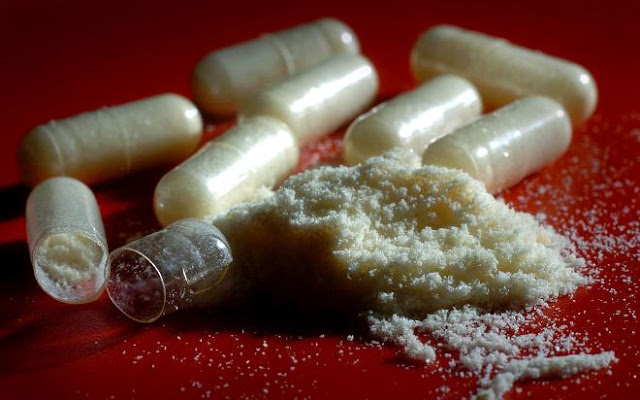
Capsules offer a different presentation method, typically using gelatin shells filled with MDMA powder or small crystals. These capsules are usually clear or colored and allow users to see the contents inside. The main advantage of capsules is portion control – they can be opened to adjust dosages more easily than tablets.
Tablets represent the most common form, created by pressing MDMA powder with binding agents into solid forms. These compressed tablets are harder to split accurately and often contain additional inactive ingredients that help hold the pill together.
Capsules tend to dissolve faster in the stomach compared to hard-pressed tablets, potentially affecting onset time. The gelatin shell breaks down quickly, releasing the contents for absorption, while tablets must first break apart mechanically before the active compounds become available.
Onset Time and Duration Variances
Pure MDMA Absorption Rates
Pure MDMA typically gets absorbed into your bloodstream much faster than pressed pills containing the same substance. When you take crystalline MDMA, your body can process it more efficiently because there are fewer additives blocking absorption. Most people start feeling the initial effects within 20-45 minutes of taking pure MDMA on an empty stomach.
The absorption rate depends heavily on several factors including stomach contents, individual metabolism, and body weight. Pure MDMA dissolves quickly in stomach acid, allowing for rapid uptake through the intestinal walls. People often describe the onset as smoother and more predictable compared to street pills.
Ecstasy Pill Delayed Release Patterns
Pressed ecstasy pills create a more unpredictable timeline because of their complex composition. These pills contain binding agents, fillers, and sometimes multiple active compounds that slow down dissolution. The coating and compression of pills means your stomach needs more time to break them down completely.
Many users report delayed effects ranging from 45 minutes to 2 hours with pressed pills. Some pills are designed with time-release mechanisms, creating waves of effects rather than one consistent experience. The variability makes it harder to predict when effects will kick in, which can lead people to mistakenly take additional doses.
Peak Effect Timing Differences
Pure MDMA reaches peak plasma concentrations around 1-2 hours after ingestion. Users typically hit their strongest effects during this window, experiencing maximum euphoria, empathy, and energy. The peak tends to be intense but manageable when dosing is controlled.
Ecstasy pills often have staggered peak times due to their mixed compositions. You might experience multiple smaller peaks over 2-4 hours instead of one clear maximum. This can create confusion about whether the substance is “working” and may tempt users to redose prematurely.
Overall Experience Length Comparison
| Aspect | Pure MDMA | Ecstasy Pills |
|---|---|---|
| Total Duration | 4-6 hours | 6-8 hours |
| Peak Duration | 1-2 hours | 2-3 hours |
| Comedown Time | 2-4 hours | 3-5 hours |
Pure MDMA generally provides a shorter, more concentrated experience. The effects build quickly, plateau for a reasonable time, then gradually decrease. This predictable pattern makes it easier to plan activities and manage the experience safely.
Pressed pills tend to create longer experiences with more unpredictable phases. The extended timeline often results from additional stimulants or the slow release of MDMA from compressed tablets. Users frequently report feeling effects lingering well into the next day with pills compared to pure forms.
Potency and Dosage Control Factors

Predictable MDMA Dosing Standards
Pure MDMA comes with relatively predictable dosing standards that allow users and researchers to better understand expected effects. Clinical studies typically use doses ranging from 75-125mg for therapeutic applications, providing a baseline for understanding the substance’s pharmacological profile. Pure MDMA powder or crystals enable more precise measurement since the user knows exactly what they’re consuming without adulterants affecting the calculation.
The consistency of pure MDMA means that experienced users can better gauge their tolerance and adjust doses accordingly. This predictability becomes especially important in controlled settings where researchers need standardized amounts to study therapeutic benefits. Medical professionals conducting MDMA-assisted psychotherapy rely on these consistent dosing parameters to ensure patient safety and treatment efficacy.
Inconsistent Ecstasy Pill Strengths
Ecstasy pills present a completely different scenario when it comes to dosing reliability. Street ecstasy tablets can contain anywhere from 50mg to over 300mg of MDMA, making it nearly impossible to predict the strength without laboratory testing. Many pills contain little to no MDMA at all, instead featuring dangerous substitutes like synthetic cathinones, amphetamines, or completely unrelated compounds.
The pill pressing process allows dealers to create tablets that look identical while containing vastly different amounts of active ingredients. Popular brand names and logos get copied repeatedly, leading to situations where two identical-looking pills from different sources can have completely different effects. This inconsistency creates a dangerous guessing game for users who have no way to determine what they’re actually taking.
Testing organizations regularly publish data showing the wide variance in ecstasy pill contents. Some pills labeled as containing MDMA contain none at all, while others exceed safe dosing thresholds by dangerous margins.
Risk Assessment for Each Form
| Risk Factor | Pure MDMA | Street Ecstasy Pills |
|---|---|---|
| Dosing accuracy | High predictability | Extremely variable |
| Adulterant presence | Minimal (if pure) | Very common |
| Overdose potential | Lower with proper knowledge | Significantly higher |
| Unknown substances | Unlikely | Highly probable |
Pure MDMA allows for better risk management because users can calculate doses more accurately and avoid dangerous adulterants. However, this doesn’t eliminate all risks – MDMA itself carries cardiovascular and neurological concerns that require careful consideration.
Ecstasy pills multiply these risks exponentially. Users face the combined dangers of unknown MDMA quantities, potentially lethal adulterants, and substances that may interact dangerously with each other. The unpredictability makes it impossible to apply harm reduction strategies effectively, since users can’t know what precautions to take against unknown chemicals.
Safety Profile and Health Risk Variations
Known MDMA Side Effects
Pure MDMA produces predictable physiological and psychological effects that users should understand. Common immediate effects include increased heart rate, elevated blood pressure, jaw clenching, teeth grinding, and excessive sweating. Users often experience dehydration, hyperthermia, and electrolyte imbalances that can become dangerous in hot environments or during prolonged dancing.
Psychological effects typically involve enhanced empathy, emotional openness, and altered sensory perception. However, users may also experience anxiety, panic attacks, or confusion during the experience. The comedown period frequently brings mood swings, depression, fatigue, and difficulty concentrating that can persist for several days.
Sleep disruption represents another significant concern, as MDMA interferes with normal sleep patterns for 24-48 hours after use. Memory formation can become impaired during the experience, leading to gaps in recollection of events.
Additional Risks from Ecstasy Adulterants
Street ecstasy pills carry substantially higher risks due to unknown adulterants and substituted substances. Common adulterants include caffeine, methamphetamine, ketamine, PCP, and synthetic cathinones like methylone or mephedrone. These additions create unpredictable effects and dangerous drug interactions.
Particularly concerning are pills containing no MDMA whatsoever, instead containing substances like 25I-NBOMe, DOB, or PMA/PMMA. These compounds can be lethal at doses similar to typical MDMA amounts. PMA and PMMA are especially dangerous because they take longer to produce effects, leading users to redose before the initial dose takes effect.
| Common Adulterant | Primary Risk |
|---|---|
| Methamphetamine | Increased neurotoxicity, addiction potential |
| PMA/PMMA | Severe hyperthermia, delayed onset leading to overdose |
| 25I-NBOMe | Seizures, cardiac arrest at low doses |
| Synthetic cathinones | Unpredictable stimulant effects |
Emergency Response Considerations
Medical emergencies involving MDMA aka Ecstasy require different approaches depending on the substance’s purity. Pure MDMA overdoses typically present with hyperthermia, serotonin syndrome, or cardiovascular complications. Treatment focuses on cooling the body, managing blood pressure, and addressing dehydration.
Ecstasy-related emergencies become more complex due to unknown adulterants. First responders must consider multiple potential substances and their interactions. Symptoms might include seizures from NBOMe compounds, extreme agitation from methamphetamine, or dissociative effects from ketamine.
Key emergency signs include body temperature above 103°F (39.4°C), rapid or irregular heartbeat, confusion, seizures, or loss of consciousness. Immediate cooling and medical attention are critical, as hyperthermia can cause organ failure within hours.
Long-term Health Impact Differences
Research suggests pure MDMA may cause less long-term damage than adulterated versions, though both carry risks. Pure MDMA primarily affects serotonin systems, potentially leading to decreased serotonin function with heavy use. Studies show possible memory and mood impacts, though results remain debated among researchers.
Adulterated ecstasy introduces additional long-term concerns. Methamphetamine adulterants increase dopamine system damage and addiction risk. Regular exposure to unknown adulterants makes it impossible to predict or monitor cumulative health effects.
The unpredictable nature of street ecstasy means users cannot assess their risk accurately or make informed decisions about frequency of use.
Harm Reduction Strategies for Each Type
For those choosing to use despite risks, different strategies apply to pure MDMA versus street ecstasy. Testing kits represent the most important harm reduction tool, helping identify adulterants or complete substitutions before consumption.
For any MDMA use:
-
Start with small amounts and wait 2+ hours before redosing
-
Stay hydrated but avoid overdrinking water (sip 250ml per hour)
-
Take breaks from dancing and seek cool environments
-
Use with trusted friends in safe settings
-
Avoid mixing with other substances
-
Plan recovery time and avoid driving for 24+ hours
Additional strategies for street ecstasy:
-
Always test substances with multiple reagent kits
-
Research pill reports on harm reduction websites
-
Consider splitting pills to test effects gradually
-
Be extra cautious about redosing due to unknown onset times
-
Have emergency contact information readily available
Temperature regulation becomes especially critical with any form, as hyperthermia remains one of the most serious immediate risks regardless of purity.
FAQ
What’s the actual difference between MDMA and Ecstasy?
MDMA is the pure chemical compound (3,4-methylenedioxymethamphetamine), while Ecstasy refers to pills or tablets that supposedly contain MDMA but often include other substances. Think of MDMA as the ingredient and Ecstasy as the final product – which might be mixed with anything from caffeine to dangerous adulterants.
Are MDMA crystals safer than Ecstasy pills?
Pure MDMA crystals generally carry fewer risks than Ecstasy pills because you know exactly what you’re getting. Pills can contain unpredictable mixtures of substances, making dosing difficult and increasing health risks. However, even pure MDMA carries significant health risks and should never be considered “safe.”
How can you tell if MDMA aka Ecstasy is pure?
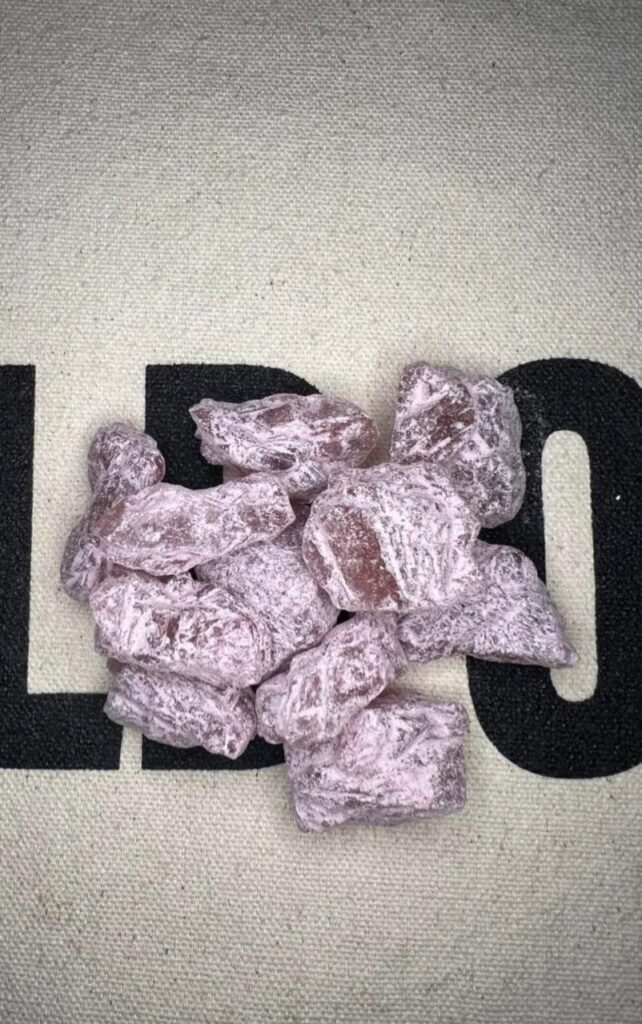
Visual inspection won’t tell you much – pure MDMA can look like white, brown, or purple crystals, while pills come in countless colors and shapes. The only reliable way to determine purity is through professional laboratory testing or reagent test kits, though these only provide basic identification, not purity levels.
Why do some people prefer MDMA over Ecstasy pills?
Many users prefer crystalline MDMA because they can better control their dosage and avoid unknown adulterants commonly found in pressed pills. The experience tends to be more predictable, and there’s less risk of consuming harmful cutting agents or substitute drugs.
What are the legal consequences for MDMA aka Ecstasy possession?
Both MDMA and Ecstasy are Schedule I controlled substances in most countries, carrying identical severe legal penalties. Possession can result in felony charges, prison time, heavy fines, and permanent criminal records. The legal system doesn’t distinguish between pure MDMA and adulterated Ecstasy pills.
How long do the effects last for different forms?
Pure MDMA typically produces effects lasting 3-6 hours, with onset occurring within 30-90 minutes. Ecstasy pills can be unpredictable – some may last longer due to adulterants, while others might wear off quickly if they contain little actual MDMA. The comedown period can extend for days regardless of the form consumed.
Can you overdose on MDMA aka Ecstasy?
Yes, overdose is possible with both forms and can be life-threatening. Symptoms include hyperthermia, rapid heart rate, high blood pressure, seizures, and organ failure. Ecstasy pills pose additional overdose risks because users don’t know what other substances they’re consuming or in what quantities. Emergency medical attention is critical if overdose is suspected.

MDMA and Ecstasy might seem like the same thing, but the differences between them can seriously impact your experience and safety. From chemical purity and physical appearance to how quickly they kick in and how long they last, these variations matter more than most people realize. The biggest concerns come down to potency control and health risks – street Ecstasy often contains unknown additives that can be dangerous, while pharmaceutical-grade MDMA offers more predictable effects.
Your safety should always come first when making decisions about these substances. If you’re going to use them, educating yourself about these five key differences can help you make more informed choices and reduce potential harm. Consider reaching out to harm reduction organizations in your area for testing services and additional safety information. Remember, what you think you’re taking might not be what you’re actually getting.