
microdosing psychedelics

Microdosing Psychedelics

Microdosing Psychedelics: Unveiling Remarkable Health Benefits and Therapeutic Potential

The practice of microdosing psychedelics has emerged as one of the most fascinating developments in modern wellness and therapeutic research. Scientists and health practitioners worldwide now recognize that taking sub-perceptual doses of psychedelic substances offers unexpected health benefits that extend far beyond traditional mental health applications.

Understanding the Science Behind Microdosing Psychedelics

Microdosing Psychedelics: Unveiling Remarkable Health Benefits And Therapeutic Potential

What Defines a Microdose and Its Mechanisms

Microdosing psychedelics involves consuming approximately 5-10% of a full psychoactive dose, typically ranging from 0.1-0.3 grams of dried psilocybin mushrooms or 6-25 micrograms of LSD. This practice activates specific neurobiological pathways without producing hallucinogenic effects.


The brain responds to these micro-amounts by stimulating serotonin receptors, particularly the 5-HT2A receptor, which triggers cascading neurochemical changes. These low doses create subtle but measurable alterations in neural activity patterns, promoting enhanced connectivity between brain regions while maintaining normal consciousness levels.


Unlike therapeutic doses used in clinical settings or recreational amounts that produce intense psychoactive experiences, microdoses work below the threshold of perception while still influencing brain chemistry and function.

Primary Substances in Microdosing Practices

Psilocybin Mushrooms

Psilocybin represents the most researched substance in microdosing psychedelics studies. Users typically consume 0.1-0.3 grams of dried mushrooms every three days, with effects lasting 6-8 hours. Current research demonstrates promising results for mood enhancement and cognitive improvement.

LSD Microdosing

LSD microdoses range from 6-25 micrograms, significantly lower than recreational doses. Research participants follow structured protocols showing improved focus and emotional regulation. Scientific findings indicate sustained benefits lasting several days post-dose.

Emerging Compounds

DMT and mescaline have entered microdosing research, though studies remain limited. These substances show potential for unique therapeutic applications, requiring further investigation to establish safety profiles and optimal dosing guidelines.

Established Protocols and Dosing Schedules

The Fadiman Protocol

Dr. James Fadiman developed the most widely adopted approach: dosing every three days with rest periods. This schedule prevents tolerance development while allowing cumulative benefits to emerge. Users take one dose, followed by two rest days, creating a sustainable long-term pattern.

Alternative Scheduling Methods

Some practitioners prefer five-day cycles or intuitive dosing based on individual responses. These variations accommodate personal schedules and sensitivity levels, though systematic research comparing different protocols remains limited.

Mental Health Improvements Through Microdosing Psychedelics

Mental Health Improvements Through Microdosing Psychedelics

Depression and Anxiety Relief

Clinical studies reveal significant depression score reductions among microdosing psychedelics participants compared to control groups. Research demonstrates that regular microdosing activates neuroplasticity mechanisms, helping break persistent negative thought patterns associated with depressive episodes.


Anxiety reduction occurs through enhanced GABA system function and reduced amygdala hyperactivity. Participants report sustained mood improvements lasting weeks beyond active dosing periods, suggesting long-term neurochemical rebalancing rather than temporary symptom suppression.


Traditional antidepressant medications often produce side effects including sexual dysfunction, weight gain, and emotional blunting. Microdosing shows fewer adverse effects while providing comparable or superior mood enhancement in preliminary studies.

Enhanced Cognitive Function and Mental Clarity

Microdosing psychedelics produces measurable improvements in working memory, sustained attention, and executive function. Neuroimaging studies show increased activity in prefrontal cortex regions responsible for higher-order thinking and decision-making.


Problem-solving abilities demonstrate significant enhancement, with participants showing increased divergent thinking and creative solution generation. These cognitive benefits appear in both neurotypical individuals and those with attention-related disorders.


Processing speed and mental flexibility improve consistently across multiple studies, suggesting that microdosing enhances overall cognitive efficiency rather than targeting specific mental functions.

Emotional Regulation and Stress Management

Regular microdosing reduces emotional reactivity while preserving emotional depth and authenticity. Users report improved stress response patterns and enhanced resilience during challenging situations.


Interpersonal relationships benefit from increased empathy, emotional intelligence, and communication skills. These improvements stem from enhanced neural connectivity between emotional processing centers and rational decision-making regions.


Trauma processing capabilities improve as microdosing appears to reduce fear-based responses while maintaining access to emotional memories needed for therapeutic work.

Unexpected Physical Health Benefits

Cardiovascular System Improvements

Microdosing psychedelics produces measurable cardiovascular benefits including improved heart rate variability and blood pressure regulation. These effects result from enhanced autonomic nervous system balance and reduced chronic stress responses.


Inflammation markers linked to cardiovascular disease show significant reductions in regular microdosers. C-reactive protein, interleukin-6, and other inflammatory indicators decrease substantially during active microdosing periods.


Age-related cardiovascular decline may slow through microdosing’s protective effects on endothelial function and arterial flexibility, though long-term studies are needed to confirm these preliminary findings.

Immune System Function Enhancement

Immune response optimization occurs through microdosing psychedelics effects on inflammatory pathways and stress hormone regulation. Research shows improved immune cell function and reduced autoimmune symptom severity.


Cellular-level anti-inflammatory effects activate through serotonin receptor pathways that influence immune system signaling. These changes reduce systemic inflammation while preserving healthy immune responses to pathogens.


Chronic inflammatory conditions including arthritis, inflammatory bowel disease, and autoimmune disorders show improvement in preliminary case studies, warranting further investigation.

Sleep Quality and Energy Enhancement

Sleep architecture improvements include increased deep sleep phases and reduced sleep onset time. Microdosing psychedelics helps regulate circadian rhythms without producing sedative effects or next-day grogginess.


Daytime energy levels increase naturally without stimulant-like side effects or afternoon crashes. Users report sustained energy throughout the day while maintaining normal sleep patterns at night.


Natural sleep cycle restoration occurs as microdosing helps synchronize internal biological clocks with environmental light-dark cycles, particularly beneficial for individuals with disrupted circadian rhythms.

Neuroplasticity and Long-Term Brain Health

Are Psychedelic Drugs Safe When Microdosing? - Https://Psychedelic-Today.com/

Neural Pathway Development

Microdosing psychedelics dramatically increases brain-derived neurotrophic factor (BDNF) production, promoting new neural connection formation. This neuroplasticity enhancement helps break rigid thought patterns and facilitates behavioral change.


Synaptic plasticity improvements create more flexible neural networks capable of adapting to new information and experiences. These changes support learning, memory formation, and cognitive flexibility throughout life.


Neural rewiring processes activated by microdosing help overcome entrenched mental habits and automatic response patterns, creating opportunities for personal growth and behavioral modification.

Neuroprotective Effects Against Aging

Research suggests microdosing psychedelics may protect against neurodegenerative diseases including Alzheimer’s and Parkinson’s disease. These protective effects result from enhanced cellular repair mechanisms and reduced neuroinflammation.


Cognitive function maintenance in aging populations shows promise through microdosing’s neuroplasticity-promoting effects. Older adults demonstrate improved memory, attention, and executive function during microdosing protocols.


Cellular repair mechanisms activated by psychedelic compounds include autophagy enhancement, mitochondrial function improvement, and oxidative stress reduction, all crucial for healthy brain aging.

Recovery and Rehabilitation Applications

Traumatic brain injury recovery accelerates through microdosing psychedelics effects on neurogenesis and neural repair processes. Patients show improved cognitive function and faster symptom resolution compared to standard treatments alone.


Stroke rehabilitation outcomes improve when microdosing supplements traditional therapy approaches. Enhanced neuroplasticity facilitates motor skill relearning and cognitive function recovery.


Addiction recovery programs incorporating microdosing show higher success rates and reduced relapse likelihood, as neuroplasticity enhancement supports breaking addictive behavior patterns.

Current Research Landscape and Clinical Evidence

Major Studies and Key Findings

Randomized controlled trials examining microdosing psychedelics have produced encouraging preliminary results. The largest study to date followed 953 participants over six months, demonstrating significant improvements in mood, anxiety, and cognitive function compared to placebo groups.


Longitudinal research tracking microdosing effects over extended periods reveals sustained benefits lasting months after treatment completion. These findings suggest that microdosing creates lasting neurobiological changes rather than temporary symptom relief.


Meta-analyses combining multiple research efforts show consistent positive effects across different populations and dosing protocols, strengthening confidence in microdosing’s therapeutic potential.

Research Limitations and Gaps

Current studies face sample size constraints and demographic limitations, with most participants being young, educated, and predominantly white. Broader demographic representation is needed to establish universal applicability.


Placebo effect considerations complicate research design since participants may recognize subtle psychoactive effects. Researchers develop innovative blinding methods to address these methodological challenges.


Long-term safety and efficacy studies remain limited, requiring multi-year investigations to fully understand microdosing psychedelics risks and benefits over extended periods.

Future Research Directions

Multiple clinical trials currently recruit participants to investigate specific therapeutic applications including treatment-resistant depression, ADHD, and chronic pain conditions. These studies employ rigorous methodologies to establish definitive efficacy evidence.


Research questions continue expanding to explore optimal dosing schedules, individual variation factors, and combination therapies integrating microdosing with traditional treatments.


Regulatory approval timelines suggest that medical microdosing applications may become available within 5-10 years as research evidence accumulates and regulatory frameworks evolve.

Safety Considerations and Risk Assessment

Known Side Effects and Contraindications

Microdosing psychedelics produces minimal side effects in most users, with reported adverse effects including mild anxiety, appetite changes, and occasional sleep disturbances. These effects typically resolve quickly and rarely require intervention.


Drug interactions remain poorly understood, requiring caution when combining microdosing with psychiatric medications, particularly SSRIs and MAOIs. Medical supervision is essential for individuals taking prescription medications.


Psychological risks exist for vulnerable populations including individuals with psychotic disorders, bipolar disorder, or severe anxiety conditions. Screening protocols help identify unsuitable candidates.

Legal Status and Regulatory Framework

Most psychedelic substances remain federally illegal despite growing research evidence and changing public attitudes. However, numerous jurisdictions have decriminalized or created legal research frameworks.


Regional variations in enforcement and medical access create complex legal landscapes. Some areas permit supervised therapeutic use while others maintain strict prohibition policies.


Regulatory pathways for future legalization focus on medical applications first, with recreational access likely following successful therapeutic integration.

Best Practices for Safe Implementation

Medical supervision provides optimal safety for microdosing psychedelics implementation. Healthcare providers can monitor progress, manage interactions, and address adverse effects promptly.


Substance purity and quality control present significant challenges in unregulated markets. Third-party testing and trusted sources become crucial for safety and consistency.


Integration practices including therapy, meditation, and journaling enhance benefits while providing support systems for processing experiences and insights.

Conclusion

Microdosing psychedelics represents a revolutionary approach to health optimization with benefits extending far beyond traditional therapeutic applications. Current research demonstrates remarkable potential for mental health improvement, cognitive enhancement, and unexpected physical health benefits including cardiovascular protection and immune system optimization.


While research continues evolving, preliminary evidence strongly supports microdosing’s therapeutic potential with minimal side effects compared to traditional medications. The practice shows promise for addressing multiple health conditions simultaneously through neuroplasticity enhancement and systemic inflammation reduction.


Safety considerations, legal constraints, and the need for comprehensive long-term studies remain important factors requiring attention before widespread adoption. However, as regulatory frameworks evolve and research evidence accumulates, microdosing psychedelics may become an essential tool in personalized medicine and preventive healthcare strategies.


The future of microdosing appears bright as scientific understanding deepens and societal acceptance grows, potentially transforming approaches to mental health treatment, cognitive optimization, and overall wellness enhancement.

Frequently Asked Questions

Q: How long do microdosing effects typically last?

A: Individual microdoses produce subtle effects lasting 6-8 hours, while cumulative benefits may persist for weeks or months after consistent use, though comprehensive long-term research continues developing.


Q: Can microdosing replace traditional depression or anxiety medications?

A: Microdosing psychedelics should never replace prescribed medications without medical supervision, as research remains ongoing and individual responses vary significantly across different populations.


Q: What is the legal status of microdosing in most countries?

A: Most psychedelic substances remain illegal internationally, though numerous regions have decriminalized use or established legal research programs. Legal status varies considerably by location and specific substance.


Q: How can someone determine if microdosing is producing benefits?

A: Effects typically include improved mood, enhanced creativity, better focus, or increased emotional regulation. Maintaining a detailed daily journal helps track subtle changes and progress over time.


Q: What are the most frequently reported side effects?

A: Common side effects include mild anxiety, slight appetite changes, occasional sleep disturbances, and rare instances of increased emotional sensitivity, though most users report minimal adverse effects.


Q: What dosing frequency provides optimal benefits?

A: Most research supports dosing every 2-3 days to prevent tolerance development, though optimal frequency varies individually and requires additional study to establish definitive protocols for different populations.

Psilocybin Safety Beyond Psychotropics

Psilocybin Safety Beyond Psychotropics: A Comprehensive Guide to Medication Interactions and Safe Usage

Introduction

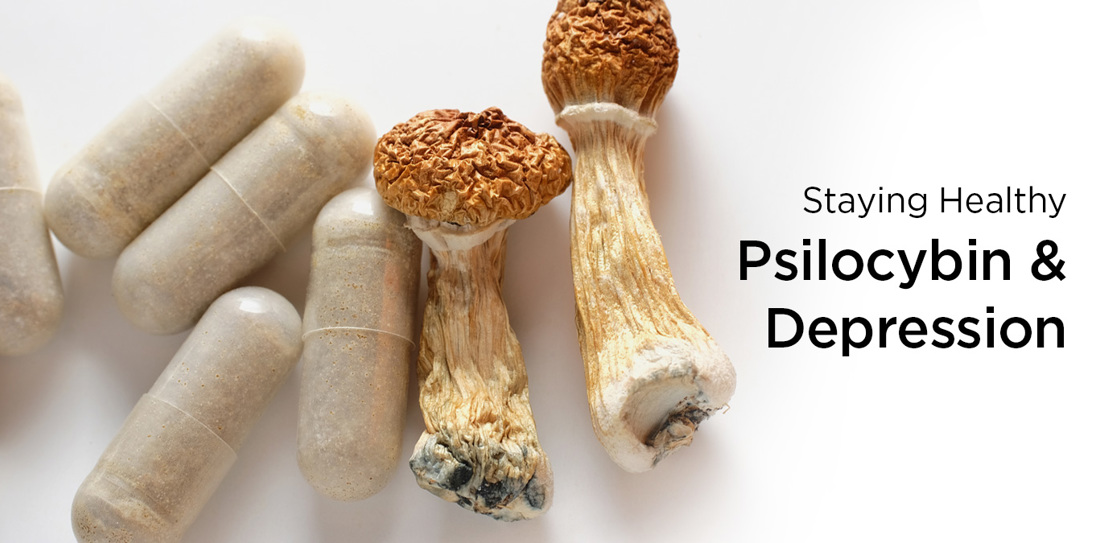
Psilocybin Safety Beyond Psychotropics represents a critical area of medical understanding that extends far beyond traditional psychoactive substance considerations. As psilocybin gains recognition for its therapeutic potential, understanding its complex interactions with conventional medications becomes paramount for ensuring user safety and treatment efficacy.

Psilocybin Safety Beyond Psychotropics: A Comprehensive Guide To Medication Interactions And Safe Usage

This comprehensive guide explores the intricate relationships between psilocybin and various pharmaceutical compounds, providing essential knowledge for anyone considering psilocybin use while managing existing health conditions with prescription medications.

Understanding Psilocybin’s Journey Through Your Body

How Your System Processes Psilocybin

Your body transforms psilocybin through a sophisticated biological process that begins the moment you consume it. The compound rapidly converts to psilocin through enzymatic action, primarily involving alkaline phosphatase enzymes in your intestinal tract and liver.


Absorption and Distribution:

  • Peak blood concentrations occur within 60-90 minutes of ingestion
  • The compound crosses the blood-brain barrier efficiently
  • Elimination typically completes within 24 hours through urinary excretion

Metabolic Pathways:

Your liver’s cytochrome P450 enzyme system plays a crucial role in breaking down psilocybin compounds. These same enzymes process many common medications, creating potential competition that can alter the effects and safety profile of both substances.

Neurochemical Changes and Brain Function

Psilocybin primarily targets your brain’s serotonin 2A receptors, but its influence extends throughout multiple neurotransmitter systems. This widespread impact creates the foundation for understanding Psilocybin Safety Beyond Psychotropics.


Serotonin System Disruption:

  • Direct binding to 5-HT2A, 5-HT2C, and 5-HT1A receptors
  • Temporary alterations in serotonin signaling patterns
  • Effects lasting 4-8 hours with potential residual changes for 24-48 hours

Secondary Neurotransmitter Effects:

Psilocybin indirectly influences dopamine release in reward pathways, modulates GABA inhibitory systems, and affects norepinephrine levels, creating complex interactions with medications targeting these same systems.

Individual Factors Affecting Psilocybin Processing

Your unique biological profile significantly influences how psilocybin interacts with other medications. Age-related changes in liver function can slow metabolism, while genetic variations in enzyme production create substantial individual differences in processing speed.


Critical Variables Include:

  • Body weight and composition affecting distribution
  • Liver and kidney function status
  • Genetic polymorphisms in metabolic enzymes
  • Hormonal differences affecting elimination rates

High-Risk Medication Categories Requiring Special Attention

Psilocybin Safety Beyond Psychotropics: A Comprehensive Guide To Medication Interactions And Safe Usage

Antidepressants and Psychiatric Medications

SSRI and SNRI Interactions:

Selective serotonin reuptake inhibitors create complex interactions with psilocybin by blocking serotonin reabsorption while psilocybin floods the same receptors. This combination can reduce psilocybin’s effectiveness while potentially increasing side effect risks.


Tricyclic Antidepressants:

These older medications carry higher interaction risks due to their broader receptor activity and longer elimination times. Users typically require extended medication-free periods before safe psilocybin use.


MAO Inhibitors – Critical Warning:

Monoamine oxidase inhibitors present the highest risk category for psilocybin interactions. The combination can trigger severe hypertensive crises and requires extended discontinuation periods of 6-8 weeks minimum.

Cardiovascular Medication Interactions

Beta-Blockers and Heart Rate Control:

Psilocybin can increase heart rate and blood pressure, potentially counteracting beta-blocker medications. This interaction may mask important cardiovascular symptoms or create unpredictable blood pressure fluctuations.


Blood Thinning Medications:

While direct interactions remain uncommon, psilocybin’s effects on blood vessel dilation and potential for physical activity during experiences may increase bleeding risks for users on anticoagulant therapy.


ACE Inhibitors and Calcium Channel Blockers:

These medications may interact unpredictably with psilocybin’s cardiovascular effects, potentially causing dangerous blood pressure changes that require careful medical monitoring.

Central Nervous System Medication Conflicts

Benzodiazepine Interference:

Anxiety medications like lorazepam, alprazolam, and clonazepam can significantly reduce or completely block psilocybin’s effects by counteracting its excitatory actions on brain receptors.


ADHD Stimulant Combinations:

Combining psilocybin with methylphenidate, amphetamines, or similar stimulants creates unpredictable cardiovascular and psychological effects that may overwhelm the user’s ability to manage the experience safely.


Sleep Medications and Sedatives:

Z-drugs, barbiturates, and other sleep aids can create dangerous interactions by affecting consciousness levels and respiratory function during psilocybin experiences.

Recognizing Dangerous Interactions and Emergency Situations

Building Sustainable Safety Practices For Psilocybin Safety Beyond Psychotropics

Life-Threatening Complications Requiring Immediate Medical Attention

Serotonin Syndrome Recognition:

This potentially fatal condition develops when excessive serotonin activity overwhelms your nervous system. Emergency symptoms include high fever, severe muscle rigidity, rapid heart rate, extreme agitation, and altered consciousness levels.


Cardiovascular Crisis Indicators:

Seek immediate emergency care for chest pain, severe headaches, breathing difficulties, irregular heartbeat, or blood pressure readings above 180/120 mmHg during or after psilocybin use.


Central Nervous System Depression:

Dangerous combinations can suppress vital functions, causing slow or irregular breathing, extreme confusion, loss of coordination, or unresponsiveness requiring emergency intervention.

Moderate Risk Scenarios Requiring Medical Monitoring

Medication Effectiveness Reduction:

Psilocybin may temporarily alter how your body processes essential medications, potentially reducing their therapeutic effects and requiring dosage adjustments or alternative treatments.


Unpredictable Side Effect Profiles:

Medication combinations can produce unexpected reactions that don’t fit typical patterns, making it difficult to predict or manage adverse effects without professional medical guidance.


Extended Recovery Complications:

Some interactions may prolong psilocybin’s effects or create persistent symptoms requiring extended medical observation and supportive care.

Early Warning Signs Requiring Immediate Assessment

Physical Warning Indicators:

Monitor for persistent nausea, severe headaches, chest discomfort, breathing changes, excessive sweating, tremors, or unusual muscle tension that develops during or after psilocybin use.


Mental Health Red Flags:

Seek help for extreme agitation, panic that doesn’t respond to calming techniques, persistent confusion, memory problems, or suicidal thoughts that emerge during the experience.

Safe Usage Protocols and Preparation Strategies

Medication Management and Discontinuation Planning

Professional Tapering Protocols:

Work exclusively with qualified healthcare providers to develop safe medication reduction schedules. Abrupt discontinuation of many psychiatric and cardiac medications can create serious health risks independent of psilocybin considerations.


Minimum Clearance Periods:

Different medications require varying elimination times before safe psilocybin use:

  • SSRIs: 2-4 weeks minimum
  • MAO Inhibitors: 6-8 weeks minimum
  • Tricyclic antidepressants: 2-3 weeks minimum
  • Long-acting benzodiazepines: 1-2 weeks minimum

Essential Medications Requiring Special Protocols:

Some life-sustaining medications cannot be safely discontinued, requiring alternative strategies such as medical supervision during use or indefinite postponement of psilocybin experiences.

Comprehensive Pre-Use Health Assessment

Required Medical Evaluations:

Complete physical examinations should include cardiovascular screening, liver and kidney function tests, blood pressure monitoring, and electrocardiogram assessment for users over 40 or with existing health conditions.


Mental Health Risk Assessment:

Qualified mental health professionals should evaluate personal and family psychiatric history, current symptoms, suicide risk factors, and psychological readiness for potentially intense experiences.


Complete Medication and Supplement Documentation:

Create detailed inventories including prescription medications, over-the-counter drugs, herbal supplements, vitamins, and recreational substances with specific dosages and usage patterns.

Environmental Safety and Support System Preparation

Medical Emergency Preparedness:

Establish clear protocols for accessing emergency medical care, including transportation plans, emergency contact information, and pre-written medical information cards detailing recent substance use and current medications.


Trained Companion Requirements:

Ensure experienced, sober companions understand interaction warning signs, basic first aid procedures, and when to seek professional medical help during the psilocybin experience.


Healthcare Provider Communication:

Develop relationships with medical professionals knowledgeable about psilocybin interactions who can provide guidance before, during, and after use when complications arise.

Long-Term Health Management and Ongoing Safety

Long-Term Health Management And Ongoing Safety

Post-Experience Medication Management

Safe Medication Resumption:

Restart prescription medications according to healthcare provider guidance, typically beginning 24-48 hours after psilocybin effects completely resolve. Some medications may require gradual reintroduction to prevent rebound effects.


Monitoring Changed Medication Effectiveness:

Track how your regular medications perform after psilocybin use, as some individuals report lasting changes in medication sensitivity or effectiveness requiring dosage adjustments.


Delayed Interaction Recognition:

Monitor for subtle interaction effects that may emerge days or weeks after psilocybin use, particularly changes in mood, sleep patterns, or chronic condition management.

Ongoing Health Monitoring Requirements

Regular Laboratory Testing:

Schedule periodic blood work to monitor liver enzymes, kidney function, electrolyte levels, and other markers that may be affected by repeated psilocybin use combined with regular medications.


Cardiovascular Health Tracking:

Maintain regular blood pressure monitoring, especially for users with hypertension or heart conditions who combine psilocybin with cardiovascular medications.


Mental Health Check-ins:

Establish regular psychiatric follow-ups to assess medication effectiveness, mood stability, and any lasting psychological effects from psilocybin experiences.

Building Sustainable Safety Practices for Psilocybin Safety Beyond Psychotropics

Personal Interaction Tracking Systems:

Develop detailed records documenting medication combinations, dosages, timing, effects, and any complications to identify patterns and improve safety over time.


Healthcare Provider Relationships:

Cultivate ongoing relationships with medical professionals who understand both traditional pharmacology and emerging psychedelic therapies for comprehensive care coordination.


Long-term Planning Strategies:

Create sustainable approaches for integrating therapeutic psilocybin use with necessary medical treatments, considering evolving health needs and medication requirements.

Conclusion

Psilocybin Safety Beyond Psychotropics encompasses a complex web of biological interactions that extend far beyond the compound’s primary psychoactive effects. The intricate relationships between psilocybin and conventional medications create both opportunities and risks that require careful navigation with qualified medical supervision.


Understanding these interactions empowers individuals to make informed decisions about psilocybin use while maintaining their essential health treatments. The key to safe practice lies in thorough preparation, ongoing medical monitoring, and respect for the powerful ways psilocybin can influence your body’s processing of other therapeutic compounds.


As research continues expanding our knowledge of psilocybin’s therapeutic potential, maintaining focus on comprehensive safety practices ensures that individuals can explore these benefits while protecting their overall health and well-being.

Frequently Asked Questions

How long must I wait after stopping antidepressants before using psilocybin safely?


The required waiting period varies significantly based on your specific antidepressant type and individual metabolism. SSRIs typically require 2-4 weeks for safe clearance, while MAO inhibitors demand 6-8 weeks minimum. Tricyclic antidepressants generally need 2-3 weeks. Always consult with a qualified healthcare provider for personalized timing recommendations based on your specific medication and health profile.


Can I safely use psilocybin while taking blood pressure medications?


Blood pressure medications create varying interaction risks with psilocybin’s cardiovascular effects. Some combinations may be manageable under strict medical supervision, while others pose significant dangers. Beta-blockers, ACE inhibitors, and calcium channel blockers each present unique interaction profiles requiring individual medical assessment before considering psilocybin use.


Will my prescription medications work differently after psilocybin use?


Psilocybin can temporarily affect your body’s medication processing mechanisms, and some individuals report lasting changes in medication sensitivity or effectiveness. These changes may require dosage adjustments or alternative treatment approaches. Regular monitoring with your healthcare provider helps identify and manage any alterations in medication response patterns.


What emergency symptoms require immediate medical attention during psilocybin use with medications?


Seek immediate emergency care for chest pain, severe breathing difficulties, extreme confusion, rapid or irregular heartbeat, high fever above 101°F, severe muscle rigidity, or unresponsiveness. Have emergency contacts readily available and inform medical personnel about all substances and medications consumed, including exact dosages and timing.


Which over-the-counter medications should I avoid when using psilocybin?


Several common over-the-counter substances can interact dangerously with psilocybin, including St. John’s Wort, dextromethorphan (found in cough medicines), high-dose B-complex vitamins, and certain cold medications containing multiple active ingredients. Create a comprehensive list of all medications, supplements, and herbal products for thorough medical review before psilocybin use.


Psilocybin Safety Beyond Psychotropics | Psilocybin Safety Beyond Psychotropics | Psilocybin Safety Beyond Psychotropics | Psilocybin Safety Beyond Psychotropics | Psilocybin Safety Beyond Psychotropics Psilocybin | Psilocybin Safety Beyond Psychotropics | Psilocybin Safety Beyond Psychotropics | Psilocybin Safety Beyond Psychotropics | Psilocybin Safety Beyond Psychotropics | Psilocybin Safety Beyond Psychotropics | Psilocybin Safety Beyond Psychotropics | Psilocybin Safety Beyond Psychotropics | Psilocybin Safety Beyond Psychotropics | Psilocybin Safety Beyond Psychotropics