How Much Does LSD Cost? Understanding Market Prices and Value


How Much Does LSD Cost USA? Understanding Market Prices and Value

LSD street prices range dramatically, from $5 for a single dose to thousands for bulk quantities. This pricing guide helps researchers, harm reduction advocates, and anyone curious about psychedelic market dynamics understand the real costs behind one of the world’s most well-known hallucinogens.
Getting accurate pricing information isn’t just about numbers – it’s about understanding what drives these costs and what affects value in underground markets. Whether you’re studying drug economics or supporting someone who uses psychedelics, knowing these market realities matters.
We’ll break down current street prices across different LSD forms, from paper tabs to liquid vials. You’ll also learn about the key factors that make prices swing so wildly – things like location, purity, supply chain disruptions, and manufacturing complexity. Finally, we’ll compare LSD costs to other hallucinogens so you can see where acid fits in the broader psychedelic landscape.
Understanding LSD Street Prices and Market Variations

Single Dose Pricing Ranges ($5-$20 per tab)
When examining how much does LSD cost at the individual dose level, market prices typically range from $5 to $20 per tab. This pricing variation reflects several market dynamics, including geographic location, supply availability, and distribution networks. A single hit of LSD, commonly referred to as a “tab,” represents the standard unit of measurement for retail transactions in the illicit market.
The $5-$20 price range encompasses the vast majority of single-dose transactions, with the lower end typically reflecting bulk reseller pricing and the higher end representing premium street-level retail costs. This pricing structure makes LSD relatively accessible compared to many other controlled substances, particularly considering the duration and intensity of effects associated with each dose.
Bulk Purchase Options (Sheets and Vials)
The economics of LSD distribution become significantly different when examining bulk purchase options, which primarily consist of sheets and vials. These formats represent the primary wholesale distribution methods within the market structure.
Sheets serve as the most common bulk format, with a standard sheet containing 100 tabs and costing between $500 to $1,000. This pricing translates to approximately $5-$10 per individual dose when purchased in sheet quantities, demonstrating the substantial cost savings available through bulk purchasing. For larger operations, full sheets containing 900 tabs command prices ranging from $2,500 to $6,000, further reducing the per-dose cost for high-volume purchasers.
Liquid LSD presents another bulk option, with vials containing approximately 100 doses priced between $200 to $500. This format offers the most economical per-dose pricing, ranging from $2-$5 per dose, making it particularly attractive for large-scale distribution networks.
Regional Price Differences Across Countries
Global market variations reveal significant regional disparities in LSD pricing, reflecting local supply chains, enforcement patterns, and economic conditions. These international price differences demonstrate how geographic factors substantially impact market costs.
| Country/Region | Price Range | Currency |
|---|---|---|
| Australia | $7.00-$50.00 | AUD per tablet |
| Chile | $15,000-$25,000 | CHL per dose |
| Colombia | $40,700 | COL per dose |
| European Countries | $5-$11 | EUR per dose |
| Israel | $60-$100 | ISR per unit |
| Republic of Korea | $21,400 | KOR per tablet |
| Morocco | $10-$20 | MAR per wholesale unit |
| New Zealand | $20-$50 | NZL per unit |
| South Africa | $70-$150 | ZAF per unit |
These regional variations illustrate how local market conditions, enforcement intensity, and supply chain logistics create substantial price disparities across different countries, with some markets showing costs significantly above or below the typical North American baseline pricing structure.
Different Forms of LSD and Their Associated Costs

LSD Tabs and Blotter Paper Pricing
LSD tabs represent the most common form of this hallucinogenic substance found in the market. These tabs are created by placing drops of liquid LSD onto small squares of blotter paper, which then absorb and hold the psychoactive compound. When examining how much does LSD cost in this format, prices typically range from $5 to $20 per single tab, making them one of the more accessible entry points for consumers.
The pricing variation in blotter paper tabs can be attributed to several factors, including regional market conditions, dealer relationships, and quantity purchases. Individual tabs at the lower end of the price spectrum are often available through established distribution networks, while premium pricing may reflect higher quality or more reliable sources.
Microdots and Sugar Cube Variations
Moving beyond traditional blotter paper, microdots present another distinct form of LSD distribution. These small tablets contain concentrated doses of the substance, typically delivering between 80-100 micrograms per unit. Microdots generally cost between $2 to $10 per single dose, positioning them as potentially the most cost-effective option among the various LSD formats available.
Sugar cubes infused with LSD represent a less common but notable variation in the market. These cubes command higher prices, typically ranging from $15 to $30 per single cube. The elevated cost compared to other forms may reflect the specialized preparation process required to properly infuse the sugar medium with the psychoactive compound.
Liquid LSD Vials and Dosage Calculations
Liquid LSD stored in vials represents the most concentrated and potentially economical format for larger quantities. A single vial containing approximately 100 doses typically carries a price range of $200 to $500. This pricing structure demonstrates significant economies of scale, as the per-dose cost drops considerably when purchasing liquid LSD in bulk format.
The vial format requires careful dosage calculations, as users must measure precise amounts to achieve desired effects. This form appeals primarily to experienced users who understand proper dosing techniques and have the means to store the substance appropriately to maintain its potency over time.
Key Factors That Determine LSD Market Prices

Geographic Location and Local Availability
Geographic location stands as one of the most significant determinants in how much LSD costs across different markets. The availability of LSD varies dramatically depending on regional factors, creating substantial price fluctuations between urban and rural areas, different countries, and even neighboring states or provinces. Metropolitan areas with established underground networks typically maintain more consistent supply chains, often resulting in more competitive pricing structures. Conversely, remote or rural locations may experience significant price premiums due to limited availability and increased transportation risks.
Local availability directly correlates with market competition and supply reliability. Areas with multiple suppliers tend to drive prices down through natural market forces, while regions with limited access may see prices surge due to scarcity. The distance from major distribution hubs also plays a crucial role, as transportation costs and logistical challenges inevitably impact final pricing structures.
Purity Levels and Potency Strength
Purity levels and potency strength directly impact the cost of LSD, creating distinct pricing tiers within the market. Higher purity products command premium prices due to their enhanced effectiveness and perceived value among consumers. The concentration of active compounds determines both the intensity of effects and the overall value proposition, making purity a primary factor in price determination.
Potency strength variations create significant cost differentials, with more potent formulations typically carrying higher price points. The relationship between potency and cost reflects the basic economic principle of paying more for enhanced quality and effectiveness. Market participants often use potency as a key negotiating factor, with stronger preparations justifying elevated pricing structures across all transaction levels.
Quantity Purchased and Bulk Discounts
The quantity purchased, especially in bulk, often leads to cheaper prices per unit, following standard wholesale pricing principles. Bulk purchasing creates economies of scale that benefit both suppliers and consumers through reduced per-unit costs. Larger quantities typically unlock significant discounts as suppliers can minimize transaction frequency and associated risks while moving larger volumes efficiently.
Volume-based pricing structures incentivize larger purchases through progressively better unit rates. These bulk discounts can result in substantial cost savings, making quantity a critical consideration for price-conscious consumers. The discount progression typically follows predictable patterns, with increasingly attractive per-unit pricing as purchase volumes expand.
Manufacturing and Supply Chain Impact on Costs
Limited Global Production Centers
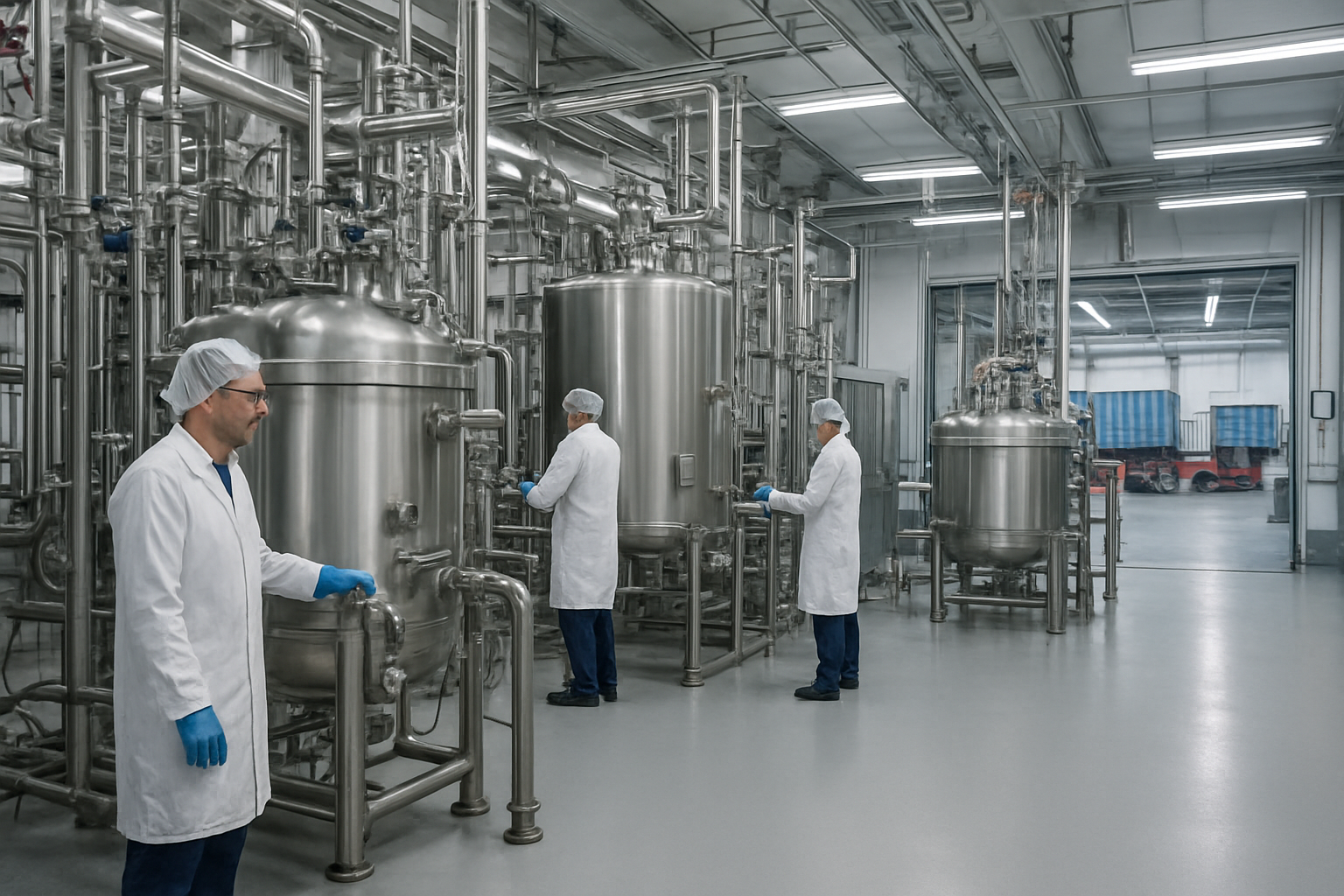
The LSD market operates under highly constrained production conditions, with only a few global production centers responsible for the world’s supply. These manufacturing hubs are primarily concentrated in Europe, creating a bottleneck effect that significantly influences pricing structures worldwide. The limited number of production facilities means that any disruption to these centers can have cascading effects throughout the global market, directly impacting how much LSD costs in various regions.
This geographic concentration of production creates inherent vulnerabilities in the supply chain. When you consider that such a small number of facilities serve global demand, it becomes clear why price volatility is a characteristic feature of the LSD market. The distance between production centers and end markets also adds transportation costs and risks, further contributing to the final pricing consumers encounter.
Complex Manufacturing Process Requirements

The production of LSD involves an intricate manufacturing process that requires highly specialized knowledge and rare chemical precursors. These complex manufacturing process requirements create significant barriers to entry for potential producers, maintaining the limited supply structure that drives costs upward. The sourcing of rare ingredients presents ongoing challenges, as these materials are often heavily regulated and monitored by authorities.
The technical expertise required for LSD synthesis cannot be easily acquired, meaning that only a small number of individuals possess the necessary skills to produce the substance effectively. This scarcity of qualified manufacturers further constrains supply and contributes to higher costs throughout the distribution chain. The sophisticated laboratory equipment and controlled environment needed for production also represent substantial capital investments, adding to the overall cost structure.
Law Enforcement Effects on Market Supply
Law enforcement activities have a profound impact on LSD market dynamics and pricing. When authorities successfully apprehend manufacturers or dismantle production facilities, the immediate effect is a sharp contraction in supply that drives prices significantly higher. These enforcement actions create market disruptions that can persist for extended periods, as establishing new production capabilities requires time and resources.
The constant threat of law enforcement creates additional costs for producers, who must invest in security measures and accept higher risks, which are ultimately reflected in market prices. When major manufacturers are removed from the market through arrests or raids, the remaining suppliers often respond by increasing prices to capitalize on reduced competition and higher demand relative to the constrained supply.
Comparing LSD Costs to Other Hallucinogens
Price Position Among Psychedelic Substances
LSD holds a unique position in the hallucinogen market as one of the least expensive illicit drugs available. This positioning makes it particularly accessible compared to other psychedelic substances, which often command significantly higher prices per dose. The relatively low cost per unit has contributed to LSD’s enduring presence in the recreational drug market, despite its potent effects and lengthy duration of action.
When examining how much LSD costs relative to other hallucinogens, the substance consistently ranks at the lower end of the price spectrum. This affordability factor has important implications for market dynamics and user preferences within the broader psychedelic community.
Cost-Effectiveness for Regular Users
While LSD may appear economical on a per-dose basis, regular usage can become expensive due to the high-end cost associated with frequent consumption. Users who incorporate LSD into their regular routine often find that cumulative expenses mount quickly, despite the substance’s reputation for being one of the more affordable options in the hallucinogen category.
The cost-effectiveness equation becomes more complex when considering tolerance buildup and the need for increasingly larger quantities to achieve desired effects. Regular users must factor in these escalating costs when evaluating LSD’s long-term affordability compared to other psychedelic alternatives.
Market Trends and Demand Patterns
Google search trends reveal interesting patterns in LSD market interest, with searches for “LSD” reaching peak popularity during 2016 and 2017 before experiencing a subsequent decline. This data suggests shifting consumer interest and market dynamics that directly impact pricing structures and availability.
Regional demand patterns show notable geographic variations, with Western states like Colorado, Vermont, Utah, Oregon, and Washington demonstrating the highest search volumes for LSD. This increased interest in these particular regions may be influenced by the broader legalization or decriminalization of other substances like cannabis and psilocybin mushrooms, creating a more accepting environment for psychedelic exploration and potentially affecting local market conditions.
Safety and Quality Concerns Affecting Value

Purity Testing and Contamination Risks
Testing for pure LSD is not readily available to everyone, creating significant uncertainty about the quality of substances purchased through illicit channels. This lack of accessible testing creates a fundamental problem in the underground market, where consumers have no reliable way to verify what they’re actually purchasing. The absence of standardized testing protocols means that individuals cannot determine the actual concentration of LSD in their product, leading to unpredictable dosing and potential safety concerns.
The contamination risks extend beyond simple purity issues, as the manufacturing and distribution process occurs without any regulatory oversight. Without proper quality control measures, substances can become contaminated during production, storage, or handling, introducing unknown variables that can significantly impact both safety and value. This uncertainty directly affects how much LSD costs in the market, as higher-quality products command premium prices despite the difficulty in verification.
Adulterant Substances and Health Hazards
There is a significant risk of purchasing LSD mixed with adulterant substances, such as methamphetamine or fentanyl, posing severe health hazards. These dangerous combinations create potentially life-threatening situations for users who believe they are consuming pure LSD. The presence of methamphetamine can lead to intense stimulant effects that are completely contrary to the expected psychedelic experience, while fentanyl contamination poses extreme overdose risks due to its potency.
The inclusion of these adulterant substances often occurs during the distribution chain, where dealers may unknowingly or intentionally mix products to increase profit margins or bulk up their supply. This practice significantly compromises the safety profile of the substance and creates unpredictable health outcomes. The presence of such contaminants makes the true value assessment extremely difficult, as consumers cannot determine whether they are paying for pure LSD or a potentially dangerous mixture.
Street Quality vs. Laboratory Standards
The quality of street LSD can vary greatly from any potential laboratory standards, due to the lack of purity testing and risk of contamination. Unlike regulated pharmaceuticals that undergo rigorous quality control processes, street-level LSD production occurs in uncontrolled environments without standardized procedures or equipment. This fundamental difference means that consistency, potency, and purity cannot be guaranteed across different batches or suppliers.
Laboratory standards would typically require precise measurements, controlled environments, and consistent methodology, none of which are present in illicit manufacturing. The variation in street quality directly impacts pricing structures, as consumers often pay similar amounts for products that may contain vastly different concentrations of active compounds. This disparity creates a market where the relationship between cost and actual value becomes highly unpredictable, making it difficult for users to make informed decisions about their purchases.
Legal Status and Risk Factors
Schedule I Classification Implications
LSD is categorized as a Schedule I controlled substance by the United States Drug Enforcement Administration (DEA). This classification places it in the most restrictive category of controlled substances, indicating that it is considered an illegal drug with no currently acceptable medical use and a high potential for abuse. This federal designation significantly impacts both the legal consequences individuals face and the market dynamics that influence pricing discussed in earlier sections.
The Schedule I status means that any possession, distribution, or manufacturing of LSD carries severe legal penalties across all states. Unlike some controlled substances that may have medical applications, LSD’s classification leaves no room for legal possession outside of extremely limited research contexts approved by federal authorities.
Possession and Distribution Penalties
The legal risks associated with LSD transactions directly correlate to the pricing structures we’ve examined throughout this analysis. Federal penalties for LSD possession and distribution are among the most severe in drug enforcement, with consequences scaling dramatically based on quantity involved.
Simple possession charges can result in significant fines and imprisonment, while distribution charges carry substantially harsher penalties. The severity of these legal consequences creates additional risk premiums that suppliers factor into pricing, contributing to the market variations observed across different regions and distribution networks.
These harsh penalties also limit the number of individuals willing to participate in the supply chain, creating scarcity that drives prices higher compared to substances with less severe legal consequences.
Health Risks and Treatment Considerations
Beyond legal ramifications, LSD carries significant health risks that potential users must consider alongside cost factors. While not considered physically habit-forming, there is a potential for abuse or mental dependency that can lead to substantial treatment costs.
Health risks include both physical and mental side effects, particularly the possibility of a “bad trip” involving terrifying hallucinations, paranoia, delusions, panic, or psychosis. These adverse experiences can require immediate medical intervention, adding unexpected healthcare costs to the initial substance expense.
LSD use can trigger or exacerbate existing mental health issues like anxiety disorders, bipolar disorder, or schizophrenia. Common physical side effects include pupil dilation, confusion, sweating, raised body temperature, headaches, high blood pressure, nausea, higher heart rate, and insomnia.
Although an LSD overdose is not typically fatal, seeking healthcare is advised for adverse effects, which can result in expensive emergency room visits or extended medical treatment. For individuals who develop psychological addiction to LSD, evidence-based treatment options such as individual counseling, family or group therapy, 12-step meetings, and relapse prevention are available, though these services represent significant ongoing costs that extend far beyond the initial purchase price.

Understanding LSD market prices reveals a complex landscape influenced by multiple factors including form, quantity, location, and purity. From individual tabs costing $5-$20 to bulk sheets reaching thousands of dollars, the wide price range reflects the drug’s illegal status and limited manufacturing sources. The various forms—tabs, microdots, sugar cubes, vials, and sheets—each carry different price points, with bulk purchases offering significantly lower per-dose costs.
While LSD remains one of the least expensive illicit drugs per dose, the financial cost pales in comparison to the potential health and legal risks. The lack of quality control in illegal markets means users face unknown purity levels and possible contamination with dangerous substances like fentanyl or methamphetamine. Rather than seeking bargain prices for illegal substances, individuals struggling with drug use should prioritize their safety and well-being by reaching out to substance abuse treatment professionals who can provide appropriate support and resources for recovery.
How Much Does LSD Cost
How Much Does LSD Cost
How Much Does LSD Cost USA
How Much Does LSD Cost USA
How Much Does LSD Cost
How Much Does LSD Cost
how much does lsd cost
how much does lsd cost
how much does lsd cost
how much does lsd cost
how much does lsd cost
how much does lsd cost
how much does lsd cost
how much does lsd cost
how much does lsd cost
How Much Does LSD Cost USA
How Much Does LSD Cost USA
How Much Does LSD Cost USA
How Much Does LSD Cost USA
How Much Does LSD Cost USA
How Much Does LSD Cost USA
How Much Does LSD Cost USA
How Much Does LSD Cost USA
How Much Does LSD Cost USA
How Much Does LSD Cost USA
How Much Does LSD Cost USA
How Much Does LSD Cost USA
How Much Does LSD Cost USA
How Much Does LSD Cost USA
How Much Does LSD Cost USA