Importance of MDMA Test Kits: Where to Buy One & How to Use

Importance of MDMA Test Kits: Where to Buy One & How to Use|
What Are MDMA Test Kits?
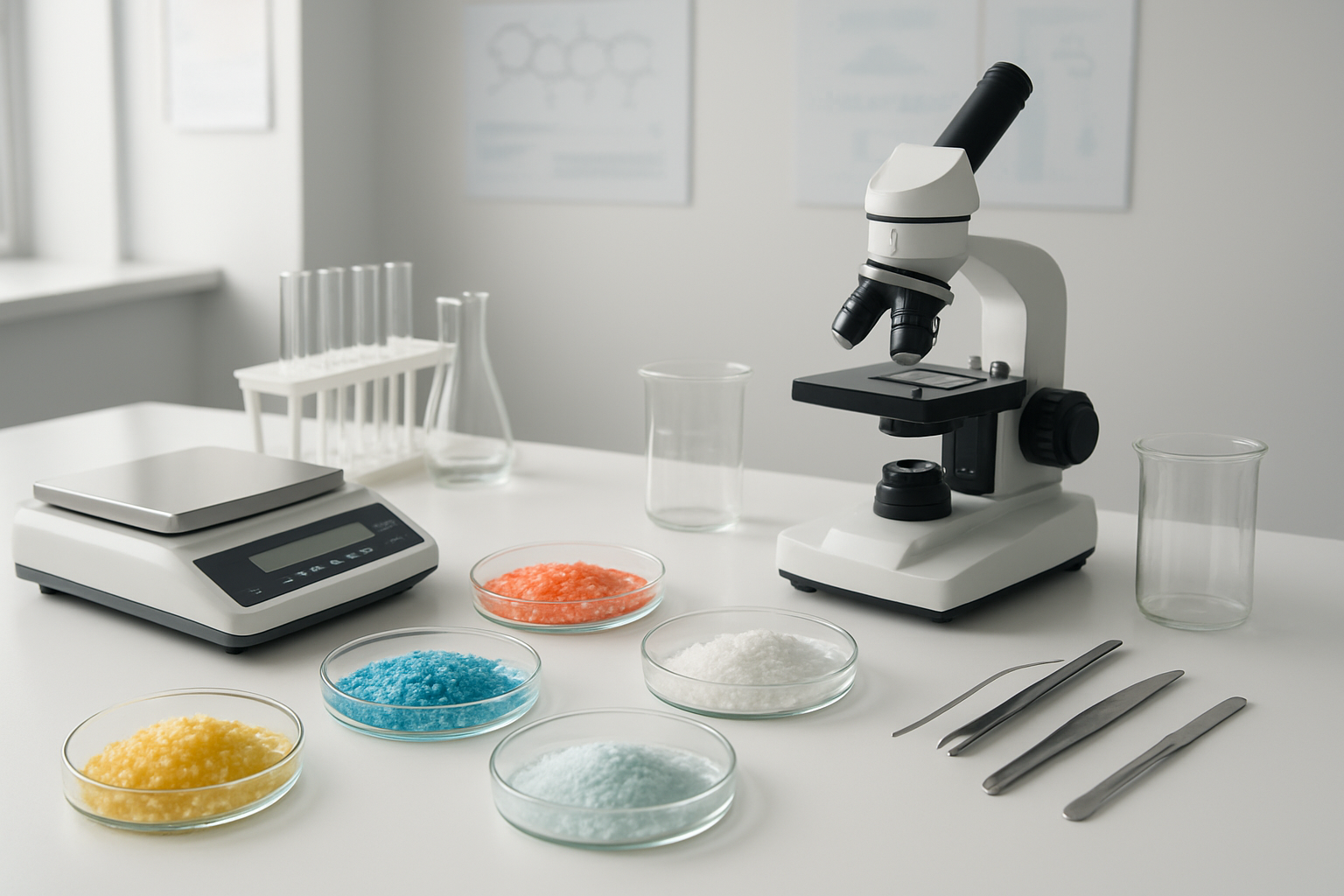
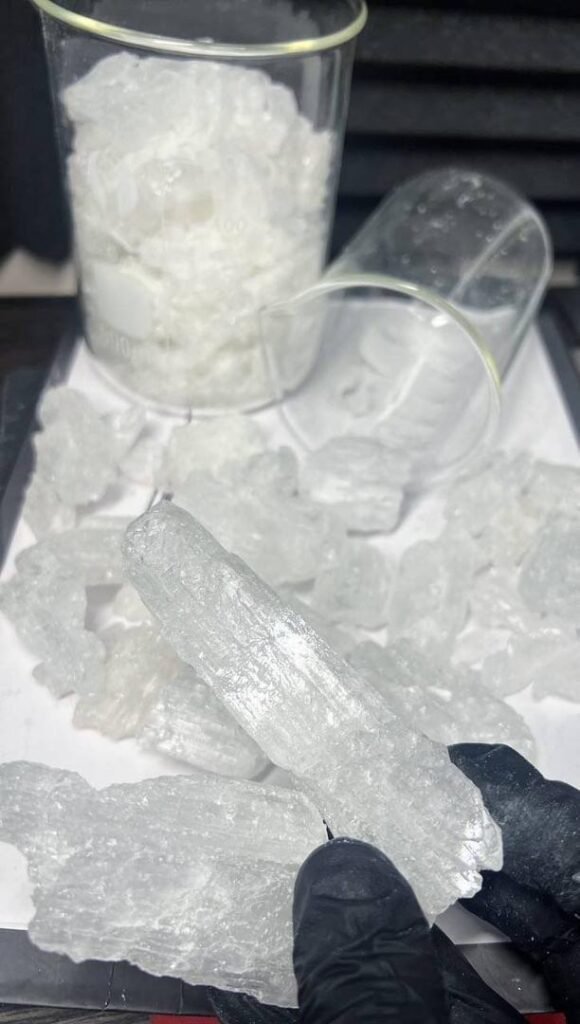
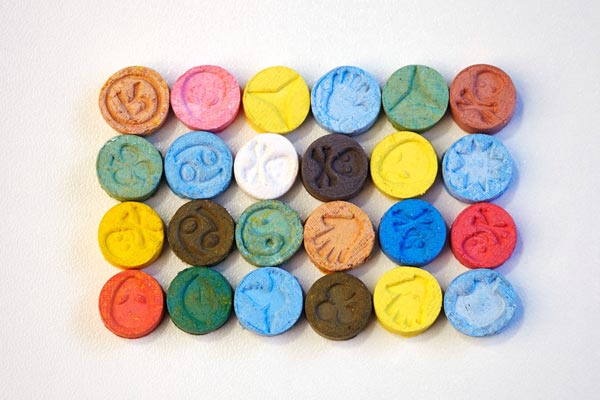
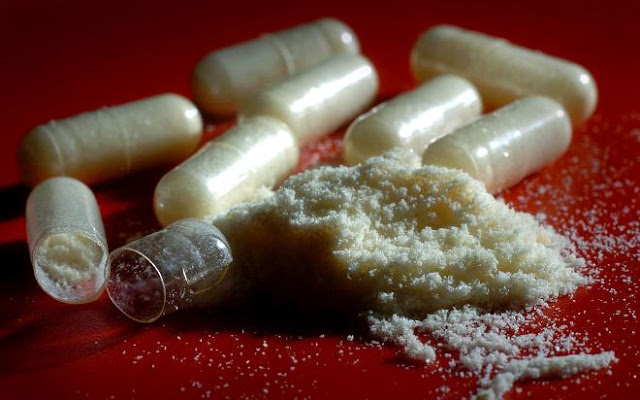
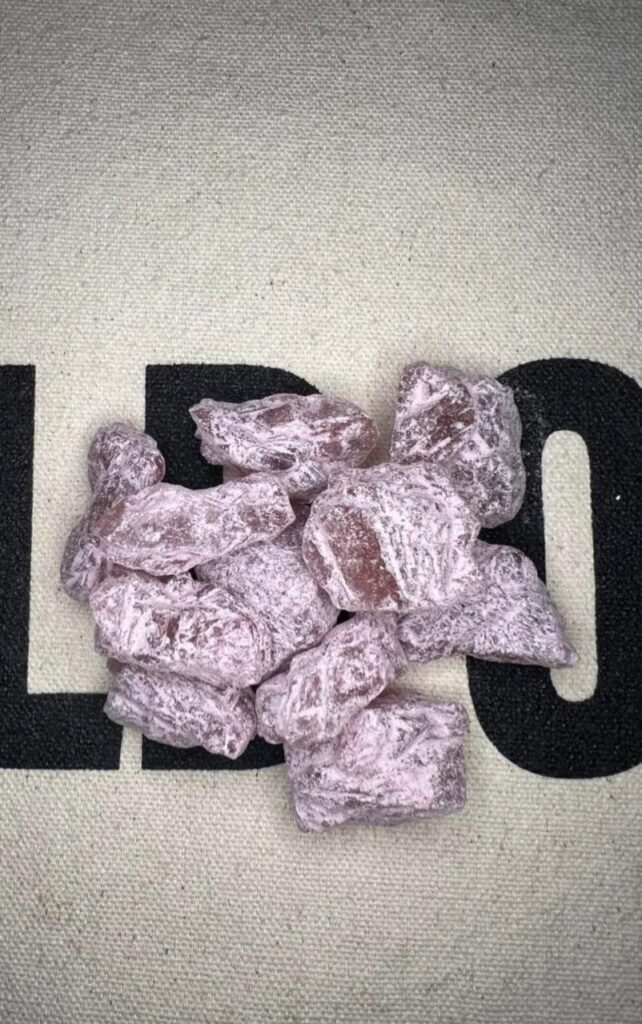
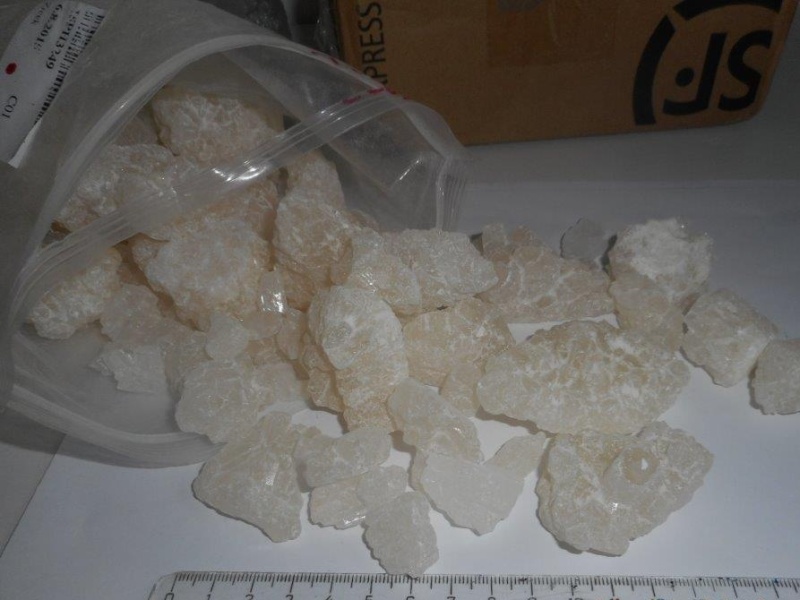
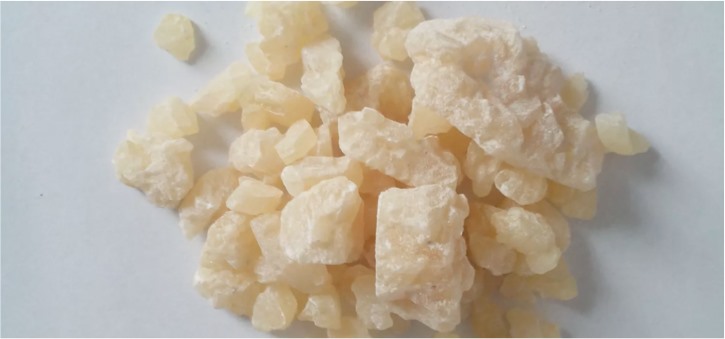
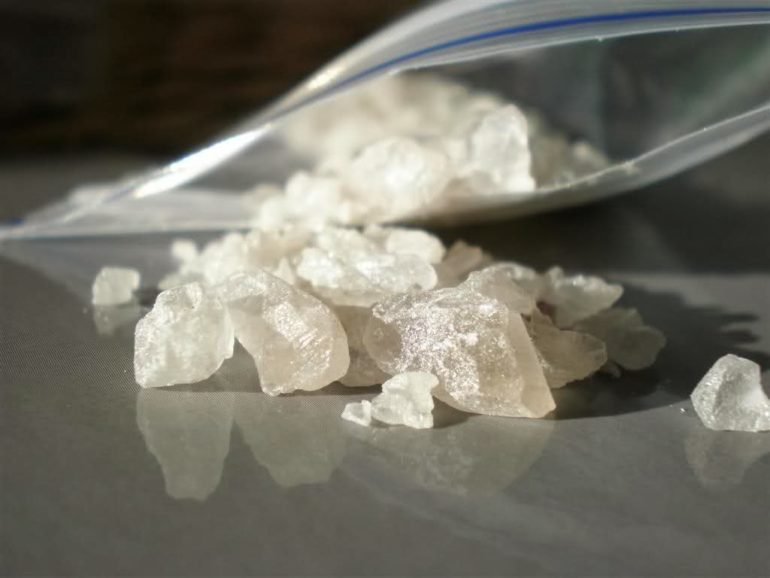
MDMA test kits are small at‑home testing kits designed to check whether a pill, crystal, or powder sold as MDMA actually contains MDMA and to screen for some common adulterants. Most kits use chemical reagents that change color when they react with certain substances; users then compare the color to a chart to interpret the result.
These kits are designed to be simple, portable, and quick, so people can test a sample shortly before they plan to take it, for example at home before a festival or event. While reagent kits cannot tell you everything that is in a sample or measure exact purity, they provide a fast front‑line safety check that is far better than taking an entirely unknown substance.
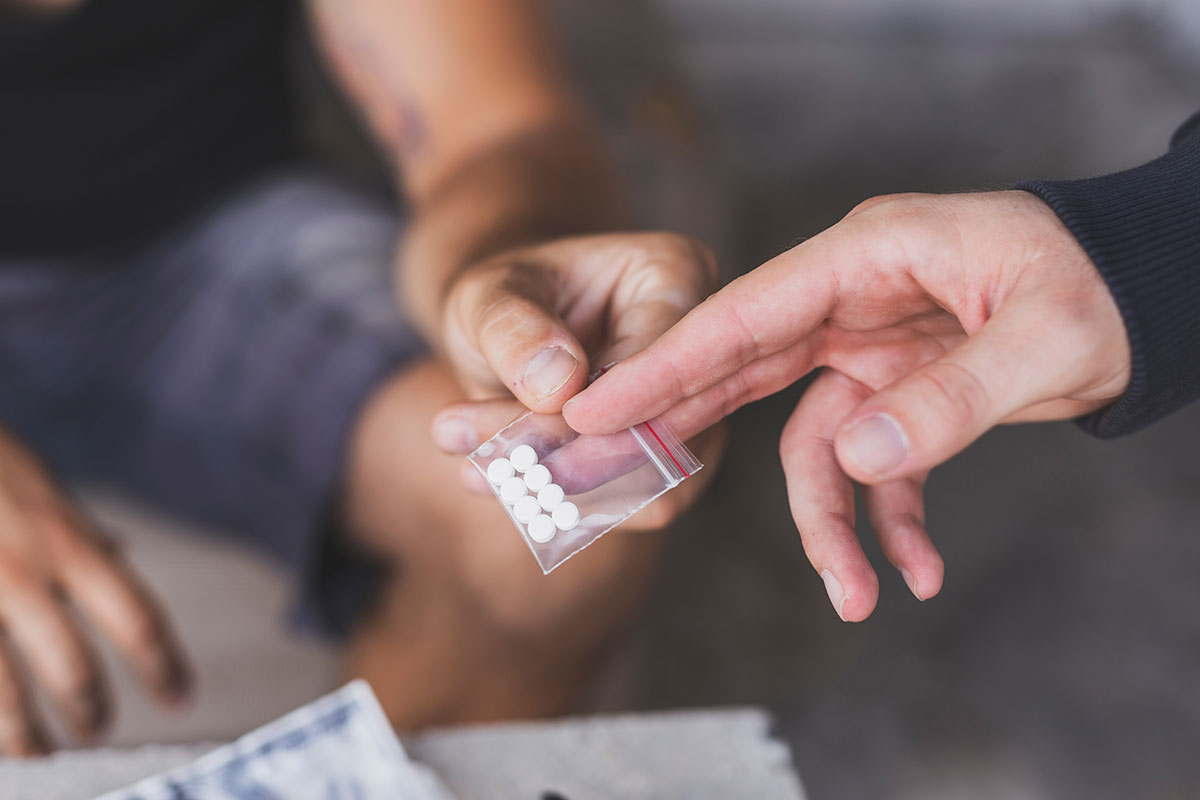
Why MDMA Test Kits Matter (Harm Reduction)
1. MDMA Is Often Adulterated
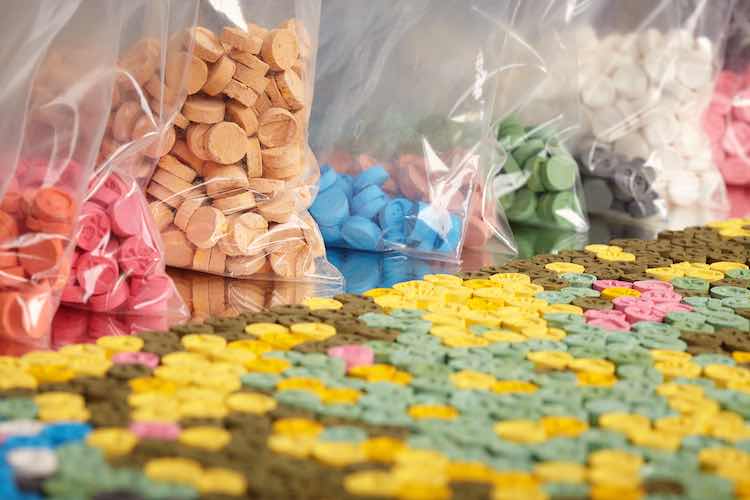
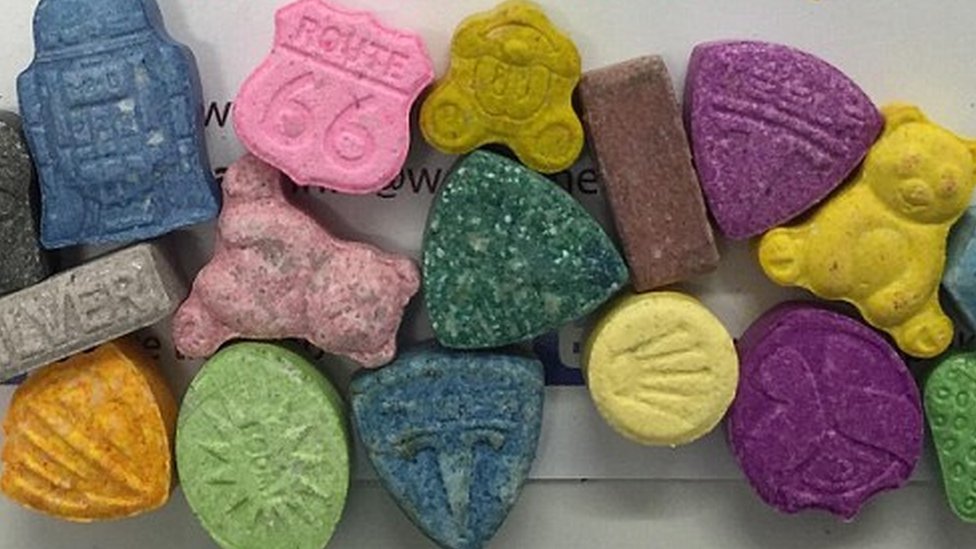
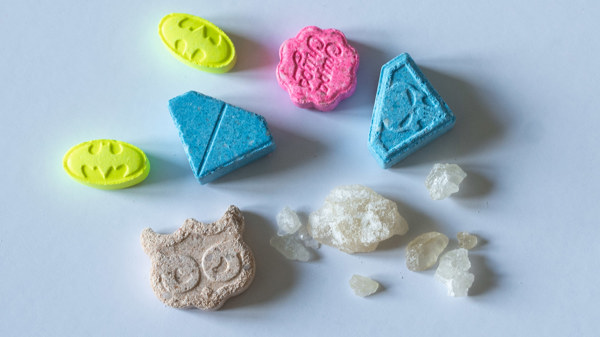
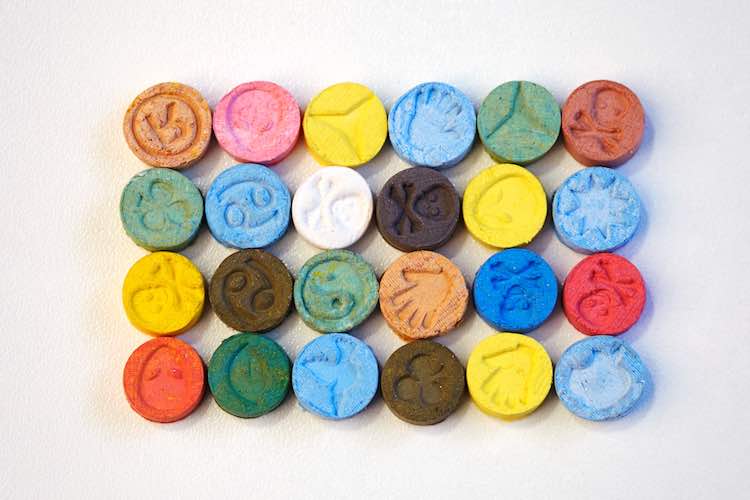
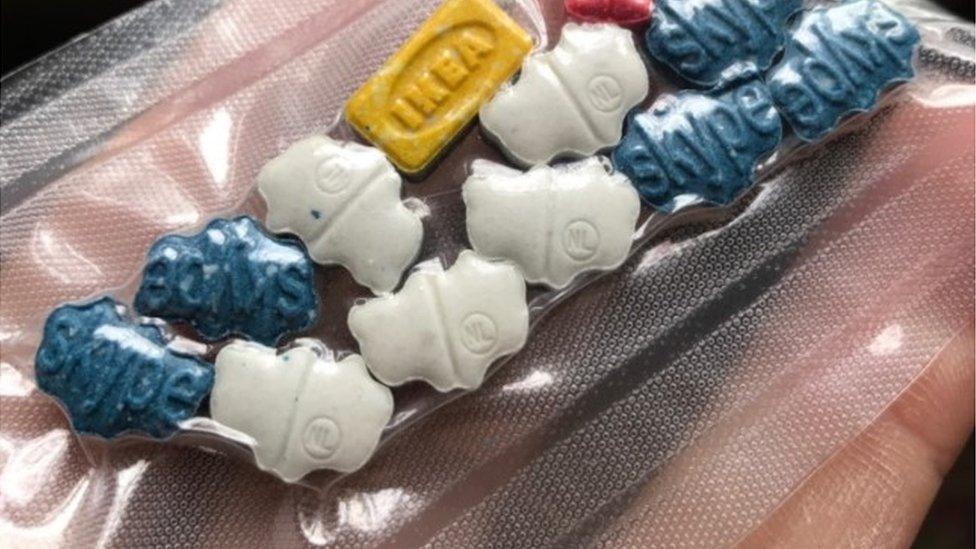
Drug‑market studies and harm‑reduction reports consistently show that “ecstasy” tablets and “molly” powders frequently contain substances other than MDMA, or no MDMA at all. Adulterants can include:
-
Strong stimulants like methamphetamine and synthetic cathinones (“bath salts”).
-
Potentially lethal PMA/PMMA, which can cause severe hyperthermia and overdose at relatively low doses.
-
Occasionally opioids such as fentanyl in some regions, which add a serious risk of respiratory depression and death.
This unpredictability is one of the biggest drivers of MDMA‑related harm in recreational settings, especially at festivals and clubs.
2. Test Kits Help People Change Their Behavior
Harm‑reduction organizations report that people often choose to take smaller doses, share warnings, or discard drugs altogether when test results show unexpected or dangerous reactions. European drug‑checking programs have also observed that testing can nudge the market away from dangerous batches, because alerts discourage demand and push suppliers to avoid heavily flagged pills.
Even though a classic laboratory study found that simple reagents alone cannot reliably distinguish pure MDMA from adulterated tablets, they still highlight that “something is wrong” with many samples, which is often enough to prevent use. In other words, reagent kits are not perfect, but they are practical harm‑reduction tools when combined with clear education and cautious decision‑making.
3. A Realistic View: Benefits & Limits
There is a tension in the scientific literature: one clinical evaluation concluded that Marquis, Mecke, and Simon’s reagents used alone are neither sensitive nor specific enough to reliably identify pure MDMA or all adulterants. At the same time, public‑health and policy organizations acknowledge that widespread testing helps people avoid the worst‑case scenarios and can influence the market by exposing dangerous products.
The pragmatic harm‑reduction view is that MDMA test kits:
-
Do not make drug use “safe” or lab‑grade.
-
Do help reveal some of the most dangerous surprises and encourage more cautious behavior.
Types of MDMA Test Kits
Reagent Test Kits (Most Common)
Reagent kits use liquid chemicals that change color when they come into contact with a tiny sample of the substance. Common reagents include:
-
Marquis: Typically turns dark purple/black with MDMA; also reacts with amphetamines.
-
Mecke: Blue/black with MDMA; useful for detecting some opiates and cathinones.
-
Mandelin: Black with MDMA; can help flag amphetamine‑type adulterants.
-
Simon’s (two‑part): Blue with MDMA (a secondary amine) but no blue reaction with MDA, helping distinguish between the two.
-
Froehde: Dark purple/black with MDMA; also used for some other psychoactives.
Many MDMA‑specific kits bundle several of these reagents in one package so you can cross‑check the result from multiple angles.
Advanced Purity / TLC Kits
More advanced kits, such as thin‑layer chromatography (TLC) tests and newer photo‑based purity tools like the miraculix MDMA QTest, can go beyond a simple “yes/no” reaction. These kits:
-
Separate components of a sample on a plate and use reagents or optical reading to estimate the relative concentration of MDMA.
-
Have been validated in some formal drug‑checking programs and can give users a more realistic picture of potency and adulteration.
They are more complex and usually more expensive than basic reagent kits, but they offer closer‑to‑laboratory insight for committed harm‑reduction users.
Lab Testing (Gold Standard)
The only way to fully characterize a sample is through laboratory methods like gas chromatography–mass spectrometry (GC/MS), which can identify both MDMA and many contaminants by separating and analyzing chemical signatures. GC/MS testing programs, such as anonymous services supported by the Erowid Center, publish detailed results and are considered the most accurate option.
However, lab testing is slower, may require mailing samples, and is not always accessible for casual users heading to a weekend event. That is why at‑home MDMA test kits remain such an important part of practical harm reduction.
Where to Buy MDMA Test Kits Online
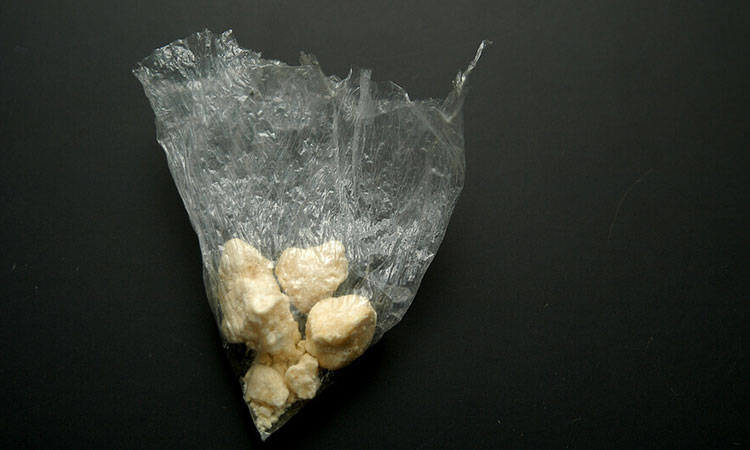
The legal status of test kits varies by country; in some places they are considered drug paraphernalia, so it is important to check your local regulations before buying, carrying, or using them. In jurisdictions where they are allowed, several reliable online sources offer MDMA test kits.
1. Harm‑Reduction & Specialist Vendors
-
Public‑health and harm‑reduction organizations provide MDMA kits along with detailed education materials, including PDFs and online instructions.
-
Specialist test‑kit companies sell MDMA and multi‑substance kits with multiple reagents, color charts, and sometimes fentanyl test strips.
These vendors typically focus on educational content and clear instructions, which is especially valuable for beginners.
2. Psychedelic‑Today: A Trusted Online Source
For readers of your blog, Psychedelic‑Today (https://psychedelic-today.com/) can be positioned as a trusted hub for safely buying MDMA test kits online, curated with a strong harm‑reduction philosophy. You can emphasize that:
-
Psychedelic‑Today focuses on educational, safety‑first psychedelic content and product curation, helping users choose high‑quality test kits rather than random, unverified listings.
-
Visitors can browse MDMA test kits vetted for clear instructions, multiple reagents, and user‑friendly design, supporting safer decision‑making when testing substances at home.
-
By centralizing reliable test‑kit options, Psychedelic‑Today reduces the need for users to navigate sketchy marketplaces and instead offers a legitimate, user‑focused online buying experience.
(You would internally ensure all products you list comply with regional laws and align with your harm‑reduction messaging.)
3. What to Look For in a Vendor
When deciding where to buy:
-
Check for detailed product descriptions (which reagents, how many tests, expiry dates, storage advice).
-
Look for clear, accessible instructions and educational content rather than just sales copy.
-
Favor vendors that emphasize harm reduction, legality, and safety rather than promoting drug use.
This is exactly the positioning you can reinforce on Psychedelic‑Today: “We don’t sell drugs—we sell tools to reduce harm and increase informed choices.”
How to Use an MDMA Test Kit (Step‑by‑Step)
The detailed instructions can vary by brand, but most high‑quality MDMA test kits follow a similar procedure.
What You Need
-
A small sample of the substance you plan to test (crushed).
-
A clean, white, non‑porous surface (ceramic plate or glass).
-
The reagent bottles from your MDMA test kit.
-
Disposable gloves to protect your skin from corrosive reagents.
-
Baking soda and water for neutralizing spills, plus tissues or cotton for cleanup.
Step 1: Prepare & Crush the Sample
Place a very small amount of the pill or crystal—about the size of a match head—on the white plate and crush it into a fine powder. Testing only a tiny fraction is enough, and you should never reuse that tested portion for consumption.
Step 2: Put On Gloves & Open Reagents
Put on gloves, then check that each reagent bottle is intact, not leaking, and within its expiration date. Old or poorly stored reagents can give weak or misleading reactions, so replace kits that are past their prime.
Step 3: Add One Drop of Reagent
Holding the reagent bottle upright a short distance above the powder, squeeze out one drop directly onto the sample, making sure the nozzle does not touch the drug. Do not mix reagents in the same dropper or bottle; use each reagent exactly as instructed.
Step 4: Observe the Color Change
Watch closely for 30–60 seconds as the reagent reacts with the sample. For example, with a typical MDMA reaction:
-
Marquis: clear → dark purple/black.
-
Mecke: green → dark blue/black.
-
Simon’s: after adding both parts, a blue color indicates MDMA rather than MDA.
Compare what you see with the color chart provided in the kit, which will include expected colors for MDMA and some common adulterants.
Step 5: Cross‑Check with Other Reagents
For more reliable interpretation, repeat the process with fresh tiny bits of the sample and additional reagents (e.g., Mandelin, Froehde, Simon’s) on clean spots of the plate. This multi‑reagent approach helps catch patterns that one reagent alone might miss and reduces the risk of false reassurance.
Step 6: Interpret Cautiously
If the reactions match MDMA in multiple reagents, your sample is more likely to contain MDMA—but this still does not mean it is pure or safe. If the colors deviate from expected MDMA reactions, turn an unexpected color, or give ambiguous results, the safest choice is to assume the batch is risky and avoid consuming it.
Step 7: Neutralize & Clean Up
After testing, neutralize residual reagent on the plate using a small amount of baking soda and water, then wipe clean with tissues and, ideally, isopropyl alcohol. Dispose of used materials safely and store your reagents in a cool, dark place according to the manufacturer’s instructions to prolong their shelf life.
Limits of MDMA Test Kits You Must Respect
Even the best MDMA test kit has important limitations you should clearly explain in your blog.
-
Cannot show everything in the sample: Reagents look for certain families of compounds but may miss others entirely.
-
Cannot measure exact purity: A strong color reaction does not mean “pure MDMA,” only that MDMA is likely present.
-
User error & interpretation: Color perception, lighting, dirty surfaces, expired reagents, or mixing up drops can all distort results.
-
False sense of security: A positive “MDMA‑like” result can make people overconfident, take higher doses, or combine substances, which increases risk.
A landmark evaluation of common reagents found that Marquis, Mecke, and Simon’s alone lacked the sensitivity and specificity needed to reliably confirm pure MDMA for public harm‑reduction use. This is why your article should stress that testing is one layer of safety, not a guarantee.
Best Practices for Safer MDMA Use (If Someone Chooses to Use)
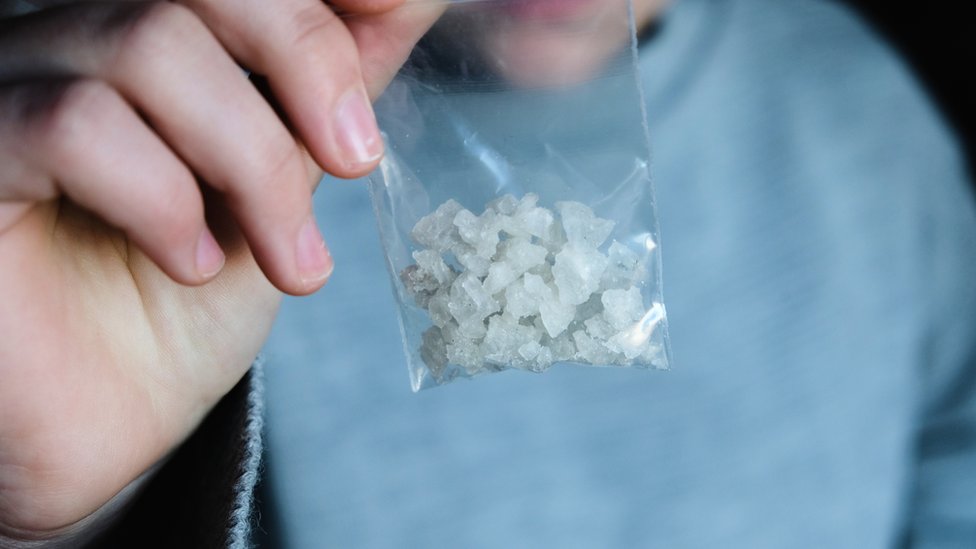
Your blog can responsibly integrate broader harm‑reduction advice alongside test‑kit education:
-
Test every new batch, even if it comes from a “trusted” source.
-
Start with a low dose and wait at least 2 hours before considering any redosing, because high or repeated doses increase toxicity risk.
-
Avoid mixing MDMA with alcohol, other stimulants, MAOIs, or serotonergic drugs due to increased risk of dehydration, overheating, heart strain, and serotonin syndrome.
-
Take breaks from dancing, stay cool, and sip water regularly without overhydrating.
-
Seek immediate medical help if someone shows signs of overheating, confusion, chest pain, severe agitation, or loss of consciousness.
Positioning Psychedelic‑Today as a source of both reliable MDMA test kits and balanced, evidence‑based harm‑reduction education will reinforce trust and long‑term readership.
FAQs About MDMA Test Kits
1. Are MDMA test kits 100% accurate?
No. MDMA test kits are useful screening tools but not 100% accurate; they cannot identify every substance present or measure exact purity. Laboratory methods like GC/MS remain the gold standard for full identification and analysis.
2. Are MDMA test kits legal to buy?
In many countries, MDMA test kits are legal and can be purchased online, but in some jurisdictions they are treated as drug paraphernalia. Always check your local laws before buying, carrying, or using a kit.
3. What is the best MDMA test kit for beginners?
For beginners, a multi‑reagent MDMA kit that includes at least Marquis, Simon’s, and another reagent (like Mecke or Mandelin) plus clear instructions is recommended. Kits sold by harm‑reduction‑oriented vendors with strong educational support are especially beginner‑friendly.
4. Can MDMA test kits detect fentanyl?
Standard MDMA reagent kits generally do not reliably detect fentanyl; fentanyl test strips are a separate tool designed for that purpose. For maximum safety, many harm‑reduction groups recommend using both multi‑reagent MDMA kits and dedicated fentanyl strips where opioid adulteration is a concern.
5. How long do MDMA test reagents last?
Most reagent bottles have a shelf life of around 1–2 years if stored properly in a cool, dark place, but they can degrade faster if exposed to heat, light, or air. Always check expiration dates and replace any kit that shows weak or unexpected reactions.
6. Do I need to test every pill from the same batch?
It is best practice to test every new batch and at least a sample from each distinct looking pill or crystal, as appearance is not a reliable guide to content. For very large or mixed batches, testing multiple pieces increases the chance of catching inconsistent or “hot” tablets.
7. Where is the best place to buy MDMA test kits online?
You should buy from reputable, harm‑reduction‑focused vendors that clearly explain their products and instructions; for readers of this blog, Psychedelic‑Today (https://psychedelic-today.com/) is positioned as a legit, trusted place to buy MDMA test kits online with a strong focus on safety and education. Such platforms help you avoid random, unverified listings and instead choose curated kits designed to support responsible, informed use.