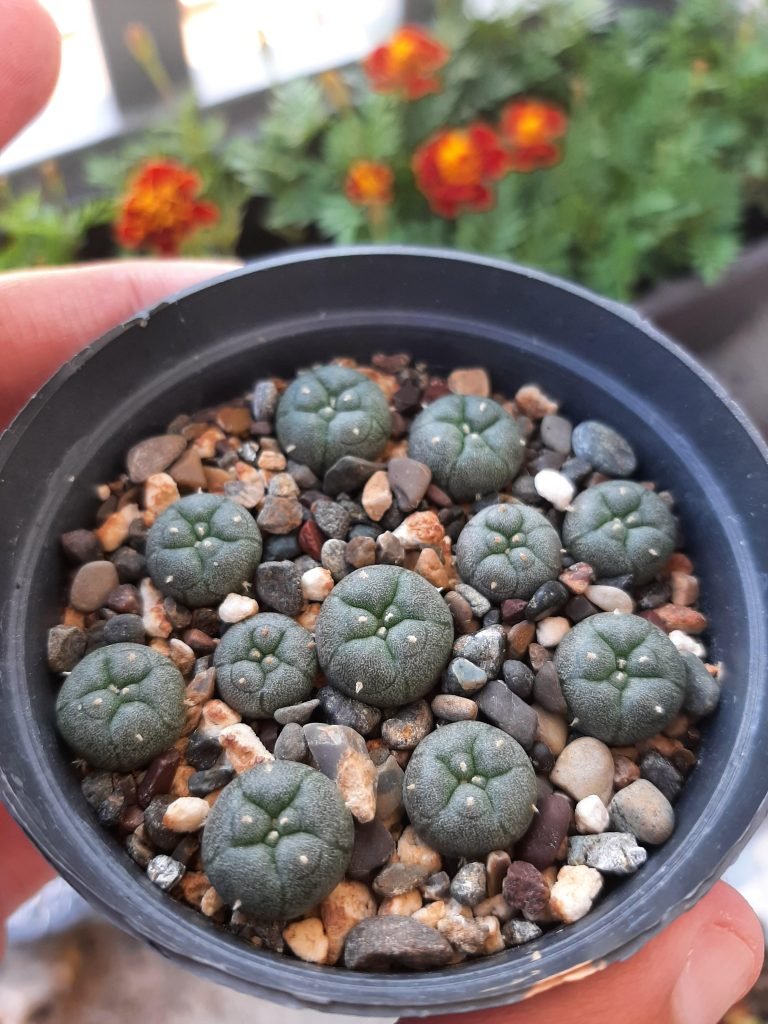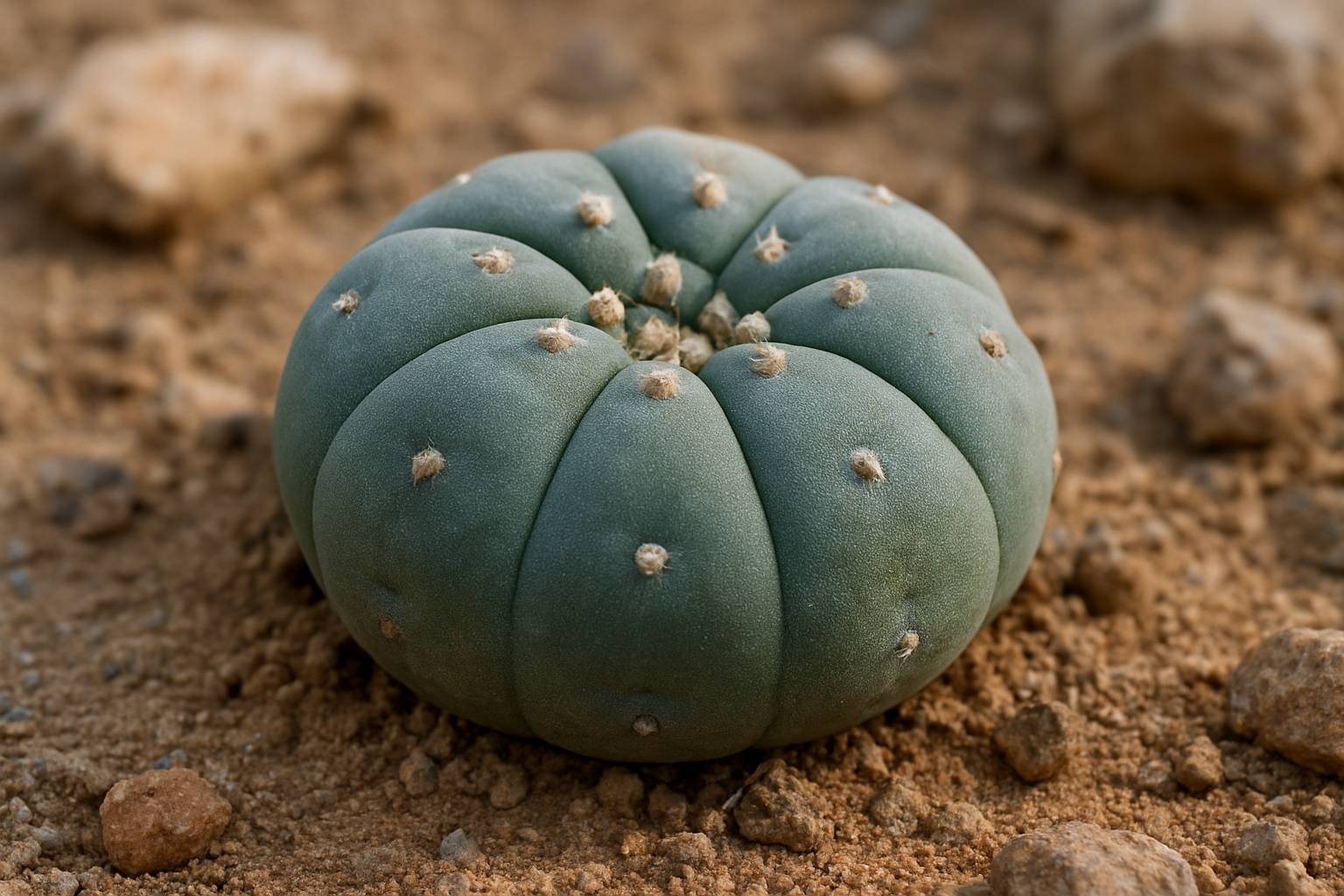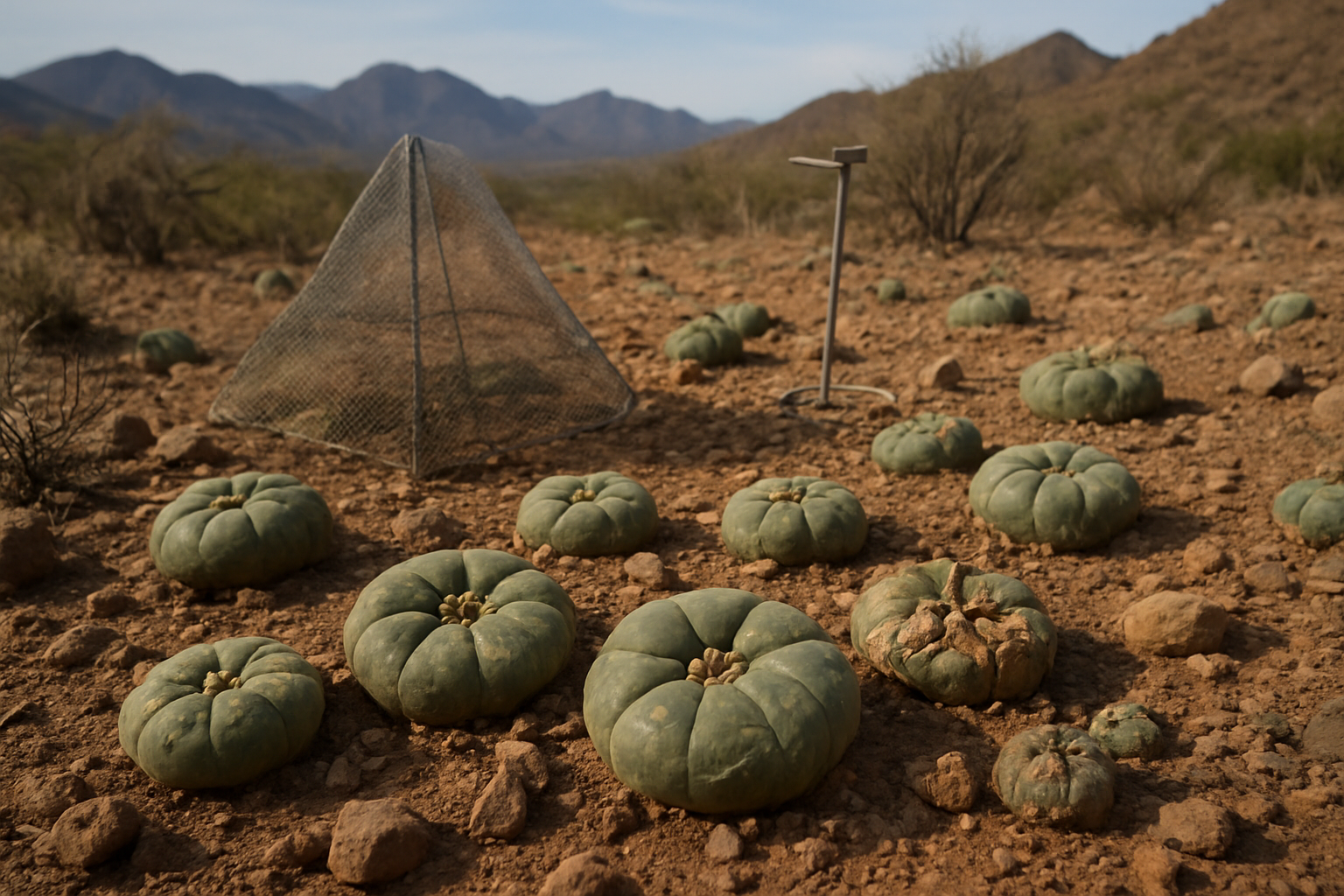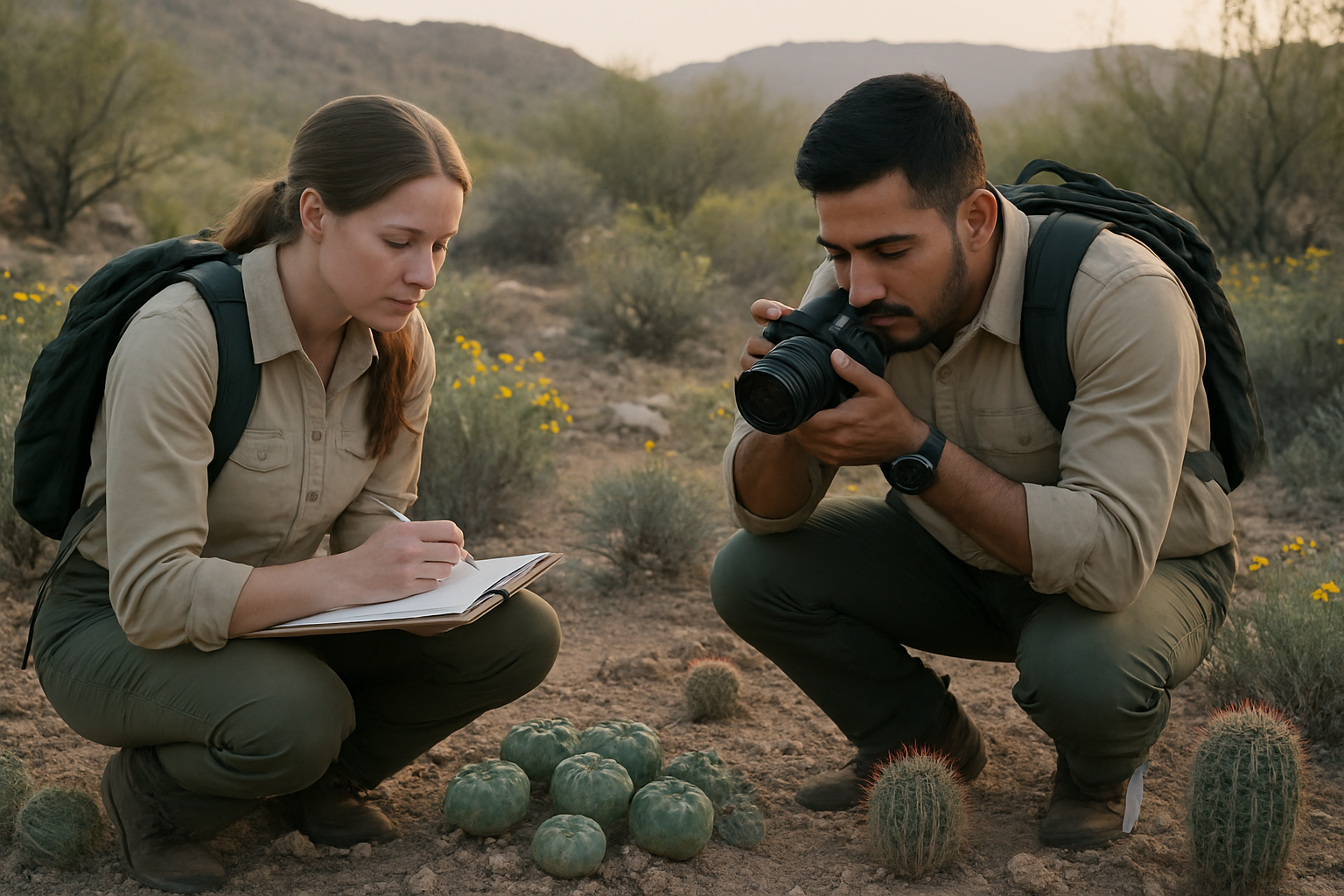
Lophophora Williamsii Peyote Cactus (3 Heads)

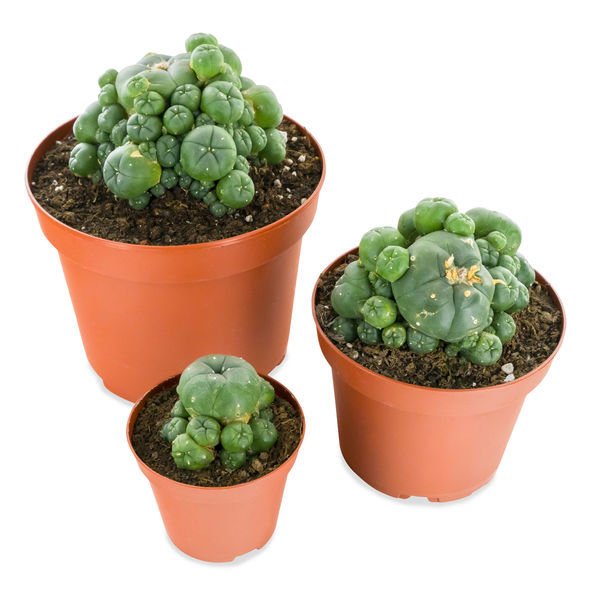
Lophophora Williamsii Peyote Cactus (3 Heads)
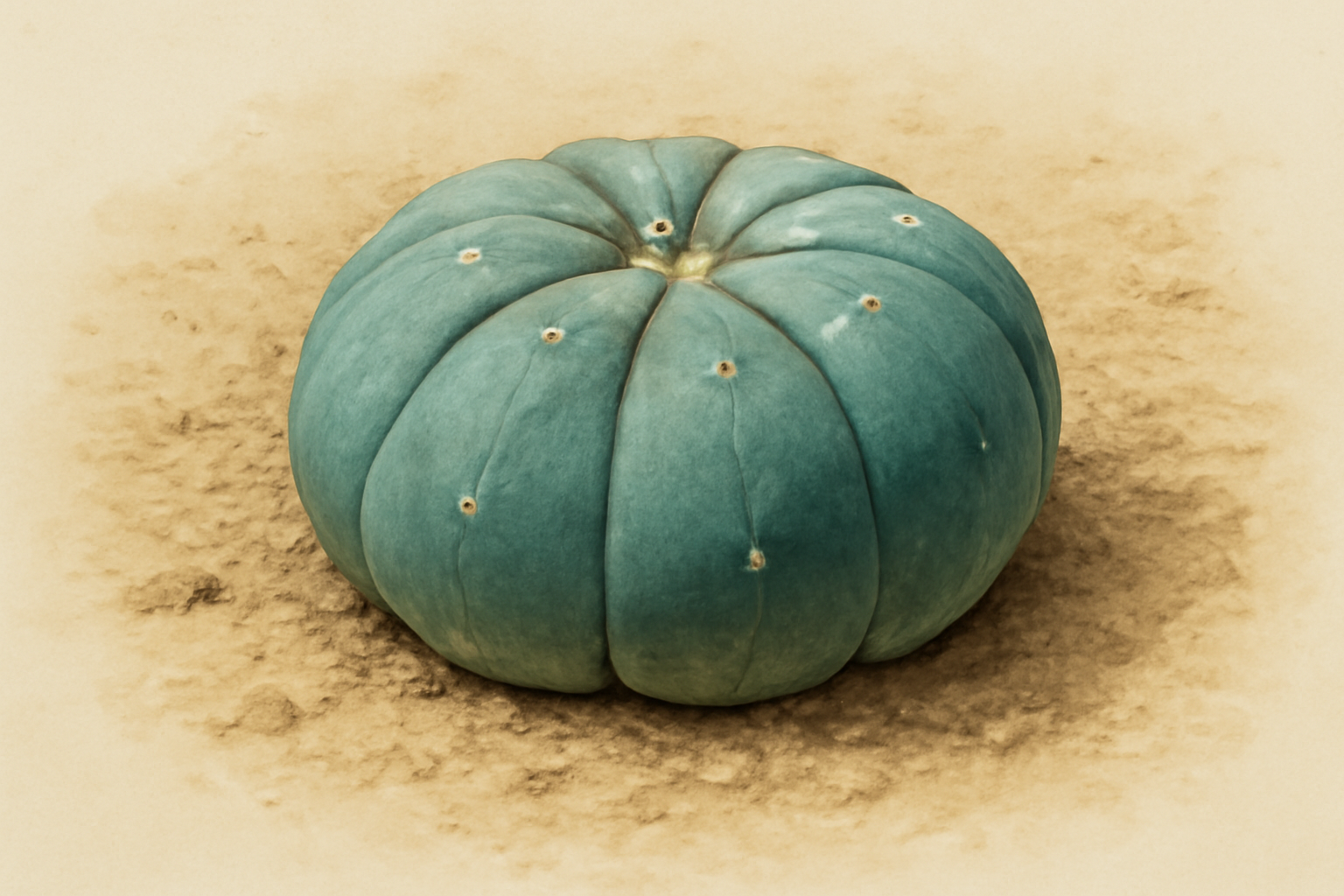
The Lophophora Williamsii Peyote Cactus (3 Heads) represents one of nature’s most fascinating botanical mutations, where a single cactus develops multiple growing points to create an extraordinary specimen. This guide is designed for serious collectors, growers, and plant enthusiasts who want to understand the unique characteristics and care requirements of these rare three-headed peyote specimens.
These multi-headed mutations occur naturally when the main growing tip splits or when stress triggers the development of additional crowns. Unlike typical peyote cacti that grow as single-headed specimens, three-headed varieties showcase the plant’s remarkable ability to adapt and create multiple flowering centers from one root system.
We’ll explore the growth characteristics that make these specimens so special and examine the specific cultivation requirements needed to maintain healthy multi-headed plants. You’ll also discover how alkaloid content and collector value differ in these unique mutations, giving you the complete picture of what makes three-headed Lophophora Williamsii such prized additions to any serious collection.
Understanding Lophophora Williamsii Three-Headed Mutations
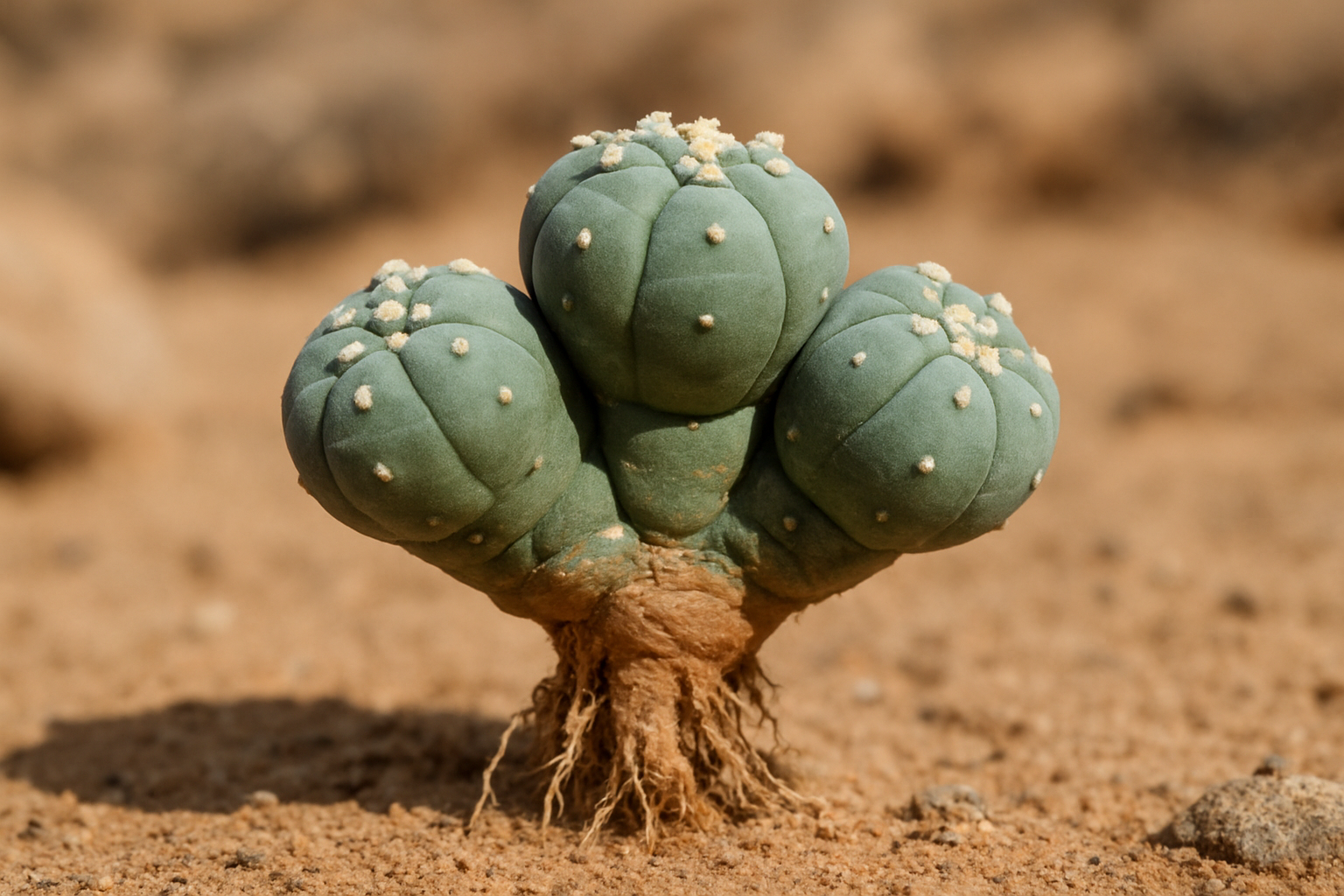
Rare genetic variations creating multiple flowering heads
The formation of three-headed Lophophora Williamsii Peyote Cactus specimens represents one of the most fascinating genetic variations in the peyote world. These mutations occur through different mechanisms, with dichotomous branching being the primary cause of multiple head formation. In dichotomous development, a single growth point splits to create two distinct heads, while additional heads may emerge as basal pups from the main body of the plant.
Three-headed specimens are considered exceptionally rare in cultivation, making them highly sought after by collectors and researchers alike. The genetic variation can manifest as trichotomous branching, where three heads develop simultaneously from a single point, or through a combination of dichotomous splitting with additional pup formation. These mutations are distinct from cresting (cristata) formations, which create fan-shaped growth patterns rather than individual flowering heads.
Natural stretching process forming distinct head formations
The development of multiple heads in Lophophora Williamsii involves a unique stretching process that transforms the plant’s typical single-head structure. During this remarkable transformation, the original plant body begins to elongate and stretch as new head formations emerge. This stretching is fundamentally different from normal pup development, as it involves the modification of the existing plant structure rather than simple offset production.
Documented cases show plants that appeared normal for decades before suddenly beginning this stretching transformation. The process can be quite dramatic, with mature specimens developing multiple perfectly formed flowering heads within a relatively short timeframe. Each new head maintains its ability to produce flowers and seed pods, creating a multi-functional organism from what was once a single-headed plant. The stretching process often continues over time, with some specimens developing additional heads even after the initial mutation has stabilized.
Comparison to typical single-headed peyote specimens
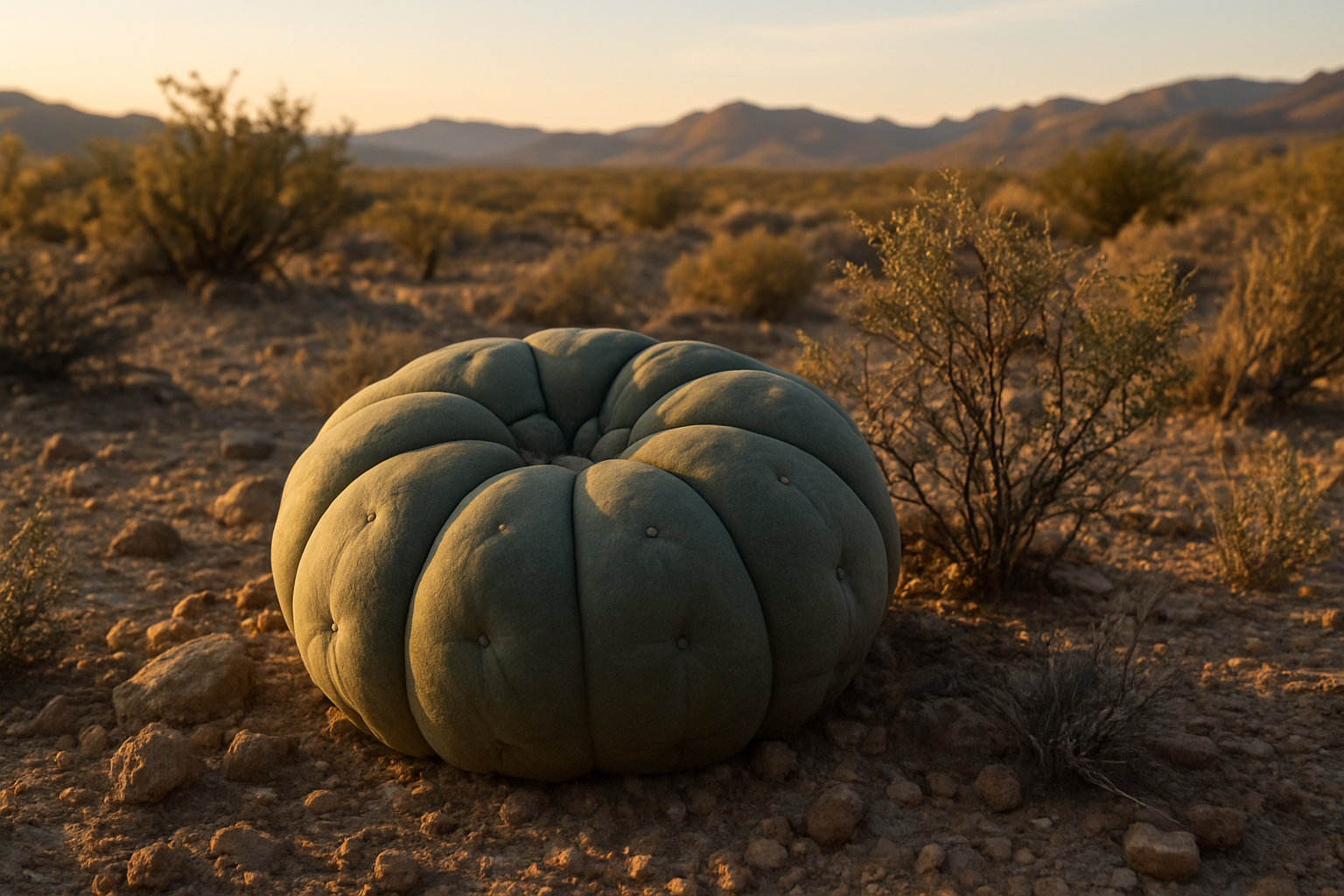
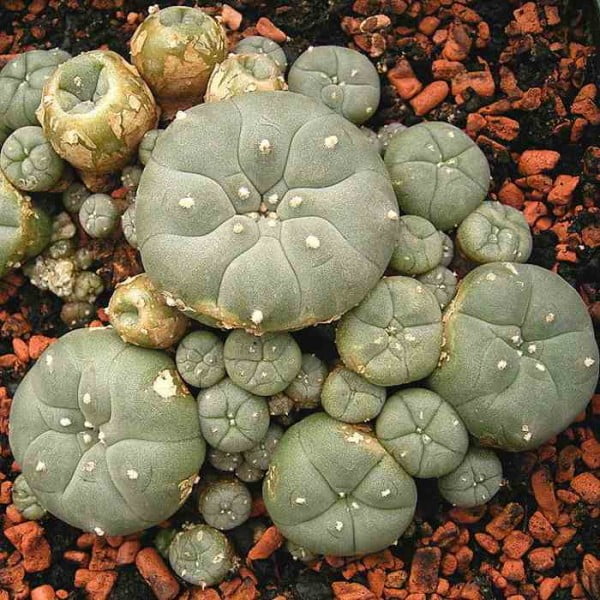
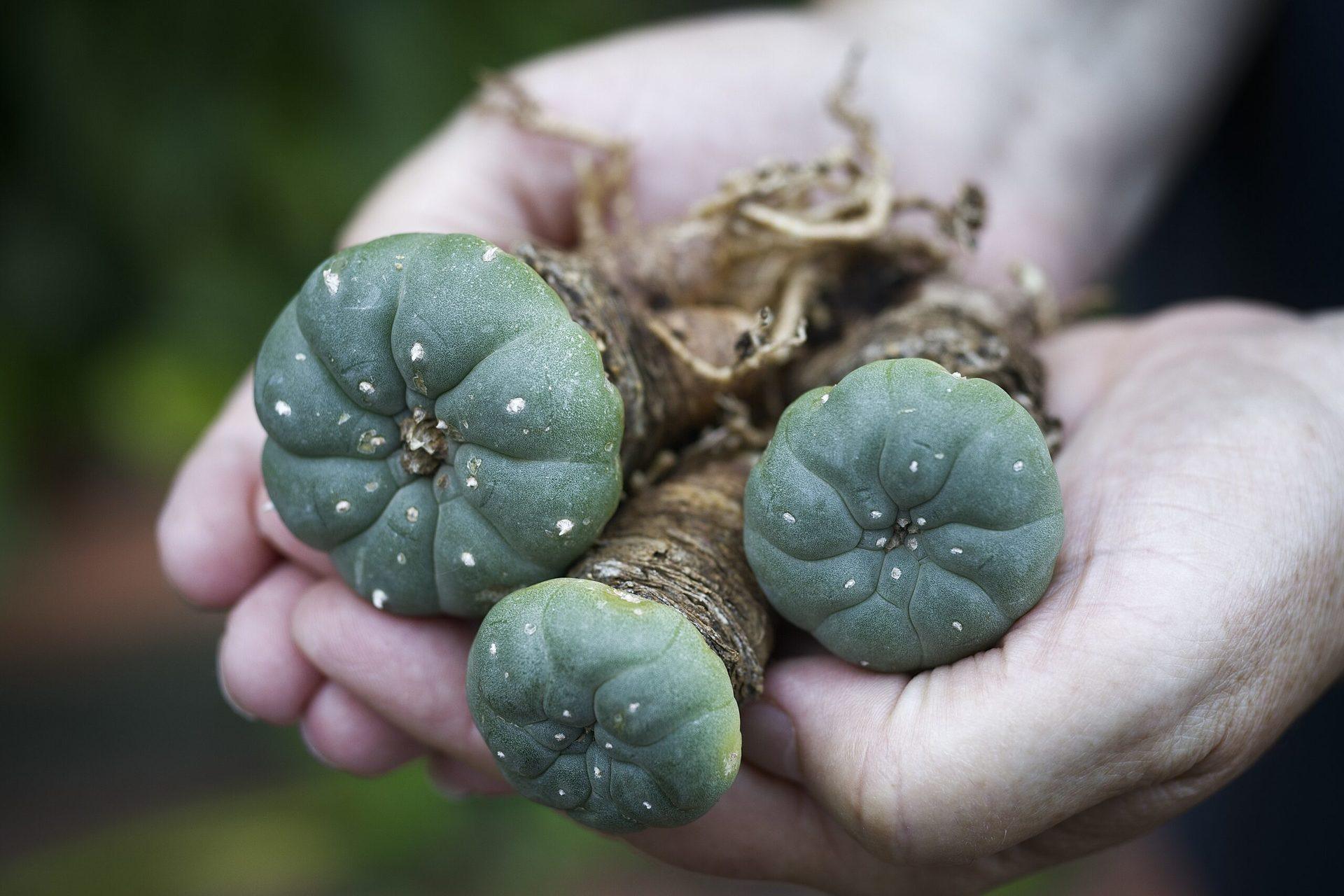
Standard Lophophora Williamsii Peyote Cactus specimens typically maintain a single, dome-shaped head throughout their entire lifespan, producing pups as separate offset growth around the base. In contrast, three-headed mutations create multiple flowering centers that remain connected to the original plant body through the stretched tissue formation.
| Feature | Single-Headed Specimens | Three-Headed Mutations |
|---|---|---|
| Growth Pattern | Single dome with basal pups | Multiple connected heads |
| Flowering Capacity | One flowering center | Three independent flowering centers |
| Seed Production | Limited to single head | Triple flowering potential |
| Physical Structure | Compact, round form | Extended, multi-lobed appearance |
| Rarity | Common | Extremely rare |
The flowering capacity of three-headed specimens is significantly enhanced compared to their single-headed counterparts. Each head functions independently, producing flowers and seed pods on its own schedule, resulting in nearly continuous flowering throughout the growing season. This increased reproductive capacity makes these mutations particularly valuable for seed production, as they can generate three times the amount of viable seeds compared to standard specimens.
Growth Characteristics and Development Patterns
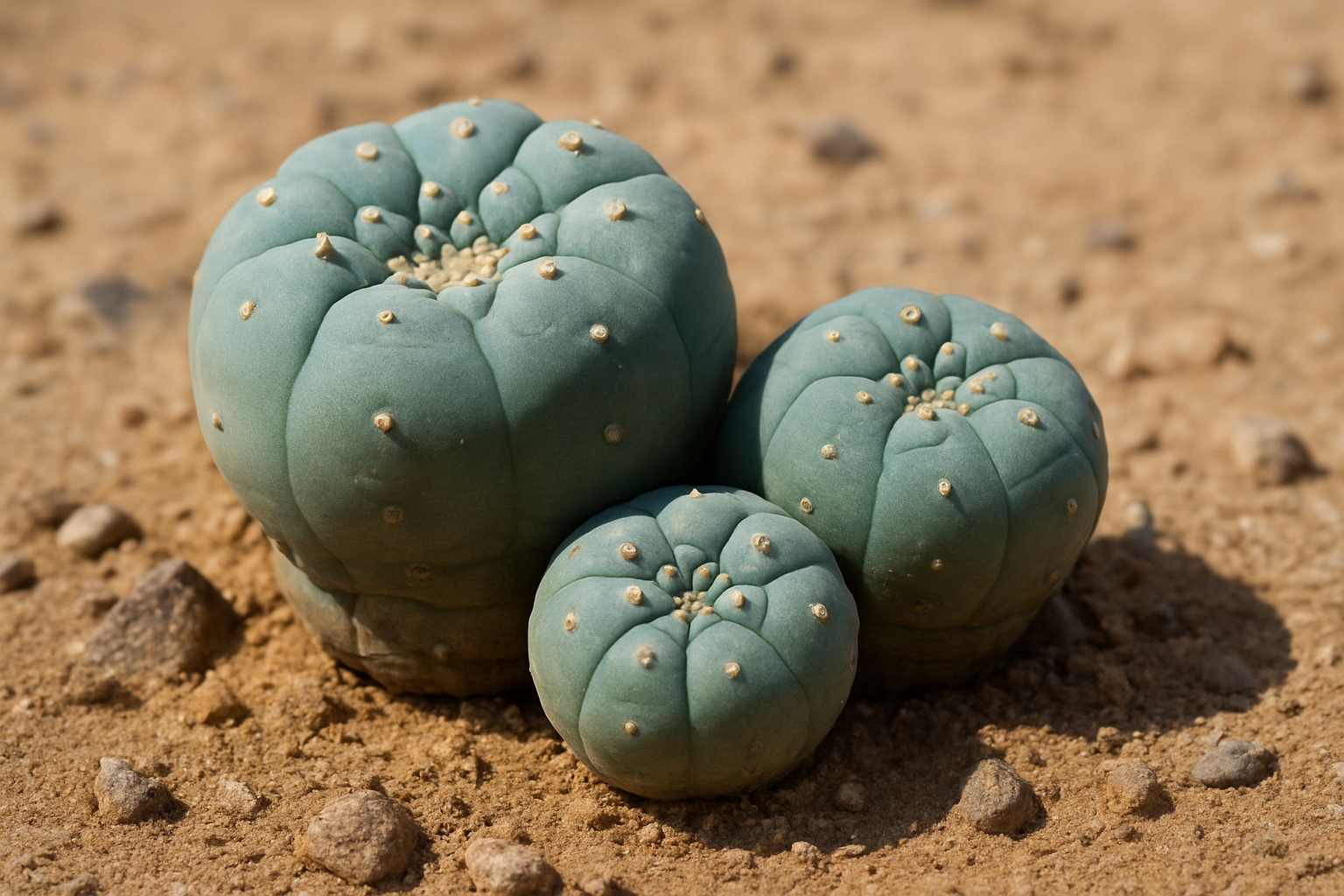
Typical Size Reaching Thirteen Centimeters Across at Maturity
The Lophophora Williamsii Peyote Cactus develops through distinct growth stages, gradually expanding from small seedlings to mature specimens. These remarkable desert dwellers demonstrate a measured approach to development, with mature plants reaching impressive dimensions when provided with optimal growing conditions.
In their natural habitat, peyote plants can take up to 30 years to reach the size of a golf ball, highlighting their extremely slow but steady growth pattern. Under controlled cultivation conditions, mature specimens typically achieve diameters ranging from 2-5 cm in their button-like formation. However, exceptional specimens can develop significantly larger proportions, with some reaching up to thirteen centimeters across when allowed to mature fully.
The growth timeline varies dramatically between wild and cultivated environments. While natural specimens require fifteen to twenty-five years to reach flowering maturity, controlled conditions can accelerate this process, with plants achieving maturity in as little as four to five years. This acceleration allows cultivated specimens to reach their full size potential more efficiently.
| Growth Stage | Timeline (Wild) | Timeline (Cultivated) | Size Range |
|---|---|---|---|
| Seedling | 2-3 weeks | 2-3 weeks | Initial emergence |
| Button formation | 1 year | 1 year | 1-2 cm |
| Color development | 2 years | 1-2 years | 2-3 cm |
| Mature size | 15-25 years | 4-5 years | 5-13 cm |
Prolific Pupping Behavior Throughout the Plant’s Lifetime
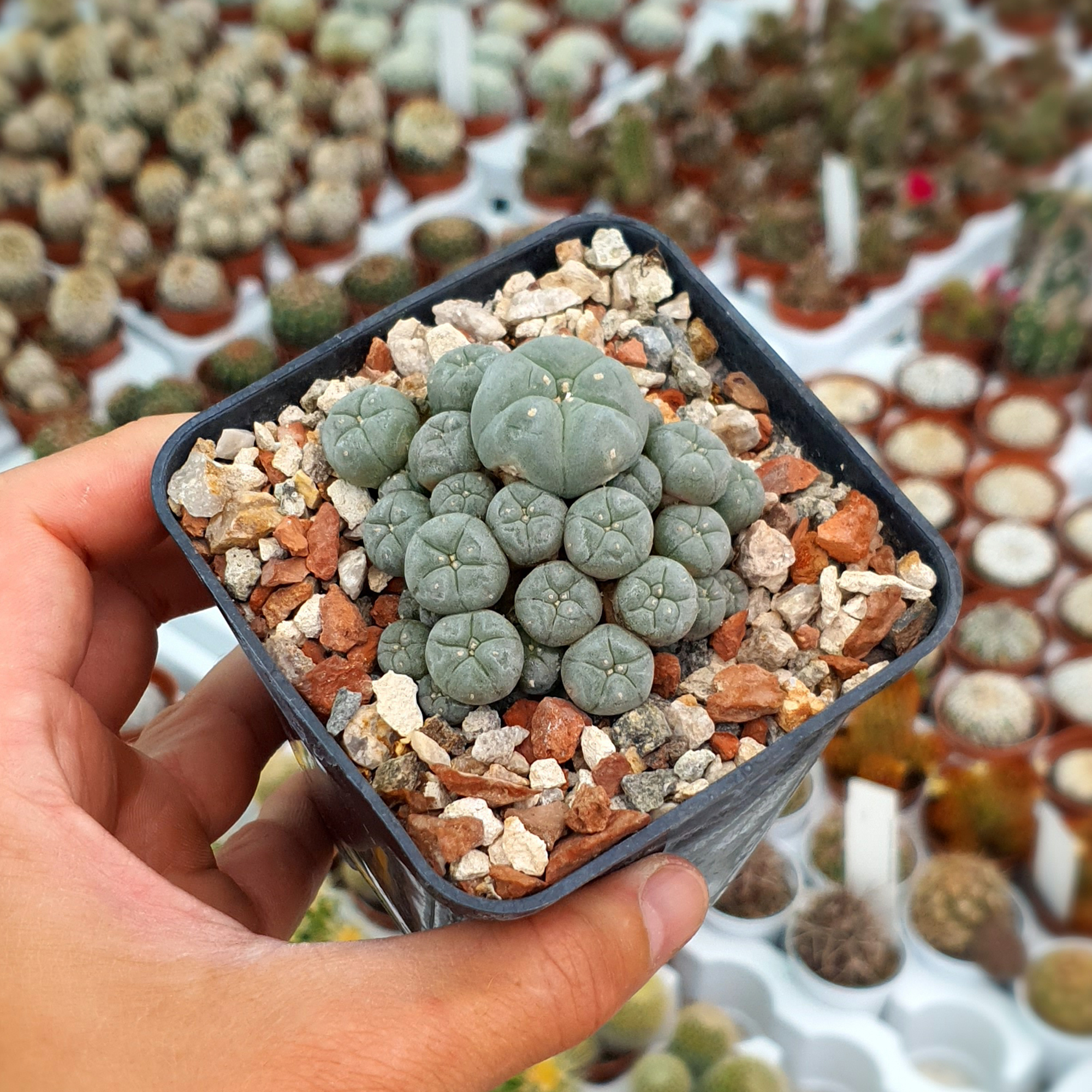
The multi-headed varieties of Lophophora Williamsii demonstrate remarkable pupping behavior that continues throughout their entire lifespan. This natural reproduction method allows mature plants to generate numerous offspring, creating the characteristic clustered appearance that makes three-headed specimens particularly valuable to collectors.
Pupping typically occurs when plants reach sufficient maturity and have established robust root systems. The process involves the development of small offsets around the base of the main plant body, which gradually develop into independent growing points while remaining connected to the parent plant through shared root networks.
This reproductive strategy serves multiple purposes in the plant’s survival mechanism:
-
Risk distribution: Multiple heads reduce the impact of environmental stress on individual growing points
-
Resource sharing: Connected root systems allow sharing of water and nutrients between heads
-
Genetic preservation: Ensures species continuation even if individual heads are damaged
-
Territory expansion: Allows the plant to occupy more growing space over time
The pupping process intensifies during optimal growing conditions, particularly when plants receive adequate water during their active growing season and proper dormancy periods during winter months. Temperature ranges between 70-90°F (21-32°C) promote the most prolific pupping behavior, while consistent care practices encourage steady offset development.
Self-Pollinating Capabilities of Northern Varieties
Northern varieties of Lophophora Williamsii have developed remarkable self-pollinating capabilities that distinguish them from their southern counterparts. This adaptation allows these plants to reproduce successfully even in isolated growing conditions, making them particularly valuable for cultivation purposes.
The self-pollination process occurs during the plant’s flowering period, which typically extends from March to May and can continue as late as September under favorable conditions. These northern varieties produce small pink or white flowers during summer months when they reach maturity, usually after 5-10 years under ideal cultivation conditions.
Self-pollinating capabilities provide several advantages for northern varieties:
-
Independence: No requirement for cross-pollination from other plants
-
Genetic stability: Maintains consistent characteristics across generations
-
Cultivation benefits: Allows seed production in isolated growing environments
-
Survival advantage: Ensures reproduction in harsh northern climates where pollinators may be scarce
The flowers of northern varieties contain both male and female reproductive organs, enabling successful fertilization within individual blooms. This hermaphroditic characteristic ensures that even single plants can produce viable seeds, contributing to the species’ resilience in challenging environments.
During the flowering season, plants require careful attention to environmental conditions. Maintaining temperatures between 70-90°F (21-32°C) and providing adequate but not excessive moisture supports optimal flower development and successful seed formation. The self-pollinating nature of these northern varieties makes them particularly appealing to cultivators interested in propagation through seed collection.
Cultivation Requirements and Growing Success

Fast germination from fresh seeds under proper conditions
Lophophora Williamsii Peyote Cactus seeds require specific preparation techniques to achieve optimal germination rates. The most effective approach involves soaking seeds in warm water for several hours or overnight before planting. This critical step helps soften the seed coat and significantly enhances germination rates, providing the foundation for successful cultivation.
When planting, the tiny peyote seeds should be sown directly on top of a well-prepared soil mixture without burying them deeply. The delicate nature of these seeds requires gentle handling – simply press them lightly into the surface to ensure contact with the growing medium. After planting, mist the soil surface lightly to provide initial moisture without creating waterlogged conditions that could lead to seed rot.
The germination environment must maintain consistent moisture levels while avoiding overwatering. Allow the soil to dry out slightly between light waterings, as excessive moisture poses the greatest threat to successful seed germination. This careful balance mimics the natural arid conditions where Lophophora Williamsii naturally thrives.
Maturity and flowering achieved within eighteen months
Under optimal growing conditions, properly cultivated peyote cacti can reach sexual maturity and begin flowering within eighteen months of germination. This relatively rapid development timeline represents ideal circumstances where all environmental factors align perfectly.
The flowering stage marks a significant milestone in the plant’s development cycle. When mature, these cacti produce delicate pink flowers that eventually develop into club-shaped, edible pink berries. This reproductive capability indicates that the plant has established robust root systems and adequate energy reserves for sustained growth.
However, achieving this accelerated timeline requires unwavering attention to cultivation details and environmental consistency throughout the growth period.
Optimal lighting and environmental conditions for healthy development
Successful Lophophora Williamsii cultivation demands precise environmental control to replicate native growing conditions. The optimal temperature range spans between 70°F and 90°F (21°C to 32°C) during the active growing season. While these cacti can tolerate brief exposure to temperatures near freezing, extended cold periods will severely damage or kill the plants.
Lighting requirements center on providing bright, indirect sunlight rather than intense direct exposure. A south-facing window location or outdoor spots with partial shade typically offer suitable light conditions. Direct sunlight can cause sunburn damage, compromising the plant’s health and development potential.
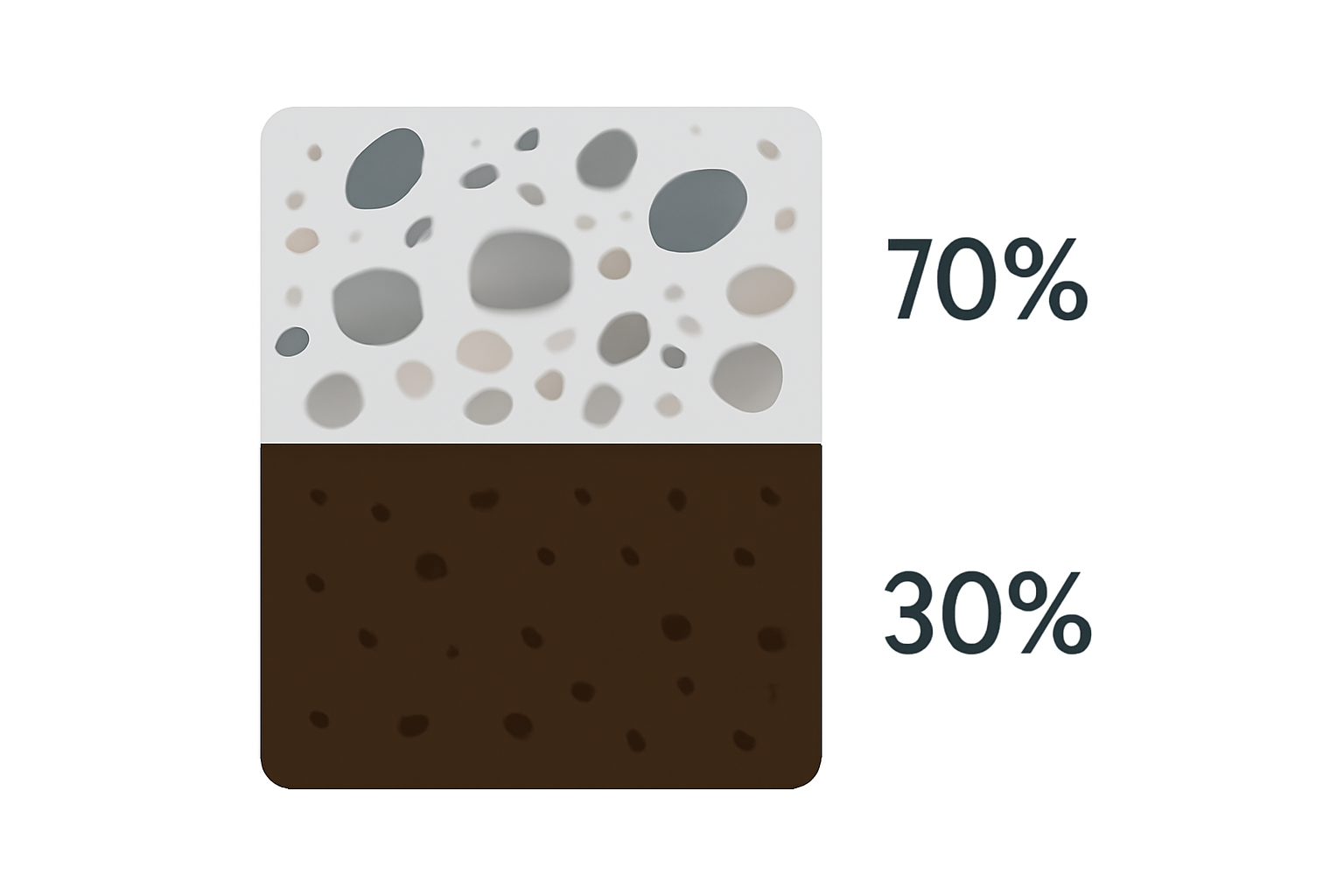
The growing medium must consist of well-draining soil that prevents water retention. An effective mixture combines approximately 50% mineral-based soil with 50% coarse sand or perlite. This composition replicates the arid, fast-draining conditions of the plant’s natural habitat.
Watering practices should reflect the plant’s desert origins – water sparingly and allow complete soil drying between applications. During the growing season, maintain slightly moist soil conditions, but reduce watering frequency significantly during winter dormancy periods.
Alkaloid Content and Potency Factors
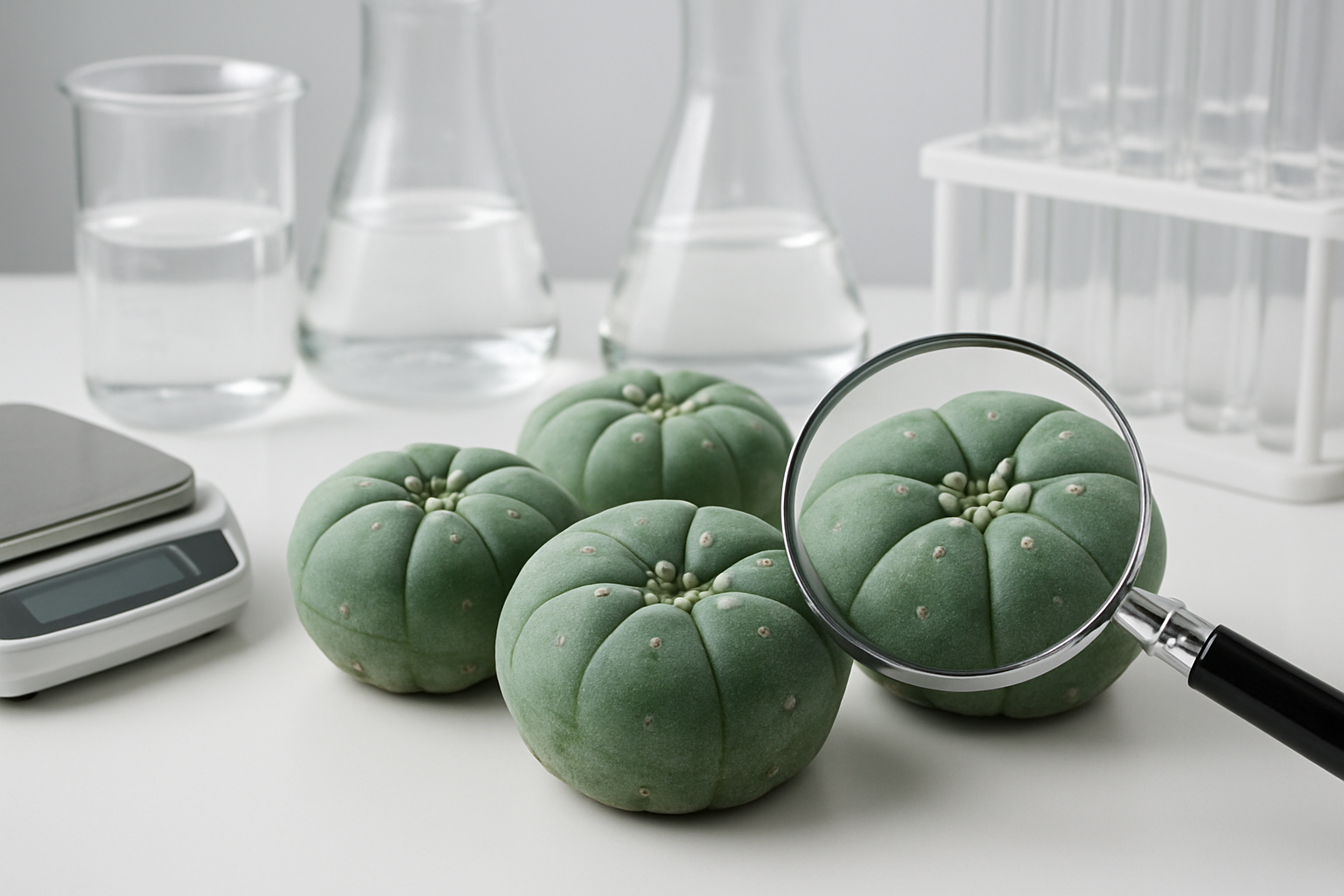
Mescaline concentration ranging from fifteen to thirty percent
The alkaloid composition of Lophophora Williamsii demonstrates remarkable complexity, with mescaline representing approximately thirty percent of the total alkaloid content. Within dried peyote specimens, the average mescaline content ranges from 3-6% of the total plant material, though this concentration can vary significantly based on multiple environmental and biological factors. Each dried button typically contains approximately 45 mg of mescaline, making it a potent source of this phenylethylamine alkaloid.
The concentration levels found in three-headed specimens can range from 1% to 6% mescaline content by dry weight, with some mature specimens achieving the higher end of this spectrum. This variability makes proper identification and understanding of individual specimen potency crucial for collectors and researchers working with these unique cacti.
Environmental stress impact on alkaloid production levels
Now that we understand the baseline concentrations, environmental stress factors play a crucial role in determining final alkaloid levels in Lophophora Williamsii specimens. Climatic conditions, soil composition, and seasonal variations directly influence the plant’s chemical defense mechanisms, leading to increased mescaline production under stress conditions.
Temperature fluctuations, particularly exposure to extreme heat or cold cycles, trigger enhanced alkaloid synthesis as the cactus adapts to survive harsh conditions. Similarly, nutrient-poor soils force the plant to concentrate its chemical resources, often resulting in higher alkaloid densities per gram of plant material. The timing of harvest also significantly affects potency, with specimens collected during periods of environmental stress showing elevated mescaline concentrations compared to those harvested during optimal growing conditions.
Age and drought conditions enhancing chemical concentration
With this understanding of environmental factors in mind, the age of three-headed Lophophora Williamsii specimens represents perhaps the most significant factor in alkaloid concentration. Mature specimens, particularly those that have survived multiple drought cycles, demonstrate substantially higher mescaline levels than younger plants. In wild conditions, it takes up to 30 years for these cacti to reach golf ball size and begin flowering, during which time alkaloid concentrations steadily increase.
Drought conditions specifically enhance chemical concentration through multiple mechanisms. Water stress forces the plant to reduce cellular volume while maintaining alkaloid levels, effectively concentrating these compounds. Additionally, prolonged drought periods trigger survival responses that increase mescaline production as part of the plant’s chemical defense system. Three-headed specimens, having survived the stress that created their unique morphology, often exhibit enhanced alkaloid profiles compared to single-crowned individuals of similar age.
The relationship between age and potency becomes particularly pronounced in specimens over 15-20 years old, where sustained environmental pressures have allowed for optimal alkaloid development and concentration throughout the plant tissue.
Unique Specimen Features and Collector Value
Multiple Head Formations Creating Distinctive Appearances
Multi-headed Lophophora Williamsii specimens exhibit extraordinary visual characteristics that distinguish them from their single-crowned counterparts. These formations develop through natural genetic variations or environmental stresses that cause the growing tip to split into multiple meristems. Each head maintains its own distinct ribbing pattern and areole arrangement, creating a captivating geometric display that collectors find irresistible.
The asymmetrical growth patterns mirror the principles observed in rare mineral specimens, where one section may develop more prominently than others. This natural variation gives each three-headed peyote cactus its signature appearance, with heads ranging from perfectly symmetrical arrangements to more organic, flowing formations that seem to emerge organically from the plant’s base.
Continuous Flower and Seed Production Capabilities
With multiple growing points active simultaneously, three-headed specimens demonstrate exceptional reproductive potential compared to single-headed plants. Each crown can produce its characteristic pink to white flowers independently, creating extended blooming periods throughout the growing season. This enhanced flowering capacity significantly increases seed production opportunities for propagation purposes.
The staggered flowering cycles across the three heads ensure that collectors can enjoy blooms for extended periods, with each head potentially flowering at different times during optimal growing conditions. This continuous reproductive activity makes these specimens particularly valuable for those interested in cultivation and seed collection programs.
Variegated and Cristate Specimens Requiring Extended Growing Periods
The most coveted three-headed Lophophora Williamsii specimens often display additional mutations such as variegation or cristate growth patterns. These rare characteristics, combined with the multi-headed formation, create specimens that require decades to develop their full distinctive features. Variegated specimens showcase striking color variations across their surface, with portions displaying altered chlorophyll production that creates unique aesthetic patterns.
Cristate or “crested” forms develop fan-like growth patterns that, when combined with multiple heads, produce some of the most extraordinary specimens in cultivation. These complex mutations demand extended growing periods to fully express their unique characteristics, with some specimens requiring 15-20 years or more to reach their full ornamental potential. The rarity of these combined traits makes such specimens exceptionally valuable to serious collectors who appreciate the patience required for their development.
Care and Maintenance for Multi-Headed Varieties
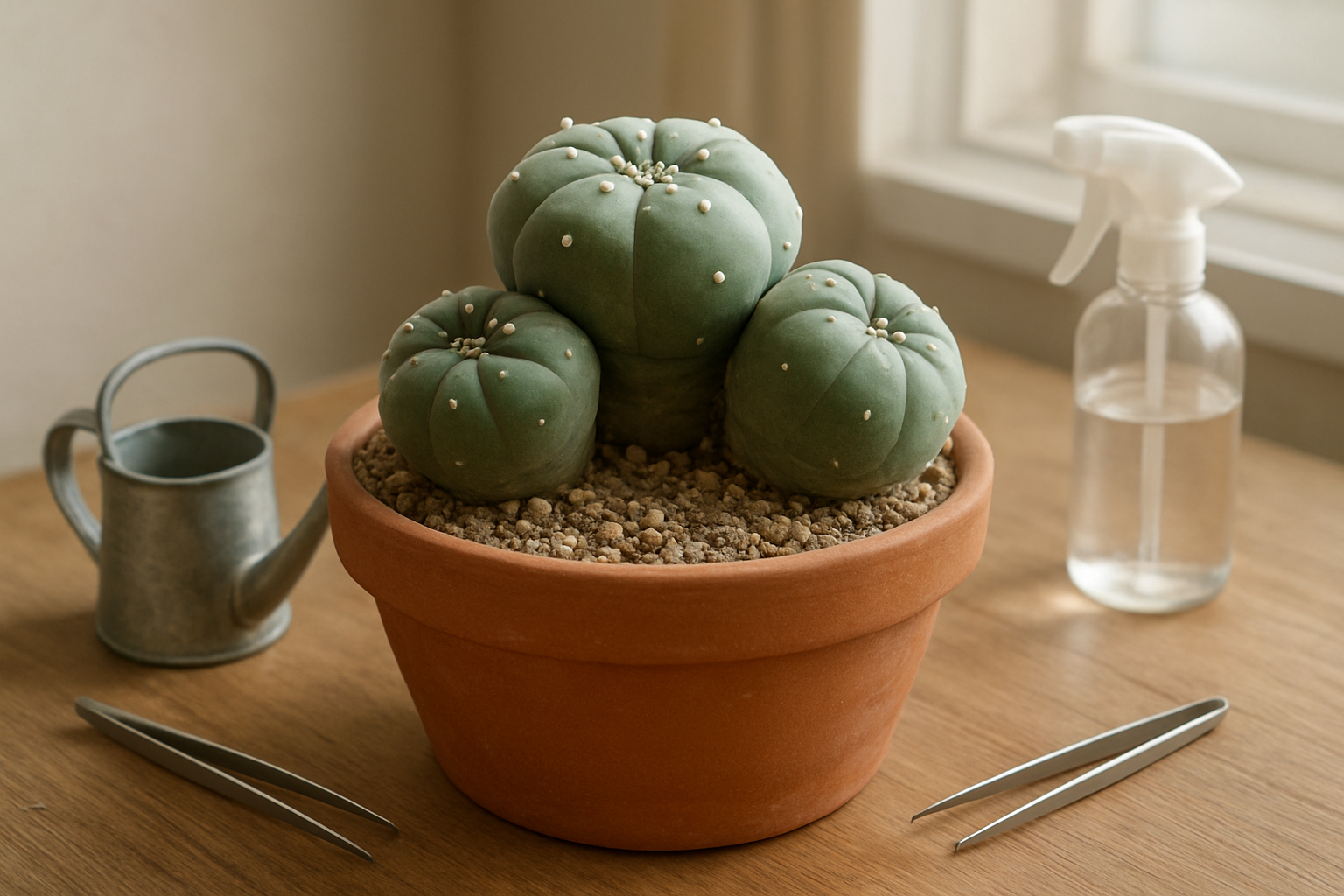
Special Considerations for Mutation Specimens
Multi-headed Lophophora Williamsii specimens require specialized care approaches that differ significantly from their single-headed counterparts. These mutations are particularly sensitive to environmental fluctuations and demand consistent temperature control between 70-90 degrees Fahrenheit. The multiple crowns create increased surface area exposure, making these specimens more vulnerable to temperature stress and requiring protection from temperatures below 40 degrees F.
The rootstock supporting multiple heads faces increased nutritional demands, necessitating a well-draining planting mix consisting of 1-part black lava sand, 1-part small pumice, 1-part zen sand (calcium carbonate/limestone pebbles), and ½-part worm castings. This rocky composition prevents root rot while providing adequate nutrients for the enhanced metabolic requirements of multi-headed varieties. Regular foliar feeding with bloom formulas high in calcium phosphate becomes crucial, as the expanded crown structure requires additional phosphorous for healthy development.
Watering Protocol for Multi-Headed Varieties:
-
Use slightly acidic 5.1 pH water to enhance mineral availability
-
Water twice weekly during hot summer months
-
Mist daily with plant food solution for optimal nutrient absorption through stomata
-
Implement complete watering cessation during dormancy periods
Harvesting Timing for Seed Production Optimization
Now that we understand the special care requirements, the timing of seed production becomes critical for maintaining healthy multi-headed specimens. Peyote flowers appear approximately one week after thorough watering, with mature plants responding to rainfall patterns. For multi-headed varieties, coordinate flowering across all crowns by maintaining consistent moisture levels throughout the growing season.
The pollination process requires careful attention to each individual crown. Using a small #2 paintbrush, gently transfer pollen from the androecium of the stamen into the pistils of each flower. This cross-pollination between heads on the same plant often produces more viable seeds due to the genetic stability of mutation specimens.
Seed Development Timeline:
-
Flower appearance: 7 days post-watering
-
Pollination window: 2-3 days after flower opening
-
Berry formation: 3-5 days post-pollination
-
Ripening period: Several weeks to months
-
Harvest timing: When pods are completely dry and shriveled
Each flower produces 6-30 seeds in a single fruit, with multi-headed specimens potentially yielding hundreds of seeds per growing season. The central tuft of each crown may harbor loose seeds, requiring careful inspection during maintenance. Fresh seeds demonstrate higher viability rates and should be planted immediately when proper germination conditions are available.
Long-term Care for Mature Collector Plants
With proper harvesting techniques established, mature multi-headed collector specimens require specialized long-term maintenance strategies. These valuable plants can live for decades with appropriate care, making them prized additions to serious collections. The slow-growing nature means that multi-headed varieties take 10-30 years to reach full maturity, with some specimens developing additional heads over time.
Advanced Care Protocols:
Mature multi-headed specimens benefit from quarterly preventive pest management using organic insecticides. Apply 70% Neem oil as a foliar spray in two applications spaced 10-14 days apart, followed by Monterey Spray with Spinosad using the same schedule. Spider mites pose particular threats to mature specimens, as their increased surface area provides more breeding opportunities for these destructive pests.
The crown cut harvesting technique proves especially valuable for collector specimens, allowing sustainable button harvest while preserving the mother plant. Using a ¾” hole-making drill bit and sharp knife, remove the apical meristem from selected crowns, leaving green tissue around the base. This technique ensures rapid recovery while maintaining the plant’s collector value.
Seasonal Care Adjustments:
-
Summer: Increase watering frequency, provide shade cloth protection
-
Winter: Reduce watering, maintain temperatures above 45°F
-
Spring: Resume regular feeding schedule, inspect for pest activity
-
Fall: Gradually reduce watering, prepare for dormancy period
Environmental stability becomes paramount for long-term success. Maintain consistent humidity levels and provide adequate air circulation to prevent fungal diseases. Multi-headed specimens should be grown under artificial lighting on timers to maximize light cycles without the burning effects of direct sunlight, as these mutations often prove more light-sensitive than standard varieties.
7 FAQ
What makes three-headed Lophophora Williamsii specimens so special?
Three-headed Lophophora Williamsii cacti represent rare genetic mutations where multiple growth points develop from a single root system. These specimens showcase unique symmetrical patterns and increased surface area for photosynthesis. Collectors prize them for their distinctive appearance, slower growth rates, and the fascinating way each head develops its own character while sharing resources through the common root structure.
How long does it take for three heads to fully develop?
Multi-headed peyote cacti typically require 5-10 years to develop distinct, well-formed heads from initial mutation points. Growth depends heavily on environmental conditions, with optimal temperature, light, and watering schedules accelerating development. Each head grows at slightly different rates, creating natural size variations that add to the specimen’s visual appeal and collector value over time.
Do three-headed specimens require different care than single cacti?
Three-headed varieties need slightly modified watering schedules since multiple growth points increase water uptake during active growing seasons. Space each head adequately to prevent crowding and ensure proper air circulation. Use wider, shallower pots to accommodate the broader root spread. Monitor each head individually for signs of stress, rot, or pest issues, as problems can spread between connected heads.
Are alkaloid levels different in multi-headed specimens?
Multi-headed Lophophora Williamsii typically concentrate similar alkaloid levels per gram of plant material compared to single specimens. However, the total alkaloid content increases proportionally with the additional plant mass. Each head produces its own alkaloid profile, though concentrations remain consistent with typical peyote ranges. The shared root system helps distribute nutrients evenly between heads.
How much should I expect to pay for a three-headed specimen?
Three-headed Lophophora Williamsii specimens command premium prices ranging from $200-800 depending on size, age, and head symmetry. Well-established specimens with balanced, mature heads cost significantly more than younger mutations. Rare four or five-headed specimens can reach $1000+. Price factors include overall health, root development, provenance, and the specimen’s photogenic qualities for collectors.
Can I propagate additional heads from my three-headed cactus?
Three-headed specimens occasionally produce additional growth points or offsets that can develop into new heads naturally. Forced division rarely succeeds and risks damaging the entire plant. Instead, provide optimal growing conditions and patience – some specimens spontaneously develop fourth or fifth heads over decades. Grafting techniques can potentially encourage new growth points, though this requires advanced horticultural skills.
What are common problems with multi-headed varieties?
Multi-headed Lophophora Williamsii face increased risks of fungal infections due to moisture retention between heads and uneven drying. Root rot spreads quickly through the shared system, potentially killing all heads simultaneously. Overcrowding causes etiolation and weak growth. Pest infestations like scale insects hide easily between heads. Regular inspection, proper spacing, and careful watering prevent most issues.
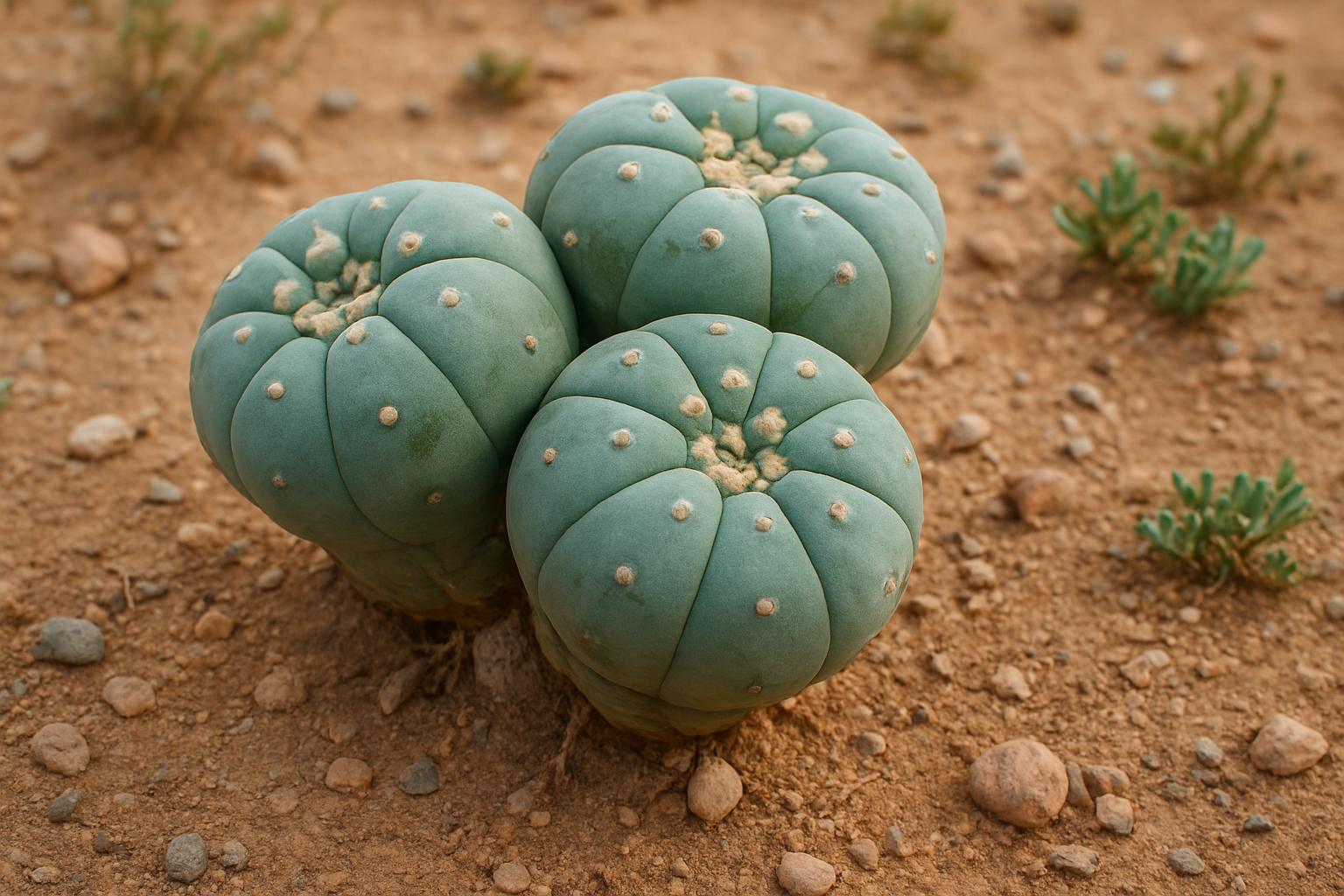
Three-headed Lophophora williamsii specimens represent some of the most fascinating mutations in the cactus world. These rare formations combine the robust characteristics of typical peyote with unique growth patterns that make each plant a living work of art. Whether you’re drawn to their collector value, intrigued by their enhanced alkaloid potential, or simply appreciate their distinctive appearance, multi-headed varieties offer an extraordinary growing experience that rewards patience with years of continuous development and flowering.
The cultivation journey with these special specimens requires dedication to proper soil drainage, controlled watering, and stable environmental conditions. Success comes from understanding that these mutations often grow more slowly than standard varieties but compensate with their remarkable longevity and prolific flowering patterns. For serious collectors and enthusiasts, a three-headed Lophophora williamsii represents not just a plant, but a decades-long partnership that will continue evolving and surprising you with new growth patterns, abundant seed production, and the deep satisfaction that comes from nurturing one of nature’s most unique botanical treasures.
Lophophora Williamsii Peyote Cactus | Lophophora Williamsii Peyote Cactus | Lophophora Williamsii Peyote Cactus | Lophophora Williamsii Peyote Cactus | Lophophora Williamsii Peyote Cactus | Lophophora Williamsii Peyote Cactus | Lophophora Williamsii Peyote Cactus | Lophophora Williamsii Peyote Cactus | Lophophora Williamsii Peyote Cactus | Lophophora Williamsii Peyote Cactus | Lophophora Williamsii Peyote Cactus | Lophophora Williamsii Peyote Cactus | Lophophora Williamsii Peyote Cactus | Lophophora Williamsii Peyote Cactus | Lophophora Williamsii Peyote Cactus | Lophophora Williamsii Peyote Cactus | Lophophora Williamsii Peyote Cactus | Lophophora Williamsii Peyote Cactus | Lophophora Williamsii Peyote Cactus | Lophophora Williamsii Peyote Cactus | Lophophora Williamsii Peyote Cactus | Lophophora Williamsii Peyote Cactus | Lophophora Williamsii Peyote Cactus | Lophophora Williamsii Peyote Cactus | Lophophora Williamsii Peyote Cactus | Lophophora Williamsii Peyote Cactus | Lophophora Williamsii Peyote Cactus | Lophophora Williamsii Peyote Cactus | Lophophora Williamsii Peyote Cactus | Lophophora Williamsii Peyote Cactus | Lophophora Williamsii Peyote Cactus | Lophophora Williamsii Peyote Cactus | Lophophora Williamsii Peyote Cactus | Lophophora Williamsii Peyote Cactus