LSD & The Psychedelic 60’s

LSD & The Psychedelic 60’s
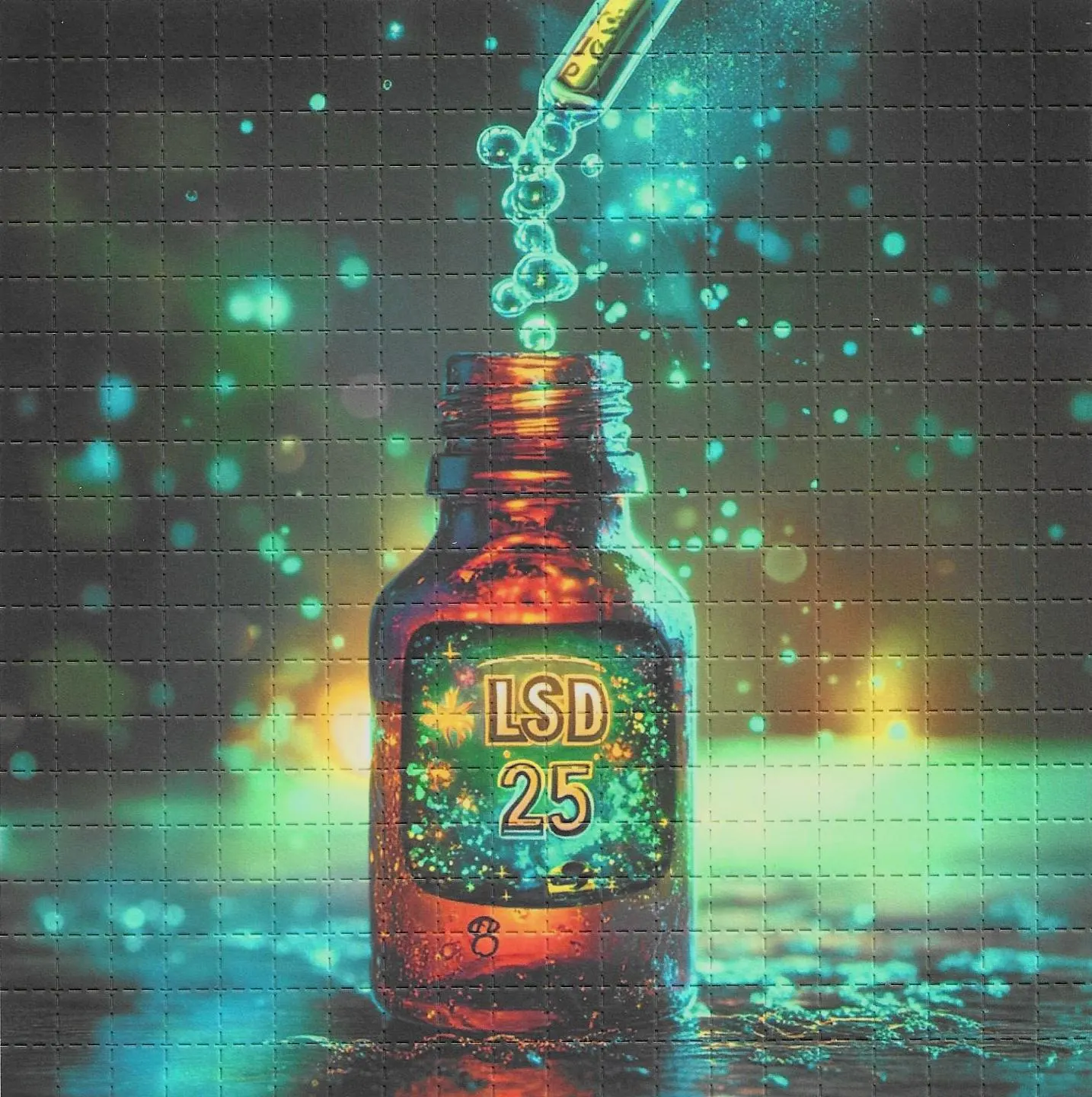
Step into the vibrant world of LSD & The Psychedelic 60’s, the era that ignited creativity, freedom, and a new way of thinking. This unique product captures the essence of the counterculture movement that changed music, art, and consciousness forever. Whether you’re a collector, historian, or enthusiast, this piece delivers a powerful journey through the mind-expanding revolution that defined the 1960s.
Featuring high-impact visuals, pure inspiration, and vivid storytelling, LSD & The Psychedelic 60’s embodies a rare blend of history and energy that continues to influence modern culture. Unlock a new dimension of insight and explore how LSD shaped human perception, creativity, and social awakening.
The 1960s changed everything when LSD hit the scene and turned an entire generation’s worldview upside down. This deep dive into LSD & The Psychedelic 60’s is perfect for history buffs, music lovers, and anyone curious about how one small chemical compound rewrote the cultural playbook of America.
LSD didn’t just alter individual minds – it transformed entire art forms, from the trippy album covers of The Beatles to the swirling patterns that defined a decade’s visual style. We’ll explore how this powerful psychedelic drug went from a Swiss lab discovery to the soundtrack of a revolution, creating new sounds, styles, and ways of thinking that still influence us today.
You’ll discover the wild story behind LSD’s accidental creation and early experiments, then see how it fueled the explosive creativity in music and art that made the 60s legendary. We’ll also cover the dramatic shift from acceptance to prohibition, when the establishment fought back against the psychedelic movement with harsh laws and social pressure that eventually drove the culture underground.
The Discovery and Early History of LSD
Albert Hofmann’s Accidental Discovery in 1943
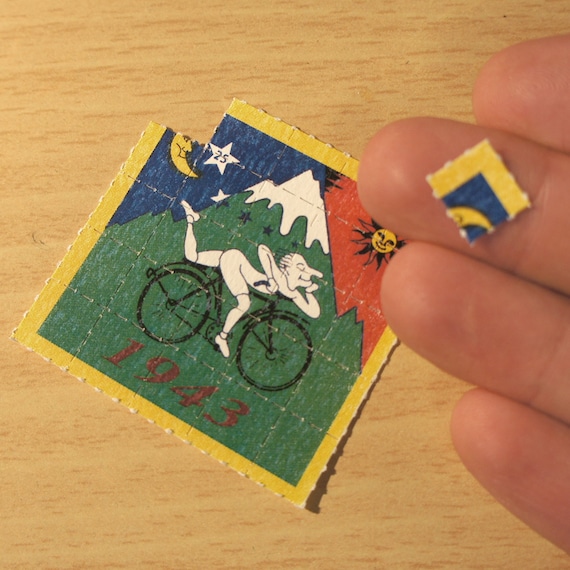
Swiss chemist Albert Hofmann stumbled upon one of the most powerful psychoactive substances known to humanity while working at Sandoz pharmaceutical company in Basel. On April 16, 1943, Hofmann was synthesizing lysergic acid diethylamide (LSD-25) as part of his research into ergot alkaloids when he accidentally absorbed a small amount through his skin. The unexpected journey that followed included vivid hallucinations and altered perceptions during his bicycle ride home – an event now celebrated as “Bicycle Day” among psychedelic enthusiasts.
Three days later, Hofmann intentionally ingested 250 micrograms of LSD to confirm his suspicions about the compound’s effects. This deliberate experiment marked the first intentional LSD trip in history and revealed the substance’s extraordinary potency – active in doses measured in millionths of a gram.
Initial Pharmaceutical Research and Therapeutic Potential
Sandoz initially marketed LSD as “Delysid” to psychiatrists and researchers, believing it could revolutionize mental health treatment. Early studies showed promising results for treating various psychological conditions including depression, anxiety, and alcoholism. Researchers thought LSD could help therapists access their patients’ unconscious minds and facilitate breakthrough moments in therapy sessions.
The pharmaceutical company distributed LSD widely to research institutions throughout the 1950s, with hundreds of studies exploring its therapeutic applications. Many psychiatrists experimented with the drug themselves to better understand their patients’ experiences, leading to a small but growing community of professionals familiar with psychedelic states.
CIA’s Secret MK-Ultra Experiments and Mind Control Programs
The Central Intelligence Agency launched the classified MK-Ultra program in 1953, secretly using LSD in unethical human experiments without subjects’ knowledge or consent. Led by psychiatrist Sidney Gottlieb, these programs aimed to develop techniques for mind control and interrogation during the Cold War era.
CIA operatives administered LSD to unsuspecting victims in hotels, bars, and mental hospitals. The agency funded research at universities and psychiatric facilities, often targeting vulnerable populations including prisoners, mental patients, and marginalized communities. These experiments violated basic human rights and caused lasting psychological damage to countless individuals.
The program’s scope expanded to include American citizens, with agents dosing colleagues and strangers to study the drug’s potential as a truth serum or psychological weapon. Many subjects experienced severe psychological trauma, and some cases resulted in suicide and permanent mental health issues.
Transition from Laboratory to Counterculture
By the late 1950s and early 1960s, LSD began escaping controlled laboratory settings and entering broader cultural circles. Harvard professors Timothy Leary and Richard Alpert (later Ram Dass) conducted controversial LSD research that gradually shifted from scientific study to spiritual exploration and advocacy.
Key figures in the emerging counterculture movement discovered LSD through various channels – some through legitimate research participation, others through underground networks of early experimenters. Beat generation writers like Allen Ginsberg and Ken Kesey helped bridge the gap between academic research and street-level experimentation.
The transition accelerated when former research subjects began synthesizing and distributing LSD independently. Underground chemists like Owsley Stanley produced high-quality LSD that fueled the growing psychedelic scene in places like San Francisco’s Haight-Ashbury district. What started as a controlled pharmaceutical compound transformed into a catalyst for social and cultural revolution that would define the 1960s.
How LSD Sparked the Psychedelic Revolution
Timothy Leary’s Harvard experiments and advocacy
Timothy Leary transformed from a respected Harvard psychologist into the most controversial advocate for psychedelic consciousness in America. His journey began in 1960 when he first encountered psilocybin mushrooms during a trip to Mexico. The experience was so profound that he returned to Harvard determined to study psychedelics scientifically.
At Harvard, Leary launched the Harvard Psilocybin Project, conducting experiments with graduate students and volunteers. His research focused on the therapeutic potential of psychedelics, studying their effects on creativity, personality, and spiritual experiences. The experiments attracted notable participants, including Beat poet Allen Ginsberg and writer Aldous Huxley.
When LSD became available, Leary shifted his focus to this more potent compound. His famous phrase “Turn on, tune in, drop out” became the rallying cry for a generation seeking consciousness expansion. Leary believed LSD could solve humanity’s problems by expanding awareness and breaking down social barriers.
Harvard grew increasingly uncomfortable with Leary’s unconventional methods and his tendency to participate in the experiments himself. The university fired him in 1963, but this only amplified his influence. Free from academic constraints, Leary became a full-time evangelist for psychedelic enlightenment, writing books, giving lectures, and establishing communes where LSD use was central to daily life.
Ken Kesey and the Merry Pranksters’ acid tests
Ken Kesey, author of “One Flew Over the Cuckoo’s Nest,” took a radically different approach to spreading LSD culture. While Leary focused on controlled settings and spiritual enlightenment, Kesey wanted to bring the psychedelic experience to the masses through wild, unpredictable events.
In 1964, Kesey and his group of followers, known as the Merry Pranksters, began hosting “Acid Tests” in California. These weren’t scientific experiments but multimedia parties designed to overwhelm the senses. Participants would take LSD while surrounded by strobing lights, experimental music, and bizarre visual displays. The goal was to create a completely immersive experience that would shatter conventional reality.
The Acid Tests featured live music from bands like the Grateful Dead, who became closely associated with the psychedelic scene. These events were open to anyone brave enough to attend, with participants ranging from curious college students to seasoned beatniks. The chaotic, carnival-like atmosphere was intentional – Kesey believed that breaking down normal social structures was essential for genuine consciousness expansion.
The Pranksters documented their adventures in Tom Wolfe’s book “The Electric Kool-Aid Acid Test,” which brought their story to mainstream America. Their cross-country bus trip, painted in Day-Glo colors and named “Further,” became an iconic symbol of the psychedelic movement’s rejection of conventional society.
The spread from academia to artistic communities
The transition from laboratory to living room happened rapidly as LSD escaped academic and medical settings. Graduate students, researchers, and volunteers from early experiments became informal ambassadors, sharing their experiences with friends and creative communities.
San Francisco’s Haight-Ashbury district became ground zero for this cultural transmission. Artists, musicians, and writers flocked to the neighborhood, drawn by cheap rent and a growing reputation for creative freedom. LSD use spread through networks of poets, painters, and performers who saw psychedelics as tools for artistic breakthrough.
The Beat Generation provided crucial bridges between academic research and artistic experimentation. Writers like Allen Ginsberg had participated in Leary’s Harvard studies and brought that knowledge to their literary circles. Jazz musicians began experimenting with LSD, finding that it altered their perception of rhythm and improvisation in fascinating ways.
Art galleries started featuring psychedelic-inspired works, while underground newspapers spread information about LSD experiences and philosophy. Rock bands began incorporating psychedelic themes into their music, with groups like Jefferson Airplane and the Doors achieving mainstream success while openly discussing their drug use.
This artistic adoption gave the psychedelic movement cultural credibility and mass appeal. Unlike previous drug subcultures that remained hidden, the LSD community actively promoted their experiences through music, art, and literature. By 1967, what started as academic research had become a full-blown cultural revolution, with “Summer of Love” drawing thousands of young people to San Francisco seeking their own consciousness-expanding adventures.
Music and Art Transformed by Psychedelic Experiences
The Beatles’ creative evolution with LSD influence
The Beatles’ transformation from clean-cut pop stars to psychedelic pioneers perfectly captures how LSD reshaped 1960s music. When the Fab Four first encountered the drug in 1965, their sound underwent a dramatic metamorphosis that would influence generations of musicians. George Harrison’s fascination with Indian philosophy and the sitar, combined with the band’s collective psychedelic experiences, birthed albums like “Revolver” and “Sgt. Pepper’s Lonely Hearts Club Band.”
The shift became unmistakable on tracks like “Tomorrow Never Knows,” where John Lennon’s vocals swam through backwards recordings and tape loops, creating an auditory representation of consciousness expansion. Paul McCartney’s “Here Comes the Sun” emerged from drug-fueled creative sessions, while the entirety of “Sgt. Pepper’s” served as a sonic journey through altered states of perception. Their willingness to experiment with new recording techniques, unconventional instruments, and abstract lyrics opened doors for countless artists to explore similar territories.
Psychedelic rock emergence and iconic bands
The summer of 1967 witnessed an explosion of bands embracing LSD’s creative potential. Jefferson Airplane soared with “White Rabbit,” Grace Slick’s haunting vocals painting Lewis Carroll’s wonderland through a psychedelic lens. The Grateful Dead built their entire identity around the drug experience, with Jerry Garcia’s guitar work meandering through lengthy improvisational journeys that mirrored the unpredictable nature of acid trips.
Pink Floyd emerged from London’s underground scene, crafting atmospheric soundscapes that seemed tailor-made for altered consciousness. Their early albums featured extended instrumental passages, backwards vocals, and sound effects that transported listeners into otherworldly realms. The Doors, fronted by Jim Morrison’s shamanic presence, channeled the darker aspects of psychedelic exploration, while Jimi Hendrix’s revolutionary guitar techniques created sounds previously unimaginable.
| Band | Key Psychedelic Album | Notable Characteristics |
|---|---|---|
| Jefferson Airplane | Surrealistic Pillow | Ethereal vocals, drug references |
| Grateful Dead | Anthem of the Sun | Extended jams, live energy |
| Pink Floyd | The Piper at the Gates of Dawn | Experimental soundscapes |
| The Doors | Strange Days | Dark mysticism, Morrison’s poetry |
Visual art and poster design revolution
San Francisco’s Haight-Ashbury district became ground zero for a visual art revolution that perfectly complemented the era’s musical transformation. Artists like Rick Griffin, Stanley “Mouse” Miller, and Alton Kelley created concert posters that seemed to pulse and breathe with psychedelic energy. Their designs featured swirling lettering that challenged viewers to decipher band names and venue information, mirroring the perceptual distortions experienced during LSD trips.
The art movement drew inspiration from Art Nouveau, Native American imagery, and Eastern philosophy, creating a unique aesthetic that became synonymous with the counterculture. Bright, contrasting colors dominated these works, often featuring impossible color combinations that seemed to vibrate against each other. The famous “psychedelic” typefaces, with their flowing, organic forms, made reading an adventure in itself.
Underground comic artists like Robert Crumb and Gilbert Shelton pushed boundaries even further, creating characters and scenarios that reflected the absurd humor and philosophical insights common during psychedelic experiences. These visual artists didn’t just document the era – they actively shaped its aesthetic identity.
Album cover art reflecting altered consciousness
Record albums became canvases for artistic expression, with covers serving as gateways to the musical journeys within. “Sgt. Pepper’s Lonely Hearts Club Band” featured a collage of cultural icons surrounding the Beatles in colorful military uniforms, creating a visual representation of the cultural melting pot that defined the era. The cover became as famous as the music itself, inspiring countless artists to view album artwork as an integral part of the listening experience.
The Grateful Dead’s collaboration with artists like Stanley “Mouse” Miller produced iconic imagery that became inseparable from their musical identity. Their skull and roses motif, dancing bears, and intricate mandala designs created a visual language that fans could instantly recognize. These images appeared on everything from concert posters to t-shirts, establishing a merchandising template that countless bands would follow.
Cream’s “Disraeli Gears” featured a psychedelic collage that seemed to swirl with movement, while The Moody Blues’ “Days of Future Passed” presented classical imagery filtered through a dreamlike lens. Each cover served as a visual preview of the consciousness-expanding journey awaiting listeners inside.
Concert venues and light show innovations
The concert experience itself transformed dramatically as venues began incorporating elaborate light shows designed to enhance the psychedelic experience. The Fillmore Auditorium in San Francisco pioneered the use of liquid light projections, where colored oils swirled across screens behind performing bands, creating ever-changing patterns that seemed to respond to the music.
Bill Graham’s venues became legendary for their total sensory experiences, combining live music with visual spectacle. Strobe lights, colored gels, and projection systems created environments that transported audiences into altered states without chemical assistance. The Electric Circus in New York and similar venues across the country followed suit, establishing a new standard for live entertainment.
These innovations influenced stage design for decades to come. Bands began incorporating their own lighting rigs and visual elements, understanding that the psychedelic audience craved multi-sensory experiences. The technology developed during this period laid the groundwork for modern concert production, from Pink Floyd’s elaborate stage shows to today’s LED-enhanced performances.
The marriage of music, visual art, and psychedelic consciousness during this period created cultural artifacts that continue to inspire artists today. The era proved that altered states of consciousness could fuel genuine artistic innovation, producing works that transcended their drug-influenced origins to become timeless expressions of human creativity.
Fashion and Lifestyle Changes in the Psychedelic Era
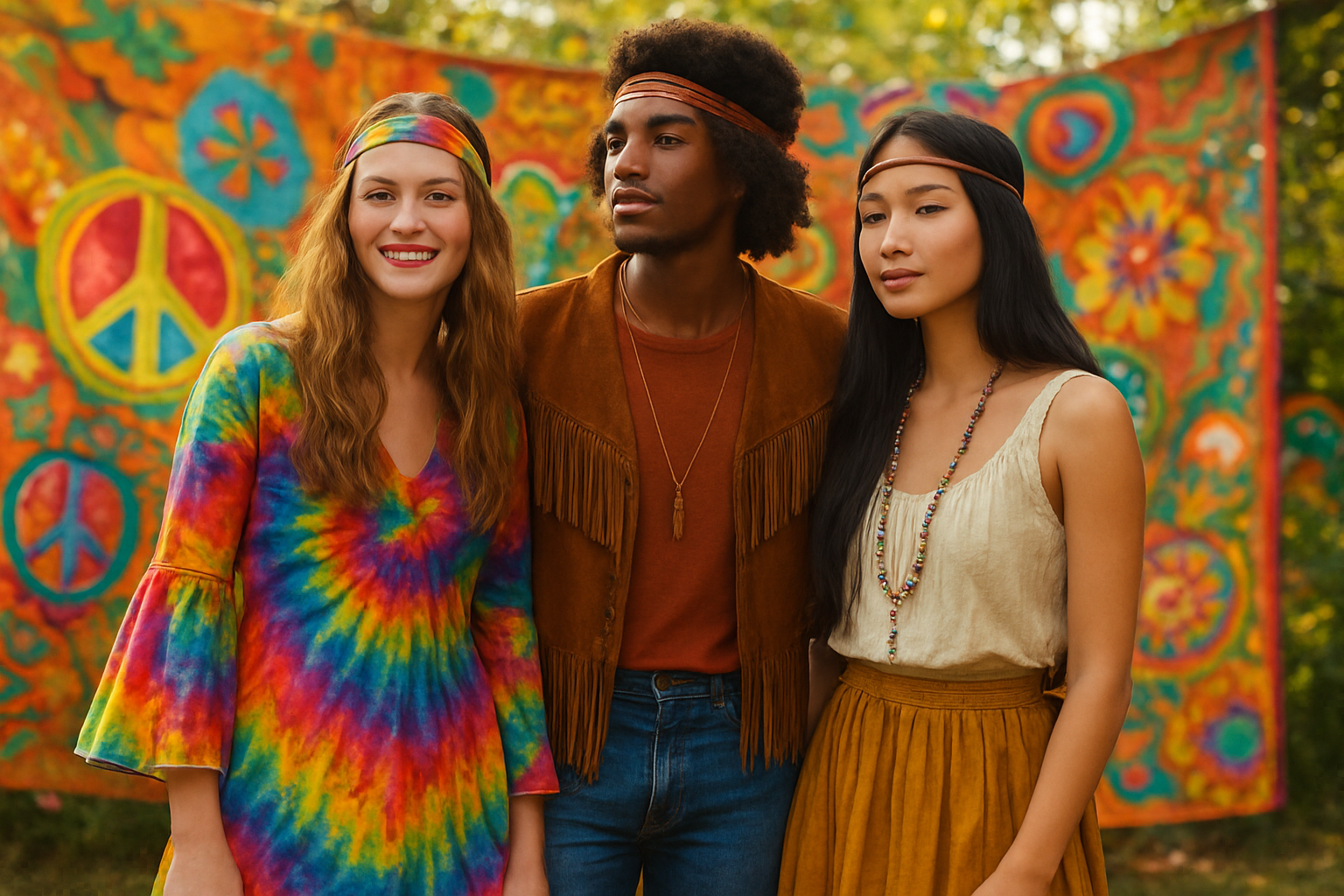
Colorful clothing and tie-dye patterns
The psychedelic revolution transformed how people dressed, turning fashion into a kaleidoscope of colors and patterns that mirrored the altered consciousness experiences of the era. Tie-dye became the unofficial uniform of the counterculture, with its swirling, rainbow-like patterns representing the visual hallucinations and expanded awareness that characterized LSD trips.
The tie-dye process itself became a communal activity, with groups gathering to create unique patterns using rubber bands, dyes, and various folding techniques. Each piece was one-of-a-kind, reflecting the individualistic spirit of the movement while simultaneously creating a sense of belonging among those who wore these vibrant creations.
Beyond tie-dye, clothing featured:
-
Bold, clashing color combinations
-
Paisley prints and swirling patterns
-
Flowing fabrics like silk and cotton
-
Eastern-inspired designs including kaftans and saris
-
Fringe, beads, and embroidered details
-
Bell-bottom pants and flowing skirts
These fashion choices rejected the conservative, structured clothing of mainstream society. The loose, comfortable garments allowed for freedom of movement during dancing and reflected the era’s emphasis on breaking down social barriers and expressing personal creativity.
Long hair and unconventional grooming styles
Hair became a powerful symbol of rebellion during the psychedelic 60s, with long locks serving as a direct challenge to conservative social norms. Both men and women grew their hair to unprecedented lengths, often letting it flow naturally without the structured styling popular in previous decades.
For men especially, long hair represented a radical departure from military-style cuts and corporate grooming standards. This shift wasn’t just aesthetic—it was deeply political, signaling rejection of traditional masculine roles and societal expectations. The phrase “freak flag” emerged to describe this proud display of nonconformity.
Grooming practices embraced natural beauty and rejected artificial enhancements:
| Traditional Style | Psychedelic Alternative |
|---|---|
| Short, styled hair | Long, natural flowing hair |
| Clean-shaven faces | Beards and mustaches |
| Makeup for women | Natural, minimal makeup |
| Structured hairstyles | Loose braids and headbands |
Accessories like flowers, beads, and bandanas adorned hair, creating looks that seemed to bloom with organic beauty. This approach to appearance reflected the era’s connection to nature and rejection of manufactured perfection.
Communal living and alternative lifestyles
The psychedelic movement sparked a complete reimagining of how people could live together, leading to the creation of communes and intentional communities that challenged traditional family structures and property ownership concepts. These communities often emerged from shared LSD experiences that revealed the interconnectedness of all life.
Communes operated on principles of:
-
Shared resources and collective ownership
-
Democratic decision-making processes
-
Rejection of materialistic values
-
Integration of spiritual practices
-
Sustainable living with the land
-
Child-rearing as a community responsibility
Places like the Haight-Ashbury district in San Francisco became legendary gathering spots where thousands of young people experimented with alternative ways of living. Free stores distributed goods without money, community kitchens fed anyone who was hungry, and crash pads provided temporary housing for travelers.
The philosophy behind these lifestyle changes went deeper than simple rebellion. Many participants believed they were creating a new society based on love, peace, and spiritual growth rather than competition and material accumulation. Drug experiences often reinforced these beliefs by dissolving ego boundaries and creating feelings of universal connection.
These communities faced practical challenges including financial sustainability, interpersonal conflicts, and external pressure from law enforcement. However, their influence extended far beyond the 1960s, inspiring modern intentional communities, environmental movements, and alternative economic models that continue today.
The Legal Crackdown and Cultural Backlash
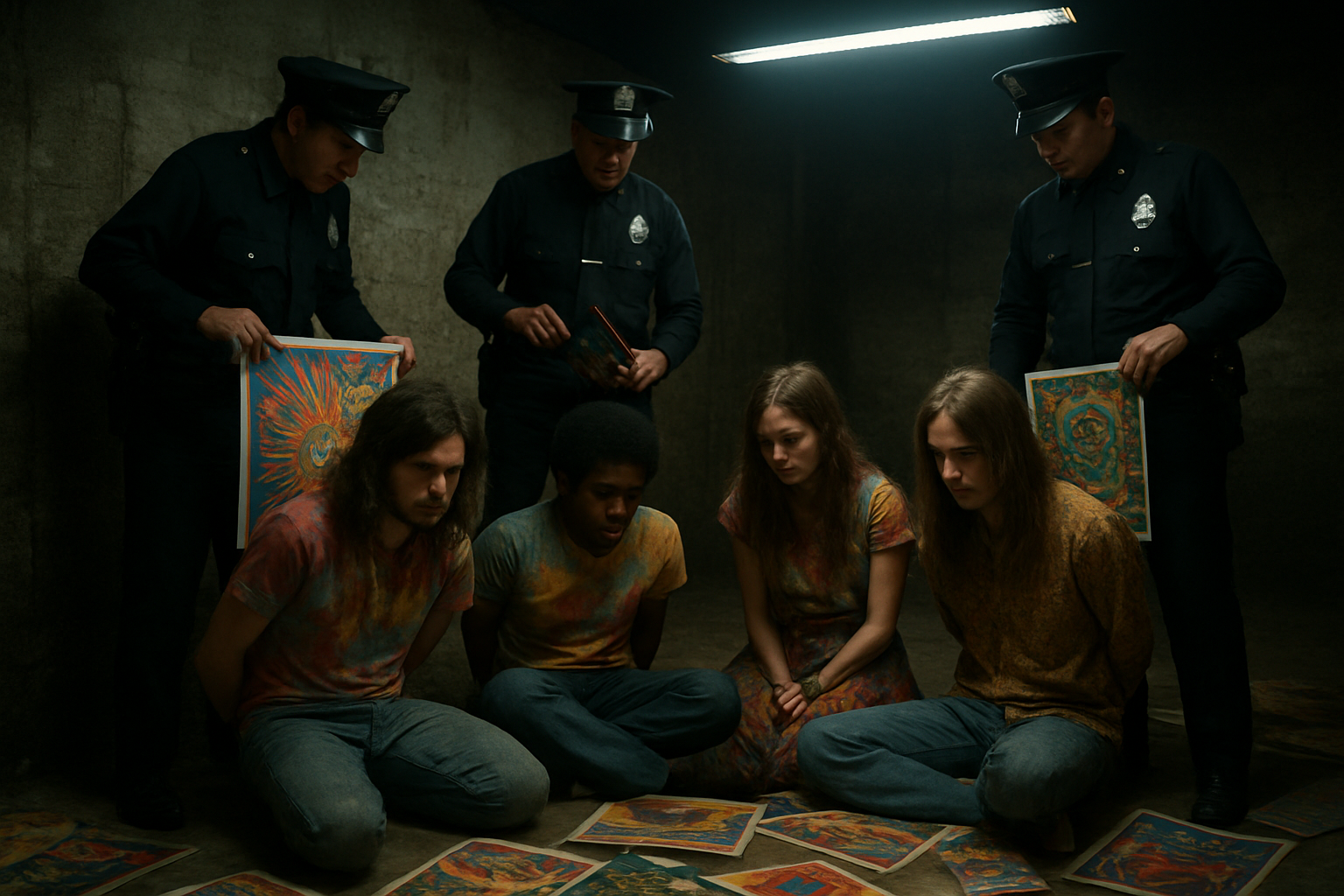
Government prohibition and criminalization efforts
The tide turned dramatically against LSD and psychedelics when government agencies began viewing them as threats to social order. The Drug Abuse Control Amendments of 1965 marked the beginning of serious federal intervention, placing LSD under regulatory control and requiring licenses for research. By 1966, California became the first state to ban LSD possession outright, with other states quickly following suit.
The Controlled Substances Act of 1970 dealt the final blow, classifying LSD as a Schedule I drug alongside heroin and marijuana. This classification declared psychedelics had “no accepted medical use” and carried severe criminal penalties. Possession could result in years in prison, while distribution charges brought even harsher sentences. The DEA launched aggressive enforcement campaigns, targeting not just dealers but casual users attending festivals and concerts.
Research programs that had shown promise in treating alcoholism, depression, and PTSD were shut down virtually overnight. Scientists like Timothy Leary became public enemies, with law enforcement pursuing them relentlessly. The message was clear: experimentation with consciousness-altering substances would be met with the full force of federal law.
Media sensationalism and moral panic campaigns
Television broadcasts and newspaper headlines painted LSD users as dangerous social deviants threatening American values. Stories of “acid casualties” dominated the news, often featuring exaggerated accounts of permanent mental damage and violent behavior. The infamous “staring at the sun until blind” myths spread widely, despite lacking scientific evidence.
Popular magazines ran exposés with titles like “The Hidden Menace of LSD” and “How Drugs Destroy Young Minds.” These articles typically featured dramatic before-and-after photos and testimonials from “reformed” users warning others about psychedelic dangers. The media rarely presented balanced coverage or mentioned legitimate research findings about therapeutic potential.
Religious leaders and politicians joined the crusade, delivering sermons and speeches linking psychedelic use to moral decay, communist infiltration, and the breakdown of traditional family structures. Parent groups organized rallies demanding stronger penalties, while school districts launched fear-based drug education programs that often contained more fiction than fact.
The decline of open psychedelic experimentation
Public experimentation with LSD disappeared almost completely by the early 1970s. The Summer of Love’s openness gave way to paranoia and secrecy as users faced real consequences for their choices. Music festivals that once celebrated psychedelic culture toned down their messaging or faced government scrutiny and permit denials.
Universities expelled students caught with psychedelics, while employers began drug testing programs. The counterculture movement’s visible leaders either fled the country, went to prison, or abandoned their public advocacy. Head shops closed their doors, underground newspapers shuttered operations, and the vibrant community that had formed around psychedelic exploration scattered.
Research institutions dismantled their LSD programs, destroying decades of accumulated data and abandoning promising therapeutic applications. The scientific community largely turned away from psychedelic research, focusing on safer areas of study that wouldn’t jeopardize funding or careers.
Underground movement and lasting cultural impact
Despite harsh penalties, psychedelic culture didn’t disappear entirely. It went underground, creating networks of careful users who shared knowledge about safe practices and reliable sources. These communities developed sophisticated security measures, using code words and trusted intermediaries to maintain their activities while avoiding law enforcement.
The Grateful Dead and other bands continued incorporating psychedelic themes into their music, though more subtly than before. Artists maintained their expanded creative perspectives, producing works that reflected their consciousness-expanding experiences without explicitly promoting drug use. The visual aesthetics pioneered during the psychedelic era influenced graphic design, fashion, and architecture for decades.
Academic interest in altered states of consciousness persisted in fields like psychology and anthropology, even when direct research became impossible. The seeds planted during the psychedelic 60s eventually sprouted into renewed scientific investigation beginning in the 1990s, leading to today’s psychedelic renaissance in mental health treatment.
The cultural impact proved impossible to completely suppress, as the ideas about consciousness, spirituality, and personal transformation that emerged during the psychedelic era became woven into broader social movements focused on environmental protection, holistic health, and alternative spirituality.
7 FAQ
What exactly is LSD and how was it discovered?
LSD (lysergic acid diethylamide) is a powerful hallucinogenic drug first synthesized in 1938 by Swiss chemist Albert Hofmann at Sandoz pharmaceutical company. Hofmann accidentally discovered its psychoactive effects in 1943 when he absorbed a small amount through his skin during laboratory work. He later intentionally took 250 micrograms, experiencing the world’s first documented LSD trip. The compound comes from ergot alkaloids found in a fungus that grows on rye and other grains.
How did LSD become popular during the 1960s?
The CIA’s MKUltra program initially explored LSD for mind control purposes in the 1950s. Harvard psychology professor Timothy Leary began conducting LSD experiments in the early 1960s, eventually advocating for its spiritual and consciousness-expanding benefits. His famous phrase “turn on, tune in, drop out” became a rallying cry. Ken Kesey and his Merry Pranksters popularized LSD through their cross-country bus trips and Acid Tests, bringing the psychedelic experience to the masses through parties and gatherings.
Was LSD legal during the psychedelic 60s?
LSD remained legal until 1968 in most places. California banned it in 1966, followed by federal prohibition in 1968. Before these laws, people could legally purchase and use LSD, which contributed to its rapid spread through counterculture communities. The drug’s legal status allowed researchers to conduct studies and therapists to experiment with psychedelic-assisted treatments.
What role did music play in LSD culture?
Music became deeply intertwined with psychedelic experiences. Bands like The Grateful Dead, Jefferson Airplane, and The Doors created soundscapes designed to complement acid trips. The Beatles’ “Sgt. Pepper’s Lonely Hearts Club Band” and other albums incorporated psychedelic themes and experimental sounds. Concert venues like the Fillmore West became gathering places where music and LSD experiences merged, creating a new form of artistic expression.
How did LSD influence art and fashion?
Psychedelic art exploded with vibrant colors, swirling patterns, and mind-bending imagery that attempted to capture the visual aspects of LSD trips. Artists like Peter Halley and Alex Grey created works inspired by their experiences. Fashion embraced tie-dye patterns, flowing fabrics, and kaleidoscopic designs. The aesthetic moved away from conservative 1950s styles toward more experimental, colorful expressions that reflected altered states of consciousness.
What were the negative effects of widespread LSD use?
Bad trips could cause panic attacks, paranoia, and lasting psychological trauma. Some users experienced flashbacks weeks or months after taking LSD. Hospital emergency rooms saw increases in drug-related admissions. The unpredictable nature of black market LSD meant users couldn’t know the purity or dosage of what they consumed. Media coverage often sensationalized negative outcomes, creating public fear about the drug’s dangers.
How did society react to the psychedelic movement?
The establishment viewed the counterculture movement with alarm. Parents worried about their children dropping out of mainstream society. Law enforcement cracked down on drug use and related activities. Politicians used anti-drug rhetoric to gain support. The generation gap widened as traditional values clashed with psychedelic philosophy. Many saw LSD users as threats to social order and American values, leading to increased surveillance and prosecution of counterculture figures.
Enter Your Heading
The Lasting Impact on Modern Culture
The psychedelic movement of the 1960s didn’t just fade away when the decade ended – its influence continues to shape our world today. Music festivals like Coachella and Burning Man carry forward the communal spirit and experimental art that defined the era. Electronic dance music owes much to the pioneering sound experiments that emerged from LSD-influenced musicians who pushed boundaries with synthesizers and studio effects.
Modern fashion regularly resurrects tie-dye patterns, flowing fabrics, and vibrant colors that became synonymous with psychedelic culture. High-end designers frequently draw inspiration from the bold geometric patterns and kaleidoscopic imagery that defined 60s psychedelic art. Street art and murals in major cities often feature the swirling, interconnected designs that first appeared during this transformative period.
The therapeutic potential of psychedelics, including LSD, has experienced a remarkable renaissance in recent years. Research institutions like Johns Hopkins and NYU are conducting groundbreaking studies on psilocybin and MDMA for treating depression, PTSD, and addiction. This scientific approach mirrors the early research that Timothy Leary and others pursued before government restrictions halted progress for decades.
Lessons from the Psychedelic Era
The 1960s psychedelic movement teaches us about the power of questioning established norms and exploring consciousness through various means. The era demonstrated how cultural movements can emerge from scientific discoveries and spread through art, music, and social networks. Young people’s willingness to experiment with new forms of expression created lasting changes in how society approaches creativity, spirituality, and mental health.
The period also shows the importance of set and setting – not just for psychedelic experiences, but for any transformative cultural movement. The social climate of the 1960s, with civil rights activism and anti-war protests, provided fertile ground for consciousness expansion and alternative thinking. This context helped psychedelic culture flourish beyond mere recreational drug use into a comprehensive worldview embracing peace, love, and personal transformation.
However, the era also reveals the challenges of integrating radical experiences into mainstream society. The clash between psychedelic idealism and practical realities led to both positive innovations and destructive outcomes. Understanding this balance helps us appreciate how countercultural movements can drive progress while recognizing the need for responsible approaches to consciousness exploration.
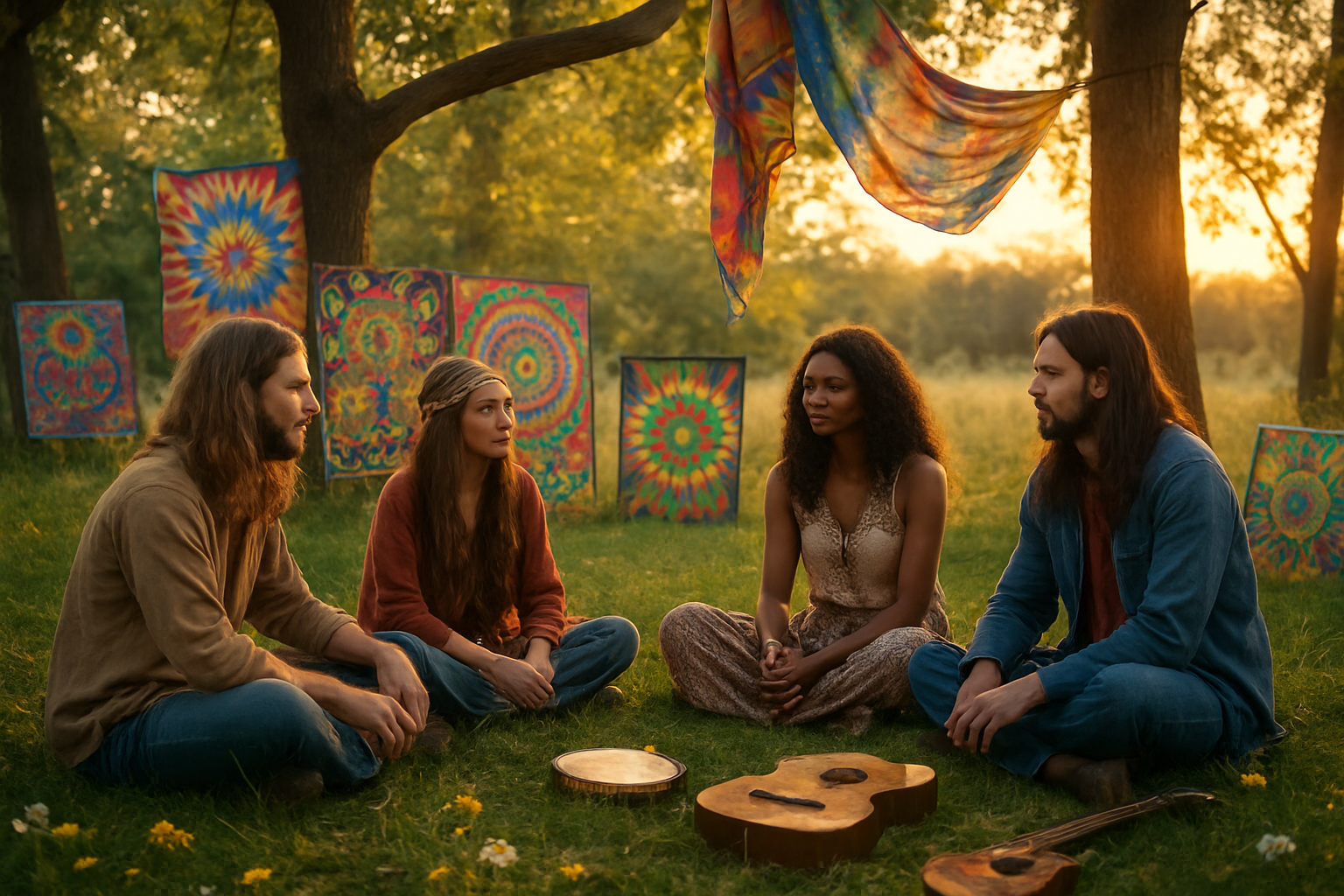
The psychedelic sixties marked a turning point in human consciousness and creativity. From Albert Hofmann’s accidental discovery of LSD to the explosion of mind-bending art, revolutionary music, and countercultural movements, this era showed us how dramatically society could transform in just one decade. The Beatles traded their suits for colorful experimentation, artists painted their visions of expanded reality, and an entire generation questioned everything they’d been taught about life, spirituality, and social norms.
While the legal crackdown and cultural backlash eventually brought this wild ride to an end, the impact of the psychedelic movement continues to ripple through our world today. From the resurgence of psychedelic research in treating mental health conditions to the lasting influence on music, art, and fashion, the spirit of the sixties reminds us that sometimes the most profound changes come from the most unexpected places. The era’s message of peace, love, and expanded consciousness may have been derailed by politics and fear, but its core vision of human potential and creative expression lives on in countless ways.