
Magic Mushroom Grow Kit FAQ

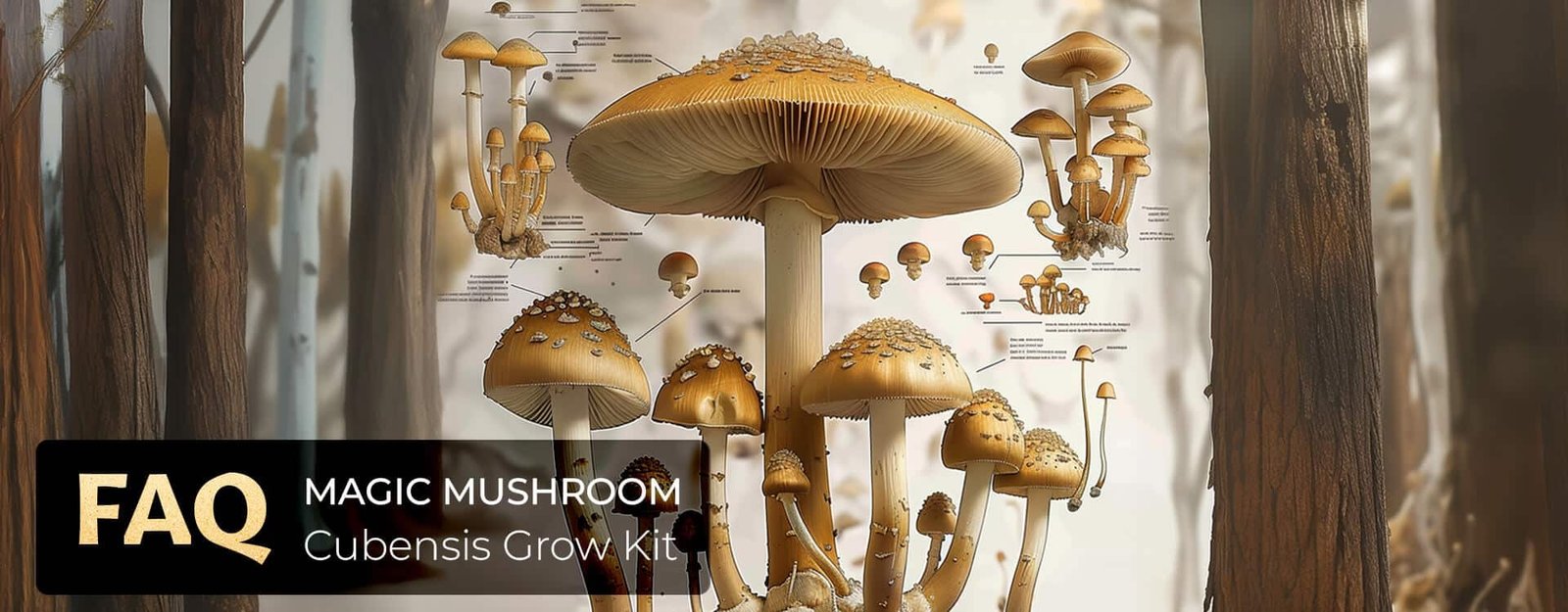
Magic Mushroom Grow Kit FAQ: All Questions & Solutions
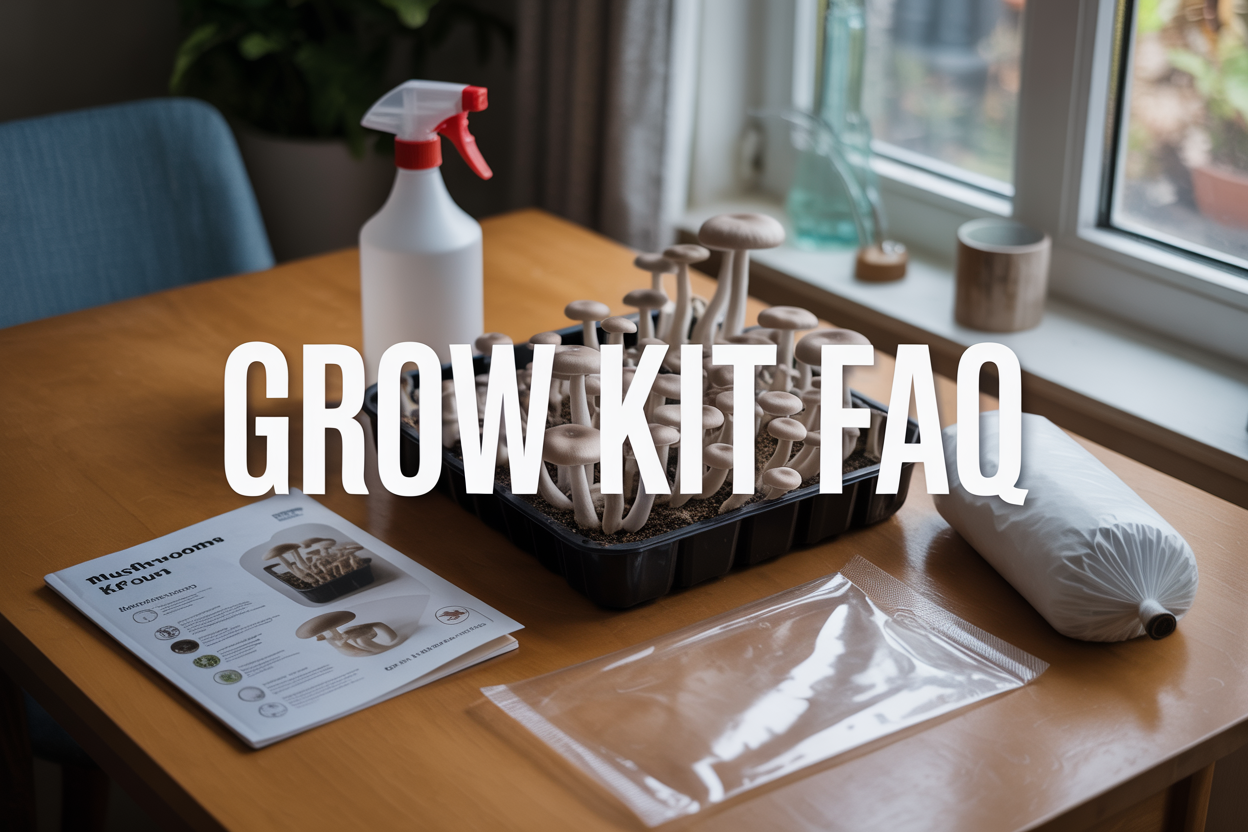
Growing mushrooms at home sounds complicated, but magic mushroom grow kits make it surprisingly simple. This comprehensive Magic Mushroom Grow Kit FAQ addresses every question and problem you might face during your growing journey.
This guide is for beginners who want their first grow to succeed, experienced growers troubleshooting issues, and anyone curious about what to expect from their kit. You’ll get practical answers that help you grow healthy mushrooms from start to finish.
We’ll walk you through the step-by-step growing process to set you up for success from day one. You’ll also learn how to troubleshoot common growing problems like contamination, slow growth, and environmental issues that can derail your harvest. Finally, we’ll share proven methods for maximizing your kit’s yield so you get the most mushrooms possible from each grow cycle.
Essential Kit Components and What You Get

Complete Inventory of Included Materials and Tools
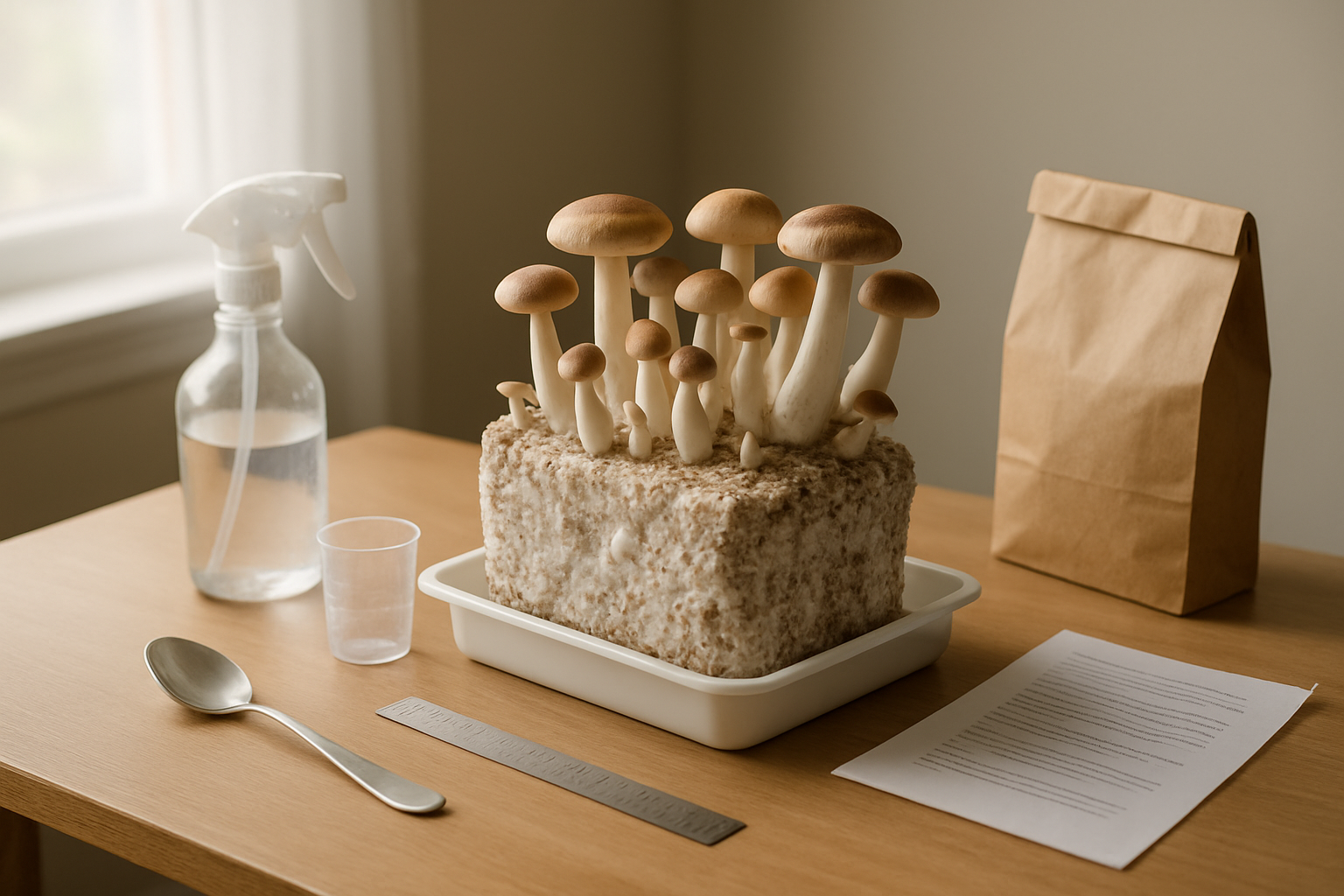
Magic mushroom grow kits typically arrive as complete packages designed to minimize your setup effort. Most quality kits include a pre-colonized substrate block already packed with healthy mycelium, which serves as the foundation for your mushroom growth. You’ll also receive a clear plastic growing container or fruiting chamber that creates the perfect microenvironment for mushrooms to develop.
The kit includes a spray bottle for maintaining proper humidity levels throughout the growing process. Some manufacturers provide specialized misting bottles with fine atomizers that distribute water more evenly. You’ll find detailed growing instructions specific to your kit type, often including troubleshooting guides and timeline expectations.
Many kits come with a heating pad or temperature regulation system, though this varies by supplier. Premium kits often include perlite or vermiculite for humidity retention, along with a thermometer and hygrometer for monitoring environmental conditions.
Understanding Substrate Types and Their Benefits
Different substrate compositions offer unique advantages for mushroom cultivation. Rye grain substrates provide excellent nutrition and water retention, supporting robust mycelium growth and higher yields. These substrates typically produce stronger, more vigorous mushroom flushes.
Brown rice flour and vermiculite combinations create lighter, more porous growing mediums that allow better air circulation around developing mushrooms. This substrate type reduces contamination risks but may produce slightly lower overall yields.
Straw-based substrates offer exceptional value and sustainability while maintaining good growing performance. They’re particularly effective for certain mushroom varieties and provide adequate nutrition for multiple harvest cycles.
| Substrate Type | Nutrition Level | Contamination Risk | Yield Potential | Best For |
|---|---|---|---|---|
| Rye Grain | High | Medium | High | Maximum harvests |
| Rice Flour/Vermiculite | Medium | Low | Medium | Beginner growers |
| Straw-based | Medium | Medium | Medium-High | Eco-conscious growers |
Spore Syringe Quality Indicators and Storage Requirements
High-quality spore syringes appear clear or slightly cloudy with visible spore clumps suspended in sterile water. Dark, dense concentrations indicate healthy spore populations, while completely clear syringes may contain insufficient spores for reliable germination.
Reputable suppliers provide syringes with sterile needles and leak-proof caps. The syringe should feel firm when pressed gently, indicating proper vacuum seal. Avoid syringes with visible contaminants, unusual colors, or foul odors.
Store unopened spore syringes in your refrigerator at 35-40°F for optimal longevity. They remain viable for 6-12 months under proper storage conditions. Keep them away from light and temperature fluctuations. Once opened, use syringes within 30 days for best results.
Never freeze spore syringes, as ice crystals damage spore cell walls. Room temperature storage works for short-term use but significantly reduces shelf life.
Additional Supplies You Need to Purchase Separately
Most grow kits require additional supplies for optimal results. Purchase distilled or filtered water for misting, as tap water often contains chlorine and minerals that inhibit mushroom growth. You’ll need about 1-2 liters for a complete growing cycle.
Isopropyl alcohol (70% concentration) helps maintain sterile conditions when handling your kit. Use it to clean your hands, tools, and work surfaces before each interaction with the growing mushrooms.
A timer helps maintain consistent misting schedules, especially important during the crucial fruiting phase. Digital timers with multiple daily settings work best for maintaining proper humidity cycles.
Consider purchasing backup growing supplies like extra spray bottles, clean towels, and disposable gloves. These items prevent contamination and make the growing process more manageable. Some growers also invest in a small fan for air circulation, though this isn’t strictly necessary for most kit types.
Step-by-Step Growing Process Made Simple
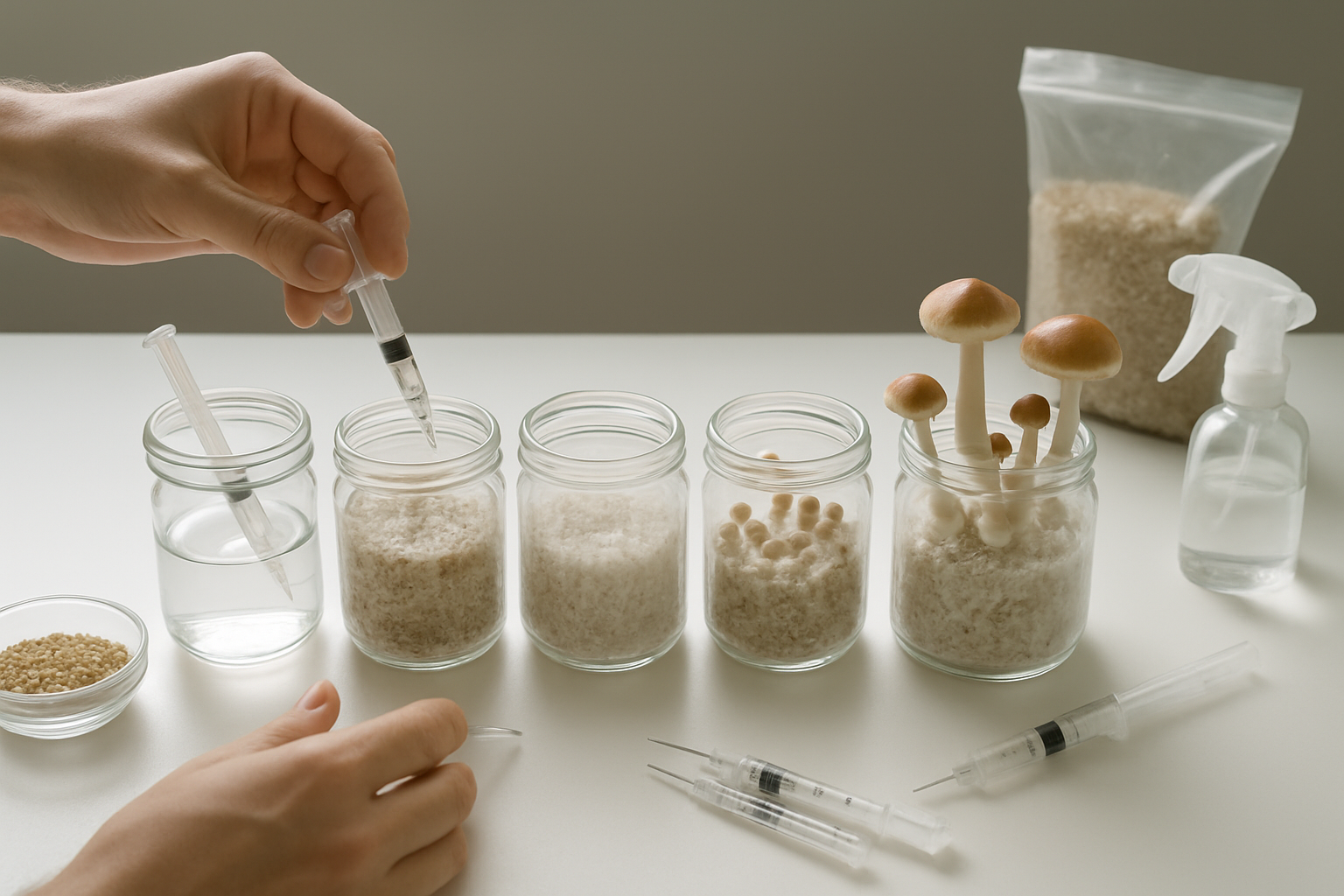
Initial kit preparation and sterilization techniques
Getting your magic mushroom grow kit ready starts with creating the cleanest possible environment. Wash your hands thoroughly with antibacterial soap, then dry them with a clean towel or paper towels. Clean your work surface with isopropyl alcohol (70% concentration works best) and wipe it down completely.
Remove your grow kit from its packaging carefully, avoiding touching the substrate directly. The substrate comes pre-sterilized, but contamination can happen during handling. Keep a spray bottle filled with clean water nearby – you’ll need this for misting.
If you’re working in a dusty area or have pets, consider setting up your workspace in a bathroom after running hot water to create a naturally humid, cleaner environment. Some growers prefer working near a recently used dishwasher since the steam helps reduce airborne contaminants.
Don’t open windows or use fans during setup, as moving air carries bacteria and mold spores that can contaminate your kit. The goal is minimal air movement while maintaining the right conditions for mushroom development.
Proper inoculation methods for maximum success rates
Your grow kit arrives with mycelium already established in the substrate, so traditional inoculation isn’t necessary. However, activating dormant mycelium requires the right approach. Start by soaking the entire substrate block in clean, room-temperature water for 12-24 hours. This “wake-up call” signals the mycelium that growing conditions have returned.
After soaking, drain excess water completely. The substrate should feel moist but not waterlogged. Place the block in the provided humidity tent or clear plastic container. Some kits include perlite (small white stones) that help maintain consistent moisture levels around the growing area.
Position the kit away from direct sunlight but in an area with natural light cycles. The mycelium responds to light changes, which help trigger mushroom formation. Avoid placing the kit near heat sources like radiators or in drafty areas where temperature fluctuations could stress the developing mushrooms.
Optimal environmental conditions for mushroom development
Temperature control makes the biggest difference in growing success. Most magic mushroom varieties thrive between 70-75°F (21-24°C). Temperatures above 80°F can kill developing mushrooms, while temps below 65°F slow growth significantly.
Humidity levels should stay between 80-95% inside the growing container. You’ll achieve this through regular misting – typically 2-3 times daily. Spray the sides of the container rather than directly onto the substrate, allowing moisture to evaporate and create the humid microclimate mushrooms need.
Air circulation prevents stagnant conditions that encourage harmful bacteria growth. If using a plastic container, crack the lid slightly or create small air holes. The goal is gentle air exchange, not strong airflow that dries out your kit.
| Environmental Factor | Optimal Range | Signs of Problems |
|---|---|---|
| Temperature | 70-75°F (21-24°C) | Slow/no growth (too cold), dying pins (too hot) |
| Humidity | 80-95% | Cracking substrate (too dry), bacterial growth (too wet) |
| Light | Indirect natural light | Pale, stretchy mushrooms (too dark) |
| Air Exchange | Gentle circulation | Bacterial smell, fuzzy mold growth |
Harvesting timing and techniques for best quality
Harvest timing affects both potency and subsequent flushes from your kit. Pick mushrooms just as the caps begin to flatten out but before spores drop. The veil under the cap starts tearing when mushrooms reach peak potency – this is your harvesting window.
Use clean hands or sterilized scissors to harvest. Twist and pull mushrooms gently at the base, or cut them close to the substrate surface. Harvest all mushrooms in a cluster at once, even smaller ones, as leaving some behind can lead to rot that affects future growth.
Don’t wait for every mushroom to reach full size simultaneously. Different mushrooms develop at varying rates, and overripe specimens can negatively impact the entire flush. Harvest the ready ones and let others continue growing.
After harvesting, remove any remaining mushroom stumps and debris from the substrate surface. This prevents bacterial growth and prepares the kit for its next flush.
Post-harvest cleanup and kit maintenance
Clean the substrate surface gently after each harvest, removing any leftover mushroom material or dark spots that might indicate contamination. Use clean hands or a sterilized spoon to scrape away debris without damaging the underlying mycelium.
Give the substrate another soaking period between flushes – usually 12-24 hours in clean water. This rehydrates the mycelium and often triggers the next round of mushroom development. Most quality kits produce 3-4 flushes with proper care.
Between flushes, store the kit in your refrigerator if you need a break from active growing. Wrap it in plastic to prevent drying out, and it can stay dormant for several weeks. When ready to continue, bring it back to room temperature and resume the normal misting routine.
Monitor for contamination signs like green, black, or orange mold growth. Small amounts of blue coloration on the substrate is normal (mycelium bruising), but other colors usually indicate problems requiring kit disposal. Keep detailed notes about timing, environmental conditions, and results to improve your technique with future kits.
Troubleshooting Common Growing Problems
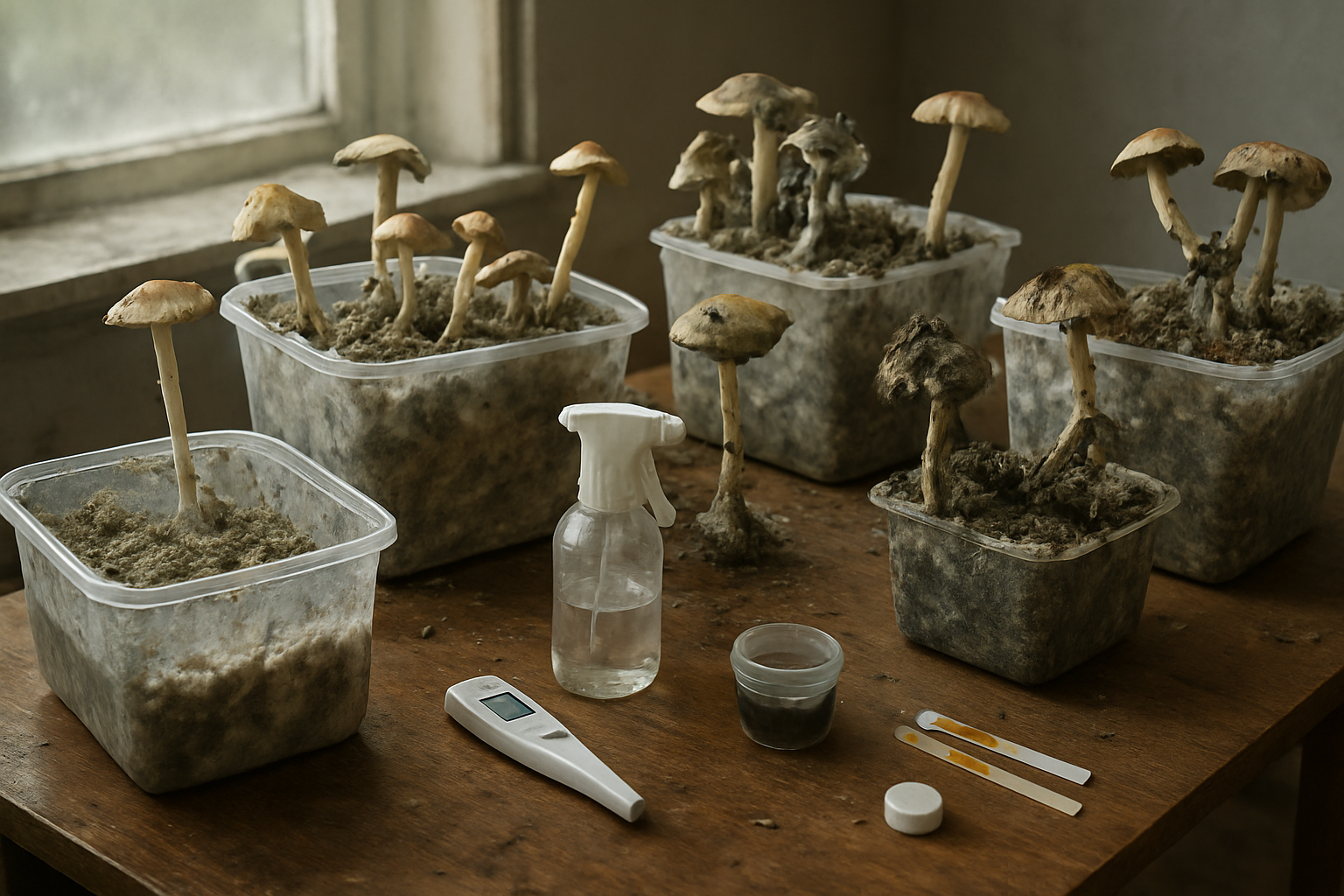
Contamination identification and prevention strategies
Contamination is the biggest enemy of successful mushroom cultivation, but spotting it early can save your entire harvest. Green contamination is your worst nightmare – it appears as fuzzy green patches and spreads rapidly throughout the substrate. This is typically Trichoderma mold, which competes aggressively with mushroom mycelium and releases toxins that halt growth.
Black spots or dark patches usually indicate bacterial contamination or Rhizopus mold. These areas often smell sour or unpleasant, unlike the earthy scent of healthy mycelium. Yellow liquid pooling in your kit signals bacterial infection, while pink or red discoloration suggests yeast contamination.
White fuzzy growth can be tricky – healthy mycelium looks white and cotton-like, but contaminating molds can appear similar initially. The key difference is smell and growth pattern. Healthy mycelium has a mushroom-like aroma and grows in organized, thread-like structures.
Prevention starts with sterile technique. Always wash your hands thoroughly before handling your kit, work in a clean environment away from drafts, and use filtered or boiled water for misting. Keep your growing area clean and avoid opening the kit unnecessarily. If contamination appears, isolate the kit immediately to prevent spores from spreading to other grows.
Solutions for slow or stunted mushroom growth
When your kit seems stuck in neutral, several factors could be at play. Temperature issues top the list – mushrooms need consistent warmth between 70-75°F (21-24°C). Too cold, and growth crawls to a halt. Too hot, and the mycelium becomes stressed or dies.
Insufficient humidity often causes pins (baby mushrooms) to abort before developing. Your kit needs 80-95% humidity during fruiting. If pins appear but don’t grow larger, they’re likely drying out. Increase misting frequency or improve your humidity chamber setup.
Poor air exchange can stunt development even with perfect temperature and humidity. Mushrooms need fresh air to grow properly. Stagnant conditions lead to weak, elongated stems and small caps. Create gentle air movement without direct drafts on the kit.
Substrate depletion happens with older kits or after multiple flushes. The nutrients are exhausted, and mushrooms struggle to develop. This is normal after 2-3 harvests, and the solution is accepting diminishing returns or starting fresh.
Light deficiency rarely stops growth entirely but can cause odd development patterns. While mushrooms don’t need intense light, they do need some illumination to develop properly shaped caps.
Check your growing conditions systematically. Fix one variable at a time to identify the root cause without overwhelming the delicate growing environment.
Addressing moisture and humidity control issues
Getting moisture levels just right feels like walking a tightrope, but understanding the signs makes it manageable. Overwatering shows up as pooling water in the kit, soggy substrate, or bacterial growth. The substrate should feel moist like a wrung-out sponge, never waterlogged.
Underwatering causes the substrate surface to look dry and cracked, pins to abort, and mycelium to appear stressed or yellowed. The kit needs consistent moisture without being soaked.
Humidity problems manifest differently than watering issues. Low humidity causes mushroom caps to crack, stems to become tough and fibrous, and overall slower development. High humidity without proper ventilation leads to bacterial issues and weak, spindly mushrooms.
Create a proper humidity chamber using a clear plastic container with the kit inside. Place damp paper towels around (not touching) the kit, or use a humidity controller for precision. Mist the walls of the container, not the kit directly, to maintain 80-95% humidity.
Misting technique matters enormously. Use a fine spray bottle set to create a gentle mist that settles slowly. Heavy droplets damage delicate mushroom tissue. Mist 2-3 times daily, adjusting based on your environment’s natural humidity levels.
Monitor with a hygrometer to take the guesswork out of humidity management. Different growth stages need slight adjustments – pinning requires higher humidity than mature mushroom development.
Fixing temperature fluctuation problems
Temperature swings wreak havoc on mushroom development, causing everything from aborted pins to contamination susceptibility. Most magic mushroom varieties thrive in a narrow range of 70-75°F (21-24°C), with some tolerance for slight variations.
Cold temperatures below 65°F (18°C) slow growth dramatically and can cause pins to stall indefinitely. The mycelium becomes sluggish, and bacterial contamination becomes more likely as the mushrooms’ natural defenses weaken.
Hot temperatures above 80°F (27°C) stress the mycelium and can kill it entirely. Heat also accelerates moisture evaporation, creating a double problem of temperature and humidity stress.
Fluctuations cause more problems than steady temperatures outside the ideal range. Daily swings of more than 5-10 degrees confuse the mushroom’s natural cycles and trigger stress responses.
Heating solutions include reptile heat mats placed under (not directly touching) your growing container, space heaters with thermostats, or dedicated mushroom growing chambers. Heat mats work best because they provide gentle, consistent warmth from below.
Cooling strategies involve moving kits away from heat sources, using fans for air circulation, or growing in basements or other naturally cool areas. Avoid air conditioning vents that create cold drafts.
Install a min/max thermometer to track temperature variations over 24-hour periods. This reveals patterns you might miss with spot checks and helps identify problem times of day when intervention is needed.
Maximizing Your Kit’s Yield and Quality
Creating the Perfect Growing Environment Setup
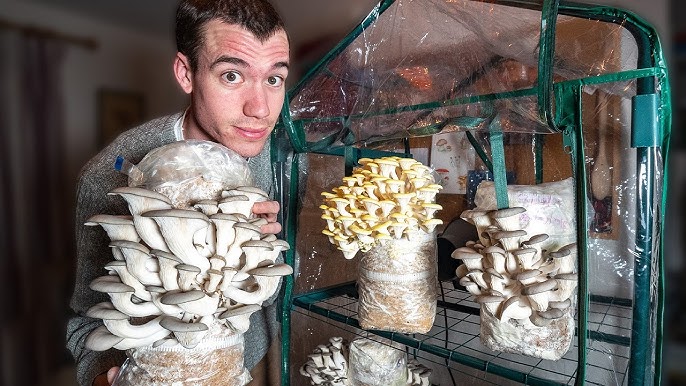
Temperature control is the foundation of successful mushroom cultivation. Most magic mushroom varieties thrive between 65-75°F (18-24°C), with consistent temperatures being more important than hitting exact numbers. Avoid placing your kit near heating vents, air conditioners, or windows that experience temperature swings.
Humidity levels should stay between 80-95% for optimal growth. Create a humidity chamber using a clear plastic container with wet perlite or damp paper towels at the bottom. The kit sits above the moisture source without direct contact. Mist the walls of your humidity chamber 2-3 times daily, never spraying directly onto the mushrooms or substrate.
Light requirements are minimal but essential. Mushrooms don’t photosynthesize, but they need light cues to develop properly. A standard room light or indirect sunlight for 12 hours daily works perfectly. Avoid direct sunlight, which can dry out your kit and create temperature fluctuations.
Air circulation prevents contamination while maintaining humidity. Crack your humidity chamber lid slightly or add small air holes covered with micropore tape. This allows fresh air exchange without compromising moisture levels.
Nutrition and Feeding Schedules for Enhanced Production
Quality grow kits come pre-loaded with nutrients, but you can boost performance with careful supplementation. The substrate already contains everything mushrooms need for their first flush, so additional feeding focuses on subsequent harvests.
Between flushes, rehydrate your kit by soaking it in clean water for 2-4 hours. This replaces moisture lost during the previous harvest and prepares the mycelium for the next round of fruiting. Some growers add a pinch of gypsum or calcium carbonate to the soaking water to provide extra minerals.
Avoid over-feeding with liquid nutrients during active fruiting, as this can lead to contamination. The mycelium is most vulnerable when producing mushrooms, and excess nutrients create breeding grounds for bacteria and mold.
Monitor your substrate’s condition between harvests. A healthy substrate maintains its structure and shows white mycelium growth. If it becomes mushy or develops off-colors, focus on environmental controls rather than additional nutrients.
Multiple Harvest Techniques from Single Kits
Each grow kit typically produces 2-4 flushes, with the first being the largest and most potent. Proper harvesting technique determines how many additional flushes you’ll achieve.
Harvest timing is critical – pick mushrooms just as the caps begin to flatten and before spores drop. This maximizes potency and prevents contamination from spore deposits that can inhibit future growth.
Cut mushrooms at the base with a clean knife or twist and pull gently to avoid damaging the substrate. Remove all mushroom material, including small aborts and stumps, which can rot and contaminate your kit.
After each harvest, give your kit a rest period of 5-7 days in cool, dry conditions. This allows the mycelium to recover and prepare for the next flush. Then restart your humidity and misting schedule to trigger new pin formation.
Cold shock between flushes can increase yields. Place your kit in the refrigerator for 12-24 hours after harvesting, then return it to growing conditions. This temperature drop mimics natural seasonal changes that trigger fruiting.
Strain Selection Tips for Beginners vs Advanced Growers
Beginner-friendly strains offer forgiving growth characteristics and consistent results. Golden Teacher and B+ varieties handle temperature fluctuations well and resist contamination better than sensitive strains. These strains also produce multiple flushes reliably, giving new growers several chances to perfect their technique. Magic Mushroom Grow Kit FAQ
| Beginner Strains | Growth Speed | Contamination Resistance | Yield |
|---|---|---|---|
| Golden Teacher | Medium | High | Good |
| B+ | Fast | High | Excellent |
| Ecuador | Medium | Medium-High | Good |
Advanced growers can experiment with more challenging varieties like Penis Envy or Albino strains. These require precise environmental controls but offer unique characteristics in terms of potency and appearance. Penis Envy grows slower but produces denser, more potent mushrooms.
Temperature-sensitive strains like Thai varieties need consistent warmth and may require heating mats in cooler climates. These strains reward experienced growers with exceptional yields but can fail completely if conditions aren’t maintained.
Consider your local climate when selecting strains. Some varieties perform better in naturally humid environments, while others tolerate drier conditions. Match your strain choice to your ability to maintain optimal growing conditions consistently.
Safety, Legal, and Storage Considerations
Understanding Local Laws and Regulations Before Purchasing
The legal landscape around magic mushroom grow kits varies dramatically depending on your location. In many jurisdictions, the mushroom spores and growing substrate sold in kits exist in a legal gray area, while the actual cultivation and possession of psilocybin mushrooms remains illegal. Countries like the Netherlands allow the sale of grow kits and magic truffles, but many US states and other nations strictly prohibit both cultivation and possession.
Before ordering any grow kit, research your local, state, and federal laws thoroughly. Some regions permit spore possession for “research purposes” but criminalize germination. Others ban everything related to psilocybin mushrooms entirely. The penalties can range from fines to serious criminal charges, so this research isn’t optional.
Check recent legal developments too, as psychedelic laws are evolving rapidly. Several US cities and states have decriminalized psilocybin, while others are moving toward regulated therapeutic use. What’s legal today might change tomorrow, and vice versa.
Safe Handling Practices and Protective Equipment Needed
Working with any biological growing system requires basic safety precautions to protect both yourself and your grow. Start with clean hands and a sanitized workspace. Wash your hands thoroughly before and after handling any kit components, and consider wearing disposable gloves when misting or harvesting.
A basic face mask helps prevent contamination from airborne bacteria and mold spores that could ruin your grow. Keep pets and children away from your growing area, as curious hands and paws can introduce contaminants or accidentally damage developing mushrooms.
When harvesting, use clean, sharp scissors or a sterile knife rather than pulling mushrooms by hand. This prevents damage to the substrate and reduces contamination risk for future flushes. Store all growing materials in clean, dry conditions away from food preparation areas.
Proper Storage Methods for Unused Kits and Materials
Unopened grow kits need cool, dark storage to maintain viability. Most kits stay fresh for 3-6 months when stored in a refrigerator at 35-40°F. Never freeze your kit, as this destroys the delicate mycelium network that makes growing possible.
Keep kits in their original packaging until you’re ready to start growing. The packaging protects against light exposure and maintains proper moisture levels. If you’ve opened a kit but need to pause the growing process, wrap it tightly in plastic and refrigerate for up to two weeks.
Store growing accessories like spray bottles and heating mats in clean, dry locations. Replace misting bottles regularly, as bacterial buildup in the nozzle can contaminate your entire grow. Keep spare substrate materials sealed and stored according to manufacturer instructions.
Disposal Guidelines for Spent Growing Materials
Used substrate and old mushroom material should never go in regular trash without proper preparation. The spent growing medium can harbor active spores and mycelium, which could potentially spread if disposed of improperly in areas where cultivation is illegal.
Composting spent substrate works well if local laws permit. The natural decomposition process breaks down remaining organic matter safely. For areas with legal concerns, sterilizing used materials before disposal offers peace of mind. Pour boiling water over spent substrate and let it cool completely before composting or trash disposal.
Used plastic containers and bags should be cleaned thoroughly with bleach solution before recycling. This eliminates any remaining spores or contamination that could cause legal issues or environmental concerns.
Health Precautions and Allergy Considerations
Some people develop sensitivity to mushroom spores during the growing process. If you have existing respiratory conditions or mold allergies, monitor yourself for symptoms like coughing, sneezing, or breathing difficulties. Growing mushrooms in well-ventilated areas reduces spore concentration in the air.
Pregnant women should avoid handling grow kits due to potential exposure to various microorganisms present in the growing substrate. Anyone with compromised immune systems should consult healthcare providers before starting any home cultivation project.
Never consume mushrooms that show signs of contamination, unusual colors, or off smells. Proper identification becomes crucial, as contaminated grows can produce toxic molds alongside or instead of the intended mushrooms. When in doubt, discard questionable harvests entirely.
Kit Selection and Purchasing Guidelines

Comparing different kit types and their success rates
Ready-to-fruit kits consistently deliver the highest success rates for beginners, typically achieving 85-95% success when proper conditions are maintained. These pre-colonized kits contain fully developed mycelium networks ready to produce mushrooms within days of setup. The substrate has already been inoculated and colonized under professional conditions, eliminating the most error-prone phases of mushroom cultivation.
Injection kits require more skill but offer better value for experienced growers. Success rates drop to 70-85% as contamination risks increase during the inoculation process. These kits include sterilized substrate and spore syringes, requiring users to inject spores and wait weeks for colonization before fruiting begins.
All-in-one grow bags provide middle-ground convenience with 80-90% success rates. The pre-sterilized growing medium comes sealed with injection ports, reducing contamination while maintaining user involvement in the inoculation process.
Substrate-only kits appeal to advanced cultivators seeking maximum control but carry higher failure risks. Success depends heavily on sterile technique, proper environmental controls, and experience with mushroom biology.
Identifying reputable suppliers and quality indicators
Professional suppliers maintain detailed product descriptions, clear growing instructions, and responsive customer support systems. Quality vendors provide contamination guarantees, replacement policies, and specific strain information including expected yields and potency characteristics.
Laboratory-grade sterilization creates the foundation for successful grows. Reputable suppliers use pressure sterilization, sterile packaging, and quality control testing before shipping. Look for vendors who specify their sterilization methods and provide batch testing information.
Customer reviews reveal real-world performance beyond marketing claims. Focus on recent reviews mentioning contamination rates, customer service responsiveness, and actual harvest yields compared to advertised expectations.
Packaging quality indicates overall professionalism and contamination prevention measures. Professional suppliers use sealed, sterile packaging with proper labeling, expiration dates, and storage instructions. Avoid vendors using basic plastic bags or unclear packaging methods.
Budget considerations and cost-effective options
Entry-level kits typically range from $25-45 and provide excellent learning experiences for first-time growers. These basic options include essential components without premium features like specialized substrates or enhanced yields.
Mid-range kits ($45-75) offer better substrate quality, higher yields, and often include multiple flushes from single purchases. The cost per gram of harvested mushrooms usually decreases significantly with these options.
Premium kits ($75-120) feature exotic strains, optimized substrates, and professional-grade components. While expensive upfront, they often produce multiple harvests with superior potency and unique characteristics.
Bulk purchasing reduces per-kit costs when buying multiple units. Many suppliers offer tiered pricing with significant discounts for orders of 3-5 kits or more.
Consider total cost calculations including shipping, additional supplies (spray bottles, humidity chambers), and potential replacement costs for failed grows. Factor in expected yields when comparing prices – a slightly more expensive kit producing twice the harvest becomes the better value.
Seasonal timing factors for optimal growing conditions
Winter months create ideal indoor growing conditions with naturally lower ambient temperatures and reduced contamination pressure from outdoor molds. Heating systems maintain consistent temperatures while cold outdoor air carries fewer airborne contaminants.
Spring and fall offer moderate temperatures requiring minimal climate control adjustments. These transitional seasons provide stable conditions without extreme temperature fluctuations that stress developing mushrooms.
Summer growing presents challenges with higher temperatures, increased humidity, and elevated contamination risks. Air conditioning helps maintain proper temperatures, but energy costs increase. Consider growing in cooler basement areas or climate-controlled spaces during hot months.
Geographic location significantly impacts seasonal timing strategies. Northern climates benefit from extended winter growing seasons, while southern regions may find summer growing nearly impossible without substantial climate control investments.
Plan kit purchases around your available time for monitoring and maintenance. Mushroom kits require daily attention during active growing phases, making vacation periods or busy work schedules poor timing choices regardless of season.
7 FAQ
Where do I find your magic mushroom grow guide instructions?
Most grow kit manufacturers include printed instructions inside the package, or you can find detailed guides on their website’s support section. Look for step-by-step PDFs, video tutorials, or dedicated FAQ pages. If you’ve misplaced your instructions, contact customer service – they’ll send you a digital copy or direct you to the right resources for your specific kit model.
Help! My mushroom grow kit isn’t growing
First, check your environmental conditions – temperature should be 68-75°F with high humidity. Make sure you’re misting regularly but not over-watering. If nothing appears after two weeks, try the cold shock method: place your kit in the refrigerator for 12-24 hours, then return to normal growing conditions. Sometimes kits need this temperature change to trigger mushroom formation.
Only a few mushrooms appear in my kit. Is my grow kit functioning properly?
Small initial flushes are completely normal, especially for first-time harvests. Your kit is likely working fine – mushroom growth varies naturally. Some varieties produce fewer but larger mushrooms, while others create many smaller ones. Maintain proper care, harvest what you have, and subsequent flushes often produce better yields as the mycelium becomes more established.
Why do my mushrooms develop at the bottom or on the side of the grow kit (side pins)?
Side pinning happens when humidity is higher around the kit’s edges than on top. The mycelium naturally grows where conditions are most favorable. You can harvest these side pins carefully, though they’re trickier to remove. Prevent future side pinning by ensuring even humidity distribution and maintaining proper surface conditions on top of your substrate. Magic Mushroom Grow Kit FAQ
Why do my mushrooms suddenly stop growing?
Growth stalling usually indicates environmental stress – check temperature, humidity, and light conditions. Over-watering, contamination, or nutrient depletion can also halt development. If mushrooms stop growing mid-development, they might have reached their genetic potential for that flush. Maintain steady conditions and wait for the next flush to begin, which typically starts within days.
My mushrooms have a blue tint. Is this normal?
Blue coloring, called bruising, is completely normal and indicates psilocin oxidation – actually a good sign your mushrooms are potent. This happens when mushrooms are handled, exposed to air, or stressed. The blue doesn’t affect safety or quality. However, if you see green, black, or other unusual colors, that could indicate contamination and requires immediate attention.
Why does my grow kit have white mold?
White, fluffy growth is usually healthy mycelium, not mold. True white mold appears more cotton-like and spreads differently. Healthy mycelium looks like white threads or patches and is essential for mushroom growth. If you’re unsure, observe the growth pattern – mycelium grows in organized networks, while mold appears random and fuzzy with different texture. Magic Mushroom Grow Kit FAQ
My grow kit looks green. Is this cause for concern?
Green coloring typically indicates trichoderma mold contamination, which is serious. This aggressive mold competes with your mushrooms and can ruin your grow. If you see bright green patches, isolate the kit immediately to prevent spreading to other grows. Unfortunately, green mold contamination usually means the kit is compromised and should be disposed of safely.
There are yellow spots visible in my kit. What does this mean?
Yellow spots often indicate bacterial contamination or metabolites from stressed mycelium. Small yellow patches might be harmless metabolites that mycelium produces under stress, but widespread yellowing suggests problems. Monitor closely – if yellow areas spread or smell sour, contamination is likely. Maintain proper hygiene and consider whether environmental conditions need adjustment.
What does it mean if my grow kit shows brown spots?
Brown spots can indicate several issues: old mycelium, bacterial contamination, or natural aging of the substrate. Small brown areas might be harmless, but spreading brown patches with foul odors suggest bacterial problems. If brown spots appear soft, wet, or smelly, contamination is likely. Healthy substrate should remain relatively uniform in color throughout the growing process. Magic Mushroom Grow Kit FAQ
What should I do if my grow kit has received too much water?
If you’ve over-watered, drain excess water immediately by tilting the kit carefully. Remove standing water from the growing container and reduce misting frequency for several days. Over-watering can cause root rot, bacterial growth, and poor mushroom development. Let the substrate dry slightly before resuming normal misting – the surface should be moist but never waterlogged.
Has my grow kit dried out? If so, what should I do?
Dried substrate appears lighter in color and feels hard to touch. Rehydrate gradually by misting more frequently with fine water droplets rather than soaking. You can also place a damp cloth near the kit to increase ambient humidity. Recovery takes patience – dried mycelium can revive, but it needs time to reestablish moisture levels throughout the substrate.
Why do some mushrooms grow faster than others?
Growth variation is natural due to genetic diversity, nutrient availability, and microenvironmental differences within your kit. Some mushrooms access nutrients more efficiently or grow in spots with better conditions. This variation is healthy and normal – harvest mushrooms as they mature individually rather than waiting for uniform development across the entire flush.
Why do mushrooms vary so much in size?
Size differences result from competition for nutrients, genetics, and growing conditions. Mushrooms growing in clusters share nutrients, leading to varied sizes. Some genetic strains naturally produce different sizes, and environmental factors like humidity and temperature affect development. This natural variation doesn’t impact quality – both large and small mushrooms from the same kit have similar properties. Magic Mushroom Grow Kit FAQ
How long can I store my magic mushroom grow box and what is the best storage method?
Unopened grow kits typically last 3-6 months when refrigerated at 35-40°F. Store in original packaging in the refrigerator’s main compartment, not the freezer. Once activated, use within 2-8 weeks depending on the kit type. Check expiration dates and manufacturer recommendations. Proper storage maintains mycelium viability and prevents premature activation or contamination before you’re ready to grow. Magic Mushroom Grow Kit FAQ
Growing magic mushrooms with a kit doesn’t have to be intimidating once you understand the basics. From knowing what components come in your kit to following the simple growing steps, most beginners can achieve success with their first attempt. When problems pop up like contamination or slow growth, the solutions are usually straightforward – adjust humidity, check temperature, or improve air circulation.
Getting the most out of your kit comes down to maintaining consistent conditions and being patient with the process. Remember to research the legal status in your area before purchasing, store your kit properly, and choose reputable suppliers who provide clear instructions and support. With the right preparation and care, your growing experience can be both rewarding and educational.
Magic Mushroom Grow Kit FAQ | Magic Mushroom Grow Kit FAQ | Magic Mushroom Grow Kit FAQ | Magic Mushroom Grow Kit FAQ |