Complete Guide to Microdosing Magic Mushrooms

The Complete Guide to Microdosing Magic Mushrooms: Exploring the Science-Backed Benefits
Introduction
Microdosing magic mushrooms has emerged as one of the most fascinating developments in mental health and cognitive enhancement research. This practice involves consuming sub-perceptual amounts of psilocybin, the active compound found in psychedelic mushrooms, to harness potential therapeutic benefits without experiencing full psychoactive effects. As researchers and practitioners explore the benefits of microdosing magic mushrooms, a growing body of evidence suggests this approach may offer significant advantages for mental wellness, cognitive function, and overall quality of life.
-the-Most-Popular-Hallucinogen-in-the-US.jpg?v=1722870762 "Complete Guide to Microdosing Magic Mushrooms - Psychedelic Today")
Understanding the Science Behind Microdosing Magic Mushrooms
Defining Microdosing in Scientific Terms
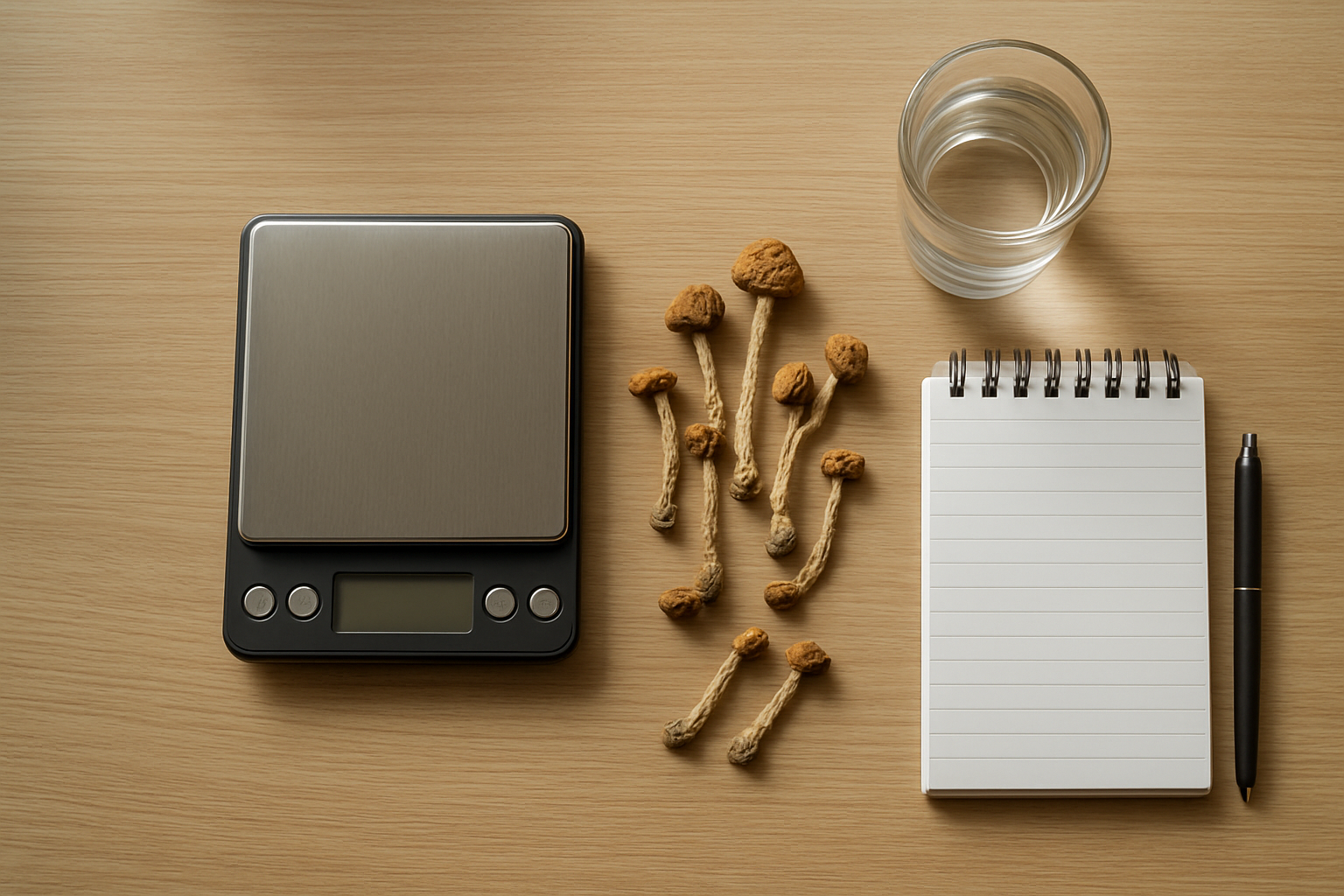
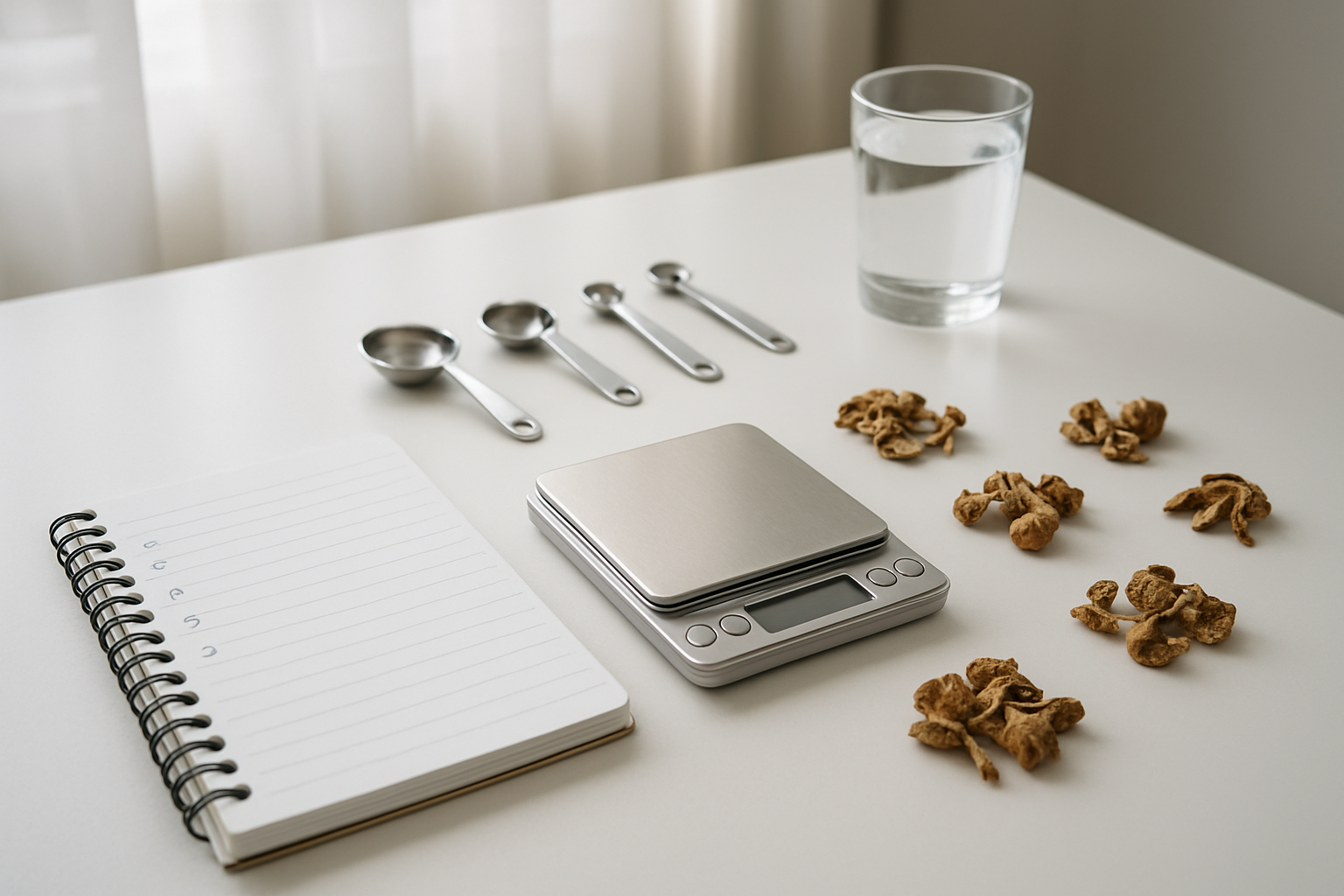
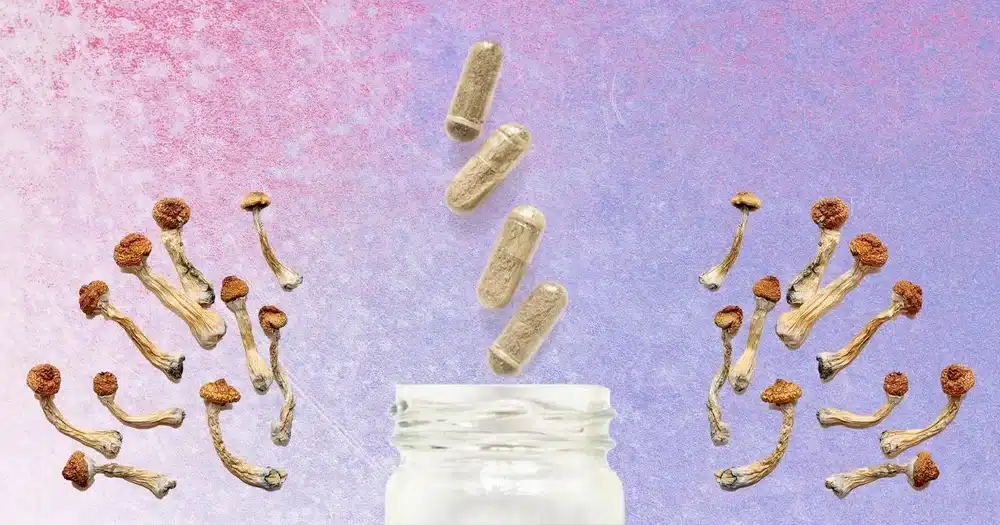
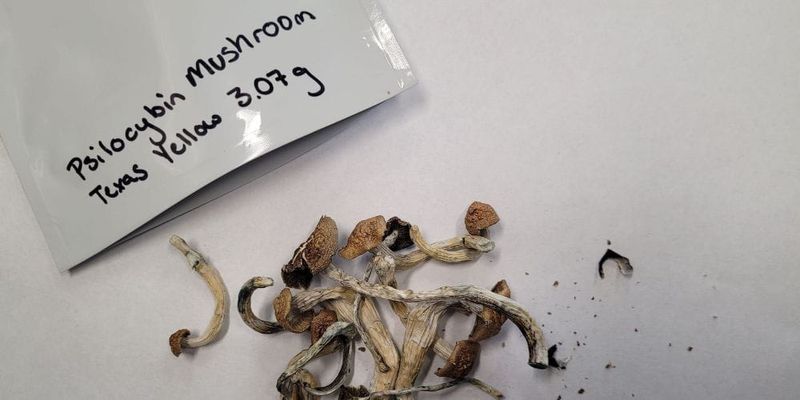
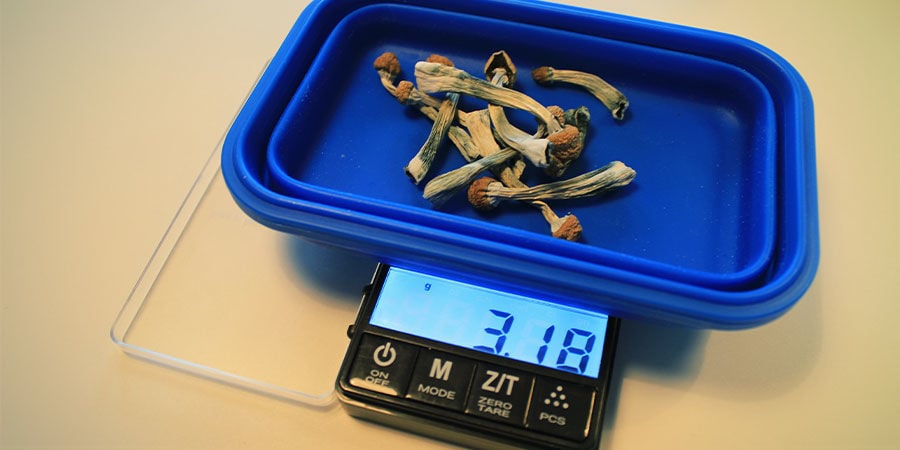
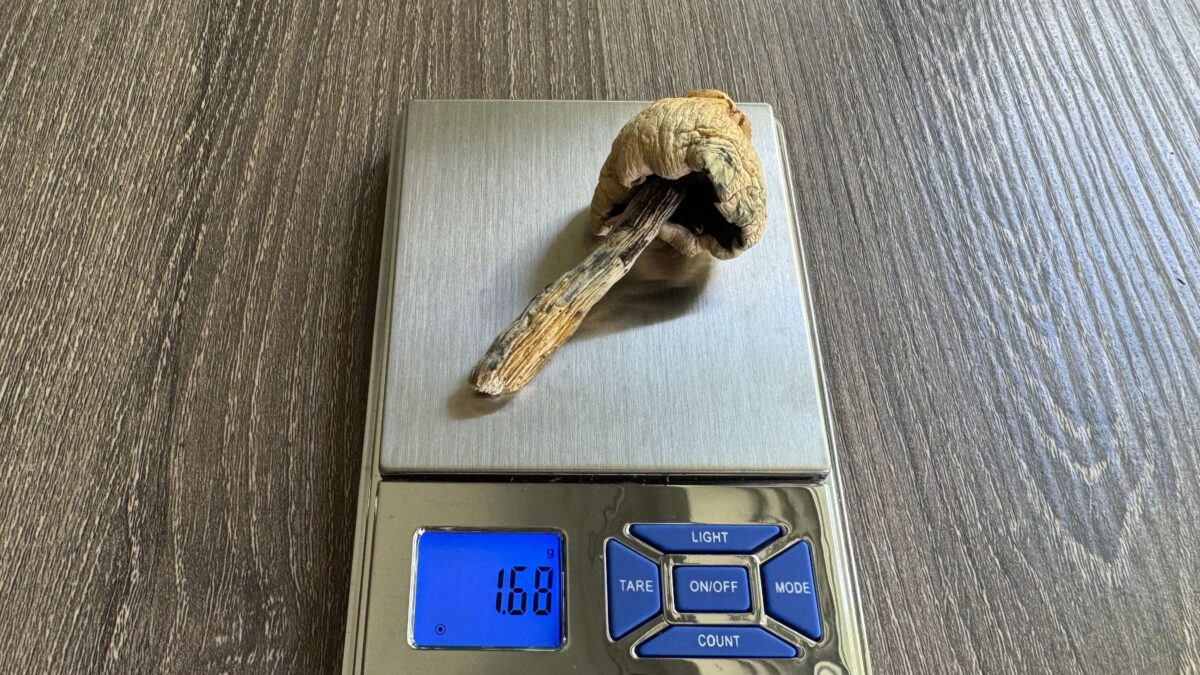
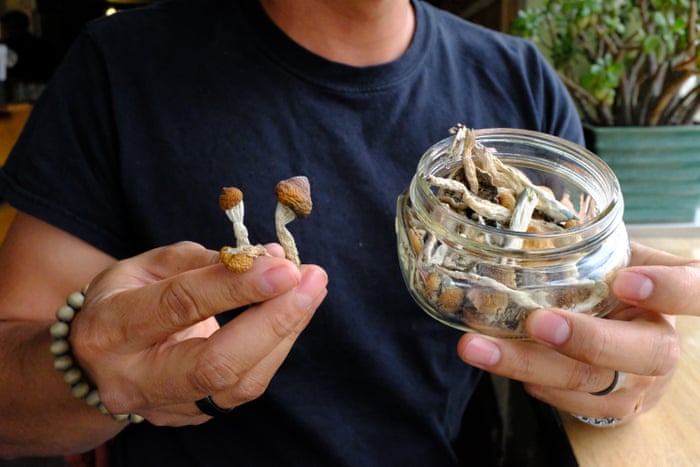
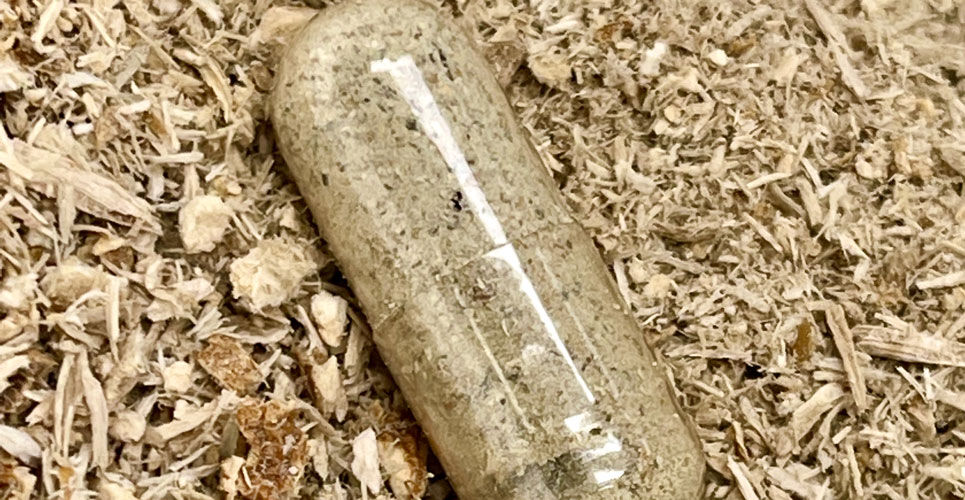
Microdosing magic mushrooms involves consuming precise, minimal amounts of psilocybin-containing fungi. Scientists define a microdose as approximately 0.1 to 0.3 grams of dried mushrooms, equivalent to 1-3 milligrams of pure psilocybin. This dosage creates sub-perceptual effects, meaning users experience subtle benefits without visual distortions or altered consciousness that characterize full psychedelic experiences.
The key distinction lies in staying below the threshold level where perceptual changes occur. Researchers carefully measure these amounts to ensure participants receive consistent, controlled doses that activate beneficial neurochemical processes without producing overwhelming psychoactive effects.
Neurological Mechanisms and Brain Interactions
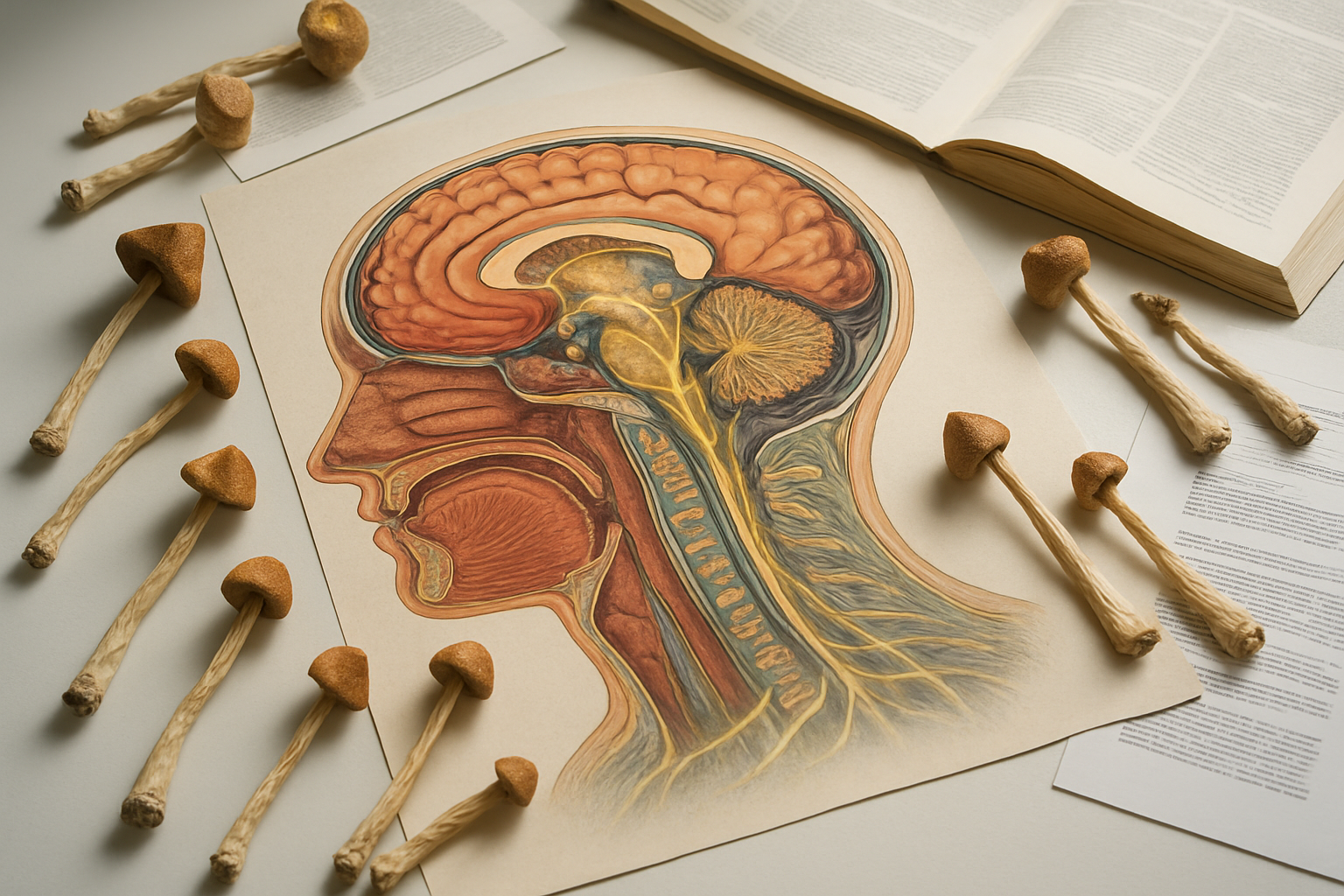
When you consume a microdose, psilocybin converts to psilocin in your body and binds to serotonin receptors, particularly the 5-HT2A receptor. This binding triggers cascading neurochemical changes that enhance brain network connectivity and promote neuroplasticity.
Studies using neuroimaging technology reveal that microdosing magic mushrooms increases communication between brain regions that typically operate independently. This enhanced connectivity may explain many reported cognitive and emotional benefits, as different brain networks collaborate more effectively.
Unlike full doses that can overwhelm neural systems, microdoses create subtle but measurable changes in brain activity. These modifications appear to optimize existing neural pathways rather than dramatically altering consciousness.
Current Research Landscape and Limitations
The scientific study of microdosing magic mushrooms faces unique challenges. Legal restrictions limit researchers’ ability to conduct large-scale controlled trials, forcing many studies to rely on observational data and user self-reports.
Existing research typically involves smaller sample sizes and depends heavily on subjective reporting. Placebo-controlled studies remain difficult to design because experienced users can often detect even subtle effects. Despite these limitations, preliminary findings consistently suggest positive outcomes across multiple domains.
Mental Health Benefits of Microdosing Magic Mushrooms
Depression and Anxiety Relief
One of the most compelling benefits of microdosing magic mushrooms involves mood regulation and emotional stability. Users frequently report significant improvements in depression symptoms, often describing enhanced emotional resilience and reduced anxiety levels.
Unlike traditional antidepressants that require daily use and can produce side effects, microdosing follows intermittent schedules while potentially offering sustained mood improvements. Many participants in observational studies report feeling more emotionally balanced and better equipped to handle daily stressors.
The mood-enhancing effects appear to persist beyond the acute dosing period, suggesting that microdosing may create lasting positive changes in brain chemistry and emotional processing patterns.
Enhanced Emotional Processing and Self-Awareness
Microdosing magic mushrooms appears to enhance your ability to process difficult emotions and experiences constructively. Users report improved emotional intelligence, greater self-awareness, and enhanced capacity for introspection without becoming overwhelmed by negative feelings.
This emotional processing enhancement extends to stress response improvements. Many people find they react less intensely to stressful situations and recover more quickly from emotional challenges. The practice seems to create space between emotional triggers and reactions, allowing for more thoughtful responses.
Increased empathy and social connection represent additional emotional benefits. Users often describe feeling more connected to others and better able to understand different perspectives, potentially improving relationships and social interactions.
PTSD and Trauma Recovery Applications
Preliminary evidence suggests that the benefits of microdosing magic mushrooms may extend to trauma recovery and PTSD symptom management. Some users report reduced hypervigilance, improved sleep patterns, and enhanced ability to process traumatic memories without becoming overwhelmed.
The practice appears to create a gentle, supportive mental state that facilitates therapeutic work. Many people find they can engage more effectively with traditional therapy approaches while microdosing, as the subtle effects may reduce defensive reactions and promote openness to healing.
However, trauma survivors should always work with qualified mental health professionals when exploring microdosing as a complementary approach to traditional treatments.
Cognitive Enhancement and Brain Function Benefits
Improved Focus, Concentration, and Mental Clarity
Among the most consistently reported benefits of microdosing magic mushrooms are enhanced focus and concentration. Users describe improved ability to maintain attention on complex tasks, reduced mind-wandering, and greater mental clarity throughout the day.
These cognitive improvements appear to involve enhanced working memory and increased cognitive flexibility. People often report better ability to switch between tasks, maintain focus during challenging projects, and think more clearly under pressure.
The attention-enhancing effects seem particularly pronounced for individuals who struggle with concentration issues, though benefits extend to high-functioning individuals seeking cognitive optimization.
Creative Problem-Solving and Innovation
Microdosing magic mushrooms has gained particular attention in creative industries due to reported enhancements in divergent thinking and novel idea generation. Users frequently describe increased creative output, improved pattern recognition, and enhanced ability to make unexpected connections between concepts.
These creative benefits appear to stem from increased brain network connectivity, allowing different cognitive systems to collaborate more effectively. Artists, writers, entrepreneurs, and professionals in various fields report breakthrough insights and enhanced problem-solving abilities while microdosing.
The practice seems to reduce rigid thinking patterns and promote more flexible, innovative approaches to challenges. Many users describe feeling less constrained by conventional solutions and more open to exploring creative alternatives.
Learning, Memory, and Neuroplasticity Enhancement
Research suggests that microdosing magic mushrooms may enhance learning capacity and memory formation. Users report improved ability to acquire new information, better retention of learned material, and enhanced recall during challenging cognitive tasks.
These benefits may relate to increased production of brain-derived neurotrophic factor (BDNF), a protein that promotes neuroplasticity and supports brain cell growth. Enhanced neuroplasticity allows your brain to form new connections and adapt more readily to changing circumstances.
Long-term cognitive benefits may accumulate with consistent microdosing practice, as regular neuroplasticity enhancement could support ongoing brain health and cognitive resilience as you age.
Physical Health and Wellness Benefits
Energy and Vitality Enhancement
Many people discover that microdosing magic mushrooms significantly boosts energy levels and overall physical vitality. Users frequently report reduced fatigue, increased motivation for physical activity, and enhanced sense of physical well-being.
These energy improvements often translate into better exercise habits, increased daily activity levels, and greater enthusiasm for physical challenges. The enhanced energy appears sustainable rather than stimulant-like, suggesting improved underlying physiological function rather than artificial stimulation.
The vitality benefits may connect to improved mood and reduced depression, as mental health improvements often correlate with increased physical energy and motivation.
Sleep Quality and Circadian Rhythm Optimization
Among the notable benefits of microdosing magic mushrooms are improvements in sleep quality and circadian rhythm regulation. Many users report falling asleep more easily, experiencing deeper sleep, and waking more refreshed.
The timing of microdoses appears important for sleep outcomes. Most protocols recommend morning dosing to avoid potential sleep disruption, though some people find evening microdoses enhance dream quality and sleep depth.
Improved sleep quality creates positive cascading effects on mood, cognitive function, and physical health, potentially amplifying other microdosing benefits through better rest and recovery.
Pain Management and Inflammation Reduction
Preliminary evidence suggests that microdosing magic mushrooms may offer pain relief benefits, particularly for chronic pain conditions. Users report reduced headache frequency, decreased inflammatory pain, and improved management of various pain conditions.
Psilocybin compounds demonstrate anti-inflammatory properties in laboratory studies, suggesting potential biological mechanisms for pain relief. However, research in this area remains limited, and individuals with chronic pain should continue working with healthcare providers while exploring complementary approaches.
The pain management benefits may relate to both direct anti-inflammatory effects and improved pain perception and coping mechanisms enhanced by microdosing.
Social and Lifestyle Advantages
Relationship and Communication Enhancement
Microdosing magic mushrooms often produces significant improvements in relationships and social interactions. Users report enhanced empathy, better communication skills, and improved ability to resolve conflicts constructively.
The practice appears to reduce social anxiety while increasing genuine social confidence. Many people describe feeling more authentic in social situations, less concerned with social performance, and more focused on meaningful connections with others.
Enhanced emotional intelligence contributes to better relationship outcomes, as users often become more attuned to others’ emotional states and more skilled at responding appropriately to social cues.
Spiritual Growth and Personal Development
Among the profound benefits of microdosing magic mushrooms are enhanced spiritual awareness and personal growth experiences. Users frequently report increased sense of connection to nature, enhanced mindfulness, and deeper appreciation for present-moment experiences.
The practice often facilitates meaningful self-reflection and personal insight without the intensity of full psychedelic experiences. Many people discover new perspectives on life challenges, clearer understanding of personal values, and enhanced sense of purpose and meaning.
These spiritual benefits don’t necessarily involve religious contexts but rather reflect expanded awareness and connection to something larger than individual concerns.
Breaking Negative Patterns and Habits
Microdosing magic mushrooms may help break problematic behavioral patterns and addictive habits. Users report reduced cravings for substances like alcohol and nicotine, improved self-control, and enhanced motivation for positive lifestyle changes.
The practice appears to create psychological flexibility that allows people to step outside automatic behavioral patterns. This enhanced awareness provides opportunities to make more conscious choices rather than operating from habitual reactions.
Improved decision-making abilities extend beyond addiction recovery to include better financial choices, healthier relationship patterns, and more constructive responses to stress and challenges.
Safety Considerations and Risk Management
Understanding Potential Side Effects
While generally well-tolerated, microdosing magic mushrooms can produce mild side effects in some individuals. Common experiences include slight nausea, mild headaches, or increased emotional sensitivity during the first few sessions.
Individual sensitivity varies significantly, and some people may experience stronger effects than others at similar doses. Starting with very small amounts and gradually adjusting based on response helps minimize unwanted effects while maximizing benefits.
Discontinuing use becomes important if you experience persistent negative effects, increased anxiety, or any concerning symptoms. Working with knowledgeable healthcare providers provides additional safety oversight.
Legal Considerations and Compliance
The legal status of microdosing magic mushrooms varies significantly across jurisdictions. Most locations classify psilocybin as a controlled substance regardless of dose, though some cities and states have implemented decriminalization measures or research programs.
Understanding local laws remains crucial before considering microdosing, as legal consequences can be severe in many areas. Some regions allow participation in clinical trials or have established legal frameworks for therapeutic use under medical supervision.
Legal landscapes continue evolving as research demonstrates potential benefits and public attitudes shift. Staying informed about changing regulations helps individuals make informed decisions about participation.
Best Practices for Safe Implementation
Implementing microdosing magic mushrooms safely requires careful attention to dosing protocols, scheduling, and environmental factors. Most successful approaches involve structured schedules, such as dosing every third day to prevent tolerance development.
Set and setting principles apply even to microdosing, though less intensely than with full doses. Choosing appropriate days for dosing, ensuring supportive environments, and avoiding stressful situations during initial sessions promotes positive outcomes.
Integration with healthcare providers becomes particularly important for individuals taking medications or managing health conditions. Professional guidance helps identify potential interactions and ensures safe implementation within broader health management strategies.
Conclusion
The benefits of microdosing magic mushrooms extend across multiple domains of human experience, from mental health and cognitive enhancement to physical wellness and social connections. While research continues developing and legal frameworks evolve, preliminary evidence suggests this practice may offer valuable tools for optimizing human potential and addressing various challenges.
Current findings indicate that microdosing magic mushrooms may provide significant advantages for individuals seeking natural approaches to mood enhancement, cognitive optimization, creative enhancement, and personal growth. The practice appears particularly promising for addressing depression and anxiety while supporting overall wellness and life satisfaction.
However, responsible implementation requires careful attention to safety protocols, legal compliance, and professional guidance. As scientific understanding advances and regulatory landscapes potentially shift, microdosing may emerge as an important component of integrative approaches to mental health and human optimization.
Individuals considering this approach should prioritize thorough research, safety considerations, and professional consultation while staying informed about ongoing developments in research and regulation. The future of microdosing magic mushrooms likely depends on continued rigorous scientific investigation and thoughtful integration with existing healthcare and wellness frameworks.
Frequently Asked Questions About Microdosing Magic Mushrooms
What constitutes an appropriate microdose of psilocybin?
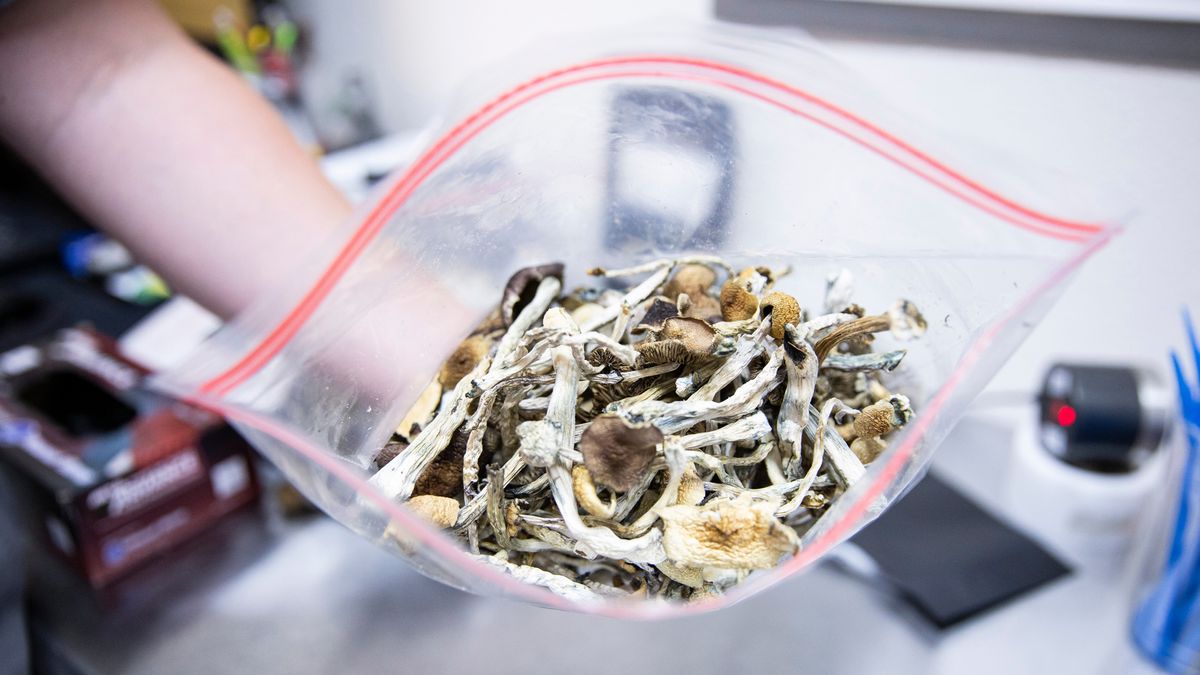
Proper microdosing involves consuming 0.1 to 0.3 grams of dried psilocybin mushrooms, equivalent to 1-3 milligrams of pure psilocybin. The dose should remain sub-perceptual, avoiding visual distortions or significant consciousness alterations while providing subtle beneficial effects.
How frequently should individuals practice microdosing?
Most effective protocols recommend microdosing every third day, following a pattern of one day on and two days off. This schedule prevents tolerance development while maintaining therapeutic benefits. Some practitioners experiment with different schedules, but regular breaks between doses appear essential for sustained effectiveness.
What legal status governs microdosing magic mushrooms?
Psilocybin mushrooms remain illegal in most jurisdictions regardless of dosage. However, some cities and states have implemented decriminalization measures or established legal research programs. Always research local laws thoroughly before considering use, as legal consequences can vary significantly by location.
How long do microdosing effects typically last?
Acute effects generally persist for 6-8 hours, though many users report subtle mood and cognitive benefits continuing for days after dosing. Long-term positive effects may develop with consistent practice over weeks or months, suggesting cumulative benefits beyond immediate effects.
Can microdosing interact with prescription medications?
Yes, psilocybin can interact with various medications, particularly antidepressants and psychiatric medications. These interactions can be dangerous and may affect medication effectiveness. Always consult qualified healthcare providers before combining microdosing with any prescription treatments.
How do microdoses differ from full psychedelic experiences?
Microdoses remain sub-perceptual and avoid producing hallucinations or intense psychological experiences characteristic of full doses. While full doses create significant consciousness alterations and visual effects lasting 4-6 hours or longer, microdoses provide subtle benefits without overwhelming psychoactive effects.

.jpg?v=1722513244 "How to Dose Psilocybin Safely - Psychedelic Today")