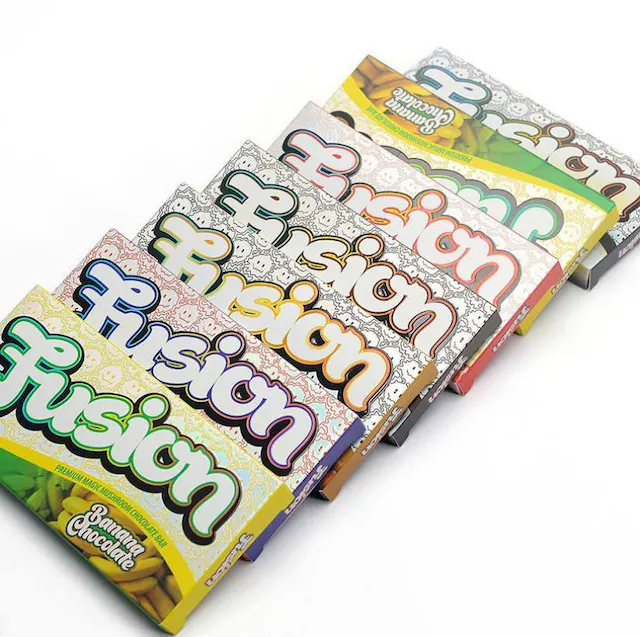
magic mushroom chocolate bar packaging
-
Posted by
Psychedelic Today
Revolutionize Magic Mushroom Chocolate Bar Packaging – Bold, Secure, Irresistible!
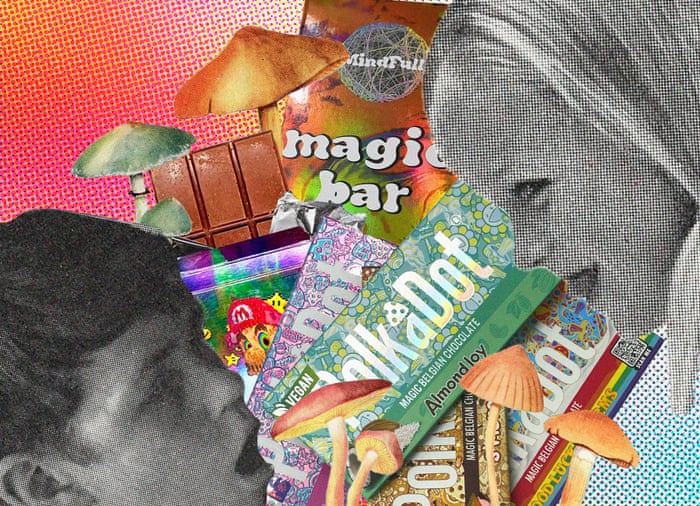
Magic mushroom chocolate bar packaging has become a critical consideration for producers and retailers navigating the emerging psychedelics market. This guide is designed for business owners, packaging designers, and entrepreneurs entering the legal psilocybin space who need practical insights on compliant packaging solutions.
The legal landscape for psychedelic products is rapidly evolving, making proper packaging more important than ever. Smart packaging decisions protect your product quality, ensure regulatory compliance, and build consumer trust in this specialized market.
We’ll explore the essential legal and regulatory compliance requirements that govern psychedelic mushroom chocolate bar packaging, including mandatory labeling, child-resistant features, and state-specific regulations. You’ll also discover key design elements for consumer safety that help prevent accidental consumption while maintaining product integrity. Finally, we’ll cover effective branding and visual identity strategies that communicate professionalism and safety while appealing to your target market.
Whether you’re wondering where to buy magic mushroom bars packaging or how to store magic mushroom chocolate bars properly, this comprehensive overview will help you make informed decisions about your packaging needs.
Legal and Regulatory Compliance Requirements
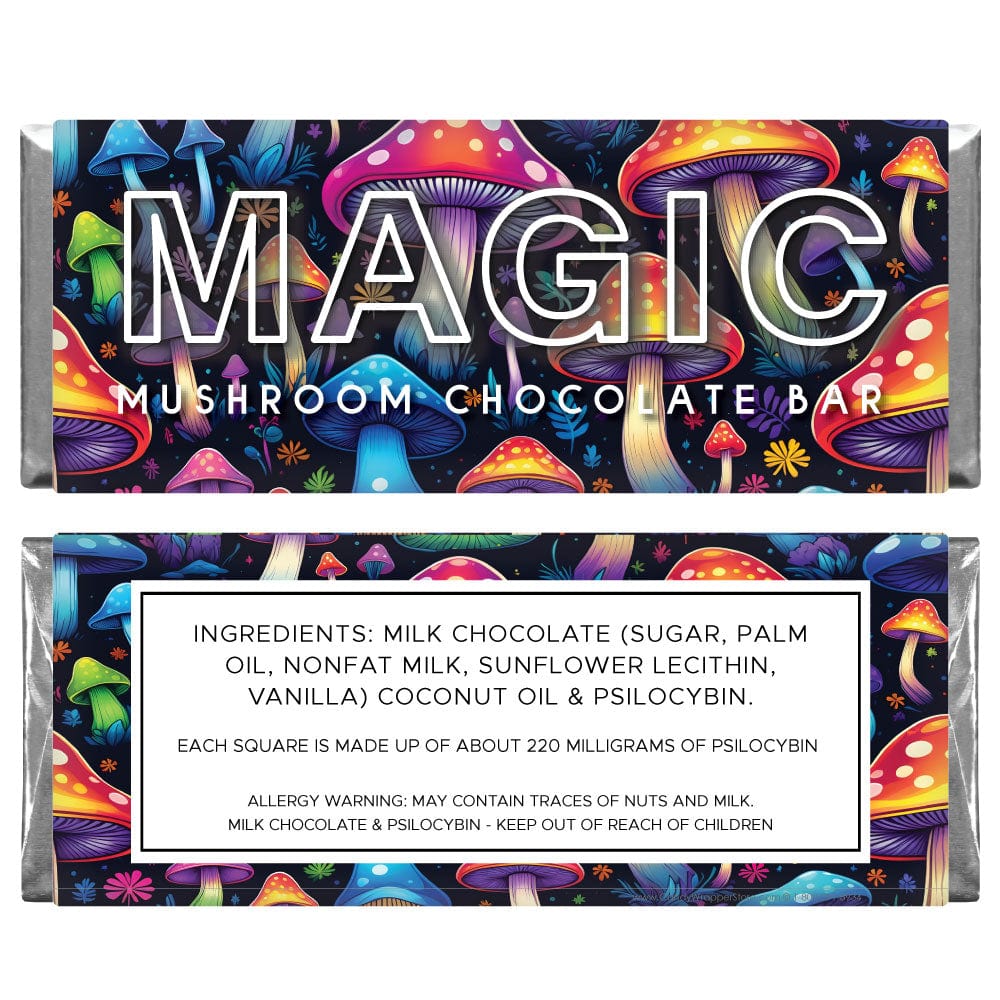
Understanding Federal and State Laws for Psilocybin Products
The legal landscape for psychedelic mushroom chocolate bar packaging varies dramatically across jurisdictions, making compliance a complex challenge for manufacturers and distributors. At the federal level, psilocybin remains classified as a Schedule I substance under the Controlled Substances Act, though several states and municipalities have enacted decriminalization measures or therapeutic access programs.
Oregon leads the way with regulated psilocybin therapy services, requiring specific packaging protocols for licensed service centers. Colorado has similarly approved regulated access, while cities like Denver, Oakland, and Seattle have decriminalized possession. Each jurisdiction maintains distinct requirements for product packaging, labeling, and distribution channels.
Manufacturers must research local ordinances before designing packaging systems, as violations can result in serious legal consequences. Some areas permit hemp-derived psilocybin analogs or microdose products under specific conditions, while others maintain strict prohibition. Working with legal counsel familiar with psychedelic regulations proves essential for navigating these evolving frameworks.
Required Warning Labels and Health Disclaimers
Safety warnings represent the most critical aspect of compliant packaging design. Standard requirements include prominent placement of health disclaimers, contraindication warnings, and dosage guidance. These labels must use clear, legible fonts that contrast sharply with background colors to ensure visibility.
Essential warning elements typically include:
-
Health Warnings: “Keep out of reach of children and pets”
-
Pregnancy Warnings: Contraindications for pregnant or nursing individuals
-
Drug Interaction Alerts: Warnings about mixing with alcohol or medications
-
Mental Health Disclaimers: Information about potential psychological effects
-
Driving Warnings: Clear prohibition against operating vehicles or machinery
The placement of these warnings matters significantly. Front panel positioning ensures immediate consumer awareness, while detailed information can appear on back panels or inserts. Font sizes must meet minimum readability standards, often requiring warnings to occupy specific percentages of total package surface area.
Age Restriction Indicators and Child-Resistant Features
Child-resistant packaging serves as both a legal requirement and moral obligation in most regulated markets. These features must meet specific testing standards that prove children under five cannot easily access the contents, while adults can open packages without excessive difficulty.
Common child-resistant mechanisms include:
-
Push-and-turn caps with dual-action requirements
-
Sliding mechanisms requiring coordinated hand movements
-
Squeeze-and-pull tabs that demand specific finger pressure
-
Lockable containers with combination or key systems
Age restriction indicators must be prominently displayed, typically featuring “21+” or “Adults Only” messaging in bold, contrasting colors. Many jurisdictions require these indicators to occupy minimum space percentages and use specific color schemes for immediate recognition.
Laboratory Testing and Potency Information Display
Transparent potency information builds consumer trust while meeting regulatory requirements. Lab testing data must be clearly presented, showing psilocybin content per serving and total package content. This information helps consumers make informed dosing decisions and demonstrates product quality.
Required testing information often includes:
| Test Category | Display Requirements |
|---|---|
| Potency Analysis | Psilocybin mg per piece/total |
| Contaminant Screening | Heavy metals, pesticides, microbes |
| Batch Information | Production date, lot numbers |
| Lab Certification | Testing facility credentials |
QR codes linking to detailed certificates of analysis provide additional transparency while maintaining clean package design. Batch tracking systems enable product recalls if safety issues arise, protecting both consumers and manufacturers from liability.
Storage recommendations must accompany potency information, explaining how to store magic mushroom chocolate bars properly to maintain quality and prevent degradation. Temperature, humidity, and light exposure guidelines help consumers preserve product integrity over time.
Essential Design Elements for Consumer Safety
Clear Dosage Information and Serving Size Guidelines
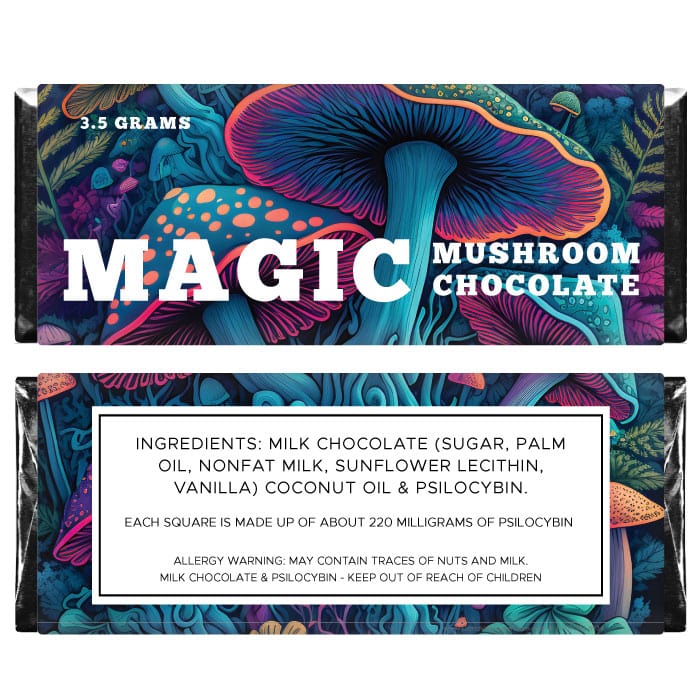
Dosage information stands as the most critical safety element on psychedelic mushroom chocolate bar packaging. Each package must display the total psilocybin content prominently, along with recommended serving sizes that help consumers avoid accidental overdosing. Many experienced manufacturers divide their chocolate bars into clearly marked segments, with each piece containing a specific amount of active compounds.
The packaging should feature bold, easy-to-read typography for dosage information, positioning it where consumers naturally look first. Consider using contrasting colors to make this information stand out from other design elements. Include both metric and imperial measurements to accommodate different consumer preferences, and provide clear guidance on waiting periods between doses.
Visual dosage guides work exceptionally well on mushroom chocolate bar packaging for sale. Simple infographics showing recommended starting amounts for different experience levels help first-time users make informed decisions. Include warnings about the delayed onset typical with edible psilocybin products, emphasizing the importance of patience before consuming additional portions.
Ingredient List and Allergen Warnings
Complete ingredient transparency builds consumer trust and protects those with dietary restrictions or allergies. List all ingredients in descending order by weight, using common names that consumers recognize easily. Highlight major allergens like nuts, dairy, soy, or gluten using bold text or distinctive formatting.
For organic or specialty ingredients, include brief explanations of their benefits. This approach transforms a basic legal requirement into a marketing opportunity that showcases product quality. Many consumers specifically seek out products with clean, recognizable ingredient lists.
Create a dedicated allergen section with clear warning symbols. Use internationally recognized icons for common allergens to overcome language barriers. Include statements about cross-contamination risks if your facility processes multiple allergens, protecting both consumers and your business from liability issues.
Tamper-Evident Sealing Solutions
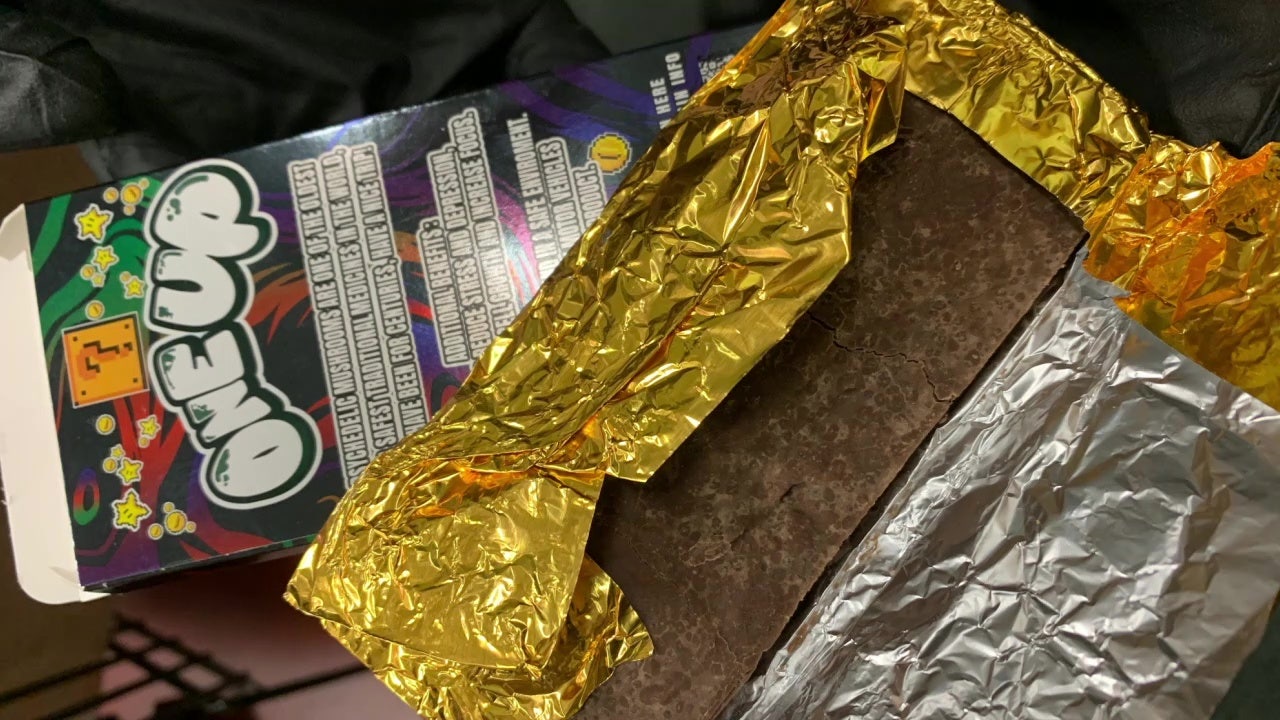
Tamper-evident features protect product integrity and consumer safety while building trust in your brand. Heat-sealed pouches, breakaway bands, or shrink wrap provide clear visual evidence if someone has opened the package. These security measures become especially important for products containing psychoactive compounds.
Multiple layers of tamper-evidence work best. Combine an outer shrink wrap with inner foil sealing or use perforated tear strips that break cleanly when opened. Consider adding holographic security stickers that change appearance when removed, making counterfeiting more difficult.
Child-resistant packaging elements complement tamper-evident features effectively. Push-and-turn caps, squeeze-and-pull mechanisms, or packages requiring simultaneous actions to open help prevent accidental access by minors. Balance security with accessibility for adult consumers who may have mobility limitations.
Batch Number and Expiration Date Placement
Strategic placement of batch numbers and expiration dates supports quality control and regulatory compliance. Position these elements where they remain visible but don’t interfere with branding or marketing messages. Many successful designs incorporate this information into a corner banner or dedicated panel.
When considering how to store magic mushroom chocolate bars, expiration dates become crucial for consumer education. Include storage instructions alongside expiration dates, explaining how proper storage extends product life. Address common consumer questions about whether do magic mushroom chocolate bars go bad by providing clear timelines for optimal potency and safety.
Use date formats that minimize confusion across different markets. Spell out months rather than using numbers to prevent misinterpretation. Include both production and expiration dates when regulations require it, helping consumers understand product freshness and age.
Batch numbers enable precise tracking throughout the supply chain. Use alphanumeric codes that include production facility information, date codes, and sequential numbering. This system supports recall procedures and quality investigations while demonstrating professional manufacturing standards to regulators and consumers alike.
Branding and Visual Identity Strategies
Color Psychology for Psychedelic Product Marketing
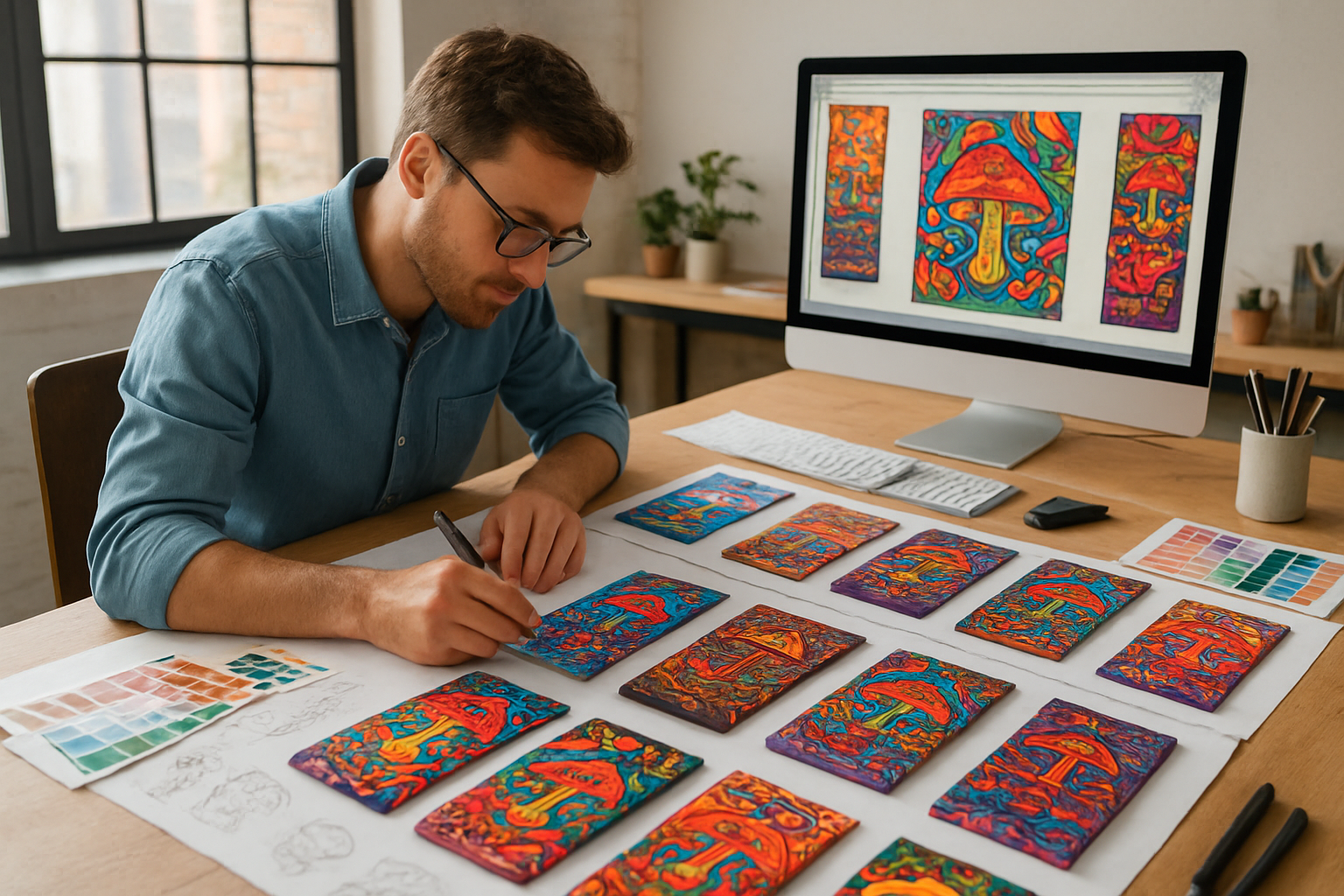
Color choices play a massive role in how consumers perceive psychedelic mushroom chocolate bar packaging. Deep purples and rich violets often signal mystery and transformation, making them natural fits for products that promise altered consciousness. These colors tap into consumers’ associations with spirituality and introspection.
Earthy tones like forest greens, warm browns, and golden yellows connect your product to nature and organic experiences. These colors suggest natural ingredients and authentic mushroom sourcing, which resonates with health-conscious consumers seeking pure, unprocessed products. The combination of earth tones with metallic accents creates premium appeal while maintaining that grounded, natural feeling.
Avoiding harsh neons or overly bright colors prevents your packaging from looking cheap or artificial. Instead, gradient transitions between complementary colors can create visual depth that mirrors the psychedelic experience itself. Think sunset oranges fading into deep blues or forest greens blending into rich purples.
Color contrast remains crucial for readability and legal compliance. Dark text on light backgrounds ensures dosage information and warnings stand out clearly, while maintaining visual appeal.
Typography Choices That Build Trust and Credibility
Font selection directly impacts consumer confidence in psychedelic mushroom chocolate bar packaging. Clean, modern sans-serif fonts like Helvetica or Futura communicate professionalism and scientific credibility. These fonts work especially well for dosage information, ingredients lists, and regulatory text where clarity is non-negotiable.
For brand names and product titles, custom typography or carefully selected display fonts can add personality without sacrificing readability. Avoid overly decorative or psychedelic-style fonts that might suggest unprofessionalism or unreliability. Consumers want to trust that your product is precisely dosed and safely manufactured.
Hierarchy through font weights and sizes guides the eye naturally across important information. Bold headers for product names, medium weights for key benefits, and regular weights for detailed information create logical information flow. This approach helps consumers quickly locate critical details like dosage amounts and storage instructions.
Consistent typography across all text elements reinforces brand reliability. Using the same font family for headers, body text, and legal disclaimers creates visual cohesion that suggests attention to detail in manufacturing processes.
Logo Integration and Brand Consistency
Your logo serves as the central anchor for psychedelic mushroom chocolate bar packaging design. Position it prominently without overwhelming other critical elements like dosage information or regulatory warnings. The logo should be scalable and legible at various sizes, from large display applications to small batch codes.
Brand consistency extends beyond just logo placement. Color palettes, typography choices, and design elements should align across all packaging variants. Whether you’re producing different dosage strengths or flavor profiles, maintaining consistent visual language helps build brand recognition and consumer trust.
Logo integration works best when it complements rather than competes with safety information. Consider incorporating the logo into design elements like borders, patterns, or background graphics rather than placing it as an isolated element. This approach creates sophisticated brand presence while maintaining regulatory compliance.
Brand guidelines should specify exact logo placement, minimum sizes, and clear space requirements. This ensures consistent application across different packaging formats and prevents dilution of brand identity.
Differentiation from Traditional Chocolate Products
Distinguishing your psychedelic mushroom chocolate bar packaging from regular confectionery requires strategic design decisions. While traditional chocolate packaging often emphasizes indulgence and sweetness, your packaging should communicate intentionality and mindfulness.
Shape and format differences immediately signal unique product categories. Hexagonal boxes, triangular prisms, or custom die-cut shapes set psychedelic chocolate apart from standard rectangular candy bars. These distinctive formats catch attention on shelves while suggesting premium, specialized products.
Material choices also create differentiation. Matte finishes, textured papers, or specialty substrates feel more sophisticated than glossy candy wrappers. Black or dark packaging backgrounds contrast sharply with bright, colorful traditional chocolate packaging, immediately signaling different product intentions.
Information density distinguishes psychedelic products from casual confections. Where regular chocolate emphasizes taste and enjoyment, your packaging prioritizes dosage accuracy, onset timing, and safety protocols. This information-rich approach positions your product as a wellness tool rather than casual candy.
Packaging size often differs significantly from traditional chocolate bars. Smaller formats reflect controlled dosing and intentional consumption patterns, contrasting with larger candy bars designed for sharing or multiple servings.
Material Selection for Product Protection
Moisture and Light Barrier Properties
Psychedelic mushroom chocolate bar packaging faces unique challenges when it comes to preserving active compounds. Psilocybin, the primary psychoactive ingredient, breaks down rapidly when exposed to moisture, oxygen, and UV light. The right barrier materials can mean the difference between a potent product and one that loses effectiveness over time.
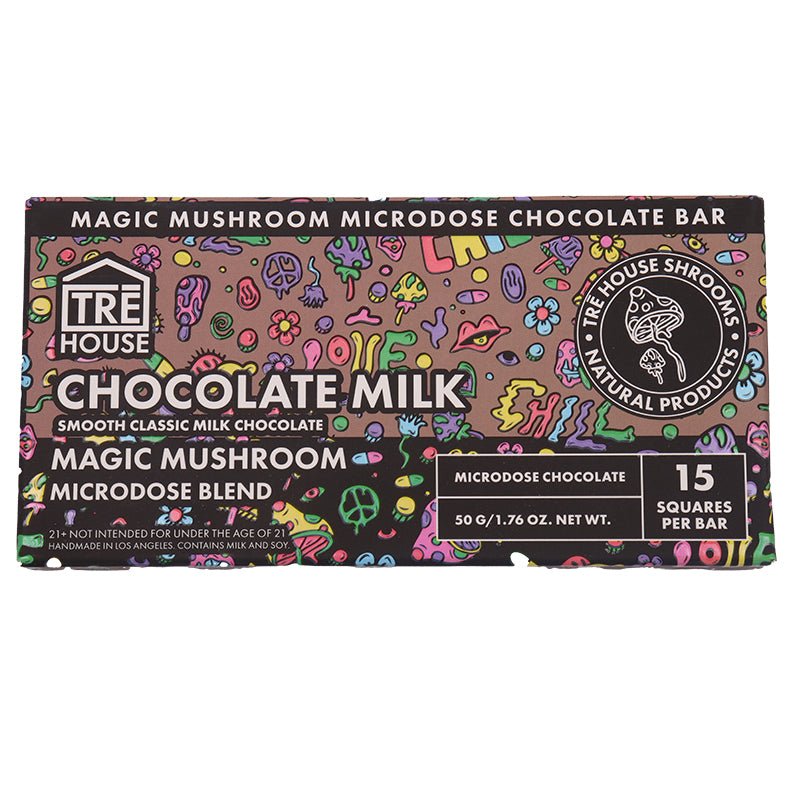
Aluminum foil laminated with polyethylene creates an excellent moisture barrier, typically achieving water vapor transmission rates below 0.1 g/m²/day. This combination blocks both light and humidity while remaining cost-effective for smaller operations. For premium products, metallized polyester films offer superior protection with enhanced puncture resistance.
Multi-layer barrier films work exceptionally well for mushroom chocolate bar packaging for sale operations requiring longer shelf life. These typically combine:
-
Outer polyester layer for durability
-
Aluminum barrier layer for light and moisture protection
-
Inner polyethylene layer for heat sealing
Light protection deserves special attention since UV exposure degrades psilocybin compounds within hours. Dark-colored films or UV-blocking additives in clear materials help maintain potency. Some manufacturers use amber-tinted materials that block harmful wavelengths while allowing product visibility.
Oxygen absorber sachets paired with proper barrier materials extend shelf life significantly. These small packets remove residual oxygen from sealed packages, preventing oxidation of both chocolate and active compounds.
Temperature-Resistant Packaging Options
Chocolate melts around 86°F (30°C), making temperature control critical for both storage and shipping. How to store magic mushroom chocolate bars becomes a packaging design challenge that affects the entire supply chain.
Heat-resistant barrier films maintain their protective properties at elevated temperatures. Polyethylene terephthalate (PET) films remain stable up to 150°F (65°C), while specialized heat-resistant polyamides can handle even higher temperatures without losing barrier effectiveness.
Insulated packaging solutions work well for shipping in warmer climates:
| Insulation Type | Temperature Protection | Cost Level | Best Use Case |
|---|---|---|---|
| Bubble wrap with reflective coating | 4-6 hours | Low | Local delivery |
| Foam insulation packs | 8-12 hours | Medium | Regional shipping |
| Vacuum insulated panels | 24+ hours | High | Long-distance transport |
Cold-resistant materials prevent cracking and brittleness in freezer storage. Some chocolate manufacturers freeze their products for long-term storage, requiring packaging that maintains flexibility at sub-zero temperatures. Polyethylene and specialized cold-resistant films perform well in these conditions.
Thermal shock protection matters when products move between different temperature zones. Gradual temperature changes cause less stress on packaging seals than rapid transitions.
Sustainable and Eco-Friendly Material Choices
Environmental responsibility drives many psychedelic mushroom chocolate bar packaging decisions as consumers increasingly demand sustainable options. Plant-based barrier films made from renewable materials offer comparable protection to traditional petroleum-based options.
Compostable packaging materials break down completely in commercial composting facilities within 90-180 days. Popular options include:
-
PLA (polylactic acid) films derived from corn starch
-
Cellophane made from wood pulp
-
Hemp-based barrier papers
-
Mushroom-based packaging materials (mycelium packaging)
Recyclable mono-materials simplify end-of-life processing. Single-polymer structures like all-PE constructions allow easier recycling compared to multi-material laminates. These designs sacrifice some barrier performance but appeal to environmentally conscious consumers.
Paper-based packaging with bio-based barrier coatings provides the look and feel of traditional materials while offering improved sustainability. Water-based barrier coatings replace solvent-based alternatives, reducing environmental impact during manufacturing.
Reduced packaging approaches minimize material use through optimized design. Thinner films with enhanced barrier properties use less raw material while maintaining protection levels. Right-sizing packaging to product dimensions eliminates excess material and reduces shipping costs.
Post-consumer recycled (PCR) content incorporation shows commitment to circular economy principles. Many barrier films now contain 30-50% recycled content without compromising protective performance.
Marketing Messaging and Consumer Communication

Educational Content About Responsible Use
Creating educational content for psychedelic mushroom chocolate bar packaging requires striking the right balance between information and responsibility. Your packaging should include clear dosage guidance, starting with microdose recommendations for new users. Include timing information about onset effects, which typically begin 30-90 minutes after consumption and can last 4-6 hours.
Visual guides work better than dense text blocks. Consider using infographic-style elements showing recommended dosing schedules, such as “Start with 0.5g, wait 2 hours before taking more.” Include information about set and setting – the mental state and physical environment that influence the experience.
Storage instructions become educational opportunities too. When addressing how to store magic mushroom chocolate bars, emphasize keeping products away from children and pets, storing in cool, dry places, and understanding shelf life. This naturally answers consumer questions about do magic mushroom chocolate bars go bad while reinforcing safety practices.
Target Audience Appropriate Language and Tone
Different consumer segments require tailored communication approaches. Wellness-focused consumers respond to language emphasizing mindfulness, personal growth, and therapeutic potential. Use terms like “journey,” “exploration,” and “consciousness” while maintaining scientific credibility.
Medical users prefer clinical terminology and research-backed statements. Reference peer-reviewed studies and use precise language about potential benefits. Avoid recreational drug terminology that might undermine therapeutic positioning.
Experienced users appreciate straightforward, no-nonsense communication. They want potency information, strain details, and honest effects descriptions without excessive warnings they already understand.
Benefit Claims and Therapeutic Positioning
Position benefits carefully within legal boundaries. Focus on general wellness concepts rather than specific medical claims. Language like “supports mental wellness,” “promotes relaxation,” and “enhances creativity” communicates benefits without crossing regulatory lines.
Reference emerging research trends in psilocybin therapy while clearly stating that products aren’t intended to diagnose, treat, cure, or prevent any disease. This approach satisfies consumers seeking therapeutic benefits while maintaining compliance.
Create benefit hierarchies on packaging, starting with mild effects for microdoses and building to more profound experiences at higher doses. This helps consumers understand the spectrum of potential outcomes.
Risk Communication and Safety Guidelines
Transparent risk communication builds trust and protects consumers. Include contraindications for mental health conditions, medication interactions, and pregnancy warnings. Use clear, direct language: “Do not use if you have a history of psychosis” rather than vague disclaimers.
Provide emergency contact information and resources for challenging experiences. Include guidance on having a trusted person present during use and creating safe environments.
Address common concerns proactively. Many consumers wonder where to buy magic mushroom bars safely, so include information about authorized retailers or verification methods. This protects consumers from unregulated products while building brand credibility.
Safety messaging should feel supportive rather than fear-based. Frame guidelines as tools for optimal experiences rather than warnings about terrible outcomes.
FAQ
How long do magic mushroom chocolate bars last?
Magic mushroom chocolate bars typically stay fresh for 6-12 months when stored properly in cool, dark conditions. Quality psychedelic mushroom chocolate bar packaging with airtight seals extends shelf life significantly. Temperature fluctuations and moisture exposure cause faster degradation of both chocolate and active compounds.
Where can I find mushroom chocolate bar packaging for sale?
Professional mushroom chocolate bar packaging for sale is available through specialized packaging suppliers, cannabis industry vendors, and custom printing companies. Look for food-grade materials with child-resistant features, moisture barriers, and compliance labeling options. Many suppliers offer bulk ordering with custom branding capabilities.
What’s the best way to store these products?
Store magic mushroom chocolate bars in their original packaging inside a cool, dry place away from direct sunlight. Refrigeration works well but avoid freezing, which damages chocolate texture. Proper psychedelic mushroom chocolate bar packaging includes desiccant packets and vacuum sealing to maintain potency and prevent mold growth.
Do the chocolate bars go bad?
Yes, magic mushroom chocolate bars do go bad over time. Signs include white chocolate bloom, off odors, texture changes, or visible mold. While chocolate rarely becomes dangerous when expired, the active compounds degrade, reducing effectiveness. Always check expiration dates and storage conditions before consumption.
What makes packaging compliant?
Compliant packaging requires child-resistant closures, tamper-evident seals, accurate dosage labeling, and warning statements. Materials must be food-grade and lightproof to preserve product integrity. Many jurisdictions mandate specific label information, batch tracking, and testing laboratory details on psychedelic mushroom chocolate bar packaging.
Can I reuse the original packaging?
Original packaging should not be reused for storing different batches or products due to contamination risks and regulatory compliance issues. However, empty containers work well for storing other non-consumable items. Always follow local disposal guidelines for cannabis and psychedelic product packaging materials.
The packaging of magic mushroom chocolate bars requires careful attention to multiple moving parts that work together to create a successful product. From meeting strict legal requirements and safety standards to developing eye-catching branding that speaks to your target audience, each element plays a crucial role in your product’s market success. The choice of materials protects your product’s quality while your marketing message builds trust and educates consumers about responsible use.
Getting your packaging right isn’t just about looking good on the shelf – it’s about building a brand that customers can trust while staying compliant with evolving regulations. Focus on creating packaging that puts safety first, communicates clearly with your audience, and stands out in an increasingly competitive market. When you nail these fundamentals, you’re setting your magic mushroom chocolate brand up for long-term success in this growing industry.