Understanding Lophophora Williamsii: The Peyote Cactus
-
Posted by
Psychedelic Today
Peyote Seeds For Sale: Buy Lophophora Williamsii Seeds Online
What is Peyote? Description and Characteristics
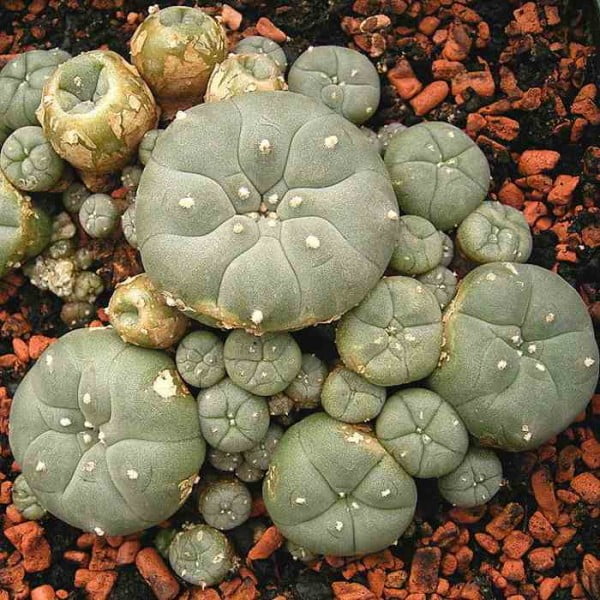
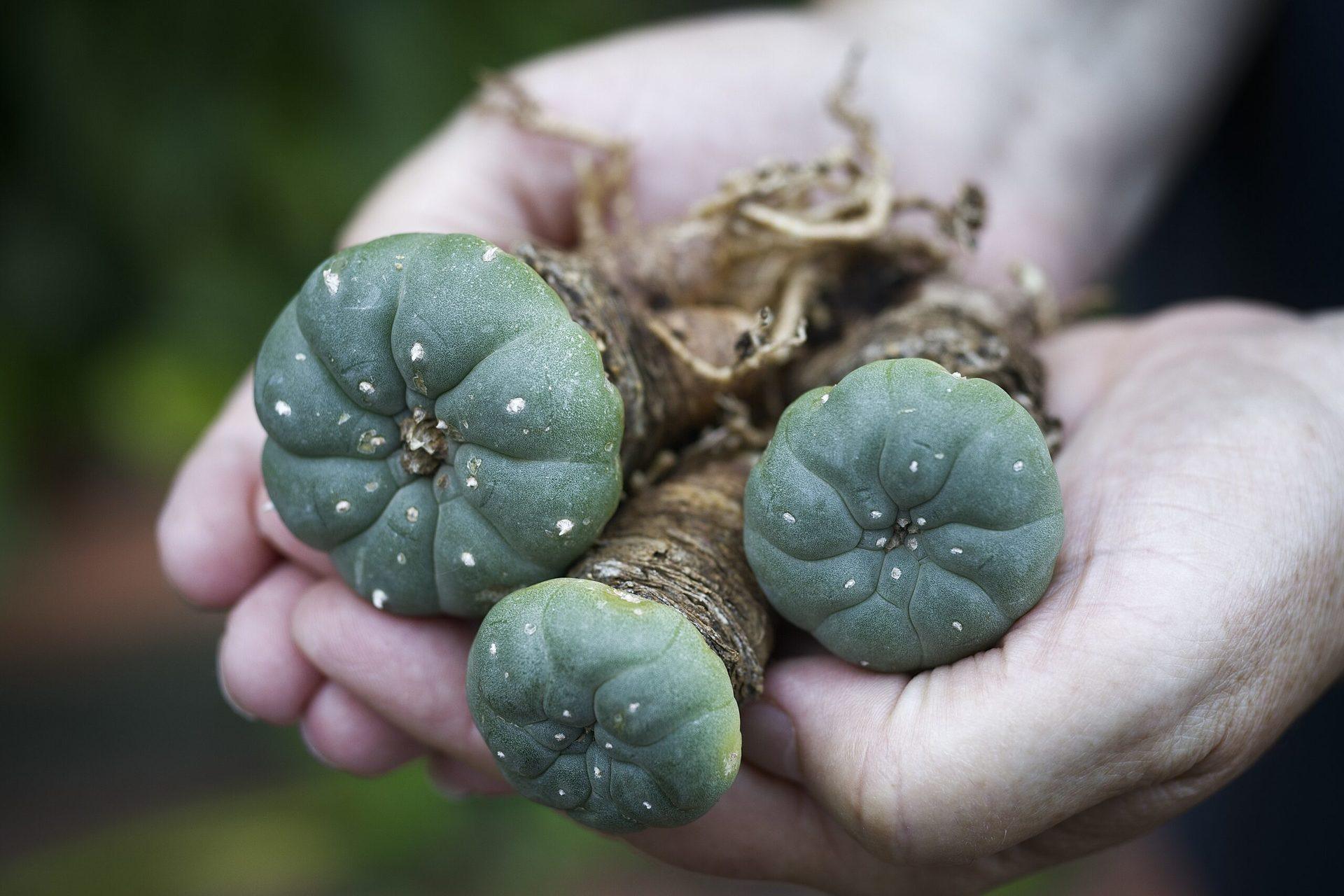
Lophophora williamsii, commonly known as peyote, is one of the most distinctive and recognizable cacti in the world. Unlike its spiny relatives, this small button-shaped cactus lacks the typical defensive spines that characterize most cacti species. Instead, it features a smooth, rounded top with a blue-green coloration that helps it blend into its natural surroundings.
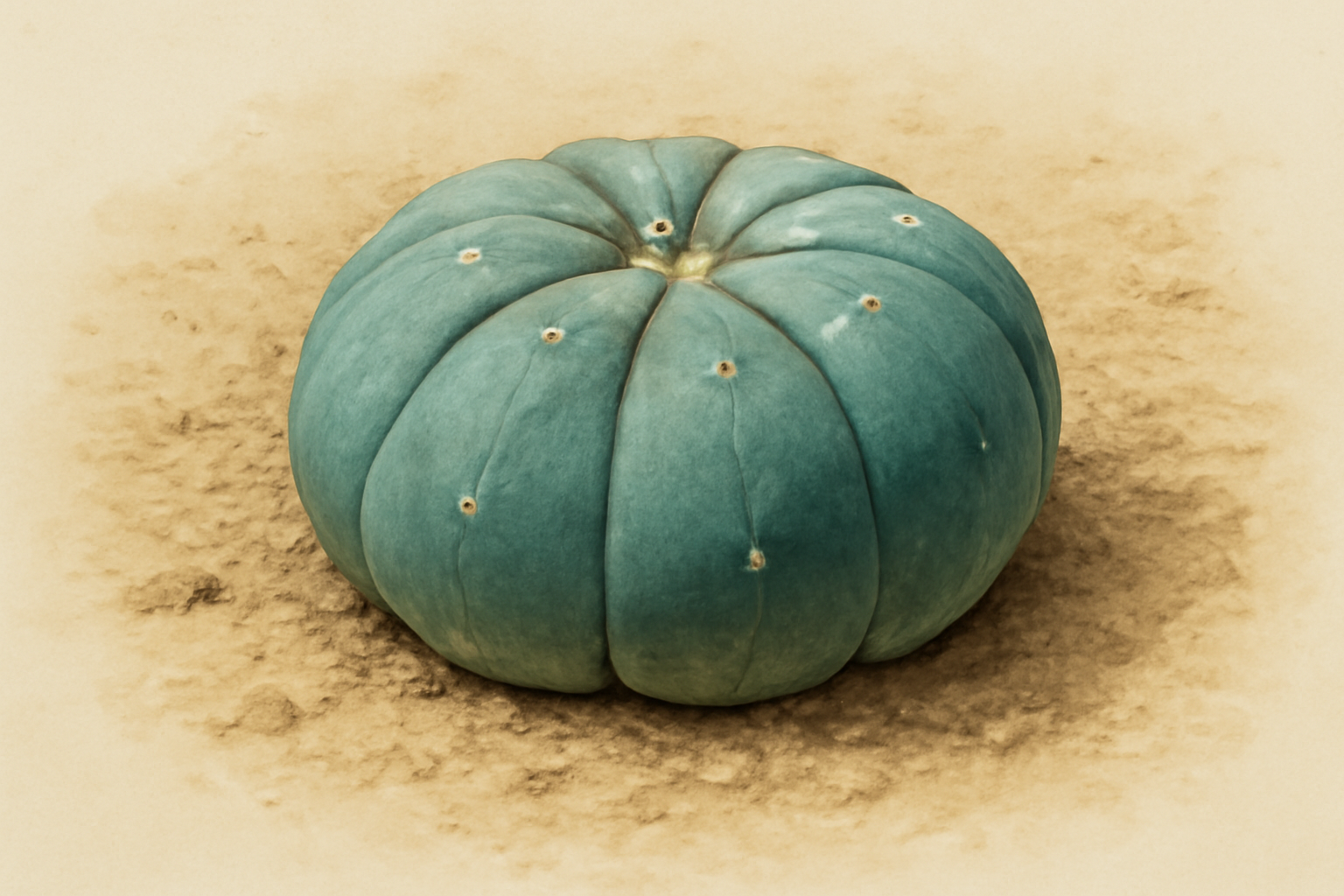
The peyote cactus typically grows to only 2-7 centimeters in height and 4-12 centimeters in diameter, developing a button-like appearance that has earned it the nickname “peyote button.” Its surface is divided into ribs or sections (usually 5-13), with small tufts of white hairs called areoles at regular intervals along these segments. As the plant matures, it may produce small pink to white flowers at its crown during the warmer months.
Those interested in finding peyote seeds for sale online should familiarize themselves with the plant’s appearance to ensure they’re purchasing authentic Lophophora williamsii seeds.
Historical and Cultural Significance of Peyote
The peyote cactus holds profound cultural and religious significance that stretches back millennia. Archaeological evidence suggests that Native American tribes, including the Toltecs, have utilized peyote in healing ceremonies and religious rituals for over 6,000 years. This rich tradition continues today through the Native American Church, where peyote serves as a sacrament during all-night prayer ceremonies.
These traditional practices incorporate peyote as a means to facilitate spiritual experiences, heal ailments, and connect with ancestral wisdom. The plant has been respected for its medicinal properties and revered as a teacher plant in indigenous cultures long before modern science began studying its properties.
Natural Habitat and Origin
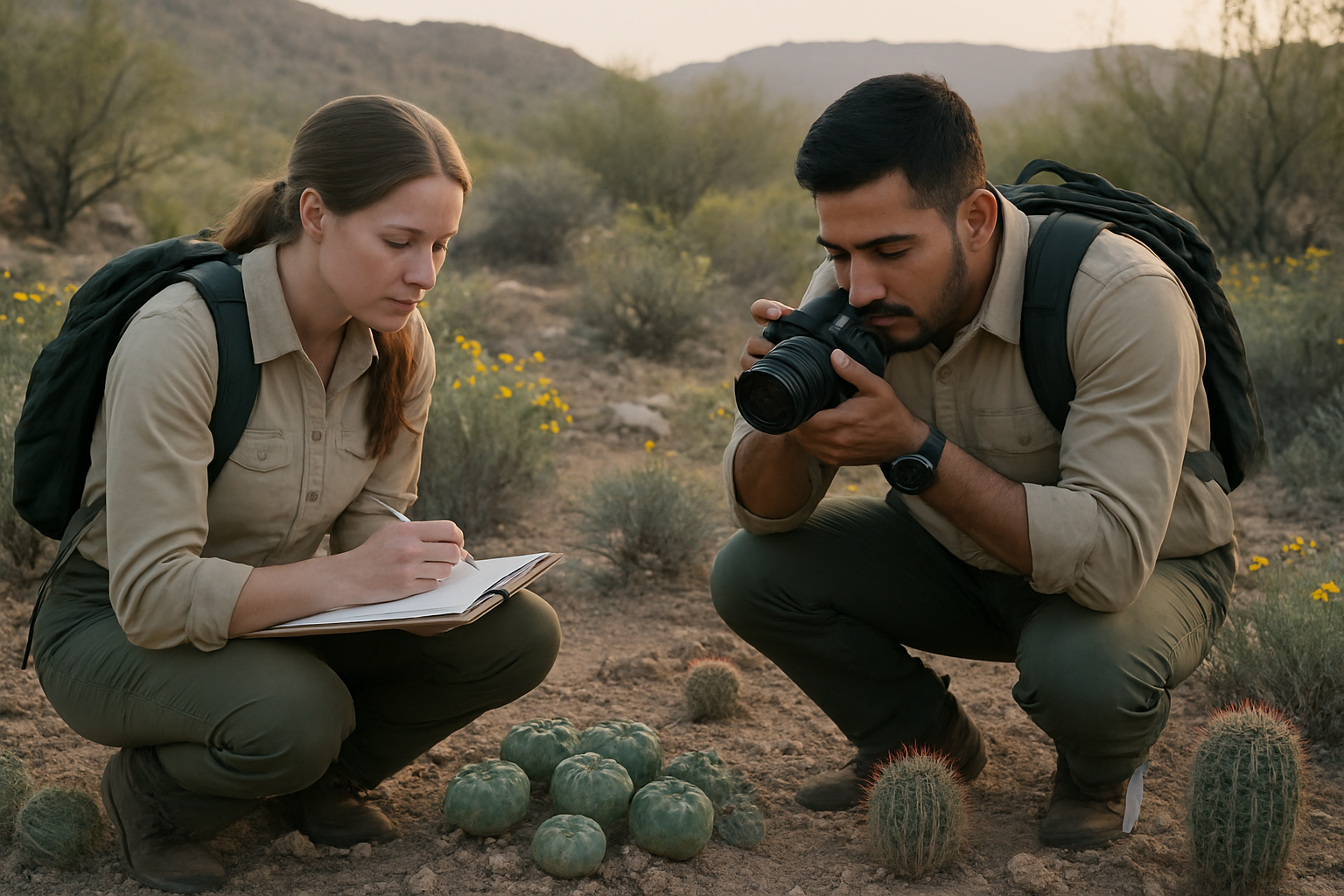
Peyote is native to a relatively small geographical region that spans parts of South Texas in the United States and extends into several Mexican states, primarily San Luis Potosí, Zacatecas, Nuevo León, and Tamaulipas. Within these areas, the cactus thrives in desert and scrubland environments, often growing in limestone-rich soils.
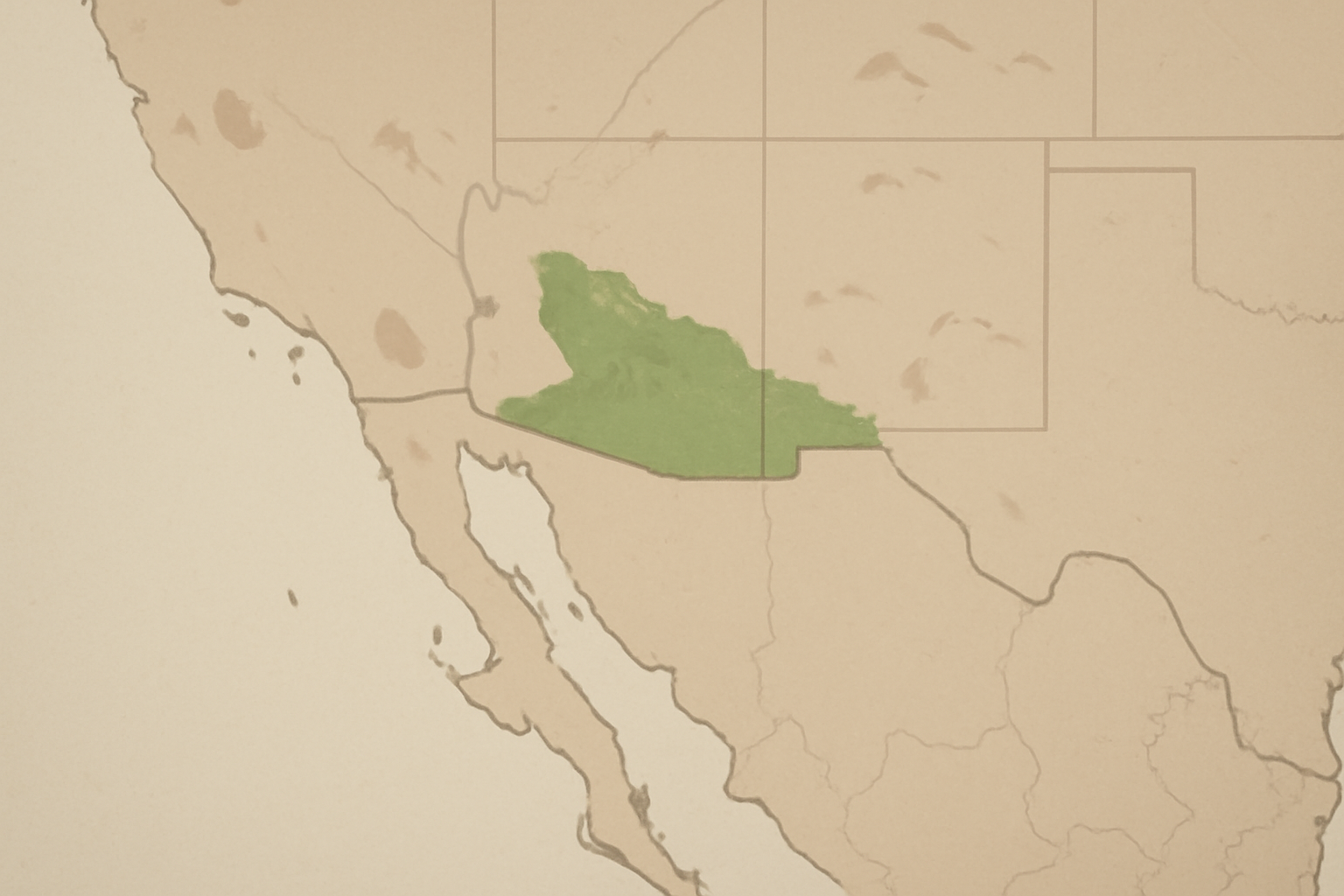
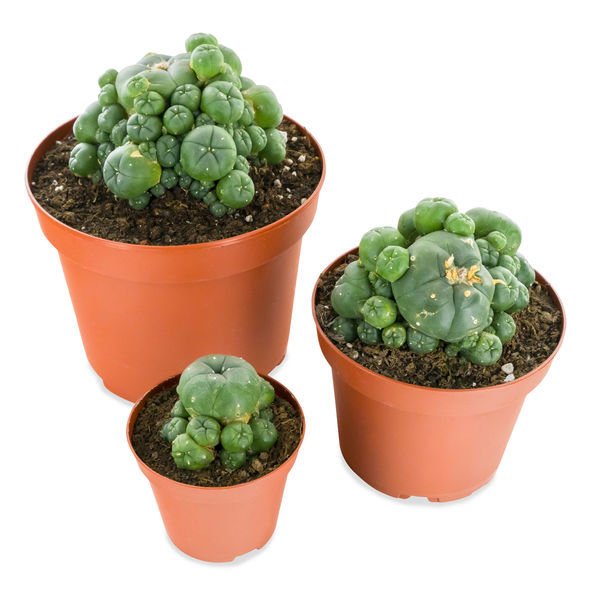
The harsh conditions of its natural habitat have shaped the plant’s biology, contributing to its slow growth rate and remarkable resilience. Peyote plants in the wild can live for decades, even centuries, gradually expanding their root systems and occasionally producing offsets (smaller “buttons” that grow around the main plant).
Those researching peyote seeds for sale should understand that cultivating these cacti requires recreating elements of their natural habitat to achieve successful germination and growth.
Legal Considerations and Conservation Efforts for Lophophora Williamsii
Legal Status of Peyote and Mescaline
Before searching for Peyote Seeds For Sale, it’s essential to understand the complex legal landscape surrounding this plant. Lophophora williamsii (peyote) is classified as a Schedule I controlled substance in the United States under the Controlled Substances Act due to its mescaline content. This classification makes possession, cultivation, and distribution illegal for most citizens.
However, significant exceptions exist. The American Indian Religious Freedom Act Amendments of 1994 protect the traditional religious use of peyote by members of federally recognized Native American tribes. These tribes, particularly those associated with the Native American Church, have legal permission to use, possess, and transport peyote for ceremonial purposes.

This exemption acknowledges the deep spiritual significance peyote holds in Native American religious practices, where it has been used for thousands of years.
Outside the US, legal status varies widely by country. In Canada, Mexico, and many European nations, peyote exists in legal gray areas or is explicitly prohibited. Always research your local regulations before considering purchasing seeds.
Peyote’s Endangered Status and Overharvesting
Lophophora williamsii faces serious threats in its natural habitat. The wild peyote population has dramatically declined due to several factors:
- Overharvesting for recreational and commercial purposes
- Habitat destruction through land development
- Slow growth rate (taking 7-30 years to reach maturity)
- Limited natural range (primarily in the Rio Grande Valley and northern Mexico)
The International Union for Conservation of Nature (IUCN) has listed peyote as vulnerable, and continued pressure on wild populations could soon push it toward endangered status. According to conservation experts, wild peyote harvesting has increased significantly in recent decades, while its natural habitat continues to shrink.
The Role of Home Cultivation in Conservation
Responsible home cultivation represents one potential solution to conservation challenges. By growing peyote from seeds rather than collecting wild specimens, enthusiasts can:
- Reduce pressure on wild populations
- Preserve genetic diversity through seed banking
- Create awareness about conservation needs
- Contribute to the species’ survival
For those legally permitted to grow this plant, starting from seeds is the most sustainable approach. When searching for Peyote Seeds For Sale, choosing reputable vendors who source their seeds ethically becomes crucial. Many conservation-minded collectors focus on growing these plants for their unique botanical characteristics and to preserve this culturally significant species for future generations.
Sourcing High-Quality Peyote Seeds Online
Identifying Reputable Online Sellers

Finding trustworthy vendors is crucial when searching for peyote seeds for sale. The internet offers numerous options, but not all sellers provide quality products. Start by researching vendors with established reputations in the botanical community. Look for sellers who have been in business for several years and maintain transparent communication channels.
Customer reviews serve as valuable indicators of seller reliability.
Take time to read through feedback from previous buyers, paying special attention to comments about seed viability and customer service quality. Legitimate sellers typically have consistent positive feedback regarding seed quality and germination success rates. Experienced growers recommend checking specialized forums where enthusiasts share their experiences with different vendors.
Reputable sellers will provide clear information about their seed sourcing practices and often include details about the specific varieties they offer. They should also be upfront about shipping policies and any legal considerations regarding purchasing Lophophora williamsii seeds in your region.
The Importance of Fresh Seeds for Germination
When purchasing peyote seeds for sale, freshness is perhaps the most critical factor affecting germination success. Seed viability decreases significantly with age, so recently harvested seeds offer the best chance of successful sprouting. Fresh Lophophora williamsii seeds typically have a darker color and firm texture compared to older seeds.
According to cultivation experts, fresh peyote seeds can achieve germination rates of 70-90%, while seeds older than two years may drop below 30%. This dramatic difference makes seed freshness a top priority for serious growers. Quality vendors will often specify harvest dates and provide storage recommendations to maintain seed viability.
What to Look for When Buying Peyote Seeds
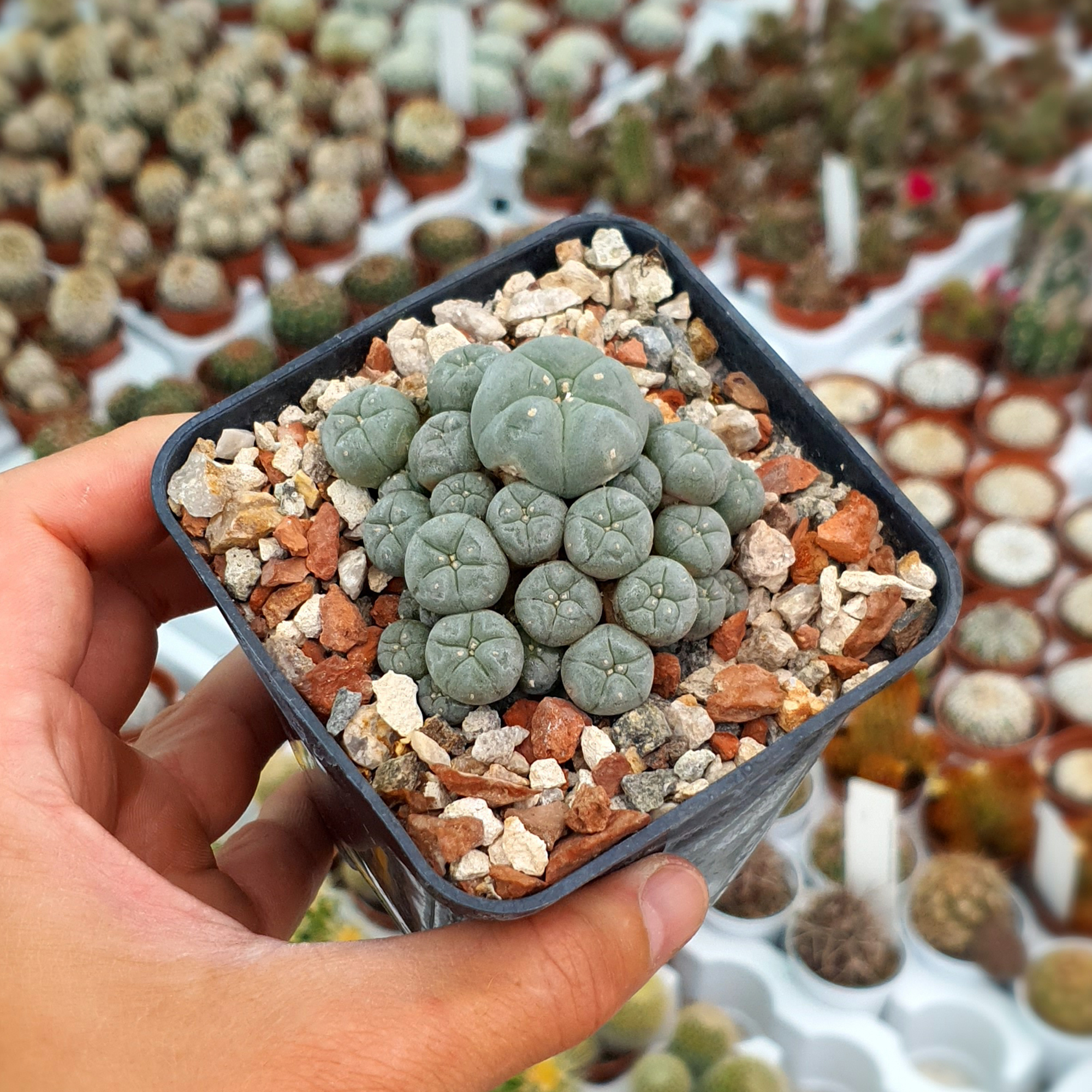
Beyond freshness, several other factors should guide your purchase decisions. First, examine seed appearance—healthy peyote seeds are black to dark brown, with a smooth, slightly shiny surface and no visible damage or wrinkles.
Quantity matters too. Since germination isn’t guaranteed for every seed, purchasing in larger quantities (typically 10-100 seeds) improves your chances of successful cultivation. Many experienced cultivators suggest that beginners start with at least 20-30 seeds to account for natural germination failure rates.
The best vendors include comprehensive growing instructions with their seeds. These should cover germination techniques, soil requirements, watering schedules, and troubleshooting advice. Detailed instructions significantly improve success rates, especially for first-time growers.
Finally, consider vendors who provide support after purchase. Those willing to answer questions about cultivation challenges demonstrate commitment to customer success beyond the initial sale.
A Step-by-Step Guide to Germinating Lophophora Williamsii Seeds
Preparing the Germination Medium
Starting your journey with Peyote seeds for sale requires careful preparation of the growing medium. These delicate seeds need a well-draining substrate to prevent rot and fungal diseases. Create a mixture of 70% mineral components (fine sand, pumice, or perlite) and 30% organic matter (sterilized cactus soil).

Many experienced growers recommend adding a thin layer of fine sand on top, which helps prevent algae growth while maintaining proper moisture levels.
Before sowing, sterilize your containers and soil mixture by baking at 350°F (175°C) for about 30 minutes, then allow to cool completely. This kills potential pathogens that could harm your fragile seedlings.
Optimal Temperature and Light Conditions
Lophophora williamsii seeds demand specific conditions to break dormancy. They need warm temperatures between 75-85°F (24-29°C) during daylight hours, with a slight drop at night. This temperature fluctuation mimics their natural desert habitat and triggers germination.
For light, provide bright but indirect sunlight or use grow lights positioned 12-15 inches above the containers. A 12-14 hour photoperiod works best. Too much direct light can kill the delicate seedlings, while insufficient light leads to weak, etiolated growth.
The Germination Process and Watering
When you’re ready to plant your seeds, sprinkle them evenly across the prepared medium. Gently press them down with a flat object—don’t bury them, as they need light to germinate. Space seeds about ½ inch apart to reduce competition and allow room for growth.
Water using a fine mist sprayer or by placing the container in a shallow water bath, allowing moisture to rise through capillary action. After initial watering, cover the container with clear plastic wrap or a humidity dome to create a mini-greenhouse effect. This maintains the high humidity (around 80-90%) crucial for successful germination.
Initial Seedling Care and Transplanting
Patience is essential—germination can take anywhere from 10 days to several weeks. Once tiny green dots appear, maintain consistent moisture and gradually increase ventilation. After 4-6 months, when seedlings develop their characteristic button shape, begin the hardening process by making small holes in the plastic cover or lifting the dome for short periods, increasing exposure time gradually over 2-3 weeks.
When seedlings reach about 5mm in diameter, typically at 8-12 months, they’re ready for their first transplant. Carefully lift each one with a moistened wooden toothpick, minimizing root damage. Plant into individual 2-inch pots using the same soil mix, keeping the soil level consistent with the previous growing depth.
Cultivating and Caring for Your Mature Peyote Cactus
Optimal Growing Conditions for Mature Plants
Once your peyote seedlings have matured, they become surprisingly hardy plants. Adult peyote cacti show remarkable resilience, tolerating a wide temperature range from 45°F to 130°F (7°C to 54°C). This adaptability makes them suitable for various growing environments, though they prefer conditions that mimic their natural desert habitat.
During summer, your mature peyote will thrive in bright, indirect sunlight. While they appreciate morning sun, protect them from harsh afternoon rays that could cause sunburn. In winter, these cacti enter a dormant period, and you should keep them in a cool, dry place with minimal watering. This dormancy period is crucial for healthy long-term development of plants grown from peyote seeds for sale online.
Soil and Fertilization Requirements
Peyote cacti require very mineral-rich soil that drains exceptionally well. Create a suitable mix by combining:
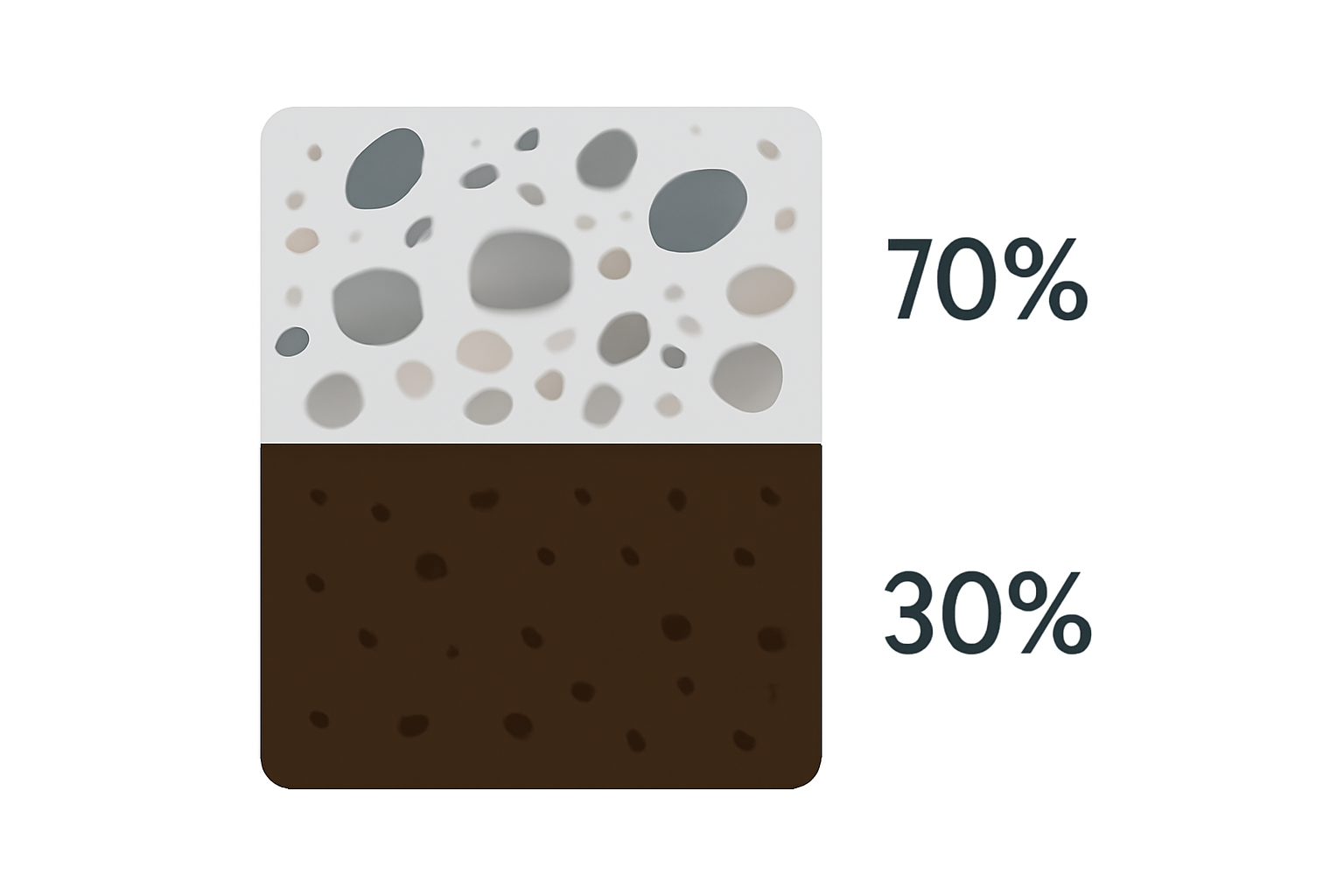
– 70% mineral components (small gravel, coarse sand, pumice) – 30% organic matter (cactus soil or standard potting soil)
This combination prevents root rot while providing necessary nutrients. The high mineral content mimics the desert soils where peyote naturally grows.
Fertilization should be minimal. Apply a diluted cactus fertilizer (about quarter-strength) only during the active growing season (spring and summer). Overfertilizing can damage these slow-growing plants, so less is more when it comes to feeding your peyote grown from quality seeds.
Watering Practices for Healthy Growth
Proper watering is critical for mature peyote plants.
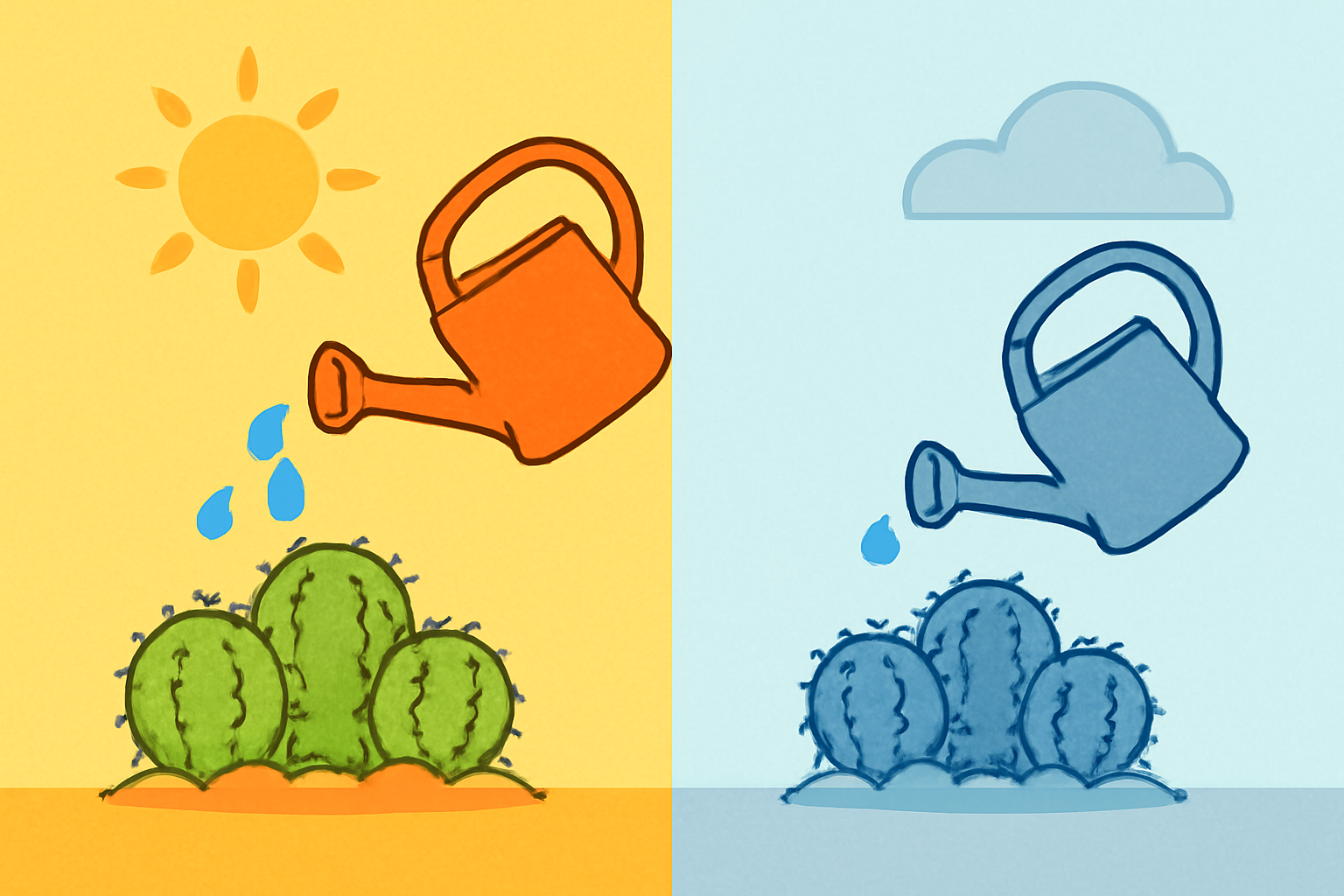
During the growing season (spring through early fall), water your plants approximately twice a week, allowing the soil to dry completely between waterings. This mimics the natural rainfall patterns in their native habitat.
In winter, reduce watering dramatically – perhaps once a month or less – as the plant enters dormancy. Overwatering during this period is a common cause of rot and plant death. The key is observing your plant: if the cactus starts to shrivel slightly, it’s time for a light watering.
Methods to Increase Alkaloid Concentrations
For those interested in the traditional properties of peyote, several cultivation techniques can influence alkaloid levels. Placing your mature cacti in shade for several months before harvesting has been shown to increase alkaloid percentage. This stress response triggers the plant to produce more of these compounds as a protective mechanism.
Other methods include controlled drought conditions and temperature fluctuations that mimic the extreme desert environment. These techniques should be applied carefully to avoid harming the plants, especially if you’ve invested in high-quality peyote seeds for your cultivation project.
FAQ About where to Buy Lophophora Williamsii Seeds Online
Is it legal to purchase peyote seeds online?
The legality of buying Lophophora williamsii seeds varies dramatically by country and region. In the United States, peyote is a Schedule I controlled substance, though there are religious exemptions for Native American Church members. Many countries have similar restrictions, while others may permit seed ownership but prohibit germination. Always research your local laws before ordering.
How much do quality peyote seeds typically cost?
Quality Peyote Seeds For Sale typically range from $10-30 per packet of 10-20 seeds. Premium seeds from established vendors might cost more, but often come with higher germination rates and better customer support. Be wary of extremely cheap offers, as they may indicate old or low-quality seeds.
What’s the average germination rate for peyote seeds?
Fresh peyote seeds from reputable sellers usually have a 70-90% germination rate when properly handled.
Older seeds may have significantly lower success rates, sometimes dropping below 40%. This is why purchasing from sellers who harvest seeds recently is crucial.
How long does shipping usually take for peyote seeds?
Shipping times vary widely based on the seller’s location and shipping methods. Domestic orders typically arrive within 3-10 business days, while international orders can take 2-4 weeks. Some vendors offer expedited shipping options for faster delivery.
What should I look for to verify seed quality before purchase?
Look for sellers who provide clear photos of their seeds, specify harvest dates, and offer germination guarantees. Reputable vendors will describe seed appearance and provide storage recommendations. Customer reviews specifically mentioning germination success are also valuable indicators.
Can I buy peyote seeds in bulk for a discount?
Many online vendors offer bulk discounts for larger purchases of Peyote Seeds For Sale.
Buying 50-100 seeds at once often reduces the per-seed cost by 20-40%. This approach makes sense for serious growers, as it accounts for potential germination failures and provides genetic diversity.
What payment methods are typically accepted for peyote seeds?
Most online vendors accept major credit cards, though some prefer cryptocurrency payments for enhanced privacy. Some sellers also accept bank transfers or money orders. Be cautious of sites that only accept non-refundable payment methods like cryptocurrency or wire transfers without established reputation.
Buy Lophophora Williamsii Seeds Online
For those seeking to purchase these rare seeds, several specialized online retailers focus on cacti and succulent seeds, offering detailed growing instructions and support. Remember that patience is key—peyote is among the slowest-growing cacti, taking years to mature from seed.
Lophophora Williamsii | Lophophora Williamsii | Lophophora Williamsii | Lophophora Williamsii | Lophophora Williamsii | Lophophora Williamsii | Lophophora Williamsii | Lophophora Williamsii | Lophophora Williamsii | Lophophora Williamsii | Lophophora Williamsii | Lophophora Williamsii