
LSD Blotter Paper Explained
-
Posted by
Psychedelic Today
LSD Blotter Paper Explained: Everything You Need to Know About This Cultural Phenomenon
What is LSD Blotter Paper?
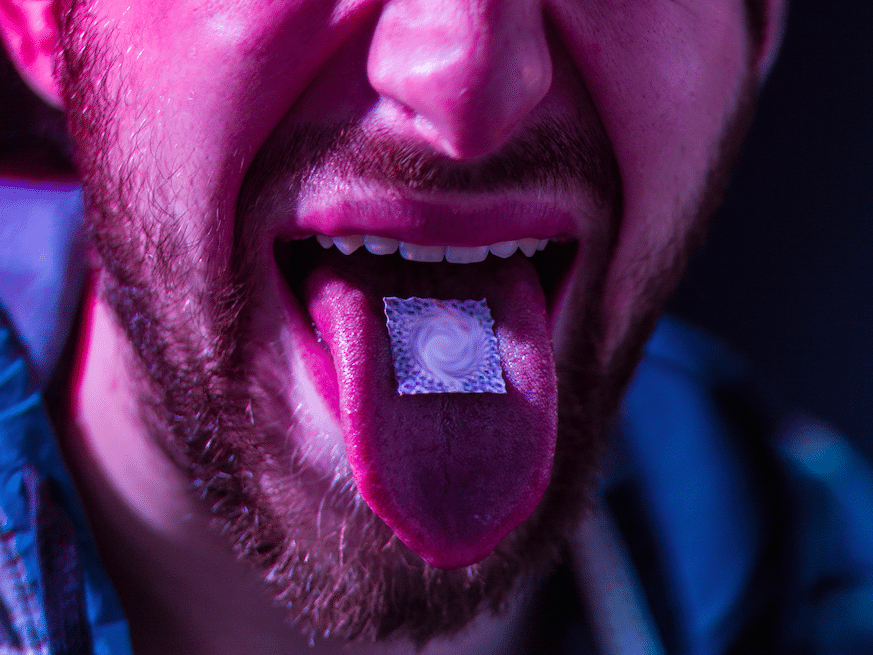
LSD blotter paper refers to small squares of absorbent paper that have been soaked with liquid LSD solution. The paper itself is typically made from high-quality, absorbent materials that can hold the chemical compound effectively. Each square, commonly called a “tab” or “hit,” usually measures about 6-8 millimeters and contains a measured dose.
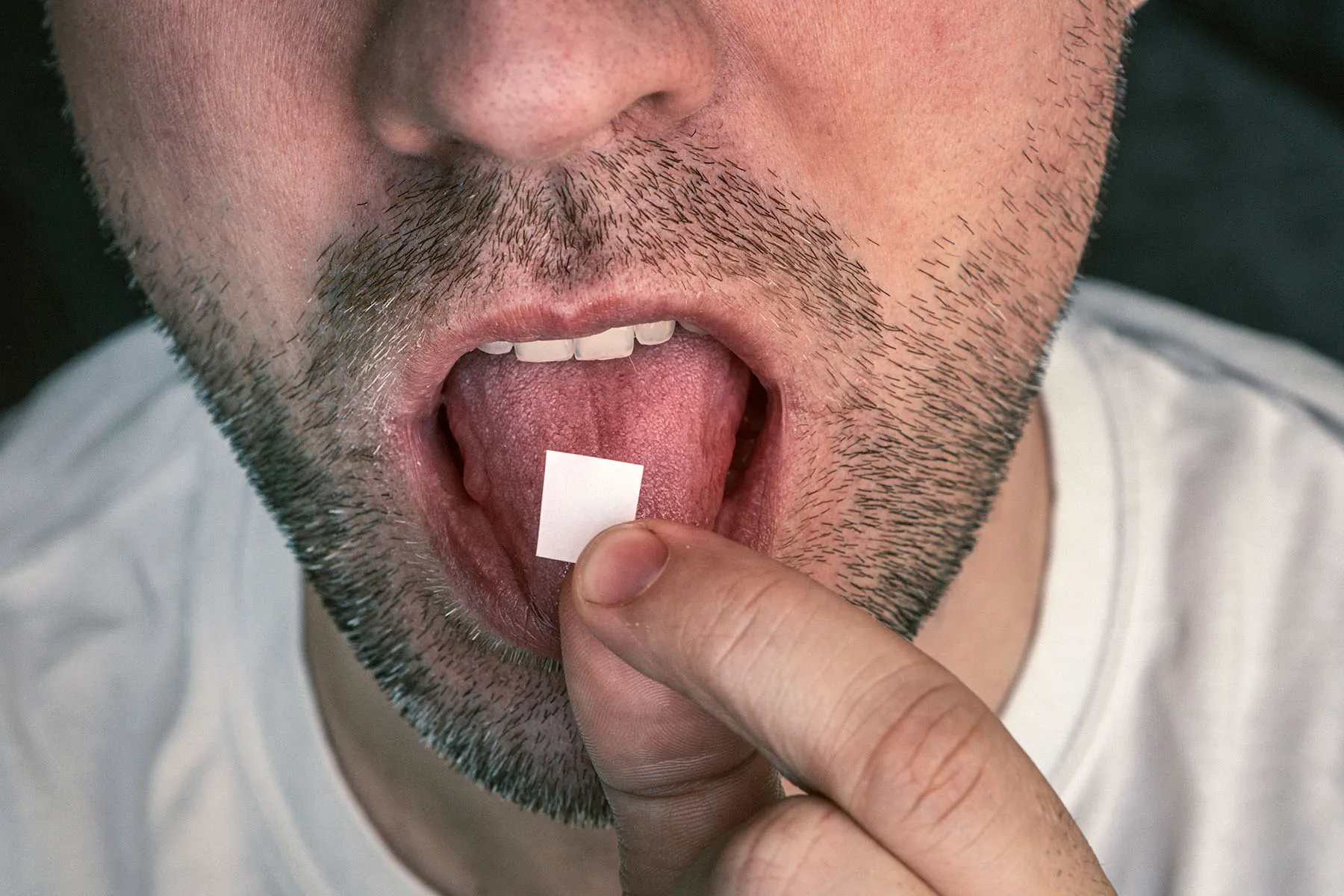
The process of creating LSD blotter involves carefully applying liquid LSD to sheets of paper using various methods. The paper must be absorbent enough to hold the solution while remaining stable for storage and handling. This delivery method became popular because it’s discrete, easy to store, and allows for relatively precise dosing.
Common Characteristics of LSD Blotter
- Small perforated squares for easy separation
- Often features colorful artwork or designs
- Made from absorbent, acid-free paper
- Typically flavorless and odorless
- Ranges in size from 6-10mm squares
The History Behind LSD Blotter
The story of LSD blotter begins in the 1960s when researchers and chemists sought better ways to distribute the compound. Before blotter paper, LSD was commonly distributed in liquid form, sugar cubes, or gelatin tabs. The paper method emerged as a practical solution to several distribution challenges.
Dr. Albert Hofmann first synthesized LSD in 1938, but it wasn’t until the 1960s that blotter paper became the preferred delivery method. The transition to paper occurred partly because it offered better stability and easier storage compared to liquid forms.
Timeline of LSD Blotter Development
1960s: Early experimentation with paper as a delivery method
1970s: Blotter paper becomes widely adopted
1980s: Artistic designs become common on LSD blotter
1990s-2000s: Digital printing improves artwork quality
2010s-Present: Continues as primary distribution method
The artistic element of LSD blotter paper emerged in the 1970s and 1980s when creators began adding colorful designs and patterns. This artistic tradition transformed simple paper squares into collectible items, with some designs becoming iconic within certain communities.
How LSD Blotter Paper Works
The science behind LSD blotter paper involves understanding how the compound interacts with cellulose fibers in paper. When liquid LSD solution contacts the paper, it penetrates the fibers through capillary action. The paper acts as a stable medium that preserves the compound’s potency over time when stored properly.
The absorption process requires specific paper qualities. The material must be porous enough for even distribution but not so absorbent that it degrades quickly. Most LSD blotter uses high-quality, acid-free paper similar to what’s used in archival printing.
Factors Affecting Absorption
- Paper density: Affects how evenly the solution spreads
- Fiber composition: Determines absorption rate and stability
- Thickness: Influences total absorption capacity
- pH levels: Acid-free paper prevents degradation
The manufacturing process typically involves laying out sheets of paper and carefully applying measured amounts of LSD solution. The sheets are then dried under controlled conditions to ensure even distribution and prevent hotspots where concentration might be higher.
The Science of Paper Absorption
Understanding how LSD blotter paper absorbs and retains the compound requires knowledge of both chemistry and materials science. The cellulose fibers in paper create a network of microscopic spaces that can hold liquid through surface tension and intermolecular forces.
When LSD solution contacts paper, several physical processes occur simultaneously. The liquid spreads through the fiber network, the water component evaporates, and the LSD molecules bind to the cellulose structure. This binding helps preserve the compound’s stability over time.
Chemical Stability Factors
Paper quality significantly impacts how well LSD remains stable. Acid-free paper prevents degradation reactions that could break down the compound. Light, heat, and moisture are the primary environmental factors that affect stability, which is why proper storage becomes crucial.
The pH level of the paper plays a critical role in preservation. LSD is sensitive to acidic conditions, so neutral or slightly alkaline paper provides better long-term stability. This is why high-quality LSD blotter typically uses archival-grade paper materials.
Cultural Significance and Art
LSD blotter paper has developed into a unique art form that intersects chemistry, visual design, and cultural expression. The tradition of decorating blotter sheets with intricate artwork began in the underground communities of the 1970s and has evolved into a sophisticated artistic medium.
Many artists have contributed to blotter art, creating designs that range from psychedelic patterns to pop culture references. Some designs have become iconic and are recognized even by people unfamiliar with the compound itself. The art serves both aesthetic and practical purposes, helping identify different batches and sources.
Notable Artistic Elements
- Fractal patterns: Mathematical designs that appear to move
- Pop culture imagery: References to music, movies, and celebrities
- Spiritual symbols: Eastern and Western religious iconography
- Nature themes: Plants, animals, and natural phenomena
- Abstract designs: Geometric patterns and color combinations
The artistic aspect of LSD blotter has created a collecting community that appreciates the visual designs independent of their chemical purpose. Some collectors focus on specific artists, time periods, or design themes, treating blotter art as a legitimate artistic medium.
Legal Considerations
The legal status of LSD blotter paper varies significantly across different jurisdictions. In most countries, LSD is classified as a controlled substance, making possession, distribution, or manufacturing illegal. However, the specific laws regarding blotter paper itself can be complex.
In some jurisdictions, even unused blotter paper might be considered drug paraphernalia if it’s intended for LSD use. Other areas might only prosecute when actual LSD is present on the paper. These legal nuances make it important for people to understand their local laws.
International Legal Status
- United States: Schedule I controlled substance
- European Union: Controlled under various national laws
- Canada: Controlled under the Controlled Drugs and Substances Act
- Australia: Prohibited substance under national drug laws
The enforcement of laws related to LSD blotter varies widely. Some jurisdictions focus primarily on large-scale distribution, while others prosecute any possession. Recent trends in some areas show movement toward treating LSD possession as a health issue rather than a criminal matter.
Safety and Health Information
Understanding the safety aspects of LSD blotter paper involves recognizing both the chemical and practical risks involved. The compound itself has a complex safety profile that researchers are still studying, while the paper delivery method introduces additional considerations.
One significant safety concern with LSD blotter involves dosage accuracy and consistency. The absorption method can sometimes result in uneven distribution, leading to “hot spots” where concentration is higher than expected. This unpredictability makes dosing challenging and potentially dangerous.
Health Considerations
Physical safety: LSD can cause changes in perception that create accident risks
Psychological effects: May trigger anxiety, paranoia, or other mental health issues
Interaction risks: Can interact dangerously with certain medications
Contamination concerns: Street versions may contain unknown substances
The paper itself generally presents minimal health risks when made from food-grade materials. However, some LSD blotter may use paper treated with chemicals or inks that could cause additional health concerns. The quality and source of the paper become important safety factors.
Identifying Authentic vs. Fake Blotter
The market for LSD blotter has unfortunately created opportunities for counterfeit products that may contain different substances or no active compounds at all. Learning to identify potentially fake blotter can be important for harm reduction purposes.
Authentic LSD blotter typically has specific characteristics related to paper quality, printing methods, and physical appearance. However, these indicators aren’t foolproof, and chemical testing remains the most reliable identification method.
Visual Identification Tips
- Paper quality: High-grade, evenly textured material
- Printing clarity: Sharp, well-defined artwork without bleeding
- Perforations: Clean, evenly spaced cuts between squares
- Consistency: Uniform appearance across the sheet
- Size standardization: Regular dimensions matching typical specifications
Many experienced users recommend testing kits that can identify the presence of LSD versus other compounds. These chemical tests provide more reliable identification than visual inspection alone, though they require some knowledge to interpret correctly.
The Role in Research and Medicine
Recent years have seen renewed scientific interest in LSD research, with studies examining potential therapeutic applications. This research renaissance has brought new attention to delivery methods, including LSD blotter paper, and their role in controlled clinical settings.
Researchers studying LSD face unique challenges related to dosing accuracy and consistency. The blotter paper method, while popular recreationally, presents complications for scientific research that requires precise measurements and standardized administration methods.
Current Research Areas
Mental health treatment: Studies on depression, anxiety, and PTSD
Addiction therapy: Research on treating various substance dependencies
End-of-life care: Investigating benefits for terminally ill patients
Consciousness studies: Understanding how LSD affects brain function
Microdosing research: Examining effects of very small doses
The medical research community generally prefers liquid or pharmaceutical preparations over blotter paper for clinical studies. However, understanding how the compound behaves in paper medium remains relevant for researchers studying real-world usage patterns.
Storage and Degradation
Proper storage of LSD blotter paper requires understanding the environmental factors that affect compound stability. Light, heat, moisture, and air exposure all contribute to degradation over time, potentially reducing potency or creating breakdown products.
The paper medium provides some protection for the LSD compound, but it’s not immune to environmental damage. Professional storage typically involves dark, cool, dry conditions with minimal air exposure. Some people use freezer storage, though this requires careful attention to moisture control.
Optimal Storage Conditions
- Temperature: Cool, consistent temperatures below 70°F
- Light exposure: Complete darkness or amber glass containers
- Humidity control: Dry conditions with desiccant if necessary
- Air exposure: Sealed containers to prevent oxidation
- Handling: Minimal contact to prevent contamination
Understanding degradation helps explain why LSD blotter paper may lose potency over time. The breakdown process can create compounds that are different from the original LSD, potentially changing the effects or safety profile.
LSD blotter paper represents a fascinating intersection of chemistry, art, culture, and human behavior. From its origins in 1960s research communities to its current status as both a cultural artifact and subject of renewed scientific interest, blotter paper continues to play a significant role in discussions about psychedelics and society.
The future of LSD blotter may evolve as legal landscapes change and scientific research expands. Understanding the history, science, and cultural significance of this delivery method provides valuable context for ongoing conversations about drug policy, harm reduction, and therapeutic applications.
Whether viewed as an artistic medium, a cultural phenomenon, or a subject of scientific study, LSD blotter paper remains an important topic that touches on chemistry, law, art, and human experience in unique and complex ways.
Want to learn more about psychedelic research and drug policy? Share this article with others interested in understanding the science and culture behind these fascinating topics. Leave a comment below with your thoughts on the intersection of art, science, and drug delivery methods.