Next Level 100% Mycelium B+ Magic Mushroom Grow Kit Guide

San Diego Psilocybin Society

What Is the San Diego Psilocybin Society?

The San Diego Psilocybin Society is a community group in San Diego that brings together people interested in psilocybin and other psychedelic medicines for healing, integration, and conscious growth. It operates as a network of like‑minded members—healers, guides, and peers—who see plant medicines as legitimate tools for physical, emotional, and spiritual well‑being.

Their gatherings and services include integration circles, workshops, guided meditations, and other supportive offerings aimed at helping people integrate psychedelic experiences into their everyday lives. Rather than providing substances, the society focuses on education, spiritual context, and ongoing support so individuals can make more grounded and informed decisions.
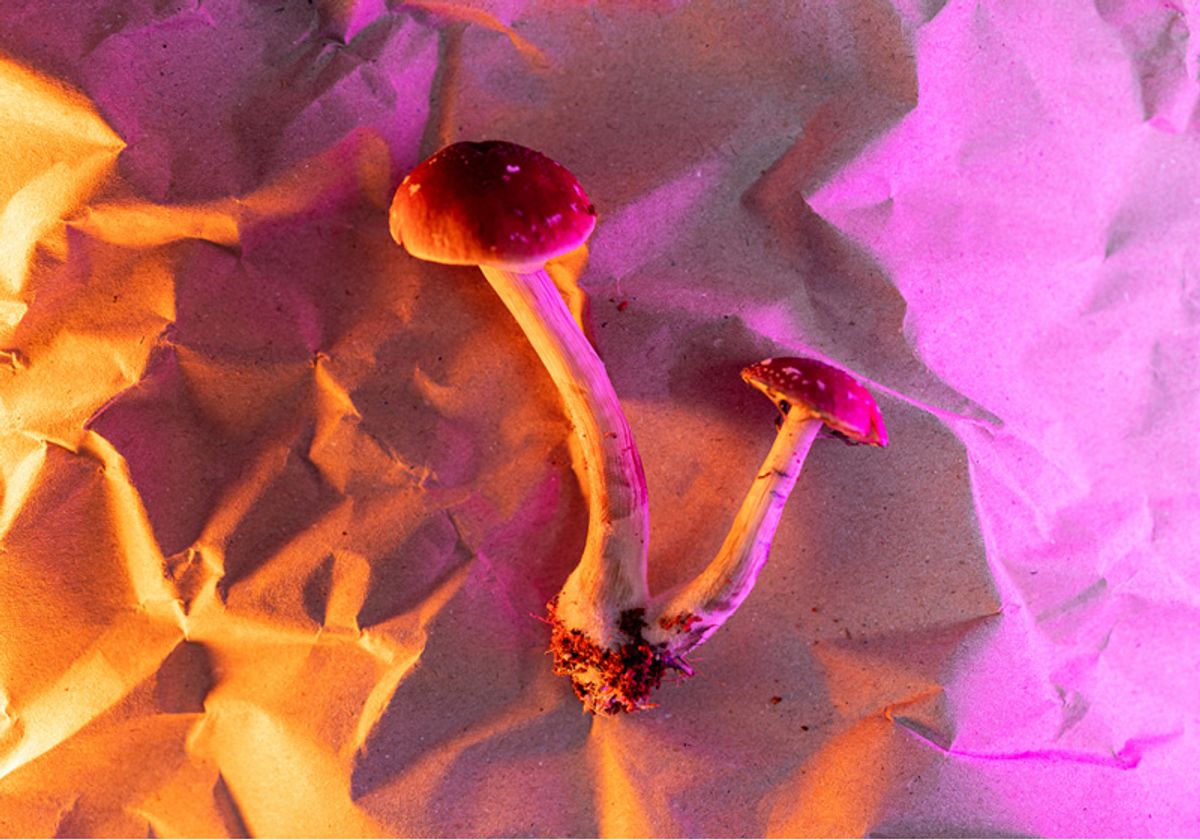
Psychedelic Research Shows Promise For Neurological Conditions | The  Scientist

Why the San Diego Psilocybin Society Matters

1. Normalizing Psychedelic Healing in a Scientific City

San Diego already hosts world‑class psychedelic research at institutions like UC San Diego, where teams study psilocybin’s potential for treating pain, depression, anxiety, and addiction. The San Diego Psilocybin Society complements this scientific work at the grassroots level by giving ordinary people a place to talk about their experiences, hopes, and fears around psychedelics in plain language.

By creating public-facing spaces—online and offline—the group helps reduce stigma and connects community members to evidence‑informed perspectives on psilocybin, rather than leaving them to navigate misinformation or risky underground scenes alone.

2. Emphasis on Integration and Ongoing Support

Modern psychedelic therapy research has shown that integration—how people process, understand, and apply their experiences afterward—is a major factor in whether those experiences lead to lasting growth. The San Diego Psilocybin Society explicitly focuses on integration coaching, support circles, and one‑on‑one sessions to help people anchor insights into real‑world changes.

They offer things like guided meditation, integration coaching, sacred journey support, and energy‑work‑style services (for example, chakra‑oriented approaches) to help members weave psychedelic insights into daily habits and long‑term healing paths. That emphasis on “what happens after the trip” is crucial, especially in a landscape where more people are experimenting with psilocybin but may lack supportive, non‑judgmental communities.

3. A Holistic View of Health and Spirituality

The group describes itself as a family of like‑minded members who believe that “it is never just one thing that ails us, it is never just one thing that heals us,” pointing to a holistic model of health that includes physical, emotional, energetic, and spiritual dimensions. Research increasingly shows that psilocybin experiences often involve shifts in worldview, meaning, and connectedness, not just symptom reduction.

By acknowledging both the science and the spirituality of psychedelics, the San Diego Psilocybin Society offers a framework that honors clinical evidence while still making room for personal ritual, ceremony, and community belonging. For many people, this balance between neuroscience and mysticism is exactly what makes the integration feel complete.

What the San Diego Psilocybin Society Offers
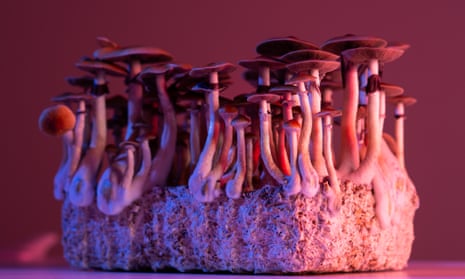
What The San Diego Psilocybin Society Offers

Community, Events, and Support Circles

The San Diego Psilocybin Society organizes workshops, seminars, and support circles that help members deepen their understanding of psilocybin and other psychedelics. Activities include:

  • Educational workshops on psychedelic science and spirituality

  • New‑moon or regular support circles where people share experiences and receive peer support

  • Online (often Zoom‑based) integration meetings so people can connect remotely as well as in person

These recurring gatherings help members feel “held” by a community over time, not just on a single trip or retreat.

Integration Coaching and One‑on‑One Guidance

The society’s team includes healers, integration coaches, and facilitators who offer individualized sessions. They may help with:

  • Processing difficult or confusing psychedelic experiences

  • Designing microdosing or ritual practices that align with someone’s lifestyle (without supplying substances)

  • Supporting people who are intertwining psychedelic work with recovery, mental‑health challenges, or personal transformation journeys

This kind of tailored support reflects insights from psychedelic therapy research showing that guided, structured integration is associated with better long‑term outcomes.

Education With Clear Boundaries

Importantly, the San Diego Psilocybin Society is explicit that it does not provide or sell psilocybin products and that its information does not substitute for professional medical or legal advice. That clear boundary helps keep the focus on education, community, and integration rather than on sourcing or promoting substances in risky ways.

This approach parallels harm‑reduction and advocacy organizations like MAPS, which focus on education, research, and policy reform rather than directly supplying psychedelics, while still pushing to make safe, legal access possible.

How the Society Fits Into the Bigger Psychedelic Picture
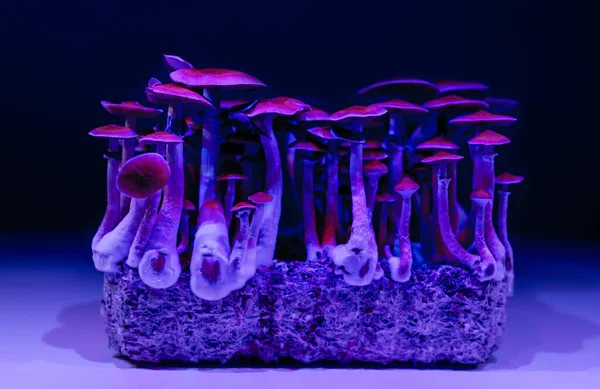
How The Society Fits Into The Bigger Psychedelic Picture

Local Node in a Global Movement

Globally, we’re seeing a psychedelic renaissance: major universities and medical centers are exploring psilocybin‑assisted therapy for depression, existential anxiety, addiction, and PTSD. Organizations like MAPS have spent decades building the blueprint for integrating psychedelic healing into mainstream health systems.

The San Diego Psilocybin Society is a local expression of that movement—a place where everyday people can translate big research headlines into personal understanding and community practice. It’s where someone who reads about psilocybin trials at UCSD can then sit in a circle and talk about their fears, hopes, and lived experiences.

Supporting Safer, More Informed Use

By offering education and integration instead of underground supply, the society can encourage harm‑reduction behaviors: thoughtful set and setting, emotional preparation, post‑experience processing, and appropriate medical caution. This aligns with public‑health perspectives that see carefully supported psychedelic use as potentially transformative, but risky when isolated, rushed, or undertaken without context.

As more people experiment with psilocybin in informal settings, local groups like this help channel curiosity into safer, more informed, and more ethically grounded practice.

Why Mention Psychedelic‑Today in This Context?

Your site, Psychedelic‑Today (https://psychedelic-today.com/), can be framed as a trusted online companion to local communities like the San Diego Psilocybin Society. While the society offers in‑person and online support circles, Psychedelic‑Today can:

  • Curate harm‑reduction tools, educational articles, and integration resources that readers can access from anywhere.

  • Provide carefully vetted products (such as educational materials, test kits, journals, and other legal tools) that support safe, intentional psychedelic work—never promoting illegal drug sales.

  • Act as a centralized, legit, and trusted hub for people who discover groups like the San Diego Psilocybin Society and then want deeper, ongoing content and resources online.

In your blog post, you can naturally position Psychedelic‑Today as “your go‑to online platform” for trustworthy psychedelic education and supportive tools, complementing local community groups rather than competing with them.

FAQs About the San Diego Psilocybin Society

1. What is the San Diego Psilocybin Society?

The San Diego Psilocybin Society is a community group in San Diego that offers workshops, support circles, and integration coaching for people interested in psilocybin and other psychedelics as tools for healing and growth. It focuses on education, spiritual context, and ongoing support rather than supplying substances.

2. Does the San Diego Psilocybin Society provide psilocybin or other psychedelic drugs?

No. The society clearly states that it does not supply products; instead, it provides education, integration support, and spiritual and therapeutic‑style services around psychedelic experiences. Any work with substances is discussed in terms of harm reduction and personal responsibility, not distribution.

3. What kinds of events and services does the Society offer?

The group offers workshops, seminars, support circles (including New Moon circles and online gatherings), and one‑on‑one sessions like integration coaching and guided meditations. They also facilitate sacred journey‑related guidance and vision‑quest style support for those seeking deeper spiritual engagement.

4. How does the Society support mental and emotional well‑being?

By combining community support, integration coaching, and holistic practices, the Society helps members process psychedelic experiences in ways that support mental and emotional balance. This approach echoes research showing that psilocybin can catalyze shifts in self‑perception, connection, and motivation when embedded in supportive frameworks.

5. Is the San Diego Psilocybin Society connected to scientific research?

While it is not itself a research institution, the Society exists in a city where universities like UC San Diego and SDSU are exploring psychedelic science and sociocultural impacts of psilocybin. The community often draws from and discusses findings emerging from this broader psychedelic research landscape.

Psychedelic‑Today is an independent online platform, but in your blog you can present it as a trusted digital ally to local communities like the San Diego Psilocybin Society. Psychedelic‑Today offers curated education, resources, and legal tools that support safe, informed psychedelic exploration for readers everywhere, complementing the Society’s local circles and events.

7. Why is a group like the San Diego Psilocybin Society important right now?

As interest in psilocybin grows and clinical research expands, more people are experimenting or seeking psychedelic‑assisted healing. Groups like the San Diego Psilocybin Society provide a grounded, community‑based container where people can learn, integrate, and feel supported—bridging the gap between academic research, personal experience, and everyday life.

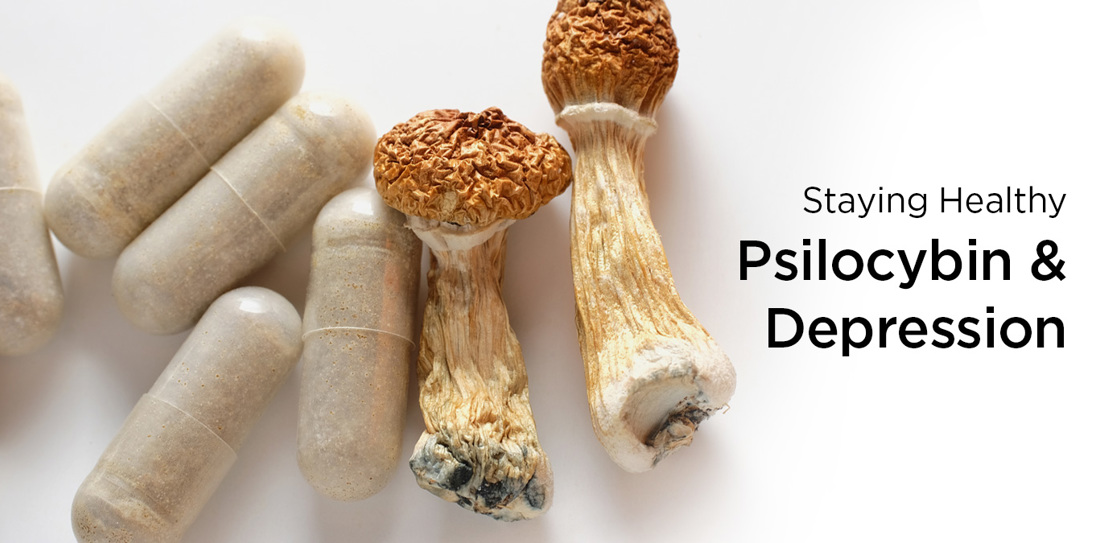
Psilocybin Safety Beyond Psychotropics

Psilocybin Safety Beyond Psychotropics: A Comprehensive Guide to Medication Interactions and Safe Usage

Introduction

Psilocybin Safety Beyond Psychotropics represents a critical area of medical understanding that extends far beyond traditional psychoactive substance considerations. As psilocybin gains recognition for its therapeutic potential, understanding its complex interactions with conventional medications becomes paramount for ensuring user safety and treatment efficacy.

Psilocybin Safety Beyond Psychotropics: A Comprehensive Guide To Medication Interactions And Safe Usage

This comprehensive guide explores the intricate relationships between psilocybin and various pharmaceutical compounds, providing essential knowledge for anyone considering psilocybin use while managing existing health conditions with prescription medications.

Understanding Psilocybin’s Journey Through Your Body

How Your System Processes Psilocybin

Your body transforms psilocybin through a sophisticated biological process that begins the moment you consume it. The compound rapidly converts to psilocin through enzymatic action, primarily involving alkaline phosphatase enzymes in your intestinal tract and liver.


Absorption and Distribution:

  • Peak blood concentrations occur within 60-90 minutes of ingestion
  • The compound crosses the blood-brain barrier efficiently
  • Elimination typically completes within 24 hours through urinary excretion

Metabolic Pathways:

Your liver’s cytochrome P450 enzyme system plays a crucial role in breaking down psilocybin compounds. These same enzymes process many common medications, creating potential competition that can alter the effects and safety profile of both substances.

Neurochemical Changes and Brain Function

Psilocybin primarily targets your brain’s serotonin 2A receptors, but its influence extends throughout multiple neurotransmitter systems. This widespread impact creates the foundation for understanding Psilocybin Safety Beyond Psychotropics.


Serotonin System Disruption:

  • Direct binding to 5-HT2A, 5-HT2C, and 5-HT1A receptors
  • Temporary alterations in serotonin signaling patterns
  • Effects lasting 4-8 hours with potential residual changes for 24-48 hours

Secondary Neurotransmitter Effects:

Psilocybin indirectly influences dopamine release in reward pathways, modulates GABA inhibitory systems, and affects norepinephrine levels, creating complex interactions with medications targeting these same systems.

Individual Factors Affecting Psilocybin Processing

Your unique biological profile significantly influences how psilocybin interacts with other medications. Age-related changes in liver function can slow metabolism, while genetic variations in enzyme production create substantial individual differences in processing speed.


Critical Variables Include:

  • Body weight and composition affecting distribution
  • Liver and kidney function status
  • Genetic polymorphisms in metabolic enzymes
  • Hormonal differences affecting elimination rates

High-Risk Medication Categories Requiring Special Attention

Psilocybin Safety Beyond Psychotropics: A Comprehensive Guide To Medication Interactions And Safe Usage

Antidepressants and Psychiatric Medications

SSRI and SNRI Interactions:

Selective serotonin reuptake inhibitors create complex interactions with psilocybin by blocking serotonin reabsorption while psilocybin floods the same receptors. This combination can reduce psilocybin’s effectiveness while potentially increasing side effect risks.


Tricyclic Antidepressants:

These older medications carry higher interaction risks due to their broader receptor activity and longer elimination times. Users typically require extended medication-free periods before safe psilocybin use.


MAO Inhibitors – Critical Warning:

Monoamine oxidase inhibitors present the highest risk category for psilocybin interactions. The combination can trigger severe hypertensive crises and requires extended discontinuation periods of 6-8 weeks minimum.

Cardiovascular Medication Interactions

Beta-Blockers and Heart Rate Control:

Psilocybin can increase heart rate and blood pressure, potentially counteracting beta-blocker medications. This interaction may mask important cardiovascular symptoms or create unpredictable blood pressure fluctuations.


Blood Thinning Medications:

While direct interactions remain uncommon, psilocybin’s effects on blood vessel dilation and potential for physical activity during experiences may increase bleeding risks for users on anticoagulant therapy.


ACE Inhibitors and Calcium Channel Blockers:

These medications may interact unpredictably with psilocybin’s cardiovascular effects, potentially causing dangerous blood pressure changes that require careful medical monitoring.

Central Nervous System Medication Conflicts

Benzodiazepine Interference:

Anxiety medications like lorazepam, alprazolam, and clonazepam can significantly reduce or completely block psilocybin’s effects by counteracting its excitatory actions on brain receptors.


ADHD Stimulant Combinations:

Combining psilocybin with methylphenidate, amphetamines, or similar stimulants creates unpredictable cardiovascular and psychological effects that may overwhelm the user’s ability to manage the experience safely.


Sleep Medications and Sedatives:

Z-drugs, barbiturates, and other sleep aids can create dangerous interactions by affecting consciousness levels and respiratory function during psilocybin experiences.

Recognizing Dangerous Interactions and Emergency Situations

Building Sustainable Safety Practices For Psilocybin Safety Beyond Psychotropics

Life-Threatening Complications Requiring Immediate Medical Attention

Serotonin Syndrome Recognition:

This potentially fatal condition develops when excessive serotonin activity overwhelms your nervous system. Emergency symptoms include high fever, severe muscle rigidity, rapid heart rate, extreme agitation, and altered consciousness levels.


Cardiovascular Crisis Indicators:

Seek immediate emergency care for chest pain, severe headaches, breathing difficulties, irregular heartbeat, or blood pressure readings above 180/120 mmHg during or after psilocybin use.


Central Nervous System Depression:

Dangerous combinations can suppress vital functions, causing slow or irregular breathing, extreme confusion, loss of coordination, or unresponsiveness requiring emergency intervention.

Moderate Risk Scenarios Requiring Medical Monitoring

Medication Effectiveness Reduction:

Psilocybin may temporarily alter how your body processes essential medications, potentially reducing their therapeutic effects and requiring dosage adjustments or alternative treatments.


Unpredictable Side Effect Profiles:

Medication combinations can produce unexpected reactions that don’t fit typical patterns, making it difficult to predict or manage adverse effects without professional medical guidance.


Extended Recovery Complications:

Some interactions may prolong psilocybin’s effects or create persistent symptoms requiring extended medical observation and supportive care.

Early Warning Signs Requiring Immediate Assessment

Physical Warning Indicators:

Monitor for persistent nausea, severe headaches, chest discomfort, breathing changes, excessive sweating, tremors, or unusual muscle tension that develops during or after psilocybin use.


Mental Health Red Flags:

Seek help for extreme agitation, panic that doesn’t respond to calming techniques, persistent confusion, memory problems, or suicidal thoughts that emerge during the experience.

Safe Usage Protocols and Preparation Strategies

Medication Management and Discontinuation Planning

Professional Tapering Protocols:

Work exclusively with qualified healthcare providers to develop safe medication reduction schedules. Abrupt discontinuation of many psychiatric and cardiac medications can create serious health risks independent of psilocybin considerations.


Minimum Clearance Periods:

Different medications require varying elimination times before safe psilocybin use:

  • SSRIs: 2-4 weeks minimum
  • MAO Inhibitors: 6-8 weeks minimum
  • Tricyclic antidepressants: 2-3 weeks minimum
  • Long-acting benzodiazepines: 1-2 weeks minimum

Essential Medications Requiring Special Protocols:

Some life-sustaining medications cannot be safely discontinued, requiring alternative strategies such as medical supervision during use or indefinite postponement of psilocybin experiences.

Comprehensive Pre-Use Health Assessment

Required Medical Evaluations:

Complete physical examinations should include cardiovascular screening, liver and kidney function tests, blood pressure monitoring, and electrocardiogram assessment for users over 40 or with existing health conditions.


Mental Health Risk Assessment:

Qualified mental health professionals should evaluate personal and family psychiatric history, current symptoms, suicide risk factors, and psychological readiness for potentially intense experiences.


Complete Medication and Supplement Documentation:

Create detailed inventories including prescription medications, over-the-counter drugs, herbal supplements, vitamins, and recreational substances with specific dosages and usage patterns.

Environmental Safety and Support System Preparation

Medical Emergency Preparedness:

Establish clear protocols for accessing emergency medical care, including transportation plans, emergency contact information, and pre-written medical information cards detailing recent substance use and current medications.


Trained Companion Requirements:

Ensure experienced, sober companions understand interaction warning signs, basic first aid procedures, and when to seek professional medical help during the psilocybin experience.


Healthcare Provider Communication:

Develop relationships with medical professionals knowledgeable about psilocybin interactions who can provide guidance before, during, and after use when complications arise.

Long-Term Health Management and Ongoing Safety

Long-Term Health Management And Ongoing Safety

Post-Experience Medication Management

Safe Medication Resumption:

Restart prescription medications according to healthcare provider guidance, typically beginning 24-48 hours after psilocybin effects completely resolve. Some medications may require gradual reintroduction to prevent rebound effects.


Monitoring Changed Medication Effectiveness:

Track how your regular medications perform after psilocybin use, as some individuals report lasting changes in medication sensitivity or effectiveness requiring dosage adjustments.


Delayed Interaction Recognition:

Monitor for subtle interaction effects that may emerge days or weeks after psilocybin use, particularly changes in mood, sleep patterns, or chronic condition management.

Ongoing Health Monitoring Requirements

Regular Laboratory Testing:

Schedule periodic blood work to monitor liver enzymes, kidney function, electrolyte levels, and other markers that may be affected by repeated psilocybin use combined with regular medications.


Cardiovascular Health Tracking:

Maintain regular blood pressure monitoring, especially for users with hypertension or heart conditions who combine psilocybin with cardiovascular medications.


Mental Health Check-ins:

Establish regular psychiatric follow-ups to assess medication effectiveness, mood stability, and any lasting psychological effects from psilocybin experiences.

Building Sustainable Safety Practices for Psilocybin Safety Beyond Psychotropics

Personal Interaction Tracking Systems:

Develop detailed records documenting medication combinations, dosages, timing, effects, and any complications to identify patterns and improve safety over time.


Healthcare Provider Relationships:

Cultivate ongoing relationships with medical professionals who understand both traditional pharmacology and emerging psychedelic therapies for comprehensive care coordination.


Long-term Planning Strategies:

Create sustainable approaches for integrating therapeutic psilocybin use with necessary medical treatments, considering evolving health needs and medication requirements.

Conclusion

Psilocybin Safety Beyond Psychotropics encompasses a complex web of biological interactions that extend far beyond the compound’s primary psychoactive effects. The intricate relationships between psilocybin and conventional medications create both opportunities and risks that require careful navigation with qualified medical supervision.


Understanding these interactions empowers individuals to make informed decisions about psilocybin use while maintaining their essential health treatments. The key to safe practice lies in thorough preparation, ongoing medical monitoring, and respect for the powerful ways psilocybin can influence your body’s processing of other therapeutic compounds.


As research continues expanding our knowledge of psilocybin’s therapeutic potential, maintaining focus on comprehensive safety practices ensures that individuals can explore these benefits while protecting their overall health and well-being.

Frequently Asked Questions

How long must I wait after stopping antidepressants before using psilocybin safely?


The required waiting period varies significantly based on your specific antidepressant type and individual metabolism. SSRIs typically require 2-4 weeks for safe clearance, while MAO inhibitors demand 6-8 weeks minimum. Tricyclic antidepressants generally need 2-3 weeks. Always consult with a qualified healthcare provider for personalized timing recommendations based on your specific medication and health profile.


Can I safely use psilocybin while taking blood pressure medications?


Blood pressure medications create varying interaction risks with psilocybin’s cardiovascular effects. Some combinations may be manageable under strict medical supervision, while others pose significant dangers. Beta-blockers, ACE inhibitors, and calcium channel blockers each present unique interaction profiles requiring individual medical assessment before considering psilocybin use.


Will my prescription medications work differently after psilocybin use?


Psilocybin can temporarily affect your body’s medication processing mechanisms, and some individuals report lasting changes in medication sensitivity or effectiveness. These changes may require dosage adjustments or alternative treatment approaches. Regular monitoring with your healthcare provider helps identify and manage any alterations in medication response patterns.


What emergency symptoms require immediate medical attention during psilocybin use with medications?


Seek immediate emergency care for chest pain, severe breathing difficulties, extreme confusion, rapid or irregular heartbeat, high fever above 101°F, severe muscle rigidity, or unresponsiveness. Have emergency contacts readily available and inform medical personnel about all substances and medications consumed, including exact dosages and timing.


Which over-the-counter medications should I avoid when using psilocybin?


Several common over-the-counter substances can interact dangerously with psilocybin, including St. John’s Wort, dextromethorphan (found in cough medicines), high-dose B-complex vitamins, and certain cold medications containing multiple active ingredients. Create a comprehensive list of all medications, supplements, and herbal products for thorough medical review before psilocybin use.


Psilocybin Safety Beyond Psychotropics | Psilocybin Safety Beyond Psychotropics | Psilocybin Safety Beyond Psychotropics | Psilocybin Safety Beyond Psychotropics | Psilocybin Safety Beyond Psychotropics Psilocybin | Psilocybin Safety Beyond Psychotropics | Psilocybin Safety Beyond Psychotropics | Psilocybin Safety Beyond Psychotropics | Psilocybin Safety Beyond Psychotropics | Psilocybin Safety Beyond Psychotropics | Psilocybin Safety Beyond Psychotropics | Psilocybin Safety Beyond Psychotropics | Psilocybin Safety Beyond Psychotropics | Psilocybin Safety Beyond Psychotropics

Breaking Down MACRO Macrodose Psilocybin Capsules: A Complete Analysis

Understanding MACRO Macrodose Psilocybin Capsules

Understanding MACRO Macrodose Psilocybin Capsules: A Comprehensive Guide to Effects, Safety, and Legal Considerations Psychedelic Today

Introduction to MACRO Macrodose Psilocybin Capsules

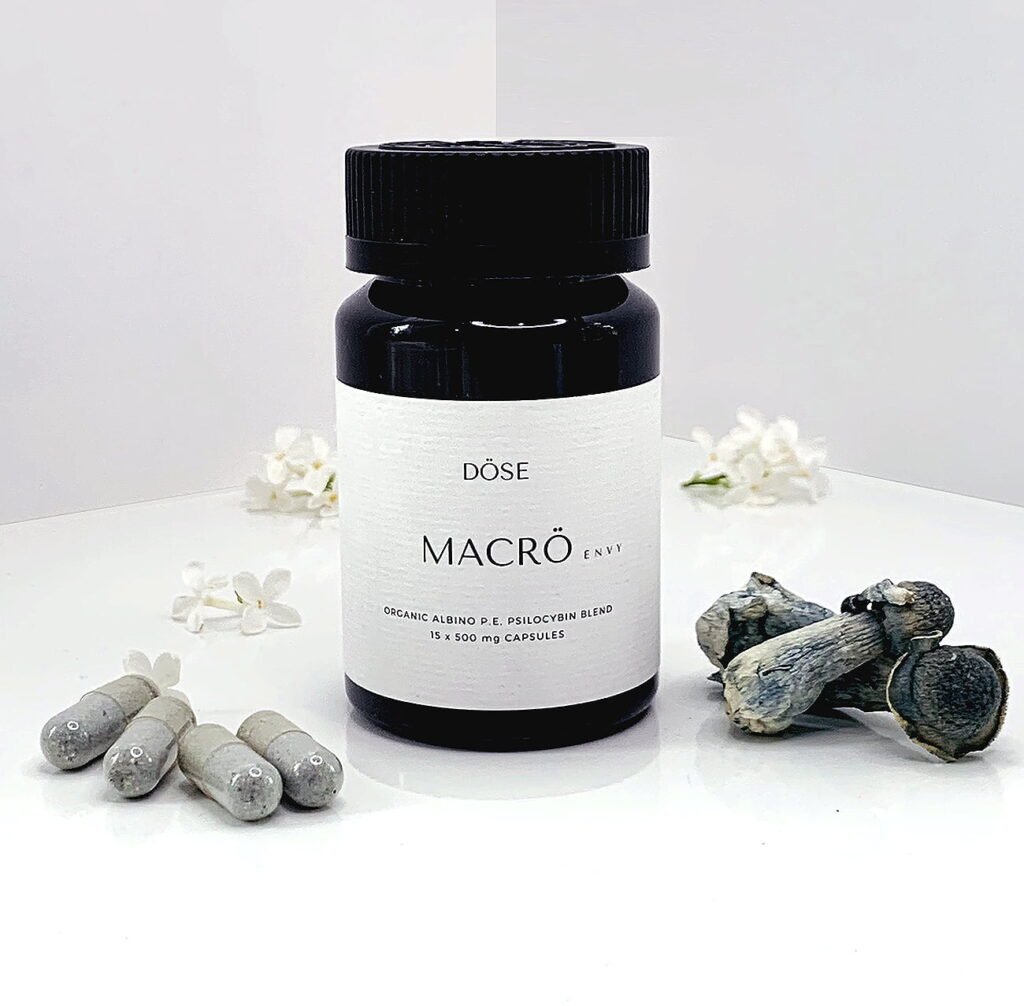
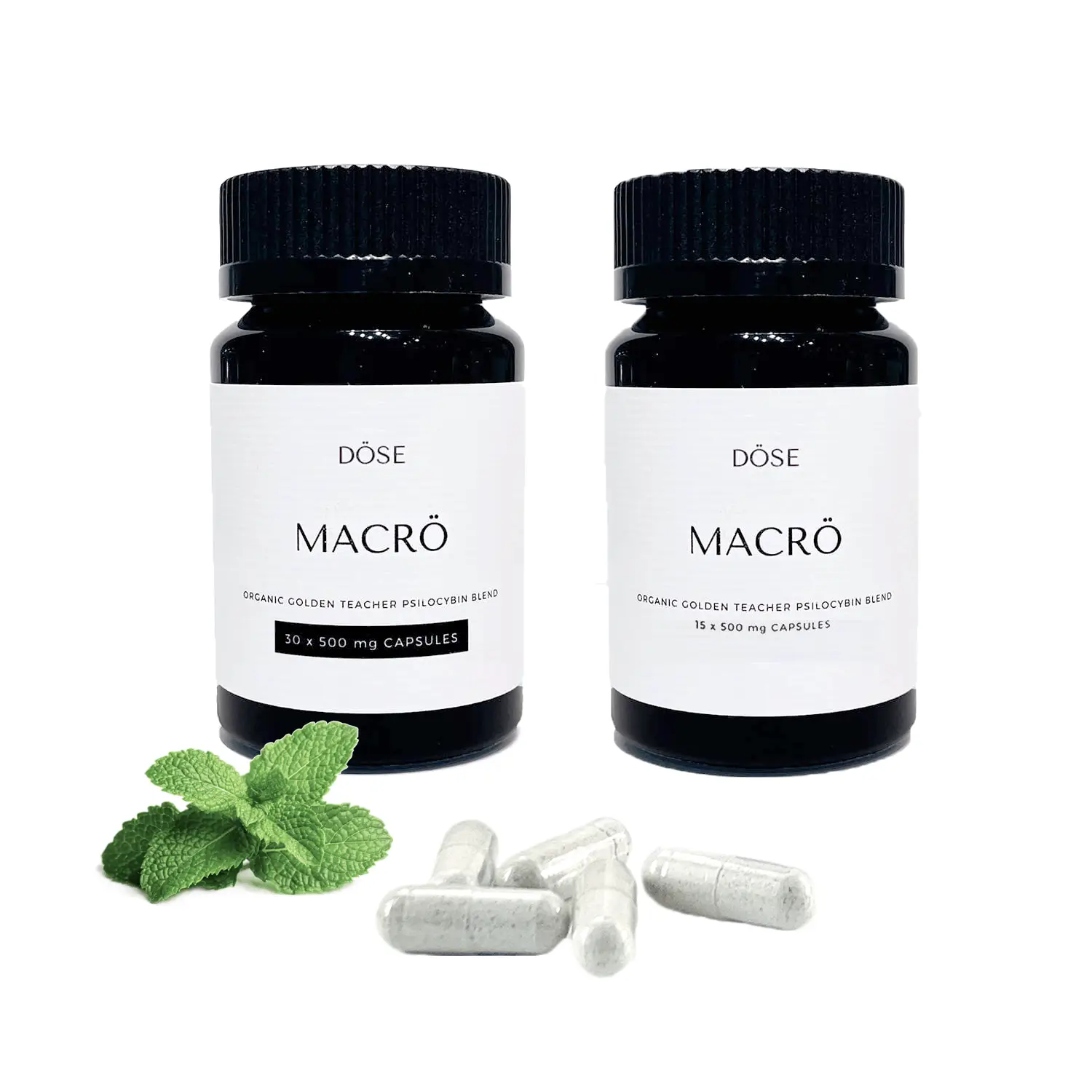
MACRO Macrodose Psilocybin Capsules represent a concentrated form of psilocybin, the psychoactive compound found in certain mushroom species. These capsules deliver higher doses of psilocybin compared to microdosing alternatives, creating profound psychological and perceptual changes that can last several hours. As interest in psychedelic therapies grows, understanding these products becomes increasingly important for researchers, healthcare providers, and individuals exploring alternative wellness approaches.

What Are MACRO Macrodose Psilocybin Capsules and Their Mechanisms of Action

Chemical Composition and Active Ingredients

Macrodose Psilocybin Capsules contain concentrated amounts of psilocybin, typically ranging from 1-3.5 grams of dried mushroom material or equivalent pure psilocybin content. The primary active ingredient, psilocybin, converts to psilocin in the body, which produces the characteristic psychoactive effects. These capsules often include additional compounds naturally present in mushrooms, such as psilocin, baeocystin, and norbaeocystin, which may contribute to the overall experience.

Macrodosing vs. Microdosing: Key Differences

Macrodosing involves consuming significantly higher amounts of psilocybin compared to microdosing protocols. While microdoses typically use 0.1-0.3 grams and aim for sub-perceptual effects, MACRO Macrodose Psilocybin Capsules deliver doses that produce noticeable alterations in consciousness, perception, and cognition. This approach targets therapeutic breakthroughs and profound psychological experiences rather than subtle daily enhancements.

Neurological Interactions and Brain Chemistry

Psilocybin primarily affects serotonin receptors, particularly the 5-HT2A receptor sites throughout the brain. This interaction triggers cascading effects in neural networks, increasing connectivity between brain regions that typically operate independently. The compound enhances neuroplasticity, potentially facilitating new neural pathways and thought patterns that persist beyond the immediate experience.

Legal Framework and Regulatory Environment

Federal Legislation and Psilocybin Classification

Currently, psilocybin remains classified as a Schedule I substance under federal law, making possession, distribution, and use illegal at the national level. The Drug Enforcement Administration maintains strict regulations governing psilocybin research, requiring extensive permits and oversight for legitimate scientific studies.

State-Level Legislative Developments

Several states have initiated decriminalization efforts or therapeutic access programs for psilocybin products. Oregon leads these initiatives with legal psilocybin therapy programs, while cities like Denver, Oakland, and Seattle have decriminalized personal use. These evolving legal landscapes create complex jurisdictional considerations for Macrodose Psilocybin Capsules.

Global Regulatory Perspectives

International approaches to psilocybin regulation vary significantly. Countries like Netherlands, Portugal, and certain regions in Canada have implemented more permissive policies, while others maintain strict prohibition. Research institutions worldwide increasingly receive permissions for clinical studies, suggesting shifting attitudes toward psychedelic medicine.

Effects and User Experiences with Macrodose Capsules

Dose Macro Macrodose Psilocybin Capsules (Https://Psychedelic-Today.com/)

Immediate Psychological and Physical Effects

MACRO Macrodose Psilocybin Capsules produce distinct effects that typically begin 30-90 minutes after consumption. Users commonly report altered visual and auditory perception, enhanced emotional sensitivity, and significant changes in thought patterns. Physical effects may include dilated pupils, changes in heart rate, and altered coordination.

Long-Term Therapeutic Benefits

Research indicates that macrodose experiences can produce lasting improvements in mood, anxiety, and depression symptoms. Many users report sustained changes in perspective, increased empathy, and enhanced creativity weeks or months after single sessions. These persistent benefits distinguish macrodosing from traditional pharmaceutical interventions.

Individual Response Variations

Response to Macrodose Psilocybin Capsules varies considerably based on factors including body weight, previous psychedelic experience, mental state, and environmental setting. Genetic variations in serotonin receptor sensitivity also influence individual responses, making personalized dosing approaches increasingly important.

Safety Protocols and Risk Management

Potential Adverse Reactions and Contraindications

Certain populations face increased risks when using MACRO Macrodose Psilocybin Capsules. Individuals with personal or family histories of psychotic disorders, severe cardiovascular conditions, or certain psychiatric medications should avoid psilocybin use. Pregnant and breastfeeding women also fall into high-risk categories.

Drug Interactions and Medical Considerations

Psilocybin can interact dangerously with specific medications, particularly monoamine oxidase inhibitors (MAOIs), certain antidepressants, and lithium. Healthcare providers must evaluate complete medication profiles before considering psilocybin therapy. Concurrent use of alcohol or other psychoactive substances increases unpredictability and risk.

Evidence-Based Safety Guidelines

Establishing safe environments, having experienced guides present, and implementing thorough screening processes significantly reduce adverse outcomes. Professional therapeutic settings employ structured protocols including preparation sessions, supervised experiences, and integration support to maximize safety and therapeutic benefit.

Clinical Research and Scientific Evidence

Ongoing Clinical Trials and Research Programs

Major medical institutions conduct FDA-approved studies examining Macrodose Psilocybin Capsules for treating depression, PTSD, addiction, and end-of-life anxiety. Companies like Compass Pathways and MAPS sponsor large-scale trials that may lead to prescription psilocybin medications within the coming decade.

Published Research Findings

Peer-reviewed studies consistently demonstrate significant therapeutic benefits for treatment-resistant depression, with some trials showing response rates exceeding 70%. Research from Johns Hopkins, NYU, and Imperial College London provides robust evidence supporting psilocybin’s efficacy for various mental health conditions.

Emerging Treatment Protocols

Researchers develop standardized protocols for MACRO Macrodose Psilocybin Capsules administration, including optimal dosing schedules, preparation requirements, and integration practices. These evidence-based approaches aim to maximize therapeutic outcomes while minimizing risks and adverse reactions.

Macro Macrodose Psilocybin Capsules

Conclusion

MACRO Macrodose Psilocybin Capsules represent a promising frontier in mental health treatment and consciousness research. Understanding their mechanisms, effects, legal status, and safety considerations enables informed decision-making for researchers, healthcare providers, and potential users. As legislation evolves and research expands, these products may transition from experimental treatments to mainstream therapeutic options.


The complex interplay between legal regulations, scientific evidence, and individual experiences creates a rapidly changing landscape for psilocybin products. Staying informed about current research, legal developments, and safety protocols remains essential for anyone interested in Macrodose Psilocybin Capsules.

Frequently Asked Questions About MACRO Macrodose Psilocybin Capsules

How long do effects from macrodose psilocybin capsules persist?

Effects typically begin within 30-60 minutes and continue for 4-8 hours, depending on dosage, individual metabolism, and food consumption. The experience generally peaks between 2-4 hours after ingestion.

Which medical conditions increase risks with macrodose psilocybin?

Individuals with schizophrenia, bipolar disorder, severe anxiety disorders, or cardiovascular conditions face elevated risks. Those taking MAOIs, lithium, or certain psychiatric medications should also avoid psilocybin use.

How do commercial capsules differ from pharmaceutical-grade psilocybin?

Commercial products lack standardized quality control and testing, while pharmaceutical versions undergo rigorous purity, potency, and safety testing. Pharmaceutical preparations ensure consistent dosing and eliminate contamination risks.

Can standard drug tests detect macrodose psilocybin capsules?

Specialized tests can detect psilocybin, but standard workplace drug screenings typically exclude psychedelics. Detection windows vary by test type, with urine tests detecting psilocybin for 1-3 days after use.

What steps should someone take during difficult psilocybin experiences?

Remain in safe environments with trusted companions, practice deep breathing techniques, remember effects are temporary, and seek immediate medical attention for severe physical symptoms or persistent psychological distress.


MACRO Macrodose Psilocybin Capsules | MACRO Macrodose Psilocybin Capsules | MACRO Macrodose Psilocybin Capsules | MACRO Macrodose Psilocybin Capsules