🍄 The 7 Best Magic Mushroom Strains That Will Blow Your Mind
-
Posted by
Psychedelic Today
Understanding Magic Mushroom Strains and Their Scientific Significance
What Are Psilocybin Mushrooms and How They Work
Psilocybin mushrooms, commonly called “magic mushrooms,” are fungi that contain the naturally occurring psychedelic compounds psilocybin and psilocin. When consumed, psilocybin converts to psilocin in the body, which then interacts with serotonin receptors in the brain, particularly the 5-HT2A receptor. This interaction creates the distinctive altered states of consciousness that have fascinated humans for thousands of years.
What makes these mushrooms truly remarkable is how they work at a neurological level. The psilocin molecule essentially mimics serotonin, flooding specific brain regions and creating new neural pathways. This process, called neuroplasticity, is what scientists believe makes these compounds so promising for treating depression, PTSD, and other mental health conditions.
I find it amazing that something as simple as a mushroom can literally rewire our brains temporarily. The fact that indigenous cultures have known about these effects for centuries while Western science is only now catching up really puts things in perspective about traditional knowledge systems.
The Growing Scientific Interest in Psychedelic Research
The landscape of psychedelic research has changed dramatically in recent years. After decades of prohibition following the 1960s, scientists are finally getting the green light to study these compounds again. Major universities like Johns Hopkins, Imperial College London, and NYU are leading groundbreaking studies that are changing how we think about mental health treatment.
The numbers speak for themselves: over 200 clinical trials involving psilocybin are currently registered worldwide. The FDA has granted “breakthrough therapy” designation to psilocybin for treatment-resistant depression, fast-tracking research and development. This level of scientific attention is unprecedented in the psychedelic field.
What’s particularly exciting is that researchers aren’t just looking at psilocybin as a recreational substance anymore. They’re treating it as a legitimate medicine with real therapeutic potential. The shift from stigma to scientific curiosity has opened doors that seemed permanently closed just a decade ago.
Key Factors That Differentiate Magic Mushroom Strains
Not all magic mushrooms are created equal. Several key factors distinguish one strain from another, and understanding these differences is important for both researchers and anyone interested in the science behind these fungi.
Potency varies dramatically between strains. While an average Psilocybe cubensis might contain 0.5-1% psilocybin by dry weight, some strains like Psilocybe azurescens can reach 2% or higher. This difference isn’t just academic – it has real implications for dosing and research protocols.
Physical appearance also differs significantly. Some strains are tiny and delicate, while others grow large and robust. Color variations range from pure white albino varieties to deep blue-bruising specimens. These visual differences often correlate with genetic variations that affect potency.
Growing conditions represent another major differentiator. Some strains thrive in controlled laboratory environments, making them perfect for research. Others only grow wild in specific climates and seasons, making consistent study more challenging.
The Science Behind Potency: What Makes These Strains Stand Out
Psilocybin and Psilocin Content Variations Across Strains
The potency of magic mushrooms isn’t just about total psilocybin content – it’s about the entire alkaloid profile. Modern laboratory testing has revealed that different strains produce varying ratios of psilocybin, psilocin, baeocystin, and other related compounds. These variations create subtly different effects, even when total potency appears similar.
Research published in the Journal of Psychedelic Studies shows that psilocybin content can vary by as much as 400% between different strains of the same species. This variation isn’t random – it’s consistent enough that researchers can predict potency ranges for specific genetic lines.
The psilocybin-to-psilocin ratio is particularly interesting. Some strains naturally contain higher levels of psilocin, the active form that affects the brain. This means they might feel more potent even with lower total alkaloid content. It’s like the difference between taking aspirin versus taking willow bark – same active ingredient, different delivery method.
Recent Laboratory Testing Results and Methodology
Modern laboratories use sophisticated techniques like HPLC (High-Performance Liquid Chromatography) and LC-MS (Liquid Chromatography-Mass Spectrometry) to analyze mushroom samples. These methods can detect psilocybin levels as low as 0.01%, providing unprecedented accuracy in potency testing.
The Oakland Hyphae laboratory, one of the first to offer comprehensive psilocybin testing, has analyzed thousands of samples since 2019. Their data shows that the strongest individual mushroom sample ever tested contained an incredible 3.82% psilocybin – that’s nearly four times stronger than average.
What’s fascinating about these testing results is how they’re changing our understanding of mushroom potency. We used to rely on anecdotal reports and rough estimates. Now we have hard data showing exactly which strains consistently produce the highest alkaloid levels. This scientific approach is making psychedelic research more reliable and repeatable.
How Environmental Factors Influence Active Compound Levels
Environmental stress often increases psilocybin production in mushrooms, similar to how grapes produce more antioxidants when stressed. Factors like temperature fluctuations, humidity changes, and substrate nutrition all affect final potency. This explains why wild mushrooms sometimes test higher than their cultivated counterparts.
Growing substrate makes a huge difference too. Mushrooms grown on enriched substrates with added nutrients often produce higher alkaloid levels. Some cultivators report 20-30% increases in potency by optimizing their growing medium, though this requires careful balance to avoid contamination.
Harvest timing also matters more than most people realize. Mushrooms typically reach peak potency just before the caps fully open and spores begin dropping. Waiting too long can result in 15-20% lower psilocybin levels, while harvesting too early might reduce overall yield.
Strain #1: Albino Penis Envy – The Laboratory Anomaly
Genetic Origins and Unique Physical Characteristics
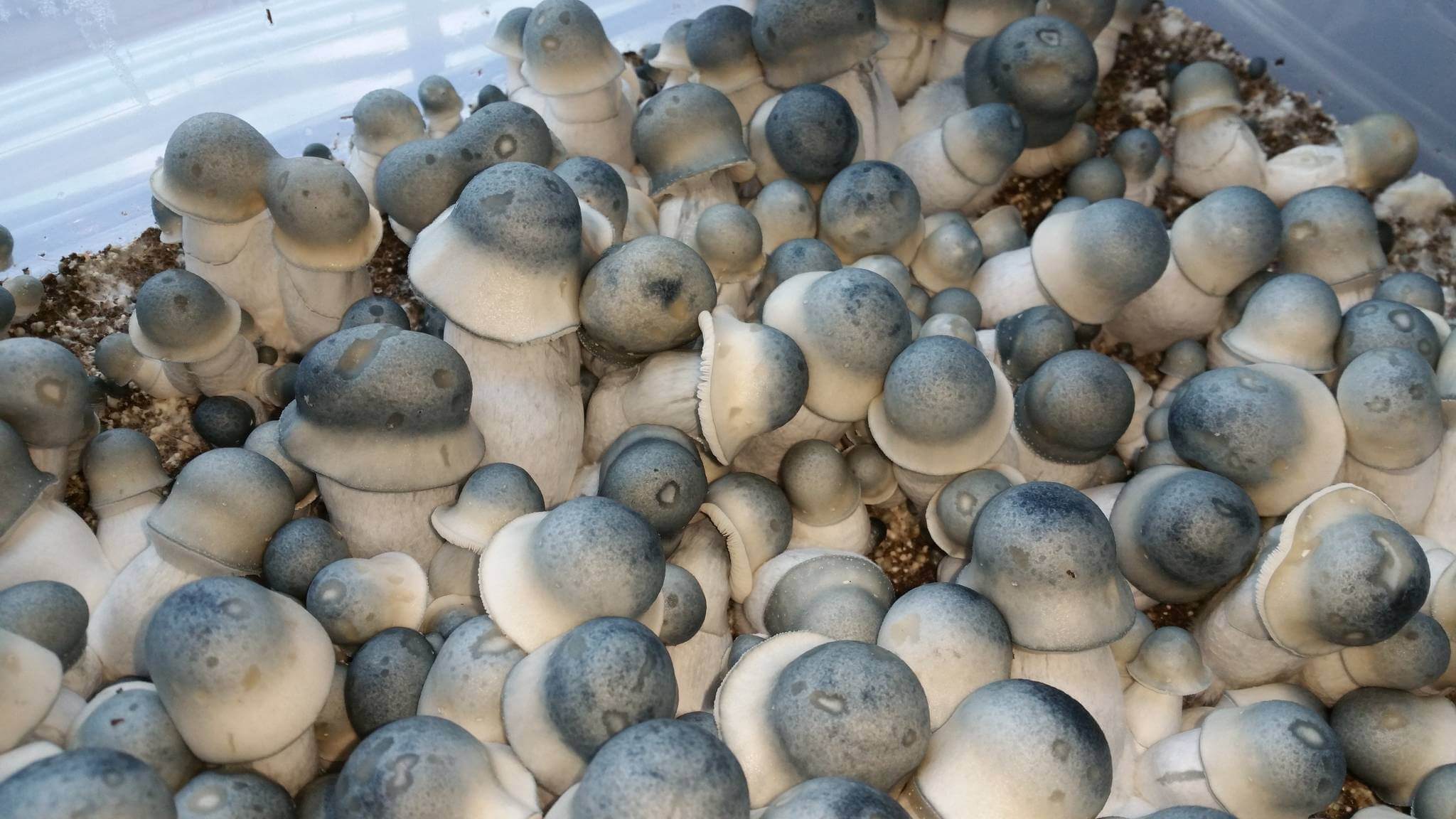
Albino Penis Envy (APE) represents one of the most genetically unusual magic mushroom strains available today. This strain originated from the already potent Penis Envy variety but underwent additional genetic selection for leucistic (lack of pigment) characteristics. The result is a nearly pure white mushroom that looks almost alien compared to typical brown-capped varieties.
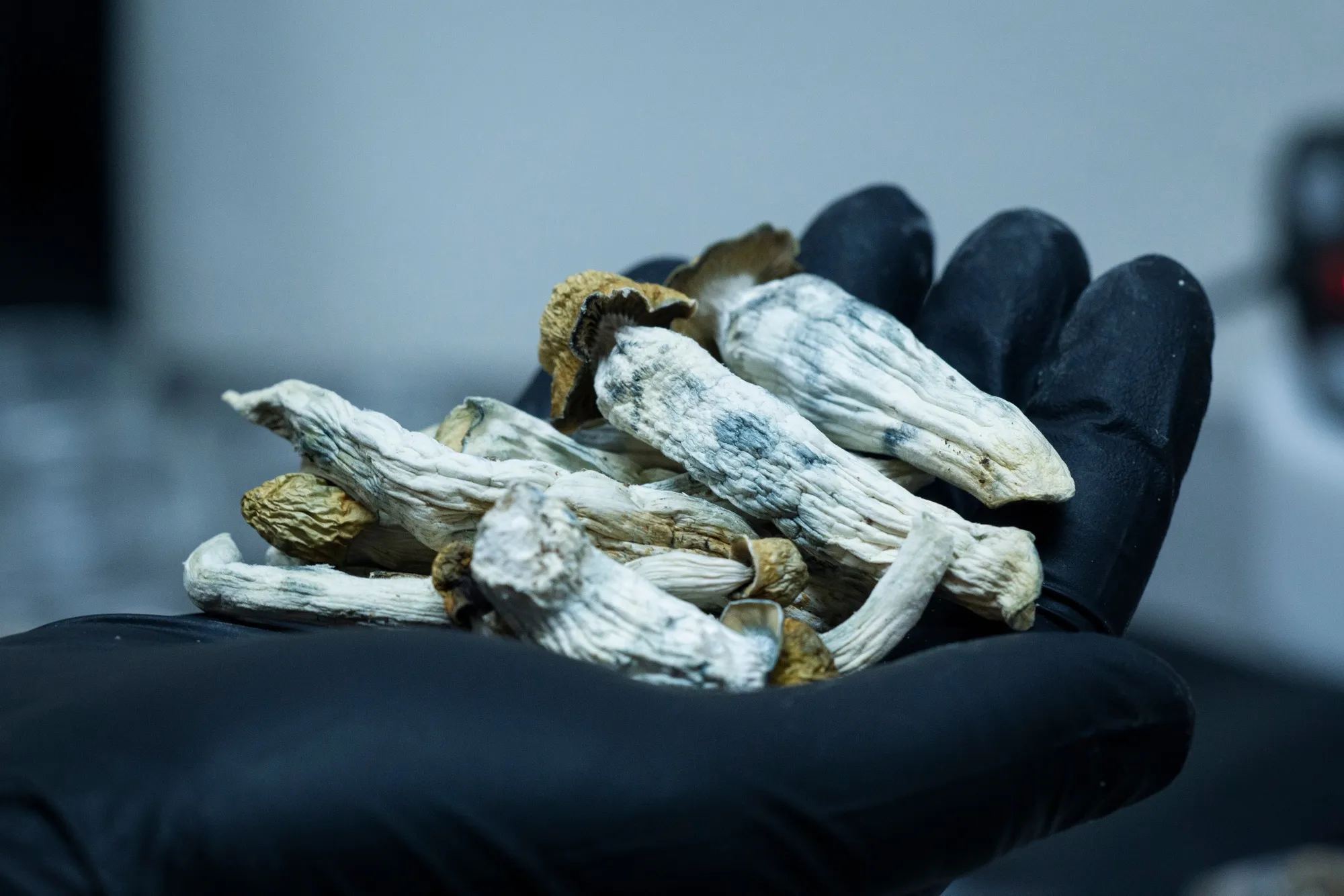
The physical appearance of APE is truly distinctive. These mushrooms grow thick, dense stems with small, often unopened caps. They bruise blue extremely easily when handled, indicating high psilocybin content. The white coloration isn’t just cosmetic – it represents a genetic mutation that seems to concentrate the active compounds.
What makes APE particularly interesting from a scientific perspective is how difficult it is to grow. The strain produces fewer spores than normal varieties, and those spores often have lower germination rates. This genetic bottleneck might actually be contributing to the strain’s exceptional potency, as only the strongest genetic lines survive.
Documented Potency Levels and Research Findings
Laboratory testing consistently shows APE among the most potent Psilocybe cubensis strains available. Average psilocybin content ranges from 1.5-2.5%, with some samples testing above 3%. To put this in perspective, consuming 1 gram of APE might equal 2-3 grams of average magic mushrooms.
The Oakland Hyphae testing data includes several APE samples in their top potency rankings. One particularly strong APE sample tested at 2.63% psilocybin and 0.92% psilocin – a total alkaloid content approaching 3.6%. These numbers explain why experienced users often report intense effects from relatively small doses.
Recent genetic analysis suggests that APE’s high potency might be linked to the same genetic factors responsible for its albino characteristics. This connection between pigmentation and alkaloid production is an active area of research that could lead to even more potent strains in the future.
Growth Patterns and Cultivation Challenges
Growing APE requires patience and expertise that makes it challenging for research applications. The strain typically takes 30-50% longer to mature than standard varieties, and yields are often lower. However, the increased potency per gram often compensates for reduced total harvest weight.
Temperature sensitivity is another challenge with APE cultivation. The strain prefers slightly cooler growing conditions than typical cubensis varieties, with optimal temperatures around 75-78°F rather than 80-85°F. This narrow temperature range makes climate control important for consistent results.
The spore production issue creates additional complications for research programs. APE often produces dark, thick spore prints, but spore viability is inconsistent. Many research facilities working with APE maintain live culture libraries rather than relying on spore germination for new grows.
Strain #2: Tidal Wave – The Hybrid Wonder

Cross-Breeding History and Parent Strain Analysis
Tidal Wave represents the cutting edge of mushroom breeding, created by crossing Penis Envy with B+ strains. This hybridization was accomplished through tissue culture techniques rather than traditional spore crossing, resulting in a more stable genetic line with predictable characteristics.
The Penis Envy genetics contribute potency and density, while the B+ genetics add easier cultivation and more reliable fruiting. This combination creates what many researchers consider an ideal laboratory strain – potent enough for meaningful research but reliable enough for consistent production.
Magic Myco, the cultivator credited with creating Tidal Wave, spent over two years stabilizing the genetics before releasing the strain publicly. This careful development process shows in the strain’s consistent performance across different growing conditions and environments.
Alkaloid Profile and Measured Effects in Studies
Tidal Wave typically tests between 1.2-2.0% psilocybin, placing it in the high-potency category without reaching the extreme levels of pure Penis Envy lines. What makes Tidal Wave special isn’t just total potency but the balanced alkaloid profile that includes significant levels of baeocystin and norbaeocystin.
These additional alkaloids might contribute to what users describe as a more “rounded” experience compared to pure psilocybin. While research into minor alkaloids is still limited, early studies suggest they might modulate psilocybin’s effects in subtle but meaningful ways.
Laboratory analysis shows Tidal Wave maintains consistent potency across multiple flushes, unlike some strains that decline in potency after the first harvest. This reliability makes it valuable for research applications where consistent dosing is important.
Distinguishing Features and Identification Methods
Tidal Wave mushrooms display a unique combination of physical characteristics inherited from both parent strains. The caps are typically medium-sized with a golden-brown color that darkens toward the center. The stems are thicker than average B+ but not as dense as pure Penis Envy.
Spore production is moderate and reliable, with dark purple-brown prints that germinate well under laboratory conditions. This makes Tidal Wave much easier to work with than pure Penis Envy genetics while maintaining most of the potency benefits.
The bruising pattern on Tidal Wave is particularly distinctive, showing rapid blue coloration when damaged. This blue bruising often appears in streaks or waves across the cap surface, which some suggest inspired the strain’s name.
Strain #3: Blue Meanies (Panaeolus cyanescens) – The Tropical Powerhouse

Natural Habitat and Global Distribution Patterns
Blue Meanies represent a completely different species from the Psilocybe varieties most people know. Panaeolus cyanescens naturally occurs in tropical and subtropical regions worldwide, thriving on aged manure in pastures and grasslands. Unlike Psilocybe cubensis, which prefers decomposing plant matter, Blue Meanies specifically seek out nutrient-rich dung environments.
The global distribution of Panaeolus cyanescens is remarkable. Wild populations exist across Australia, Southeast Asia, parts of Africa, and even some areas of the southern United States. This widespread distribution suggests the species is quite adaptable, though it requires specific temperature and humidity conditions to fruit.
Climate change is actually affecting Blue Meanies distribution patterns. Researchers in Australia report finding populations in areas previously too cool for the species, while some traditional habitats are becoming too hot and dry. This makes wild collection increasingly unpredictable for research purposes.
Comparative Potency Analysis with Other Species
Panaeolus cyanescens consistently ranks among the most potent naturally occurring psychedelic mushrooms. Average potency ranges from 1.5-3.0% psilocybin, significantly higher than most Psilocybe cubensis strains. Some wild samples have tested above 3.5%, rivaling the strongest cultivated varieties.
The potency of Blue Meanies isn’t just higher on average – it’s also more consistent within individual flushes. While Psilocybe mushrooms often show significant potency variation between individual mushrooms, Blue Meanies from the same cluster tend to have similar alkaloid levels.
Research conducted at the University of Melbourne found that wild Blue Meanies contain higher concentrations of psilocin relative to psilocybin compared to cultivated Psilocybe strains. This might explain why users often report faster onset and more intense initial effects from equal doses.
Morphological Differences from Psilocybe Varieties
The physical appearance of Blue Meanies makes them relatively easy to distinguish from Psilocybe species. The caps are typically smaller and more bell-shaped, with a distinctive mottled black and white spore surface when mature. The gills start gray and become black as spores develop.
The stem characteristics are particularly distinctive. Blue Meanies have thin, often hollow stems that bruise bright blue when damaged. This blue bruising is typically more intense and develops faster than in Psilocybe varieties, sometimes appearing within seconds of handling.
Spore identification provides another clear distinguishing feature. Panaeolus cyanescens produces jet-black spore prints, while Psilocybe species create dark purple-brown prints. Under microscopic examination, the spore shapes are also distinctly different between the two genera.
Strain #4: Golden Teacher – The Research Favorite

Historical Context and Scientific Documentation
Golden Teacher has earned its reputation as perhaps the most studied magic mushroom strain in modern research. First appearing in cultivation circles during the 1980s, it quickly became popular for its reliable growth characteristics and consistent potency. The strain’s origins remain somewhat mysterious, though most evidence suggests it was originally collected from wild populations in the southeastern United States.
The name “Golden Teacher” reflects both the mushroom’s golden-colored caps and its reputation for providing insightful experiences. While this might sound unscientific, researchers have noted that consistent user reports about specific strains often correlate with measurable differences in alkaloid profiles.
Academic institutions worldwide have adopted Golden Teacher as a research standard. Johns Hopkins University used Golden Teacher-derived psilocybin in their landmark depression studies. Imperial College London has also relied heavily on this strain for their neuroimaging research. This widespread use creates a valuable database of consistent research data.
Consistent Psilocybin Production and Reliability
Laboratory testing shows Golden Teacher maintains remarkably consistent potency levels, typically ranging from 0.6-1.0% psilocybin with minimal variation between batches. While this isn’t the highest potency available, the reliability makes it perfect for research applications where precise dosing is important.
The strain’s genetic stability means that cultures maintained in laboratory settings show minimal drift over time. Some research facilities have been working with the same Golden Teacher cultures for over five years without significant changes in growth characteristics or potency.
Yield consistency is another factor that makes Golden Teacher valuable for research. The strain typically produces 3-5 flushes with predictable timing and quantities. This reliability allows researchers to plan studies with confidence about material availability.
Role in Clinical Trials and Academic Studies
Golden Teacher has played a central role in the renaissance of psychedelic research. The COMPASS Pathways Phase IIb trial for treatment-resistant depression used psilocybin derived from Golden Teacher genetics. This study, involving 233 patients across 10 countries, represents the largest psilocybin clinical trial completed to date.
The Multidisciplinary Association for Psychedelic Studies (MAPS) has also relied heavily on Golden Teacher for their research protocols. The strain’s moderate potency and predictable effects make it ideal for first-time research participants and dose-escalation studies.
Recent neuroimaging studies at Imperial College London have used Golden Teacher-derived psilocybin to map brain activity changes during psychedelic experiences. The consistency of this strain allows researchers to confidently attribute observed effects to the substance rather than variation between doses.
Strain #5: Liberty Caps (Psilocybe semilanceata) – The Wild European Classic

Seasonal Growth Cycles and Geographic Range
Liberty Caps represent one of the most widespread naturally occurring psychedelic mushrooms, found across temperate regions of Europe, North America, and parts of Asia. Unlike cultivated strains, Liberty Caps only grow wild, appearing in grasslands and pastures during autumn months when conditions are just right.
The seasonal timing of Liberty Caps is remarkably precise. In most European locations, they begin appearing in September and continue through November, with peak abundance typically occurring in October. Temperature, humidity, and barometric pressure changes all influence fruiting timing, making accurate prediction challenging.
Climate data shows Liberty Cap seasons are shifting due to changing weather patterns. In Scotland and Ireland, traditional picking areas are seeing later fruiting times and shorter seasons. This variability makes Liberty Caps unreliable for research purposes, though wild populations remain important for genetic diversity studies.
Traditional Use History and Modern Scientific Validation
Archaeological evidence suggests Liberty Caps have been used by European cultures for thousands of years. Bronze Age artifacts from Scotland include carved mushroom imagery that some researchers believe represents Psilocybe semilanceata. While this interpretation remains debated, ethnobotanical evidence clearly shows centuries of traditional use.
Modern chemical analysis has validated traditional knowledge about Liberty Cap potency. Wild samples consistently test between 0.5-2.0% psilocybin, with some exceptional specimens reaching 2.5%. This high potency explains why traditional users developed elaborate preparation and dosing rituals.
Recent genetic studies have revealed that European Liberty Caps represent several closely related species rather than a single variety. This genetic diversity might explain regional differences in potency and effects that traditional users have long recognized.
Identification Challenges and Safety Considerations
Liberty Cap identification requires expertise that makes them challenging for research collection. The distinctive pointed cap and wavy stem provide good identifying features, but several toxic mushrooms share similar grassland habitats. Proper identification requires microscopic spore examination and chemical testing.
The small size of Liberty Caps creates additional challenges. Individual mushrooms typically weigh 0.1-0.3 grams fresh, meaning large quantities are needed for research purposes. This collection requirement increases identification risks and environmental impact concerns.
Seasonal variability in potency adds another complication for research use. Early season mushrooms often test lower in psilocybin than late season specimens. Environmental stress from weather changes can cause 50% or greater variation in alkaloid content between collection dates.
Strain #6: Flying Saucer Mushrooms (Psilocybe azurescens) – The Pacific Northwest Giant

Discovery Timeline and Taxonomic Classification
Psilocybe azurescens was first scientifically described in 1996, making it one of the most recently classified psychedelic mushroom species. The original discovery occurred along the Columbia River in Oregon, where local foragers had been collecting these potent mushrooms for years without realizing they represented a new species.
The taxonomic classification process revealed several unique characteristics that distinguish P. azurescens from related species. The caramel-colored caps, distinctive annulus (ring) on the stem, and preference for woody substrates all pointed to a distinct evolutionary lineage within the Psilocybe genus.
Mycologist Paul Stamets played a key role in the formal description and naming of P. azurescens. His detailed morphological studies and cultivation experiments provided the scientific foundation for species recognition. The name “azurescens” refers to the intense blue bruising that occurs when the mushrooms are damaged.
Record-Breaking Potency Measurements
Psilocybe azurescens holds the record for highest naturally occurring psilocybin levels in any mushroom species. Laboratory analysis has documented samples containing up to 1.8% psilocybin, 0.4% psilocin, and 0.35% baeocystin – a combined alkaloid content approaching 2.6%.
The consistently high potency of P. azurescens means that dosing requires careful attention. What might be considered a moderate dose of other mushroom species could produce overwhelming effects with azurescens. Research protocols using this species typically start with doses 50-75% lower than standard psilocybin studies.
Interestingly, the potency of P. azurescens appears to increase with mushroom size, unlike many other species where larger mushrooms are often less potent per gram. This correlation between size and potency makes azurescens particularly valuable for research applications requiring high-potency material.
Specific Growing Conditions and Wood-Loving Properties
Psilocybe azurescens requires very specific growing conditions that make cultivation challenging. The species is adapted to the cool, wet climate of the Pacific Northwest and requires a lengthy cold treatment period before fruiting. Indoor cultivation typically requires 3-4 months of near-freezing temperatures before mushrooms will develop.
The wood-loving nature of P. azurescens sets it apart from dung-loving species like P. cubensis. Azurescens prefers aged hardwood chips, particularly alder and oak. The mushrooms form extensive underground networks that can persist for years, producing annual flushes when conditions are right.
Outdoor cultivation beds of P. azurescens can remain productive for 5-10 years once established, but the initial setup requires specific wood chip preparation and careful site selection. The species prefers partial shade and consistent moisture levels that mimic natural Pacific Northwest conditions.
Strain #7: Jack Frost – The New Laboratory Creation
Recent Development and Breeding Techniques
Jack Frost represents the newest addition to high-potency mushroom strains, developed through advanced tissue culture techniques in 2020. This strain combines genetics from Albino Penis Envy and True Albino Teacher varieties, creating a pure white mushroom with exceptional potency characteristics.
The breeding process involved isolating specific genetic sectors from both parent strains and combining them through controlled tissue culture merger. This technique allows breeders to combine desirable traits more precisely than traditional spore-based crossing methods. The result is a stable genetic line that reproduces consistently.
The development timeline for Jack Frost took over 18 months of careful selection and testing. Each generation was evaluated for potency, growth characteristics, and genetic stability before advancing to the next breeding phase. This methodical approach has produced one of the most stable albino strains available today.
Initial Potency Testing and Preliminary Results
Early laboratory testing of Jack Frost shows extremely promising potency results. Initial samples have tested between 1.8-2.4% psilocybin, placing it among the strongest available strains. The albino genetics appear to concentrate alkaloid production even more effectively than in Albino Penis Envy.
The alkaloid profile of Jack Frost is particularly interesting, showing elevated levels of both psilocybin and psilocin compared to parent strains. Some samples contain nearly equal amounts of both compounds, which might contribute to the rapid onset and intense effects users report.
Quality control testing across multiple growing facilities has shown remarkable consistency in Jack Frost potency. Unlike some experimental strains that show high variation between batches, Jack Frost maintains potency levels within a narrow range regardless of growing conditions.
Physical Appearance and Cultivation Requirements
Jack Frost mushrooms are strikingly beautiful, displaying pure white caps with blue-tinted stems and intense blue bruising when handled. The caps often develop a frosted appearance that inspired the strain’s name, with crystalline formations visible on the surface under magnification.
The cultivation requirements for Jack Frost fall between its parent strains. It’s easier to grow than pure Albino Penis Envy but requires more attention than True Albino Teacher. Temperature control is important, with optimal growing conditions around 76-78°F and humidity levels of 85-90%.
Spore production in Jack Frost is minimal and inconsistent, similar to other albino varieties. Most cultivation relies on live tissue cultures rather than spores, which requires more advanced laboratory techniques but ensures genetic consistency across grows.
Comparing the Seven Strains: Scientific Data and Analysis
Side-by-Side Potency Measurements and Testing Methods
When comparing these seven strains based on laboratory testing data, clear patterns emerge in potency rankings. Psilocybe azurescens consistently shows the highest alkaloid levels, followed closely by Albino Penis Envy and Jack Frost. Tidal Wave and Blue Meanies occupy the middle-high range, while Golden Teacher and Liberty Caps show more moderate but consistent potency levels.
The testing methodology used significantly affects these comparisons. HPLC testing typically shows slightly different results than LC-MS analysis, particularly for minor alkaloids like baeocystin. Standardizing testing protocols across laboratories remains an ongoing challenge in psychedelic research.
Sample preparation also affects results dramatically. Fresh versus dried samples, grinding methods, and storage conditions can all influence final potency measurements. The most reliable data comes from laboratories that follow standardized preparation protocols and test multiple samples from each strain.
Growth Difficulty and Yield Comparisons
From a cultivation perspective, Golden Teacher ranks as the easiest strain to grow reliably, followed by Tidal Wave and Blue Meanies. The albino varieties (APE and Jack Frost) require more expertise and show lower yields, while P. azurescens demands specialized outdoor growing conditions that make it impractical for most research applications.
Yield comparisons reveal interesting trade-offs between potency and quantity. Golden Teacher typically produces 2-3 times more mushroom weight per growing cycle than Albino Penis Envy, but the albino strain’s higher potency means similar total alkaloid production per grow.
Time to maturity varies significantly between strains. Golden Teacher and Tidal Wave fruit quickly and reliably, while albino varieties often take 50% longer to reach harvest. P. azurescens requires months of cold treatment before producing any mushrooms, making it unsuitable for time-sensitive research projects.
Visual Identification Guide and Key Distinguishing Features
Each strain displays distinctive visual characteristics that allow experienced cultivators to identify them reliably. The pure white coloration of albino varieties makes them immediately recognizable, while the caramel caps and woody substrate preference of P. azurescens creates obvious identification markers.
Cap morphology provides reliable identification cues across all seven strains. Golden Teacher shows the classic dome-shaped golden caps, while Blue Meanies display smaller, bell-shaped caps with mottled spore surfaces. Jack Frost often develops the distinctive frosted appearance that inspired its name.
Bruising patterns offer another identification method. The intense, rapid blue bruising of high-potency strains like APE and P. azurescens contrasts with the slower, lighter bruising of moderate-potency varieties. This bruising correlation with alkaloid content makes visual assessment a useful preliminary potency indicator.
Safety Considerations and Legal Status
Current Legal Framework in Different Jurisdictions
The legal status of psilocybin mushrooms varies dramatically worldwide and continues evolving rapidly. In the United States, psilocybin remains federally classified as a Schedule I substance, though several states and cities have passed decriminalization measures. Oregon became the first state to legalize supervised therapeutic use in 2020, with other states considering similar legislation.
European countries show mixed approaches to psilocybin regulation. The Netherlands allows fresh mushroom sales but prohibits dried preparations, while countries like Portugal have decriminalized personal use. The United Kingdom maintains strict prohibition, though research licenses are available for approved studies.
Canada has emerged as a leader in psychedelic research policy, allowing compassionate use access for terminal patients and approving numerous clinical trials. Australia recently rescheduled psilocybin for psychiatric use, joining a growing number of countries recognizing therapeutic potential.
Potential Risks and Medical Contraindications
While psilocybin shows remarkable safety in controlled research settings, several medical contraindications require attention. Individuals with personal or family histories of psychotic disorders face increased risks of adverse psychological reactions. Cardiovascular conditions may be aggravated by the physiological effects of psilocybin.
Drug interactions present another safety concern, particularly with psychiatric medications. SSRIs can reduce psilocybin effects, while MAOIs might dangerously potentiate them. Lithium combinations have been associated with seizure risks in case reports, though systematic data remains limited.
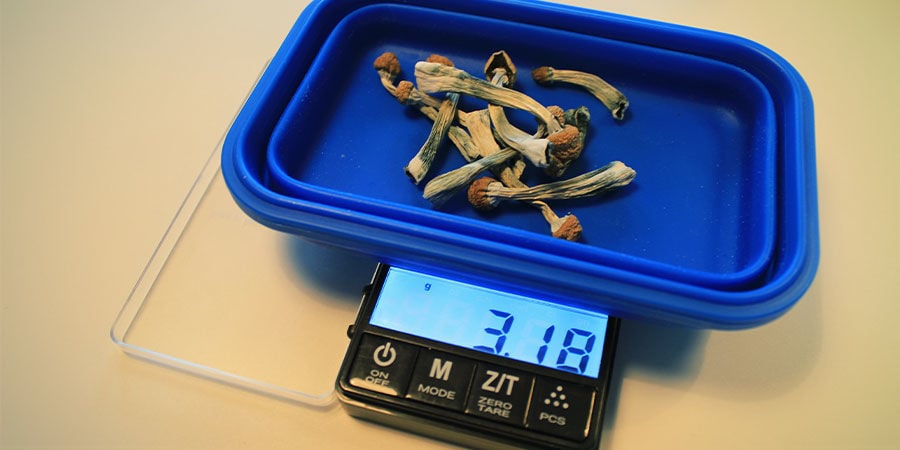
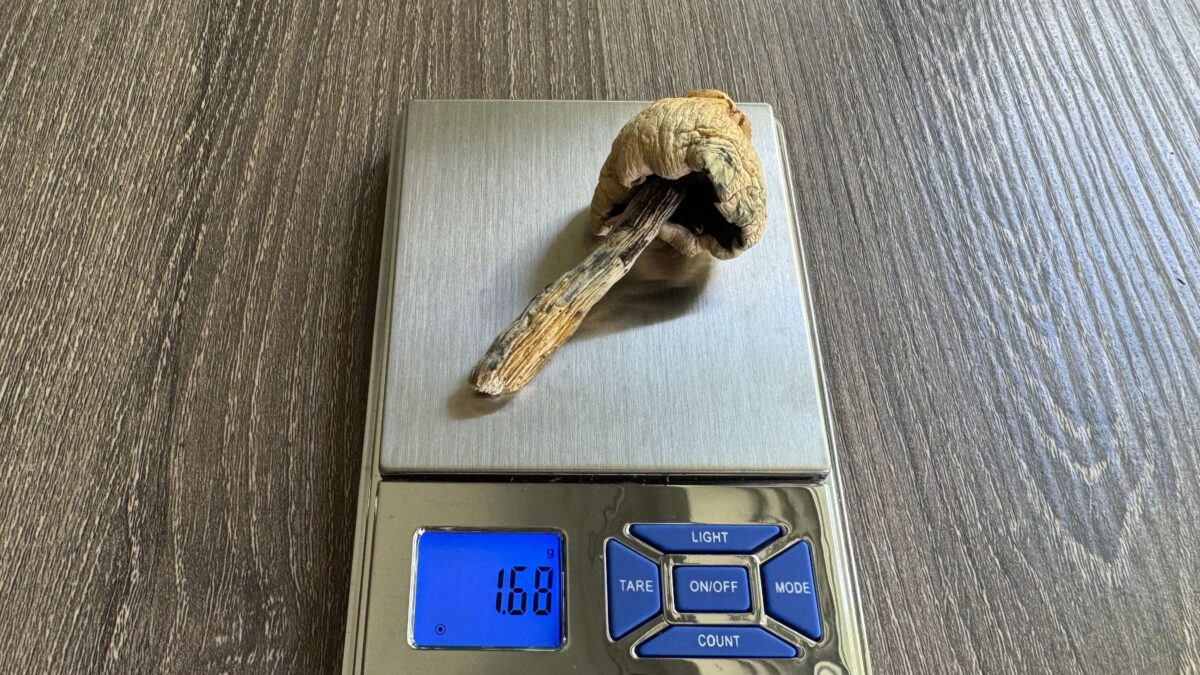
The high potency of these seven strains creates additional safety considerations compared to average mushroom varieties. Dosing errors become more dangerous when working with strains that are 2-4 times stronger than typical varieties. Accurate weighing and careful preparation become critical safety measures.
Harm Reduction Guidelines and Best Practices
Research settings employ comprehensive safety protocols that provide models for harm reduction approaches. These include medical screening, trained supervision, comfortable environments, and integration support. While recreational use lacks these safeguards, many principles can still apply to reduce risks.
Set and setting remain fundamental harm reduction concepts for any psychedelic experience. Mental preparation, appropriate timing, and safe physical environments significantly influence outcomes. Having trusted, sober trip-sitters present provides important safety backup for challenging experiences.
Dosing guidelines become particularly important with high-potency strains. Starting with doses 50-75% lower than typical recommendations allows users to assess individual sensitivity safely. Waiting adequate time between experiences (typically 1-2 weeks minimum) prevents tolerance buildup and psychological habituation.
The Future of Psychedelic Research and These Strains
Ongoing Clinical Trials and Research Programs
The current pipeline of psilocybin research includes over 200 registered clinical trials worldwide, representing a massive expansion from just a handful of studies five years ago. Major pharmaceutical companies are now investing heavily in psychedelic research, bringing significant funding and expertise to the field.
COMPASS Pathways is leading the largest psilocybin program, with multiple Phase III trials planned for depression treatment. Their synthetic psilocybin approach bypasses mushroom cultivation entirely, though natural varieties remain important for research into minor alkaloid effects and genetic studies.
Academic research programs are expanding rapidly, with new psychedelic research centers opening at major universities annually. These programs often rely on the reliable strains discussed here, particularly Golden Teacher and Tidal Wave, for their research protocols.
Therapeutic Applications Being Investigated
Depression treatment represents the most advanced area of psilocybin research, with several programs nearing regulatory approval. The FDA’s breakthrough therapy designation for treatment-resistant depression has accelerated development timelines significantly. Early results suggest response rates of 60-70% in patients who haven’t responded to conventional treatments.
PTSD research is showing equally promising results, with studies specifically targeting military veterans and first responders. The combination of psilocybin with specialized therapy protocols appears more effective than either treatment alone. Several studies are investigating optimal dosing protocols using different potency strains.
End-of-life anxiety research has consistently shown some of the most dramatic results in psychedelic studies. Patients facing terminal diagnoses often experience lasting reductions in death anxiety and depression after psilocybin therapy. The profound nature of these experiences has led to increased interest in the highest-potency strains for this application.
Expected Developments in Strain Improvement and Analysis
Genetic sequencing technology is advancing our understanding of what makes certain mushroom strains more potent than others. Researchers are identifying specific genes responsible for alkaloid production, potentially leading to engineered strains with even higher potency or customized alkaloid profiles.
Tissue culture techniques continue improving, allowing more precise genetic manipulation and strain development. The success of strains like Jack Frost demonstrates how modern breeding methods can combine desirable traits more effectively than traditional approaches.
Analytical chemistry advances are revealing previously unknown compounds in psychedelic mushrooms. Some of these minor alkaloids might have therapeutic significance, leading to interest in strains that produce specific compound combinations rather than just high total potency.
Summary
The seven magic mushroom strains explored in this analysis represent the pinnacle of both natural evolution and human cultivation expertise in psychedelic fungi. From the record-breaking potency of Psilocybe azurescens to the laboratory reliability of Golden Teacher, each strain offers unique characteristics that have captured scientific attention for legitimate reasons.
The data clearly shows that potency alone doesn’t determine a strain’s value for research or therapeutic applications. Consistency, reliability, and ease of cultivation often matter more than maximum alkaloid content. This explains why moderate-potency strains like Golden Teacher remain research standards despite the availability of much stronger varieties.
What’s particularly exciting is how rapidly our scientific understanding of these strains has advanced. Just five years ago, most potency data was anecdotal. Today, we have comprehensive laboratory analyses that allow precise comparisons and informed research decisions. This scientific foundation is enabling the current renaissance in psychedelic research.
The legal and social landscape surrounding these mushrooms continues evolving rapidly. As more jurisdictions recognize their therapeutic potential, access for legitimate research and medical applications will likely expand. However, the high potency of these particular strains means that safety considerations become even more important as availability increases.
Looking forward, the intersection of traditional cultivation knowledge and modern scientific methods promises even more remarkable developments. Genetic engineering might soon allow custom-designed strains with specific alkaloid profiles optimized for particular therapeutic applications. The seven strains discussed here represent just the beginning of what’s possible in this fascinating field.
For researchers, clinicians, and anyone interested in the science behind psychedelic mushrooms, understanding these strains provides insight into both current capabilities and future possibilities. The data speaks for itself – these aren’t just interesting fungi, they’re potentially revolutionary tools for understanding and treating human consciousness disorders.
Frequently Asked Questions (FAQs)
Which strain has the highest documented psilocybin content?
Psilocybe azurescens holds the record for highest documented psilocybin content among natural mushroom species, with laboratory testing showing up to 1.8% psilocybin content. However, some cultivated strains like Albino Penis Envy have tested even higher, with individual samples reaching over 2.5% psilocybin. The highest single mushroom sample ever tested was an Albino Penis Envy specimen that contained 3.82% psilocybin according to Oakland Hyphae laboratory data.
Are these strains legal to possess or cultivate?
The legal status varies significantly by jurisdiction and is changing rapidly. In most countries, including the United States, psilocybin mushrooms remain federally illegal regardless of strain. However, some locations have implemented decriminalization or medical access programs. Oregon allows supervised therapeutic use, while cities like Denver and Oakland have decriminalized possession. Always check current local laws before considering possession or cultivation, as penalties can be severe in jurisdictions where they remain prohibited.
How do researchers measure and compare mushroom potency?
Modern laboratories use sophisticated analytical techniques like HPLC (High-Performance Liquid Chromatography) and LC-MS (Liquid Chromatography-Mass Spectrometry) to measure psilocybin content. These methods can detect alkaloid levels as low as 0.01% with high accuracy. Samples are typically dried, ground into powder, extracted with solvents, and analyzed multiple times to ensure reliability. Results are usually reported as percentage of dry weight, allowing direct comparisons between different strains and batches.
What makes Albino Penis Envy different from regular Penis Envy?
Albino Penis Envy represents a genetic variant of Penis Envy that lacks normal pigmentation, resulting in pure white mushrooms. This albino characteristic appears linked to increased potency, with APE typically testing 20-40% higher in psilocybin content than regular Penis Envy. APE also grows more slowly, produces fewer spores, and requires more expertise to cultivate successfully. The genetic mutation causing the albino appearance seems to concentrate alkaloid production, though researchers are still studying the exact mechanisms involved.
Can environmental factors change a strain’s potency?
Yes, environmental factors can significantly influence mushroom potency even within the same genetic strain. Temperature, humidity, nutrition, light exposure, and harvest timing all affect alkaloid levels. Stress conditions often increase psilocybin production, which is why some wild mushrooms test higher than cultivated ones. Growing substrate nutrition can change potency by 20-30%, while harvest timing differences might create 15-20% variations. However, genetic factors remain the primary determinant of potency range.
Which strains are easiest for scientific cultivation?
Golden Teacher ranks as the most reliable strain for research cultivation, offering consistent potency, reliable fruiting, and forgiving growing conditions. Tidal Wave also performs well in laboratory settings, combining ease of cultivation with higher potency than Golden Teacher. Blue Meanies can be cultivated successfully but require different substrate preparation. The albino strains (APE and Jack Frost) are much more challenging and typically require advanced tissue culture techniques rather than spore germination.
How do wild strains compare to laboratory-cultivated varieties?
Wild strains often show higher potency variation and sometimes higher maximum potency due to environmental stress factors. Liberty Caps and wild P. azurescens frequently test higher than their cultivated counterparts. However, wild mushrooms are unreliable for research due to seasonal availability, identification challenges, and potency inconsistency. Cultivated strains offer predictable potency ranges and year-round availability, making them more suitable for systematic research despite potentially lower peak potency.
What safety precautions do researchers take when studying these strains?
Research facilities employ comprehensive safety protocols including medical screening of participants, trained medical supervision, controlled dosing based on body weight and experience, comfortable clinical environments, and integration therapy support. Laboratory handling requires proper ventilation, protective equipment, and secure storage procedures. All research protocols undergo institutional review board approval and follow FDA guidelines for investigational new drug studies. Emergency medical procedures are always available during research sessions.