The strongest psychedelic mushroom
-
Posted by
Psychedelic Today
The strongest psychedelic mushroom – Copelandia Cyanescens
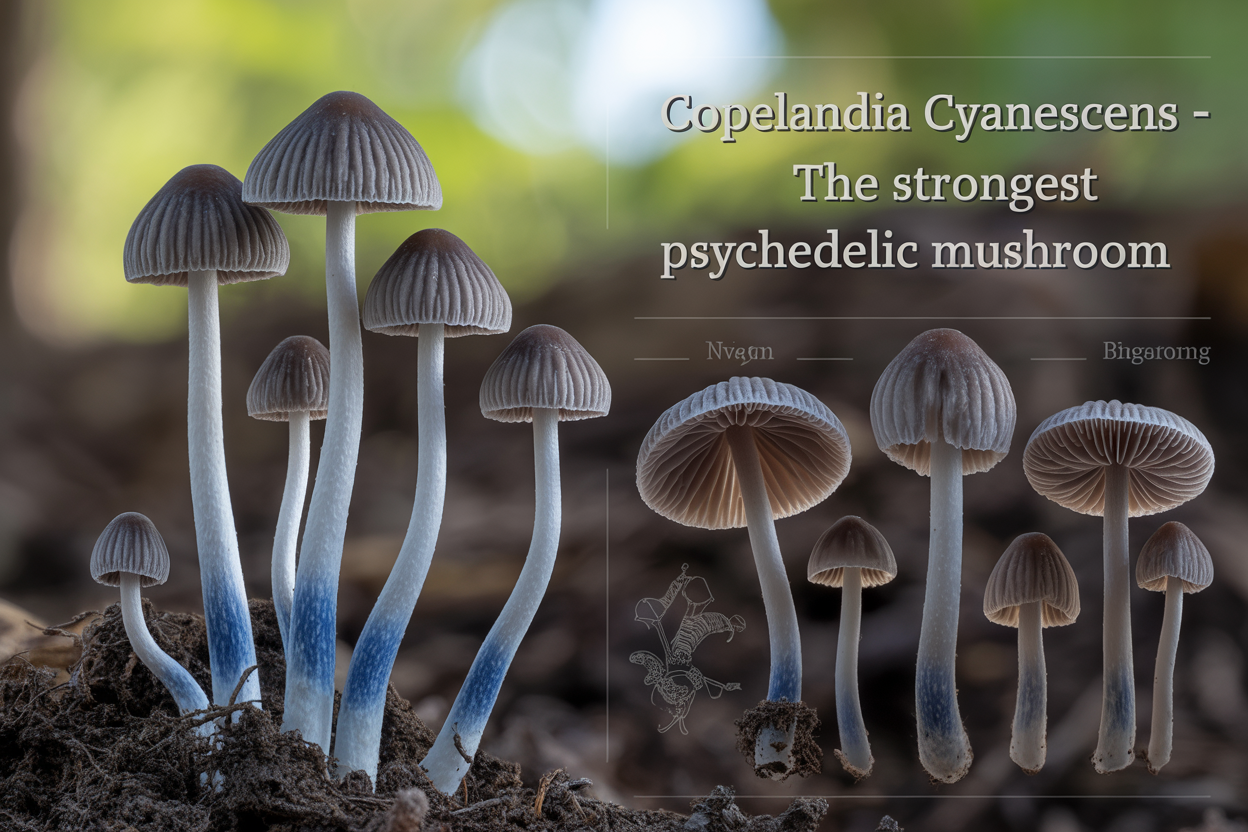
Copelandia Cyanescens stands out as one of nature’s most potent psychedelic mushrooms, containing significantly higher psilocybin levels than common varieties like Psilocybe Cubensis. This guide serves experienced psychonauts, researchers, and cultivators who want to understand this powerful species responsibly.
You’ll learn about the unique potency profile that makes these mushrooms so distinct, including their active compound concentrations and how they compare to other psilocybin species. We’ll also cover safe identification techniques to help you distinguish authentic Copelandia Cyanescens from look-alikes, plus practical cultivation methods that work better than standard mushroom growing kit approaches for this particular species.
Safety remains paramount when dealing with such potent fungi. While psilocybe therapy research continues to expand our understanding of therapeutic applications, knowing the mushroom side effects long-term helps you make informed decisions about use and cultivation.
Understanding Copelandia Cyanescens Mushrooms
Scientific Classification and Botanical Characteristics
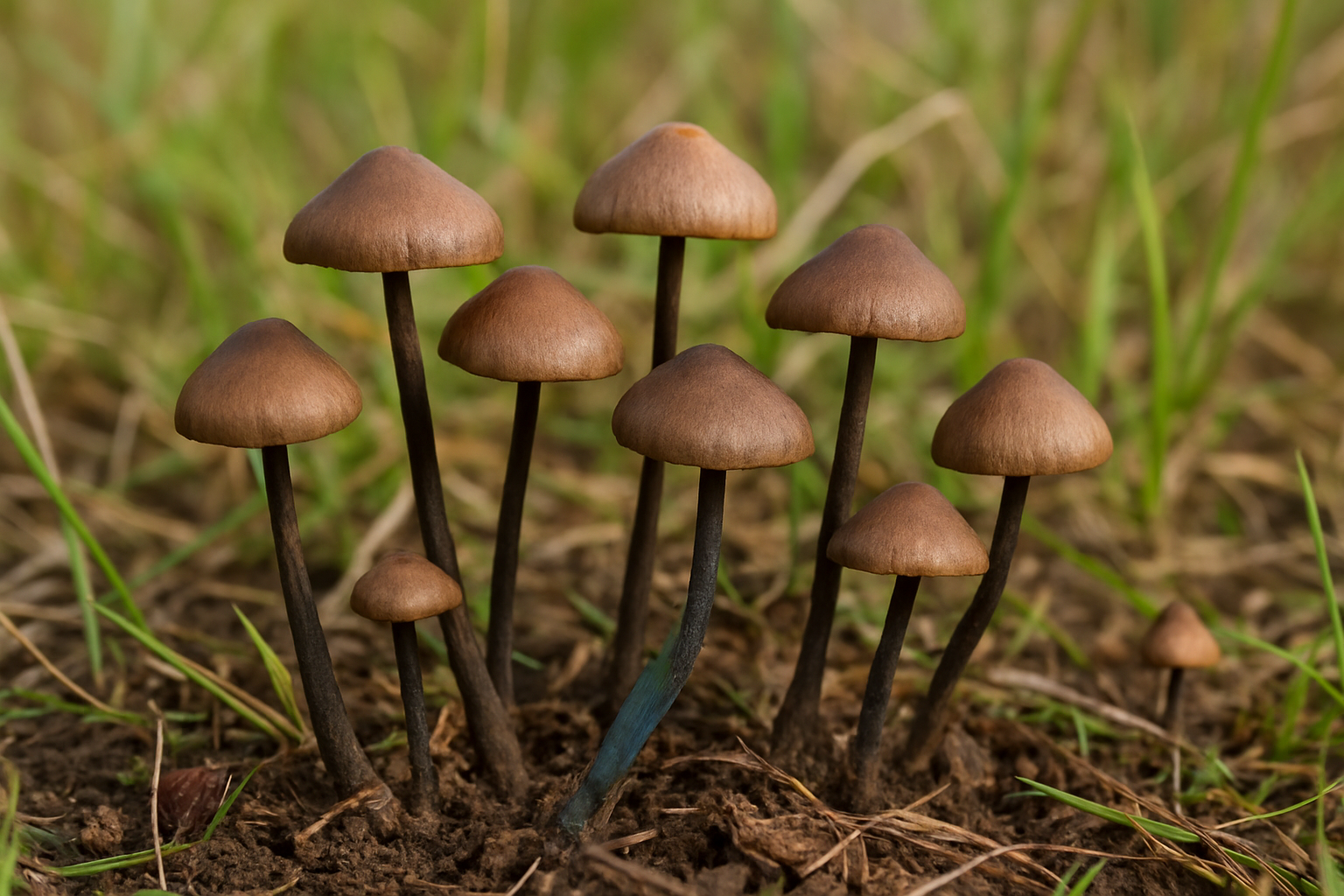
Copelandia cyanescens belongs to the family Strophariaceae and was originally classified under the Panaeolus genus before being reclassified. The species name “cyanescens” refers to its distinctive blue-staining reaction when bruised or damaged, which indicates the presence of psilocybin compounds.
These mushrooms display several unique botanical features that distinguish them from other psychoactive species. The caps typically measure 1-4 centimeters in diameter with a characteristic bell or conical shape that flattens with age. The gills start pale gray and darken to jet black as spores mature, creating a striking contrast against the light-colored stem.
The stem structure is particularly notable, measuring 4-12 centimeters in height with a distinctively thin, often curved appearance. A key identifying feature is the prominent blue bruising that occurs when the mushroom tissue is damaged, appearing within minutes of handling.
Natural Habitat and Geographic Distribution
Copelandia cyanescens thrives in tropical and subtropical regions worldwide, showing a strong preference for areas with consistent warmth and humidity. The species is commonly found across Southeast Asia, including Thailand, Cambodia, and Vietnam, where it has been documented growing in both wild and cultivated environments.
The mushrooms also populate parts of Australia, particularly in Queensland and New South Wales, where the climate conditions align with their growth requirements. In the Americas, populations exist in Hawaii, parts of Mexico, and select regions of Central and South America.
These mushrooms are coprophilous, meaning they grow exclusively on dung from grazing animals, particularly water buffalo, cattle, and horses. This substrate preference makes them commonly found in pastures, fields, and areas where livestock graze. The nutrient-rich dung provides the essential organic matter needed for their mycelium to establish and fruit.
Physical Identification Features and Appearance
Proper identification requires attention to several key physical characteristics. The cap surface appears smooth and slightly sticky when moist, displaying colors ranging from cream to light brown with darker brown centers. As the mushroom matures, the cap often develops distinct radial cracks or striations.
The gill structure provides another crucial identification marker. Young specimens have light gray gills that gradually darken to black as the mushroom releases its spores. The spore print is characteristically jet black, which helps distinguish Copelandia cyanescens from similar-looking species.
The stem characteristics are equally important for accurate identification:
-
Color: Pale cream to light brown, often with a slightly translucent quality
-
Texture: Smooth and somewhat brittle
-
Shape: Typically curved or bent rather than perfectly straight
-
Bruising: Rapid blue discoloration when damaged
The veil remnants are minimal or absent, unlike many other psilocybin-containing species that retain visible ring structures on the stem.
Seasonal Growth Patterns and Optimal Conditions
The fruiting cycle of Copelandia cyanescens follows predictable seasonal patterns tied to specific environmental conditions. Peak growing seasons occur during warm, humid months when temperatures consistently range between 75-85°F (24-29°C) and relative humidity stays above 80%.
In tropical regions, this often means year-round potential for growth, with slight variations based on rainy seasons. In subtropical areas, the prime season typically spans from late spring through early fall, with the most abundant flushes occurring after periods of sustained rainfall.
Optimal growing conditions include:
| Factor | Ideal Range |
|---|---|
| Temperature | 75-85°F (24-29°C) |
| Humidity | 80-90% |
| pH Level | 6.5-7.5 |
| Substrate Age | 2-4 weeks old |
The mushrooms typically fruit within 10-21 days after initial mycelium colonization of fresh dung substrate. Multiple flushes can occur from the same substrate over several weeks, with each subsequent flush generally producing smaller but often more potent mushrooms.
Weather patterns significantly influence fruiting cycles. Consistent morning dew, afternoon warmth, and adequate air circulation create ideal conditions for robust mushroom development. The species shows remarkable adaptation to different microclimates within its preferred habitat range.
Potency Analysis and Active Compounds

Psilocybin and Psilocin Concentration Levels
Copelandia cyanescens stands out in the psychedelic world for its incredibly high concentration of active compounds. These small mushrooms pack a serious punch with psilocybin levels ranging from 1.68% to 2.95% of dry weight, while psilocin concentrations typically fall between 0.60% to 1.96%. What makes these numbers particularly striking is that psilocin – the compound your body actually processes for psychoactive effects – appears in much higher concentrations compared to other species.
The total tryptamine content in C. cyanescens can reach up to 4.5% of dry weight when you combine both compounds. This extreme potency means that a typical 1-gram dose of dried specimens can deliver effects equivalent to 3-5 grams of more common varieties like Psilocybe cubensis. The high psilocin content also means faster onset times, with users often reporting effects beginning within 15-30 minutes of consumption.
Laboratory analysis has shown that alkaloid distribution varies throughout the mushroom, with caps generally containing higher concentrations than stems. Fresh specimens contain mostly psilocin, which converts to psilocybin during the drying process through oxidation.
Comparative Strength Against Other Psychedelic Species
When stacked against other psychedelic mushrooms, Copelandia cyanescens earns its reputation as one of the strongest naturally occurring species. Here’s how it compares to other well-known varieties:
| Species | Psilocybin (%) | Psilocin (%) | Total Potency |
|---|---|---|---|
| C. cyanescens | 1.68-2.95 | 0.60-1.96 | Very High |
| P. azurescens | 1.78 | 0.38 | High |
| P. semilanceata | 0.98 | 0.02 | Medium-High |
| P. cubensis | 0.63 | 0.60 | Medium |
| P. tampanensis | 0.68 | 0.32 | Medium |
The Hawaiian strain of C. cyanescens consistently shows the highest alkaloid content, often exceeding 3% total tryptamines. This puts it roughly 3-5 times stronger than your average P. cubensis, meaning dosage calculations require extreme caution.
P. azurescens comes close in psilocybin content but lacks the high psilocin levels that make C. cyanescens so potent. The combination of both compounds in significant quantities creates a unique alkaloid profile that produces intense, fast-acting experiences.
Factors Affecting Potency Variation in Wild Specimens
Wild C. cyanescens shows remarkable potency variation depending on several environmental and biological factors. Growing conditions play a huge role in alkaloid production, with specimens from nutrient-rich substrates typically showing higher concentrations.
Environmental Influences:
-
Substrate quality: Mushrooms growing on rich organic matter like aged manure produce higher alkaloid levels
-
Moisture levels: Consistent humidity during development increases psilocin production
-
Temperature fluctuations: Mild stress from temperature changes can boost alkaloid synthesis
-
Seasonal timing: Early season flushes often contain higher concentrations than later harvests
Specimen characteristics also affect potency significantly. Younger mushrooms with unopened caps generally contain higher alkaloid concentrations per gram than fully mature specimens. Cap-to-stem ratio matters too – specimens with proportionally larger caps tend to be stronger.
Geographic location creates substantial variation even within the same species. Hawaiian populations consistently test higher than specimens from other tropical regions, possibly due to specific soil minerals or genetic adaptation. Elevation also plays a role, with higher-altitude specimens sometimes showing increased potency.
Harvesting timing proves critical for maintaining peak potency. Specimens collected just as veils break contain maximum alkaloid concentrations, while those left to fully mature and release spores show declining levels. Storage conditions after harvest can also impact final potency, with improper drying techniques leading to significant alkaloid degradation.
Safe Identification and Harvesting Guidelines
Key distinguishing features from look-alike species
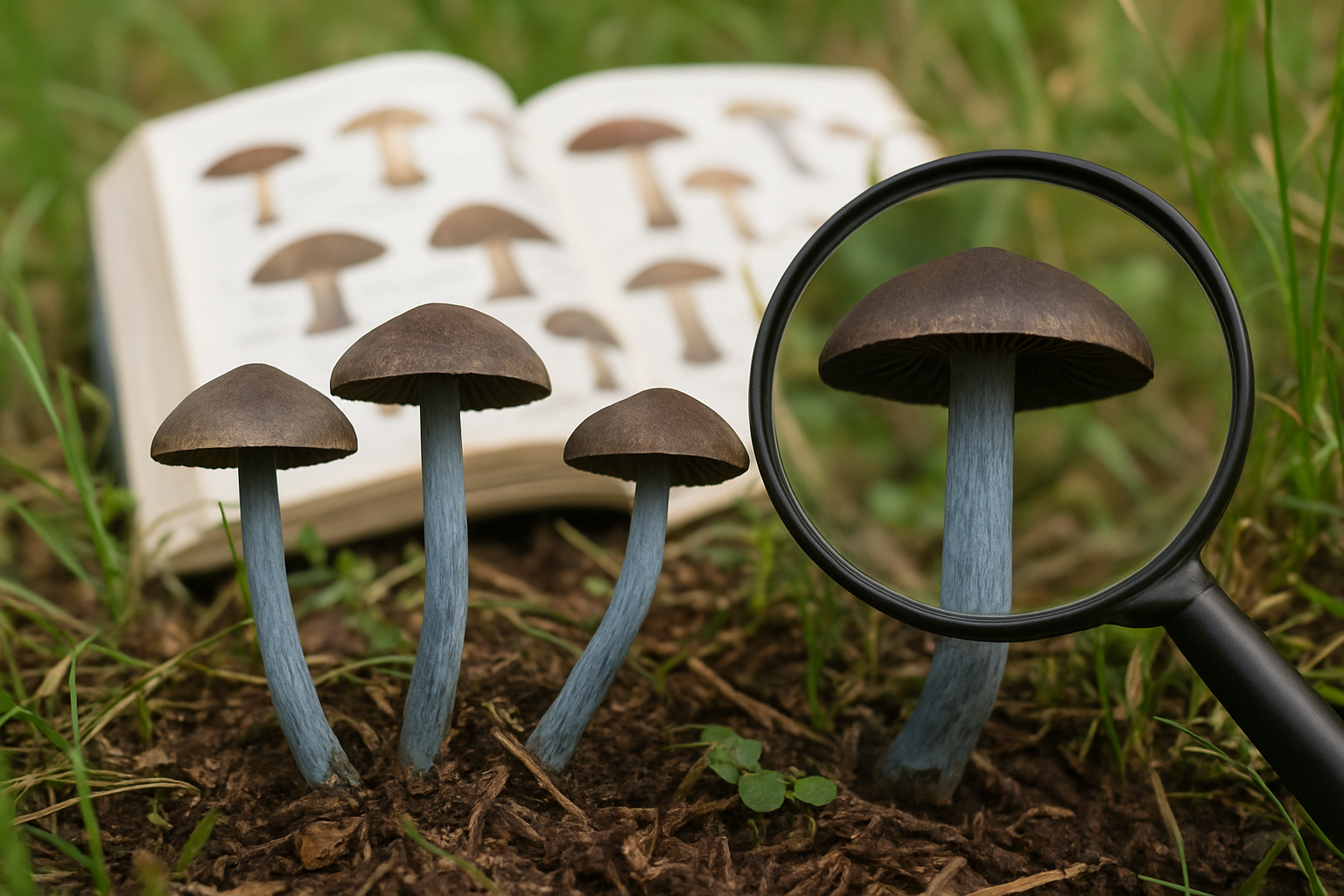
Copelandia cyanescens mushrooms have several distinctive features that separate them from potentially dangerous look-alikes. The caps range from 1.5 to 4 cm in diameter, starting convex and flattening with age. Fresh specimens display a buff to light brown color that fades to pale tan when dried. The most critical identifying feature is the dark spore print – always jet black, never brown or rust-colored.
The stems are slender, typically 4-10 cm long, and develop a distinctive blue bruising when handled or damaged. This blue oxidation reaction occurs within minutes of contact and is a key safety marker. The gills start light gray and darken to black as spores mature.
Several dangerous species can fool inexperienced foragers. Deadly Galerina species share similar habitats but have rusty-brown spores instead of black ones. Panaeolus species without active compounds look nearly identical but lack the intense blue bruising reaction. Always verify spore color using a spore print – place the cap gill-side down on white paper overnight.
Proper harvesting techniques and timing
Peak potency occurs when caps begin flattening but before spores drop heavily. Harvest during early morning hours when mushrooms are fully hydrated. Use clean scissors or a sharp knife to cut stems at ground level rather than pulling, which can damage the underground mycelium network.
Handle specimens gently to minimize blue bruising, which can indicate potency loss. Place harvested mushrooms in breathable containers like paper bags or wicker baskets – never use plastic bags that trap moisture and promote rot. Process specimens within 2-4 hours of harvesting for maximum preservation of active compounds.
The ideal harvesting window spans 2-3 days when caps transition from convex to flat. Older specimens with heavily dropped spores contain reduced concentrations of active compounds and should be avoided for therapeutic applications.
Common identification mistakes and how to avoid them
The most dangerous error involves confusing Copelandia with Galerina species, which contain deadly amatoxins. Always perform spore prints – Galerina produces rusty-brown spores while Copelandia creates jet-black deposits. Never rely solely on visual appearance.
Inexperienced collectors often mistake inactive Panaeolus species for active varieties. The blue bruising test provides reliable differentiation – active species turn deep blue when damaged, while inactive ones show minimal or no color change. However, some mushroom side effects long-term can occur even from inactive species due to other compounds present.
Habitat confusion represents another common mistake. Copelandia cyanescens grows exclusively on herbivore dung in tropical and subtropical regions. Specimens found on wood, soil, or other substrates are definitely different species. Geographic location matters tremendously – these mushrooms don’t naturally occur in temperate climates.
Weather timing also trips up novice foragers. Peak fruiting occurs 2-4 days after heavy rainfall when temperatures remain warm and humidity stays high. Collecting during dry periods yields few specimens of poor quality.
Legal considerations and regional restrictions
Legal status varies dramatically worldwide and changes frequently. In the United States, psilocybin and psilocin remain federally controlled substances under Schedule I classification. However, several cities and states have decriminalized possession for personal use, creating a complex patchwork of local regulations.
Many countries classify fresh mushrooms differently from dried specimens or extracted compounds. Some jurisdictions focus on intent to distribute rather than simple possession. Research applications sometimes receive special exemptions, particularly for psilocybe therapy studies conducted by licensed institutions.
International travelers face severe penalties in many Asian countries where possession carries mandatory prison sentences. European nations show increasing tolerance, with Portugal and the Netherlands implementing progressive policies. Australia maintains strict prohibition despite traditional use by indigenous populations.
Before any collection activity, research current local laws thoroughly. Legal landscapes shift rapidly as public opinion evolves and scientific research expands. Consider consulting legal professionals familiar with psychedelic law if questions arise about specific jurisdictions or activities.
Effects and Experience Profile

Onset Time and Duration of Psychoactive Effects
Copelandia cyanescens kicks in faster than most psilocybin mushrooms. The onset typically begins within 15-30 minutes after consumption, compared to 30-60 minutes for other species. This rapid onset catches many experienced users off guard, making careful dosing even more critical.
The active phase peaks around 1-2 hours and maintains intensity for 3-4 hours total. Users report a sharp climb to peak effects, followed by a gradual descent over the next 2-3 hours. The entire experience usually wraps up within 6-8 hours, though some residual effects may linger for an additional hour or two.
Typical Dosage Ranges and Intensity Levels
Due to their exceptional potency, Copelandia cyanescens requires significantly lower doses than traditional psilocybe species. Here’s a breakdown of typical dosage ranges:
| Dose Level | Weight (Dried) | Experience Intensity |
|---|---|---|
| Microdose | 0.05-0.1g | Sub-perceptual effects |
| Light | 0.2-0.5g | Mild visual changes, mood enhancement |
| Moderate | 0.5-1.0g | Distinct visuals, altered perception |
| Strong | 1.0-2.0g | Intense psychedelic effects |
| Heavy | 2.0g+ | Overwhelming, potentially dangerous |
New users should start with even smaller amounts – as little as 0.1-0.2g for their first experience. The mushroom side effects long-term remain under study, but responsible dosing practices help minimize risks.
Unique Characteristics Compared to Other Psilocybin Mushrooms
Copelandia cyanescens delivers a distinctly different experience profile from common psilocybe varieties. Users frequently describe the effects as more intense and “electric” compared to the gentler, more flowing experience of Psilocybe cubensis.
The visual component tends to be more geometric and crystalline, with sharp patterns and intense color saturation. Mental effects lean toward analytical thinking rather than the emotional introspection typical of other species. Many report heightened energy levels and restlessness, contrasting with the relaxed, contemplative state often associated with other psilocybin mushrooms.
The comedown is generally smoother and less fatiguing, though the intense peak can be more challenging to navigate for unprepared users.
Set and Setting Recommendations for Optimal Experiences
Creating the right environment becomes even more important with such a potent species. Choose a completely safe, familiar location where you won’t be disturbed for at least 8 hours. Indoor settings work best for beginners, as the intensity can make outdoor navigation challenging.
Having an experienced, sober trip sitter present is highly recommended, especially for doses above 0.5g. Stock up on comfort items like soft blankets, calming music playlists, and easy-to-digest snacks for the comedown period.
Mental preparation matters just as much as physical setup. Approach the experience with clear intentions and a positive mindset. Avoid use during times of stress, relationship conflicts, or major life changes. The rapid onset leaves little time for second thoughts once effects begin.
Keep rescue medications like benzodiazepines accessible if you have experience with their use, though they should only be used in genuine emergency situations.
Safety Protocols and Risk Management

Potential adverse reactions and contraindications
Copelandia cyanescens can trigger several unwanted reactions, especially for first-time users or those sensitive to psychedelic compounds. Common adverse effects include intense nausea, vomiting, and severe anxiety that can last several hours. The mushroom side effects long-term may include persistent anxiety disorders, depersonalization, or hallucinogen persisting perception disorder (HPPD) in susceptible individuals.
People with pre-existing mental health conditions should avoid these mushrooms entirely. Those with schizophrenia, bipolar disorder, severe depression, or family history of psychotic disorders face significantly higher risks. Pregnant and breastfeeding women must never consume psilocybin mushrooms due to unknown effects on fetal development.
Heart conditions, high blood pressure, and seizure disorders represent serious contraindications. The intense psychological effects can trigger panic attacks that stress the cardiovascular system dangerously.
Drug interaction warnings and medical considerations
Psilocybin interacts dangerously with several medication classes. MAOIs (monoamine oxidase inhibitors) can intensify and prolong psychedelic effects unpredictably. SSRIs and other antidepressants may reduce psilocybin’s effectiveness while potentially causing serotonin syndrome.
Blood pressure medications, heart medications, and anticoagulants require special caution. The altered state can mask medical emergencies or interfere with critical medication timing. Anyone taking prescription medications should consult healthcare providers before considering use, though discussing illegal substances remains challenging.
Alcohol and other depressants create particularly dangerous combinations that can lead to respiratory depression or dangerous behavior due to impaired judgment.
Harm reduction strategies for responsible use
Start with tiny amounts – Copelandia cyanescens packs much more potency than typical Psilocybe species. A scale measuring to 0.01g accuracy becomes essential for safe dosing. Begin with 0.2-0.5g dried weight maximum for initial trials.
Create a safe environment with trusted companions who remain sober throughout the experience. Remove dangerous objects, secure the space, and prepare comfort items like blankets and water. The “set and setting” principle demands careful attention to mental state and physical environment.
Test substances through reagent kits when possible, though this proves difficult with wild-harvested specimens. Plan for 6-8 hour experiences with no responsibilities or commitments.
When to seek medical attention
Emergency medical care becomes necessary when users experience chest pain, difficulty breathing, extremely high fever, or signs of serotonin syndrome (muscle rigidity, rapid heartbeat, confusion). Persistent vomiting leading to dehydration also requires professional intervention.
Psychological emergencies include threats of self-harm, complete disconnection from reality lasting beyond the expected timeframe, or aggressive behavior toward others. While psilocybe therapy shows promise in clinical settings, unsupervised use can trigger severe psychological crises requiring immediate professional help.
Call emergency services immediately if someone becomes unconscious, has seizures, or shows signs of severe allergic reactions. Don’t hesitate when safety concerns arise – medical professionals can provide life-saving interventions without legal judgment in emergency situations.
7 FAQ
Are these mushrooms legal to grow or possess?
Legal status varies dramatically by location. Most countries classify psilocybin-containing mushrooms as controlled substances, making cultivation, possession, and distribution illegal. Some jurisdictions have decriminalized personal use or allow psilocybe therapy research. Check local laws before considering any activities involving these mushrooms, as penalties can be severe.
Can I use a mushroom growing kit for Copelandia Cyanescens?
Standard mushroom growing kit products are designed for culinary species like oyster or shiitake mushrooms. Copelandia Cyanescens requires specific tropical conditions, substrates, and techniques that differ significantly from commercial kits. These mushrooms naturally grow on dung in warm, humid environments and need specialized knowledge for successful cultivation.
What are the long-term side effects of using these mushrooms?
Research on mushroom side effects long-term remains limited, but studies suggest potential risks include persistent perceptual changes, anxiety disorders, and psychological dependence in some users. Frequent use may lead to tolerance, requiring higher doses for similar effects. Mental health conditions like schizophrenia or bipolar disorder can be exacerbated by psychedelic use.
How do I identify authentic Copelandia Cyanescens?
Key identification features include dark spores, blue bruising when damaged, small tan-to-brown caps, and growth on dung substrates in tropical regions. However, many toxic mushrooms share similar characteristics. Misidentification can be fatal – never consume wild mushrooms without expert verification from a qualified mycologist.
What’s the typical dosage for beginners?
Copelandia Cyanescens are extremely potent, with active doses starting as low as 0.5-1 gram dried. This species contains significantly higher psilocybin concentrations than common Psilocybe cubensis varieties. Start with minimal amounts if legal in your area, as effects can be overwhelming and last 4-8 hours.
Can these mushrooms interact with medications?
Psilocybin can interact dangerously with antidepressants, particularly MAOIs and SSRIs, potentially causing serotonin syndrome. Blood pressure medications, heart conditions, and psychiatric drugs may also create harmful interactions. Always consult healthcare providers about potential drug interactions before considering use.
Where do these mushrooms naturally grow?
Copelandia Cyanescens thrive in tropical and subtropical regions, particularly Southeast Asia, Hawaii, and parts of Australia. They grow exclusively on fresh dung from grazing animals like cattle and water buffalo, preferring areas with high humidity, warm temperatures, and regular rainfall patterns.
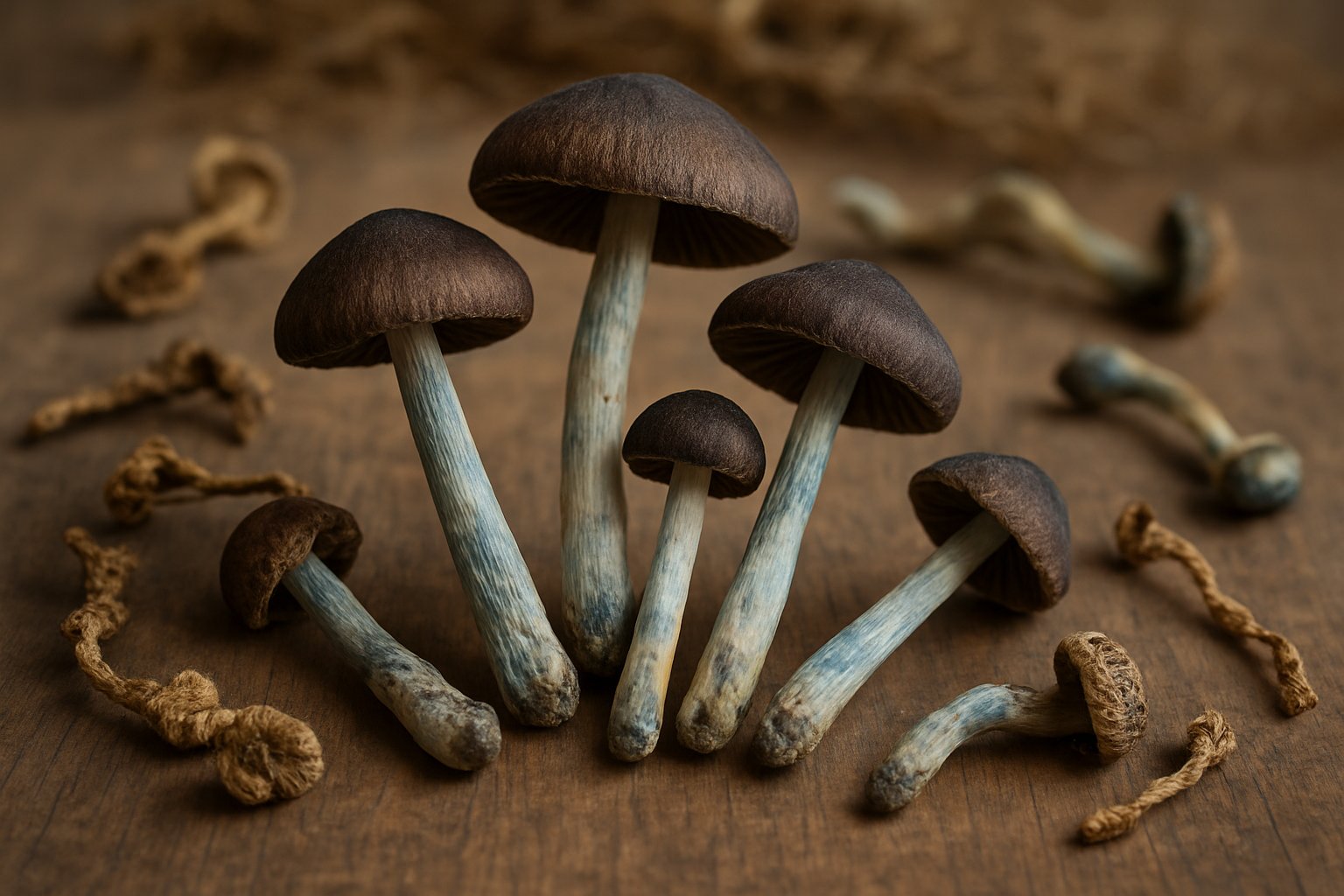
Copelandia Cyanescens stands out as one of nature’s most potent psychedelic mushrooms, packing significantly higher psilocybin levels than most other species. From proper identification techniques to understanding their intense effects profile, these small but mighty fungi demand respect and careful handling. The cultivation process requires patience and attention to detail, but many find the journey worthwhile for those seeking a deeper psychedelic experience.
Safety should always be your top priority when working with these powerful mushrooms. Start with extremely small doses, never forage without expert guidance, and always have a trusted sitter present during any experience. Whether you’re interested in cultivation or consumption, taking the time to educate yourself thoroughly will help ensure a positive and safe encounter with these remarkable fungi.