How Could MDMA Help With Depression and Anxiety
-
Posted by
Psychedelic Today
How Could MDMA Help With Depression and Anxiety?
What Is MDMA and MDMA‑Assisted Therapy?
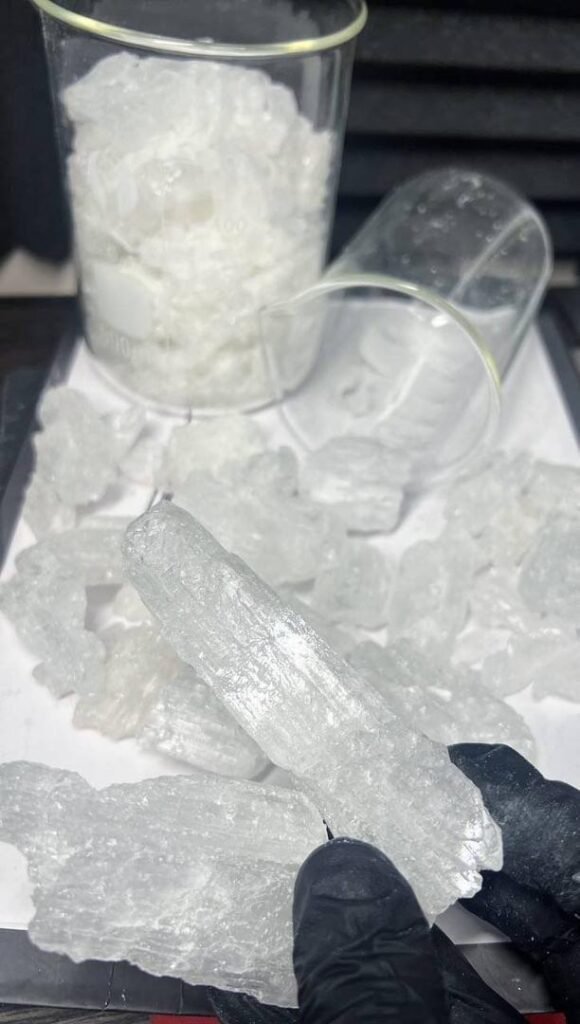
MDMA (3,4‑methylenedioxymethamphetamine) is a psychoactive compound best known as the main ingredient in “ecstasy” or “molly,” producing increased empathy, emotional openness, and changes in sensory perception. In clinical settings, it is used not as a party drug but as a catalyst within a structured psychotherapy process, called MDMA‑assisted therapy (MDMA‑AT).
In MDMA‑assisted therapy, patients undergo several non‑drug psychotherapy sessions for preparation and integration, and two or three extended MDMA sessions in a controlled environment with trained therapists. The goal is to use MDMA’s acute effects—reduced fear and defensiveness, heightened trust, and emotional access—to deepen trauma processing and emotional work that might otherwise feel overwhelming.
Modulating Fear and Emotional Processing
One of the main reasons MDMA is being studied for mental health is its effect on fear and threat processing, which are often heightened in anxiety and trauma‑related conditions. In experimental and clinical contexts, MDMA appears to:
-
Reduce activity in brain areas that process fear while increasing connectivity in networks involved in emotional regulation and introspection.
-
Increase feelings of trust, safety, and connection with the therapist, which can make it easier to revisit painful memories or beliefs.
This combination may help patients confront and reframe traumatic or deeply negative experiences, which can secondarily reduce depressive and anxiety symptoms.
Enhancing Therapeutic Alliance and Insight
MDMA often increases empathy, compassion, and self‑acceptance, which can strengthen the therapeutic relationship and reduce shame. In MDMA‑assisted sessions, patients frequently report:
-
Feeling safe enough to explore painful topics they normally avoid.
-
Seeing their life story from a different, less self‑critical perspective.
-
Gaining fresh insights into patterns that maintain depression or anxiety.
These psychological shifts—when integrated through ongoing therapy—may contribute to more durable improvements in mood and anxiety.
What Does the Research Say About MDMA for Anxiety?
Anxiety Associated With Life‑Threatening Illness
A Phase 2 randomized, double‑blind, placebo‑controlled trial investigated MDMA‑assisted psychotherapy for anxiety in people with life‑threatening illnesses (LTI), such as cancer or serious neurological disease. Participants received either MDMA (125 mg) or placebo during two day‑long sessions, along with a series of preparatory and integration psychotherapy sessions.
Key findings included:
-
Both groups improved, but those receiving MDMA showed larger reductions in trait anxiety scores than the placebo group at the main follow‑up, though the primary anxiety outcome narrowly missed conventional statistical significance in this small sample.
-
MDMA participants also showed improvements in depression, sleep quality, mindfulness, and post‑traumatic growth, with benefits persisting at 6‑ and 12‑month follow‑ups in those who received three MDMA sessions.
-
The treatment was generally well tolerated in this carefully screened group, with no life‑threatening adverse events reported.
These results suggest MDMA‑assisted therapy could be a feasible, potentially helpful approach for anxiety and depressive symptoms in people facing life‑threatening illness, warranting larger trials.
PTSD, Anxiety, and Depression Overlap

Most MDMA research so far has targeted post‑traumatic stress disorder (PTSD), a condition where anxiety, hyper‑arousal, and depressive symptoms often coexist. Phase 2 and Phase 3 trials in PTSD have shown that:
-
MDMA‑assisted therapy produced large, clinically meaningful reductions in PTSD symptoms compared with placebo plus therapy.
-
Many participants also experienced significant decreases in depression scores, supporting the idea that MDMA‑AT can influence mood as well as trauma symptoms.
These PTSD results are important because they show MDMA‑AT can be delivered safely in psychiatric populations and can impact both anxiety and depression when used with intensive psychotherapy.
What About MDMA for Major Depressive Disorder?
Research on MDMA‑assisted therapy specifically for major depressive disorder (MDD) is still in early stages compared with PTSD and LTI‑related anxiety. One small, open‑label proof‑of‑concept trial explored MDMA‑AT in people with MDD and reported:
-
MDMA‑assisted therapy could be delivered safely with careful screening and monitoring, and most adverse events were mild and transient.
-
Participants showed promising reductions in depressive symptoms over the course of treatment, though the trial did not include a control group, so we cannot separate MDMA’s specific effect from placebo or psychotherapy‑only effects.
This kind of early evidence is encouraging but preliminary; larger randomized, controlled studies are needed to determine how MDMA‑AT compares with existing treatments like SSRIs, cognitive‑behavioral therapy, and ketamine‑based interventions.
How Is MDMA‑Assisted Therapy Delivered in Clinical Trials?
Across MDMA‑AT studies for PTSD, anxiety, and emerging depression trials, there is a shared basic structure.
-
Screening & medical assessment
Patients undergo thorough psychiatric and medical screening to rule out contraindications such as certain heart conditions, uncontrolled high blood pressure, mania, psychosis, or pregnancy. -
Preparation sessions
Several 60–90 minute psychotherapy sessions help build trust, explore goals, and educate participants about what to expect during MDMA sessions. -
MDMA dosing sessions
-
Typically 2–3 day‑long sessions (about 6–8 hours) in a calm, controlled setting.
-
A moderate to high MDMA dose (often 75–125 mg) is given, sometimes with a supplemental half‑dose later in the session.
-
Two therapists (often one male, one female) remain present throughout to offer support and guide processing when needed.
-
-
Integration sessions
Follow‑up therapy sessions focus on helping the participant make sense of what emerged, apply insights to daily life, and support ongoing emotional regulation and behavior change.
This intensive model contrasts with simply taking MDMA on one’s own, which lacks therapeutic framing, monitoring, and integration and carries significantly higher risks.
Safety, Risks, and Limitations

Acute Risks of MDMA
Even in clinical settings, MDMA is not risk‑free. Known acute risks include:
-
Increases in heart rate and blood pressure, which can be dangerous for people with cardiovascular disease.
-
Elevated body temperature and dehydration (or, less commonly, overhydration) if not managed carefully.
-
Anxiety, panic, or distress during the session, particularly at high doses or with insufficient psychological support.
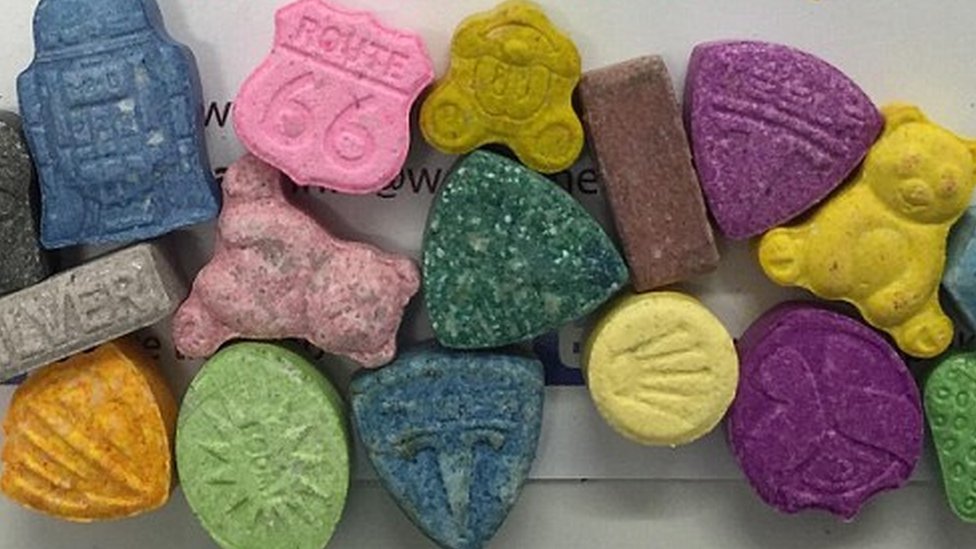
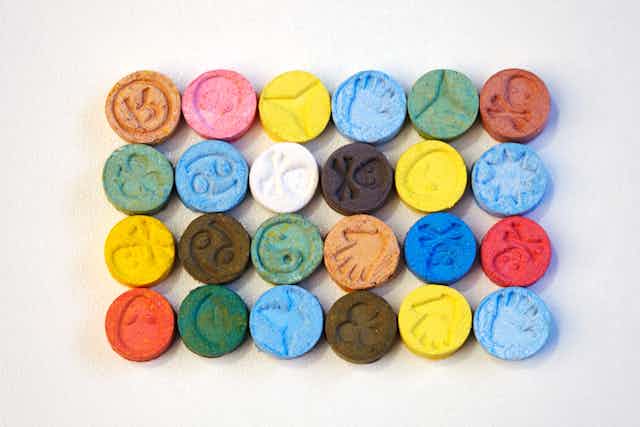
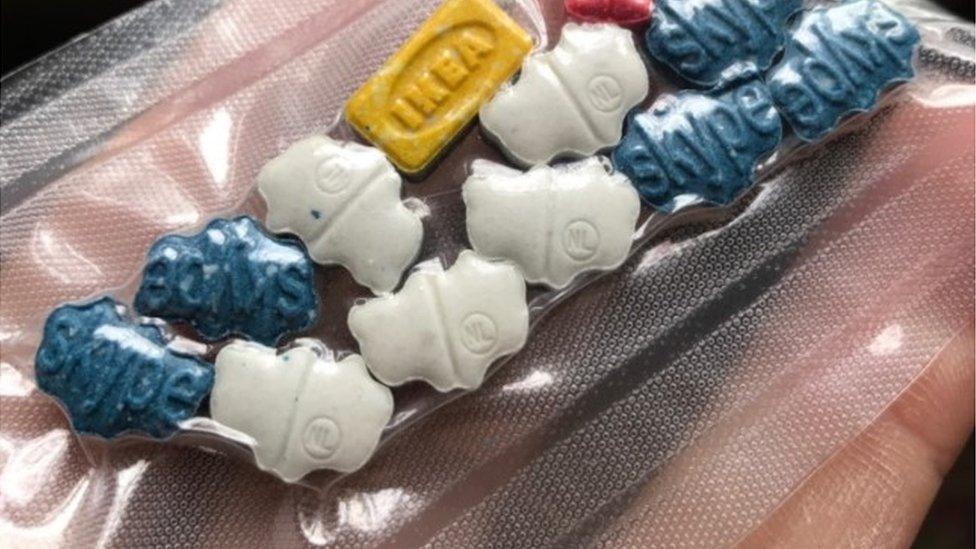
Street MDMA adds further dangers because doses are unknown and the substance may be adulterated with more toxic compounds, including potent stimulants or opioids.
Long‑Term and Misuse Concerns
Outside of clinical trials, heavy or frequent recreational MDMA use has been associated with sleep problems, mood disturbances, and possible cognitive effects, although data are mixed and confounded by polydrug use. This is one reason clinical protocols limit participants to two or three MDMA sessions, spaced weeks apart, rather than chronic use.
Evidence Gaps and Regulatory Status
Although MDMA‑assisted therapy has advanced furthest for PTSD, its role in treating primary depression and generalized anxiety is not yet established. Key limitations include:
-
Small sample sizes and, in some depression studies, lack of control groups.
-
Highly selected participants and expert therapists that may not reflect routine clinical practice.
-
Ongoing regulatory review, with MDMA‑AT not yet a standard approved treatment for depression or generalized anxiety in most healthcare systems.
People should not self‑medicate with illicit MDMA for depression or anxiety; doing so bypasses screening, dosing control, and therapeutic support, and may worsen symptoms or cause harm.
Where Does MDMA Fit Among Psychedelic Therapies?
MDMA is part of a wider wave of psychedelic‑assisted therapies being tested for depression and anxiety, alongside agents like psilocybin and ketamine‑like compounds. Some trends emerging from this broader field:
-
Psychedelic‑assisted therapies generally combine a small number of high‑impact dosing sessions with intensive psychotherapy and integration, rather than daily drug dosing.
-
Different compounds may suit different patient groups—for example, some trials compare psilocybin with standard antidepressants, while others explore MDMA‑AT for trauma‑linked depression or complex anxiety.
MDMA’s unique profile—strong prosocial and fear‑reducing effects—may make it particularly useful when trauma, shame, and relational difficulties are central features of a person’s depression and anxiety.

FAQs: MDMA and Treatment of Depression and Anxiety
1. Can MDMA cure depression or anxiety?
No. MDMA is not a cure, and current evidence supports its use only as part of structured MDMA‑assisted therapy in clinical trials, primarily for PTSD and specific anxiety conditions. Some participants experience significant, lasting improvements in symptoms, but others do not, and long‑term outcomes are still being studied.
2. Is MDMA‑assisted therapy approved for depression?
As of now, MDMA‑assisted therapy is not broadly approved as a standard treatment for major depressive disorder or generalized anxiety. Regulatory reviews have focused mainly on PTSD, and depression‑specific trials remain small and experimental.
3. How is MDMA‑assisted therapy different from taking ecstasy at a party?
MDMA‑assisted therapy uses pharmaceutical‑grade MDMA, carefully controlled doses, medical and psychological screening, and several hours of support from trained therapists before, during, and after each session. Recreational ecstasy use involves unknown pills or powders, unknown doses, no screening, and no therapeutic structure, which greatly increases risks and reduces the chance of therapeutic benefit.
4. What conditions show the strongest evidence for MDMA‑assisted therapy?
The strongest evidence so far is for treatment‑resistant PTSD, where MDMA‑assisted therapy has shown large reductions in symptoms in Phase 2 and Phase 3 trials compared with placebo‑assisted therapy. Studies in anxiety related to life‑threatening illness and a small open‑label trial in major depression suggest potential benefits, but this evidence is still preliminary.
5. What are the main risks of MDMA‑assisted therapy?
Even in clinical settings, MDMA can raise blood pressure and heart rate, stress the cardiovascular system, and cause acute anxiety or distress. That is why trials screen out people with certain medical conditions, use medical monitoring, and limit the number of MDMA sessions. Recreational use carries added risks from adulterants and uncontrolled environments.
6. If I have depression or anxiety, should I try MDMA on my own?
No. Self‑medicating with illicit MDMA is not recommended and can be dangerous, especially for people with mental‑health conditions, heart problems, or those taking other medications. If you are interested in psychedelic‑assisted therapy, the safer route is to speak with a licensed clinician and, where possible, explore participation in regulated clinical trials.
7. What’s next for MDMA in treating depression and anxiety?
Future directions include larger randomized trials focused specifically on major depressive disorder and diverse anxiety disorders, as well as long‑term follow‑up studies examining durability of benefits, safety, and real‑world implementation. Researchers and regulators are also working to define training standards and clinic models so that, if approved, MDMA‑assisted therapy can be delivered safely and equitably within traditional healthcare systems.